Is the Smart Home Market Ripe for Unprecedented Growth?

You’ve got a brilliant smart house design concept. The tech is solid, the vision is clear. But are you hitting a wall trying to scale? Is the market really ready for what you’re selling, or are you just shouting into the void?
It's a question many smart house design businesses wrestle with. We're seeing incredible innovation, sure, but translating that into widespread consumer adoption and profitable GTM strategies for a smart house design business? That's the real challenge. The market's buzzing with new tech and evolving consumer demands, but is it truly ready to explode, or are we still in a prolonged build-up phase?
For years, the smart home promised a future of seamless, connected living. Yet, for many, it's felt more like a collection of disparate gadgets than a cohesive ecosystem. You've probably seen the headlines: forecasts of exponential growth, followed by the reality of slower-than-anticipated consumer uptake. It's enough to make you wonder if your meticulously crafted smart home solutions are landing on fertile ground or just more noise in a crowded space.
But something's shifting. We're seeing tangible movement towards greater interoperability and user-friendliness. Consider the strides made in device integration; for instance, robot vacuums now supporting Matter, a standard that promises to simplify setup and compatibility across brands. Then there’s the enhanced security and convenience, with products like Nuki adding Apple Home Key to its smart lock, enabling iPhone or Apple Watch tap-to-unlock functionality. These aren't just incremental updates; they're signals of a maturing market addressing key pain points for homeowners.
Investors are taking notice too. While the specific details aren't always public, the underlying technology infrastructure is getting significant backing. Companies like Omni Design Technologies, Inc., for example, are securing funding, which often points to continued development in the chipsets and core components that power these advanced smart devices. This kind of investment is critical for pushing the boundaries of what's possible in smart home automation and design.
So, is this finally the moment? Are we at an inflection point where consumer hesitancy gives way to widespread adoption, transforming the smart home from a niche luxury into a mainstream necessity? McKinsey & Company suggests that the market is indeed accelerating, driven by evolving consumer expectations around convenience, energy efficiency, and security. Understanding these drivers is key to crafting effective GTM strategies that resonate.
When you're thinking about how to position your offerings, it's worth considering the various avenues for reaching customers. Are you leaning into direct sales, or exploring channel partnerships? It’s a perennial question for any B2B business, and we’ve got some deep dives on the subject if you're curious about the pros and cons of different sales approaches for your business growth. Getting that sales model right is just as important as the product itself when you're trying to capture market share in a rapidly evolving sector like smart homes.
What Key Market Opportunities Can Your Business Leverage?

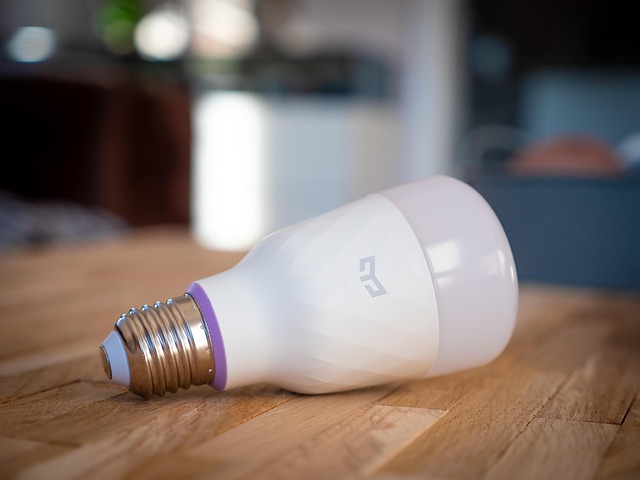
Okay, so we've talked sales models, which are absolutely critical. But let's shift gears a bit and look at where the real money is being made, or rather, where the biggest opportunities lie for a smart house design business. This sector's exploding, everyone knows it, but where exactly do you focus your GTM strategies to really hit home? It's not just about selling a smart lightbulb anymore; it's about selling an integrated, intelligent living experience.
One massive area is seamless integration. Consumers are tired of disparate systems that don't talk to each other. They want a cohesive ecosystem. Think about something like Nuki recently adding Apple Home Key to its smart lock. That's a game-changer for user experience, simplifying access and security under one familiar umbrella. For your business, this means designing systems that prioritize compatibility and ease of use, making the smart home truly smart, not just a collection of gadgets.
Then there's the whole AI and automation play. We're not just talking about scheduled lights. We're talking predictive intelligence, systems that learn homeowner habits and adjust autonomously. The broader automation market is booming; for instance, Robotic Process Automation is projected to be a $35+ billion market by 2030, up from $5.3 billion in 2024, driven by AI-powered bots. That growth signals a huge appetite for intelligent systems that handle tasks without human intervention. How can your GTM strategies highlight the time-saving, comfort-enhancing aspects of these advanced automations?
Don't forget personalization and niche markets. Every homeowner's needs are unique. Some want sophisticated security, others prioritize energy savings, and many are looking at solutions for aging-in-place. This opens doors for highly targeted GTM. Can you offer a 'wellness' smart home package? Or perhaps a 'zero-energy' smart home design? Specialization makes your value proposition clearer and attracts specific client segments. It's about solving a particular pain point really well.
Speaking of energy, sustainability isn't just a buzzword; it's a genuine market driver. With rising energy costs and environmental awareness, clients are actively seeking smart home solutions that reduce their carbon footprint and utility bills. McKinsey & Company consistently points to consumer demand for sustainable products. Your GTM strategies should absolutely lean into how your designs enable efficient energy management, from smart thermostats to intelligent shading systems. This is big.
Executing these GTM strategies effectively often means having the right tools and partners. You might be designing brilliant systems, but how are you getting that message out? Tools like Flint, designed for launching on-brand pages for campaigns, can streamline your marketing efforts. And sometimes, you don't have to build everything yourself. Exploring different partnership structures for software products, like those discussed in our article on uncovering white label SaaS partnership models, can significantly expand your service offerings without heavy R&D.
The real opportunity for smart house design isn't just selling technology; it's selling a smarter way to live, tailored to individual needs and seamlessly integrated.
How Do You Craft a High-Impact Smart Home GTM Strategy?

Okay, so you've nailed down that the smart house design business isn't just about gadget sales; it's about selling a better lifestyle. Now, how do you actually get that message out there and make it stick? Crafting a high-impact GTM strategy for a smart house design business means getting really clear on a few things. It's not just a marketing plan; it’s your entire operational blueprint for bringing a solution to market effectively.
First off, you need to understand your customer inside out. Who are they, really? Are they early adopters obsessed with the latest tech, or busy families looking for convenience and security? Maybe it's empty nesters focused on energy efficiency or accessibility. Your GTM strategy starts here. You’re defining your ideal client profile and building everything around their needs, not just what your tech can do. Think about their pain points – not just "I want a smart home," but "I want peace of mind when I'm away," or "I want my home to adapt to my schedule without me lifting a finger."
Then, you articulate your unique value proposition. What makes your smart house design service different? Is it your bespoke consultation process, your seamless installation, or your ongoing support? Maybe it's a specific specialization, like creating sustainable smart homes or integrated health-monitoring systems. You've got to clearly show how you solve those customer pain points better than anyone else. This isn't just about features; it's about the benefits and the emotional resonance.
Next up: channels. How will you reach these customers? Are you going direct-to-consumer (DTC) through your own sales team and website? Or are you leveraging partnerships with custom home builders, architects, or interior designers? These channel partners can be gold for smart home integration, bringing your designs into new construction or major renovations. Consider your sales strategy: will it be a high-touch consultative approach, or can you offer more standardized packages for quicker deployment? Pricing also fits here. You need a model that reflects your value, whether it’s project-based, subscription for ongoing services, or tiered packages.
The smart home market is dynamic, right? You've got to stay on top of interoperability. Consumers expect their devices to talk to each other, period. Standards like Matter are making this easier, and you see it gaining traction. Take, for instance, how robot vacuums now support Matter, signaling wider adoption across different device types. This connectivity isn't just a nice-to-have; it's an expectation. Your strategy needs to account for integrating disparate systems into a cohesive, user-friendly experience. Think about security, too. Products like Nuki adding Apple Home Key to its smart lock really highlight the push for simplified, secure access and control directly from devices people already use.
A smart home GTM strategy isn't about selling tech. It's about selling an outcome: peace of mind, effortless living, or sustainable comfort. Your customer doesn't care how many gigabytes it has; they care if it makes their life better.
Don't forget the post-sale experience. Installation and ongoing support are where many smart home businesses either shine or falter. It's not a set-it-and-forget-it sale. How will you handle troubleshooting, updates, and expansions? A robust support system builds trust and drives referrals. Investment in the underlying technologies also matters; companies like Omni Design Technologies, Inc. securing funding show there's a lot of activity in the foundational tech that powers these systems, meaning more sophisticated solutions are coming down the pipeline.
Finally, consider how you’ll manage your own business operations to support this growth. Tools that streamline your processes are key. While you're focusing on the customer, don't overlook your internal efficiency. Products like Denovo, which promises to "Build and run your business while you sleep," or AI-driven marketing solutions like Pixero AI, can help you scale your efforts without getting bogged down in the weeds. A truly high-impact GTM strategy considers every touchpoint, from initial awareness to long-term customer satisfaction.
Which Channel Sales & Partnership Models Drive Success?

Alright, so you've got your internal house in order, processes humming along, and you're ready to scale. But how do you actually get those smart house designs into more homes? You can't do it all yourself. That's where smart channel sales and partnership models come in. It’s not just about direct sales; it's about extending your reach and building trust through others.
Think about it: a homeowner isn't just buying a smart light switch; they're investing in a sophisticated ecosystem. They need expertise, installation, and ongoing support. This is where strategic partnerships become absolutely vital for your GTM strategy. We're talking about a multi-pronged approach.
Direct vs. Indirect: It's Not an Either/Or
Sure, you'll have your direct sales team for high-touch, custom projects. That's a given. But to truly grow, you need to leverage indirect channels. This means partnering with folks who are already in front of your ideal customer. These can be:
- Architects and Interior Designers: They're the gatekeepers of new builds and major renovations. Getting your smart home designs integrated into their blueprints from the start is a massive win. Co-marketing with them makes perfect sense.
- Home Builders and Real Estate Developers: Imagine your smart home package as a standard upgrade or even a baseline feature in new communities. This is a volume play, and it means working closely on integration and sales.
- System Integrators (SIs) and Custom Installers: These are your boots on the ground for complex setups. They understand the intricacies of wiring, network infrastructure, and device compatibility. When we talk about complex integrations, like enterprise-grade data security for smart home systems, you're looking at specialized partners. Think about the kind of deep tech demonstrated by Emulex SecureHBA enabling autonomous Fibre Channel SAN encryption – while that's enterprise-level, it highlights the need for skilled integrators when dealing with advanced tech, even in a high-end residential context.
- Retail Partners: Specialized electronics stores or even big-box retailers with dedicated smart home sections can be great for product visibility and driving qualified leads for your design services.
The smart house design business isn't a transactional sale. It's a relationship business, and your partners extend those relationships for you.
Building the Right Partnership Models
Each type of partner needs a different engagement model. For architects, it might be a referral fee or a co-branded design service. For builders, it's a wholesale pricing structure and dedicated installation support. You've got to think about the incentives. What's in it for them? How do you make it easy for them to sell and implement your solutions?
This means strong enablement programs: comprehensive training, marketing collateral, and robust technical support. You're constantly looking for solid tech partners, and companies like Omni Design Technologies, Inc. are out there building the foundational tech we integrate. Your partners need to feel confident working with your chosen tech stack.
Addressing Customer Concerns Through Partnerships
Today's smart home customer cares deeply about things like privacy and data security. You know this. The buzz around privacy-focused solutions, like the recent news about ditching Google Drive for a privacy-focused app, confirms that. Your partners can be instrumental in communicating how your designs prioritize these concerns, building a layer of trust that's hard to achieve through direct marketing alone. They're on the front lines, answering those tough questions.
Managing Your Channels
With multiple channels, managing performance and avoiding conflicts is key. You'll need solid systems for lead distribution, commission tracking, and joint marketing efforts. Tools that offer AI-driven data insights, like Alkemi, your AI data teammate in Slack, can be incredibly useful here. They help you keep an eye on what's working and where adjustments are needed, ensuring your partnerships are truly driving success and contributing to your GTM strategies for a smart house design business.
How Can You Scale Your Smart Home Offerings Effectively?
Okay, so you've got your GTM strategies for a smart house design business humming along, partnerships are sorted, and Alkemi's giving you the insights. What's next? Scaling, right? But scaling isn't just doing more of the same. It's about building a robust engine that can handle increased demand without breaking a sweat. You're thinking about how to grow without losing that personal touch or operational efficiency.
First up, you've got to think about productization. Bespoke designs are great, but they don't scale easily. Can you create modular packages? Standardized smart home bundles that customers can pick and choose from? This cuts down on design time and installation complexity. McKinsey & Company often highlights how modularity drives efficiency in complex industries. It's about finding that sweet spot between customization and repeatability.
Then there's the tech itself. You're building for the future, so interoperability is key. We're seeing real traction with unified standards like Matter. It means less headache for system integrators and a smoother experience for homeowners. It's why news like My favorite robot vacuum now supports Matter is a big deal; devices just work together better. And look at Nuki adding Apple Home Key to its smart lock – that's the kind of seamless integration with established ecosystems, like Apple Home, that wins over high-end clients. You're not just selling devices; you're selling a cohesive, easy-to-use system.
Scaling also means your internal operations need to be slick. You can't be bogged down by manual processes. Think automation. Tools that help you manage customer journeys, project pipelines, and even marketing campaigns at scale are non-negotiable. Companies are building solutions specifically for this. Take Denovo, for example; its tagline is 'Build and run your business while you sleep.' That's the dream, right? Or for your GTM efforts, managing campaigns across multiple channels gets easier with platforms like Flint, helping you launch on-brand pages for every campaign, ad, and prospect. Consistency matters as you grow.
Ultimately, scaling your smart home business isn't about selling more gadgets. It's about designing a repeatable, efficient, and delightful experience that can be delivered consistently, no matter the volume.
And let's be honest, smart growth often needs capital. Even companies in related fields are looking to scale up with investment. You see that with firms like Scale Social AI, Inc. seeking funding to expand their reach. It's a reminder that strategic investment can fuel your expansion, whether that's into new markets, developing more sophisticated offerings, or bolstering your operational backbone. It's all part of making your GTM strategies for a smart house design business truly effective for the long haul.
What Future Trends Will Shape Smart Home Design & Devices?
We've covered a lot of ground, haven't we? From sharpening your initial market insights to securing the capital that fuels ambition, it's clear that building a successful smart house design business isn't just about cool tech. It's about a holistic approach to your GTM strategies for a smart house design business. We've talked about understanding your customer's evolving needs, crafting compelling value propositions, and making smart moves in a dynamic market. Now, let's bring it all together by looking at what's next, keeping in mind that the 'long haul' means constant evolution.
The future of smart homes really hinges on seamless integration. We're talking about systems that don't just 'talk' but truly understand each other. That's why initiatives like Matter are so important. It's not just a buzzword; it's the glue. Take, for instance, how your favorite robot vacuum now supports Matter. This kind of open standard is what consumers demand: less friction, more functionality. Beyond compatibility, security and convenience are top of mind.
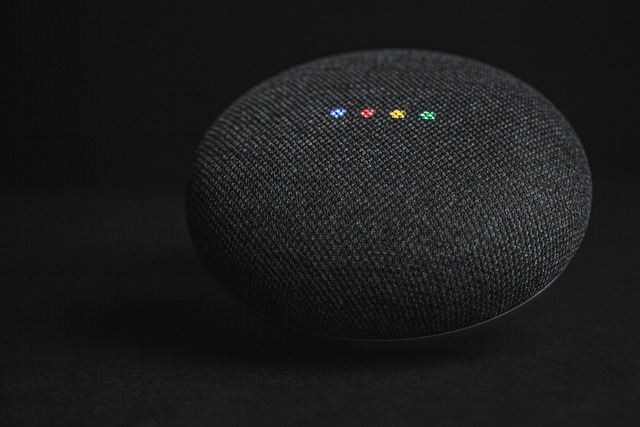
People want their smart homes to be fortresses, but also effortlessly accessible. The integration of advanced security features, like Nuki adding Apple Home Key to its smart lock, shows where things are headed. Ecosystems like Apple Home, Google Home, and Amazon Alexa are becoming even more powerful hubs, offering deeper control and peace of mind. Artificial intelligence will also play a bigger role, moving from simple automation to predictive intelligence. Imagine a home that anticipates your needs, adjusting lighting, temperature, or even suggesting dinner based on your mood and schedule. It's about hyper-personalization, making the smart home truly intelligent, not just connected.
And let's not forget sustainability and wellness. Clients are increasingly asking for energy-efficient solutions and environments that promote health. Smart systems that monitor air quality, optimize energy consumption, and even enhance sleep cycles are no longer niche; they're becoming expectations.
For your business, this means constantly adapting. You'll need efficient internal systems, too. Tools that help you build and run your business while you sleep, like Denovo, become invaluable for scaling. It's not just about the tech you sell; it's the tech you use to sell it. And when it comes to reaching those customers, targeted, brand-consistent marketing is key. Being able to launch on-brand pages for every campaign, ad, and prospect with Flint, for example, streamlines your outreach and reinforces your identity in a crowded market.
Remember, growth often requires fuel. Whether you're expanding your offerings or improving your operational backbone, strategic investment is a constant. Even businesses in seemingly different sectors, like BROWNS SHOE FIT CO GENERAL OFFICE INC, understand the need for capital to scale and innovate. It's a universal truth in business: you need to invest to grow.
What's the takeaway from all this? Simple: the smart home market is always moving. Your GTM strategies for a smart house design business can't be static. You're not just selling devices; you're selling a lifestyle, convenience, security, and a future. Stay curious. Stay agile. And always, always put the user experience at the core of everything you do.