What are the key market opportunities in smart home design & tech?
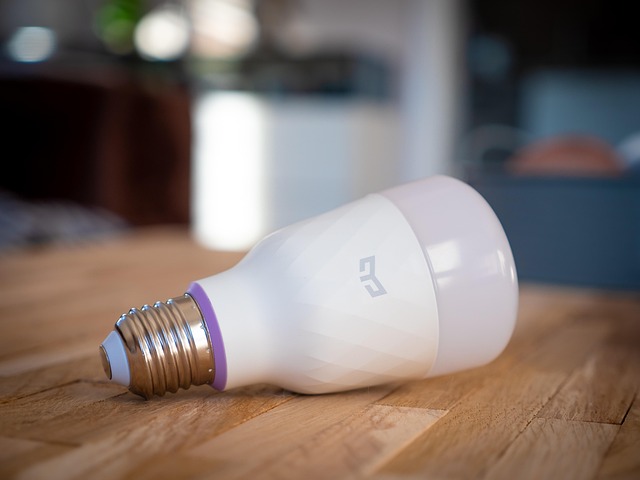
Let's be real. You're in smart home design, and the pace of innovation feels relentless, doesn't it? One minute, it’s all about voice assistants; the next, it’s hyper-personalized AI and predictive automation. Keeping your finger on the pulse, figuring out where the real money is, it's a full-time job in itself. Miss a beat, and you're not just behind; you're effectively invisible in a market that demands foresight.
But here's the kicker: this complexity isn't a roadblock. It's a massive, wide-open door. The smart home market isn't just growing; it's exploding with opportunities for businesses that know where to look and how to position their GTM strategies for a smart home design business.
Think about it: people aren't just buying gadgets anymore. They want an integrated, intuitive living experience. They want a home that understands them, anticipates their needs, and simplifies their lives. This shift from individual smart devices to cohesive, intelligent ecosystems is where the real value lies. It's about delivering true connected living.
One obvious area? Security and access control. Homeowners want peace of mind, and they expect their smart locks and cameras to just work, seamlessly. We're seeing innovations like Nuki adding Apple Home Key to its smart lock, making secure access more convenient than ever. That kind of integration isn't just a feature; it's a major selling point.
Then there's the broader trend of automation and AI integration. This isn't just about smart thermostats; it's about systems that learn your routines, optimize energy usage, and even manage home maintenance proactively. The underlying technology driving this, like Robotic Process Automation (RPA) and AI, shows staggering growth. GlobeNewswire reported that the RPA market alone is projected to hit over $35 billion by 2030, up from $5.3 billion in 2024. This isn't just for big enterprise; it's about the sophisticated backend intelligence that makes smart homes truly smart, and it impacts how businesses themselves operate.
The true market opportunity isn't in selling individual smart devices, but in designing and implementing holistic, intelligent home experiences that address genuine user needs for convenience, security, and efficiency.
Consider the need for energy management and sustainability solutions. With rising energy costs and environmental consciousness, smart systems that monitor and optimize consumption are increasingly in demand. This means smart lighting, intelligent HVAC controls, and even predictive energy analytics become central to a compelling smart home offering. It’s not just about saving money; it’s about making a difference.
Finally, let's talk about the business side of things. To capitalize on these opportunities, smart home design businesses need to be just as smart internally. Leveraging automation and AI to manage operations, client relationships, and project delivery is becoming non-negotiable. Tools like Denovo, which promises to help "build and run your business while you sleep," or Unify, which lets you "hire AI colleagues," point to a future where business efficiency directly translates to market dominance in a complex sector like smart home design. It's about scaling your expertise, not just your headcount.
What unique GTM challenges do smart home businesses face today?

Okay, so we've got the operational side of a smart home design business humming along, leveraging AI and automation to scale expertise. That's fantastic. But efficiency alone won't win the market if your Go-To-Market (GTM) strategy isn't equally sharp. The smart home sector, especially for design and integration firms, presents some truly unique hurdles. It's not like selling a standalone gadget; you're selling a lifestyle, a complex system, and often, peace of mind.
First off, there's the big beast: interoperability and fragmentation. Consumers are tired of devices that don't talk to each other. They've got an Apple HomeKit thermostat, a Google Assistant speaker, and an Alexa-controlled lighting system. It's a mess. Your GTM strategy for GTM strategies for a smart home design business has to address this head-on. The industry's trying to fix it with standards like Matter, which is why seeing news like a popular robot vacuum now supporting Matter is so significant. It signals a move towards a more unified ecosystem, but we're not there yet. You're selling solutions that bridge these divides, not just individual components.
Then there's the consumer education gap. Many still see smart home tech as a novelty or overly complicated. They don't grasp the full potential for energy savings, security, or convenience. Your GTM isn't just about features; it's about painting a picture of a smarter, easier life. You're selling the 'why,' not just the 'what.'
Another major challenge? Installation and service complexity. This isn't a plug-and-play world. Integrating a whole-home system, especially in a custom design, requires specialized skills. It's not just about selling the product; it's about delivering a seamless, reliable experience from consultation to post-installation support. This impacts your channel strategy directly. Are you going direct? Partnering with builders? Or leveraging a network of certified installers?
The pace of change is also relentless. Ecosystems and standards are constantly shifting. One minute, it's all about Zigbee, the next, it's Wi-Fi 6. Nuki adding Apple Home Key to its smart lock shows how quickly product roadmaps need to adapt to align with dominant tech platforms. Your GTM needs to be agile, ready to pivot as new technologies emerge and consumer preferences evolve. It's about future-proofing your clients' investments, which is a big selling point.
We're not just selling devices. We're selling a promise: a home that anticipates your needs, protects your family, and simplifies your life. That's a profound shift in consumer expectation.
Finally, there's trust and privacy concerns. Every smart device collects data. Consumers are increasingly wary about how their personal information is used. Your GTM strategy must build trust, emphasizing robust security protocols and transparent data handling. It's about being a trusted advisor, not just a vendor.
These challenges demand a GTM strategy that's consultative, value-driven, and focused on long-term relationships. It's about demonstrating real ROI, whether that's energy savings or enhanced security. This often means you've got to build a rock-solid business case for your solutions, especially when dealing with high-end clients or commercial projects. Understanding how to justify the investment, providing clear ROI calculators, and equipping your champions with the right documents can make all the difference in securing budget for these complex smart home systems. It's an investment in a smarter future, and you're the one making that future tangible.
And let's not forget the underlying technology enablers. Companies like Omni Design Technologies, Inc. receiving funding, even if not directly in smart home products, shows the ongoing investment in the foundational semiconductor and IP that makes these sophisticated systems possible. It's a reminder that the innovation pipeline is always flowing, adding another layer of complexity for GTM teams trying to stay ahead.
How can smart home design agencies craft winning GTM strategies?

So, you're operating in a space that’s constantly evolving, with new tech surfacing all the time. Staying ahead with your GTM strategies for a smart home design business isn't just nice-to-have; it's essential for survival. It's not enough to just know the tech; you’ve got to sell the dream, the lifestyle, the future.
First off, you've got to really understand who you're talking to. We’re not just selling gadgets here. We’re selling convenience, security, energy efficiency, and a touch of luxury. Your GTM strategy has to speak to the homeowner who wants a seamless experience, the builder looking for value-add propositions, or the commercial client seeking optimized operations. It's about solving real problems and enhancing daily life, not just installing cool tech. Think about how important interoperability is becoming. It’s why something like The Verge highlighting a robot vacuum now supporting Matter is a big deal. Your designs need to be future-proof, playing nice with everything else in the ecosystem. That's a strong selling point.
Next, let's talk about how agencies themselves can get smarter. The agency world is shifting, and AI is a big part of that. Adweek recently pointed out how AI is upending agency business models. This isn't just about client work; it's about how you run your own shop. Smart agencies are using AI to refine their targeting, personalize messaging, and even automate parts of their sales funnel. Tools like Denovo, which helps build and run businesses while you sleep, or Alkemi, an AI data teammate for Slack, show you how AI is becoming integrated into everyday business operations. You should be looking at how these advancements can sharpen your own GTM efforts, making them more efficient and data-driven.
Your GTM also needs to lean heavily on experiential marketing. People need to see, touch, and feel smart home tech in action. Showrooms, immersive virtual tours, or even partnering with real estate developers to outfit model homes are powerful strategies. Case studies are your best friends here. Show, don't just tell, what a truly integrated smart home system can do for someone's life or a business's bottom line. Think beyond just the tech specs; focus on the outcomes.
Finally, remember that as a business services provider, you're part of a broader economic ecosystem. Investment in business services generally underscores the dynamic environment agencies operate in. Even sectors like BROWNS SHOE FIT CO GENERAL OFFICE INC receiving funding, while not directly smart home related, demonstrates ongoing capital flow into supporting business operations. This signals a healthy environment for agencies that can provide valuable services, including crafting winning GTM strategies, to clients across various industries.
In smart home design, your GTM isn't just about selling a product; it's about selling a smarter way of living. Your strategy needs to be as intelligent and integrated as the homes you're designing.
Which enterprise sales tactics drive growth for smart home solutions?
Okay, so you're building GTM strategies for a smart home design business. It's not just about pushing boxes; you're selling sophistication, efficiency, and a lifestyle upgrade. For enterprise clients, that means a whole different ballgame compared to direct-to-consumer.
When we talk enterprise sales for smart home solutions, we're really talking about a long-game strategy. You're not just closing a deal; you're often integrating into complex existing infrastructures, whether it's a new residential development, a commercial property, or a hospitality chain. Your approach needs to be as integrated as the systems you're proposing.
First off, it's about value-based selling. Forget feature lists. Your clients care about ROI, energy savings, enhanced security, and tenant satisfaction. How does your smart home design reduce operational costs for a property manager? How does it increase property value for a developer? You've got to paint that picture clearly. Showing tangible benefits is key. For example, McKinsey & Company often highlights how B2B buyers prioritize value over upfront cost, especially for solutions that promise long-term operational efficiency.
Next, think about strategic partnerships and channel sales. You can't do it all alone. Collaborating with architects, general contractors, interior designers, and even real estate agencies can open doors to projects you'd never find solo. These partners already have the trust of the client, and you become their smart home expert. It's a powerful multiplier for your GTM strategies. You're leveraging existing relationships to accelerate your market entry.
Data is your friend here. Smart home solutions generate tons of it, and smart sales teams use it to their advantage. We're seeing a huge push towards revenue intelligence and AI-driven platforms. Just look at Apollo.io's acquisition of Pocus; they're building an AI-native operating system for sales teams. That's the kind of intelligence you need to pinpoint high-value leads, understand their pain points, and tailor your pitches for smart home installations. Tools like Alkemi, acting as an AI data teammate, show how crucial data analysis is becoming for informing your sales approach and GTM execution. You want to know who to talk to, when to talk to them, and what they care about most.
When you're dealing with enterprise clients, especially those with complex IT infrastructures, security is always a top concern. Your sales team needs to be proactive in addressing data privacy, network security, and compliance. This often means preparing for extensive security questionnaires and demonstrating your systems' integrity. It's a common roadblock, but one you can totally overcome by being prepared. In fact, understanding how to proactively handle things like SOC 2 and other security roadblocks can significantly accelerate your deal cycles.
For smart home design, enterprise sales isn't just about the initial pitch; it's about building long-term trust through consistent value delivery and robust support. You're selling an ecosystem, not just a device.
Finally, consider how you're structuring your growth team. Companies like Flex, hiring for a Head of Growth Marketing, understand that dedicated roles are essential for orchestrating sophisticated GTM strategies. You need someone focused on scaling your efforts, optimizing your funnels, and ensuring your message resonates with the right enterprise decision-makers. The market is ripe for agencies that can provide these valuable services, helping clients like smart home design businesses refine their GTM. There's capital flowing into supporting business operations, with entities like ST-0217 Fund IV making investments, which signals a healthy environment for growth-oriented businesses.
Think about tools that help streamline operations. Platforms like Denovo, which promises to "build and run your business while you sleep," highlight the importance of automation and efficiency in your sales and operational workflows. The more you can automate the mundane, the more your sales team can focus on complex enterprise relationship building.
How do partnerships and channels accelerate smart home market entry?

While streamlining internal operations is a big win, as we discussed, your reach outside the company walls is just as critical. Seriously, for a smart home design business, partnerships and robust channels aren't just nice-to-haves; they're foundational to your GTM strategy. You simply can't go it alone and expect to scale quickly in this market.
Think about it. Who already has the customer relationships you want? It’s not always easy to build those from scratch. This is where channel partners become your express lane to market entry. We're talking about everyone from home builders and property developers who integrate smart tech into new constructions, to security companies looking to expand their offerings, and even utility providers keen on energy management solutions.
Leveraging these existing networks means you get instant access to established customer bases. You're borrowing their trust, their sales force, and their distribution infrastructure. That's a huge accelerant. It drastically cuts down your own customer acquisition costs and time to market.
Consider the retail space. It's a prime example of where strategic alliances make a real difference. We're seeing companies like Huawei and SOLUM teaming up to unveil shop-in-shop smart converged network solutions. That kind of collaboration puts smart solutions directly in front of consumers where they're already shopping. It's smart visibility.
Then there are the service providers. Telecommunication companies and internet service providers (ISPs) often bundle smart home services. Partnering with them gives you a direct line to millions of households. They handle the billing, the support, the initial setup – you provide the innovative design and technology. It's a powerful symbiotic relationship.
It's all about expanding your GTM footprint for a smart home design business without the prohibitive cost and time of building every single sales and marketing channel from scratch. This isn't just theory; firms like McKinsey & Company consistently highlight the multiplier effect of well-executed strategic alliances. It’s not just 1+1=2; it’s often 3 or 4, thanks to shared resources and expanded reach.
Don't overlook the installers either. Local electricians, AV specialists, custom integrators – these folks are on the ground, often acting as trusted advisors to homeowners. They can be incredibly influential in product selection and adoption. Building strong relationships with them creates a powerful word-of-mouth channel that money can't buy.
Ultimately, a robust channel strategy makes your market entry faster, more credible, and significantly more cost-effective. You're not just selling a product; you're becoming part of a larger ecosystem, which is exactly what the smart home market demands.
How do you measure GTM effectiveness and ensure sustainable growth?

So, you've cracked the code on integrating your smart home designs into a wider ecosystem. That's a huge step. But launching is just the start, isn't it? The real game is about understanding what works, what doesn't, and how to keep that momentum going. You're not just selling a product; you're building a lasting presence in a rapidly evolving market.
Measuring GTM effectiveness for a smart home design business means looking beyond immediate sales figures. You need a clear view of your customer acquisition costs (CAC) and, more importantly, your customer lifetime value (CLTV). Are you attracting the right homeowners who'll invest in upgrades, maintenance, and refer you to their networks? Are your channel partners truly driving value? It's about optimizing your entire funnel, from initial awareness to repeat business. As Search Engine Journal points out, a robust KPI blueprint is essential for sustainable revenue growth, covering everything from SEO to PPC to the overall customer journey.
Sustainable growth in this space demands agility. The smart home market moves fast. New standards, like Matter, which even robot vacuums are now embracing, can quickly redefine interoperability and user expectations. You've got to be ready to adapt your offerings, your messaging, and your partner strategies. Think about tools that help you stay on top of this. Platforms like Gauge, acting as a marketing agent for organic, paid, and AI search, become invaluable for monitoring your market footprint and refining your approach. Similarly, for managing the operational side of growth, a solution like Denovo promises to help you build and run your business efficiently, even when you're not actively at the helm.
Ultimately, sustained growth isn't just about marketing wizardry; it's about having the financial muscle to back your ambitions. Businesses need capital to scale, and we see ongoing investment across various sectors, like JONES FINANCIAL COMPANIES LLLP's recent $325,000 offering, highlighting the continuous flow of funds to support business expansion and innovation. For your smart home design business, this means a solid financial strategy is as important as your GTM plan.
In the smart home arena, your GTM isn't a one-and-done launch. It's an ongoing conversation with your market, a continuous loop of listening, learning, and refining. Stay curious. Stay flexible. Build for tomorrow, today.