
What Are the Hottest New Smart Home Trends Shaping Our Lives?
The Era of Seamless Connectivity: Matter's Revolution
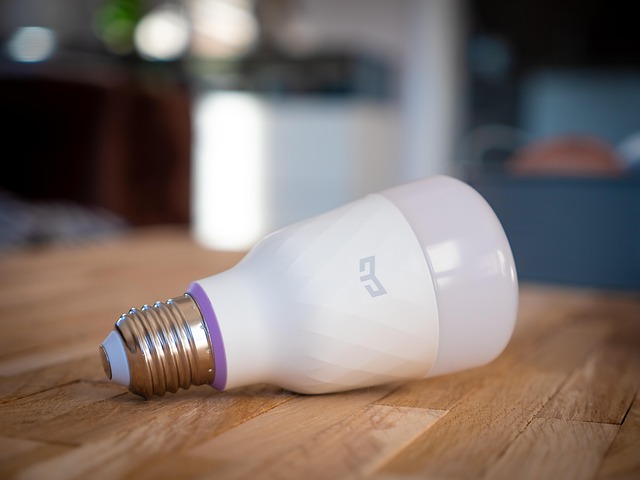
You've probably felt the frustration: buying a smart gadget only to find it doesn't play nice with your existing setup. It's like trying to use a Blu-ray player with a VHS TV – they just don't speak the same language. Well, that's changing big time with the arrival of Matter. This isn't just another protocol; it's a universal language for smart home devices, backed by giants like Apple, Google, Amazon, and Samsung. Think of it as a common power outlet for all your gadgets, finally letting them all communicate smoothly, regardless of brand. It's going to simplify your life, making device setup a breeze and giving you way more choice. This push towards true interoperability is making your smart home ecosystem more robust and user-friendly than ever before. In fact, over 1,300 Matter-certified products have been released, demonstrating its rapid adoption across the industry. Source.
AI-Powered Intuition: Your Home Anticipates You
Your smart home isn't just following orders anymore; it's learning from you. We're moving beyond simple "if this then that" rules to genuinely intuitive, AI-powered automation. It's like the difference between a task manager that just holds your to-do list and a personal assistant who anticipates your needs before you even voice them. These systems observe your routines, preferences, and even external factors like weather or traffic. Then, they proactively adjust your environment. Imagine your thermostat knowing you're heading home early because of a calendar appointment and pre-warming the house, or your lights subtly shifting color throughout the day to match your natural circadian rhythm. Devices are getting smarter, using machine learning to create a truly personalized living experience. Experts predict the global AI in smart home market will grow significantly, highlighting this trend's importance. Source.
Eco-Conscious Living: Smart Homes Go Green
Saving the planet and saving money often go hand-in-hand, and smart homes are proving it. A major new trend is the deep integration of energy management and sustainability features. It's like having an energy auditor living in your walls, constantly finding ways to trim the fat from your utility bill. Smart thermostats are just the beginning; we're seeing advanced energy monitoring systems that track consumption down to individual appliances, smart plugs that cut phantom power drain, and even devices that can shift energy usage to off-peak hours automatically. This isn't just about convenience; it's about making a real impact. Research shows that smart thermostats alone can save users between 10-12% on heating and 15% on cooling costs. Source. Homes are becoming more efficient, helping you reduce your carbon footprint without sacrificing comfort. It's a win-win for your wallet and the environment.
How Are Smart Devices Transforming Our Kitchens & Dining Spaces?
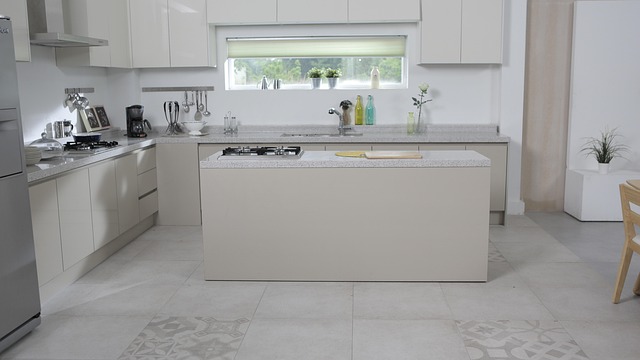
Moving beyond energy efficiency, smart devices are fundamentally reshaping the heart of our homes: the kitchen and dining areas. Forget the days of flipping through cookbooks or guessing cooking times. Now, your kitchen isn't just a place to prepare food; it's a smart, intuitive assistant that helps you cook better, waste less, and even enhance your dining experience.
Take smart refrigerators, for instance. They're not just for keeping food cold anymore. Many models feature internal cameras, letting you peek inside from the grocery store to see what you're missing. Some even track expiry dates and suggest recipes based on available ingredients. It’s like having a personal pantry manager and sous chef rolled into one, dramatically cutting down on food waste. Research by the Natural Resources Defense Council suggests that the average American household wastes about $1,500 worth of food each year. Smart fridges, by offering better inventory management, are poised to significantly reduce that figure. Source.
Cooking appliances have also gone high-tech. Smart ovens let you preheat on your way home from work, or even adjust temperature settings from another room. Some can even recognize the dish you've placed inside and suggest optimal cooking programs. It’s a bit like having a GPS for your cooking – you set the destination (a perfectly cooked meal), and it guides you there. Induction cooktops can connect to smart range hoods, automatically adjusting fan speed based on what you’re cooking. This isn't just about convenience; it's about precision and consistency. You're getting restaurant-quality results without the guesswork.
Smaller gadgets are joining the revolution too. Smart coffee makers brew your morning cup on a schedule, air fryers link to recipe apps for perfect crispiness, and even slow cookers can be controlled remotely. It's all about making your life easier and your meals tastier. You're not just buying an appliance; you're investing in a smarter way to live.
Beyond the actual cooking, smart tech is enhancing the dining experience. Smart lighting can set the perfect ambiance for a dinner party, adjusting brightness and color temperature with a voice command. Smart speakers stream background music, creating the ideal atmosphere. You're transforming a simple meal into an event, making memories more vibrant.
Bringing all these devices together is key to truly smart living. That's where robust smart home ecosystems come into play. They act like the conductor of an orchestra, ensuring all your smart appliances and gadgets work in harmony. If you're looking to build a truly integrated smart kitchen and dining space, understanding which systems offer the best compatibility and features is crucial. You'll want to check out the 2026 best smart home hubs to ensure your investments play well together. It’s not just about individual gadgets; it’s about a cohesive, intelligent home that anticipates your needs.
Can Smart Offices & Gadgets Boost Your Productivity and Comfort?

You've got your kitchen running like a well-oiled machine, anticipating your coffee cravings and lighting your path. But what about your workspace? It's not just about home comfort anymore; smart technology is rapidly transforming how we work, even from our spare rooms. You're seeing a massive shift towards devices and systems designed to make your professional life smoother, more focused, and surprisingly, more comfortable.
Think beyond just a smart speaker playing background music. We're talking about an integrated environment that actively contributes to your workflow. Imagine walking into your home office, and the lights automatically adjust to the optimal brightness for the time of day, your standing desk elevates to your preferred height, and your monitor powers on, ready for action. That's not science fiction; it's today's reality. It's like having a silent, hyper-efficient personal assistant dedicated solely to your productivity.
This isn't just about convenience; it's about reclaiming mental bandwidth. When your environment is intelligently managed, you don't have to waste brainpower on mundane adjustments. Research suggests that well-designed smart office environments can boost productivity by up to 20% by reducing distractions and automating routine tasks Source. Here’s how smart gadgets are making a difference:
- Automated Ambiance: Smart lighting systems, like those from Philips Hue or Nanoleaf, can sync with your calendar, shifting from bright, energizing cool tones for morning tasks to warmer, softer light for winding down. Smart thermostats learn your preferred working temperature, so you're never too hot or too cold.
- Focus Enhancers: Devices like smart noise-cancelling headphones aren't new, but integrated soundscapes or smart blinds that automatically block out glare can create a distraction-free zone. Some smart desks even have built-in sensors that remind you to stand and stretch, combating the sedentary pitfalls of remote work.
- Seamless Collaboration: For those virtual meetings, smart cameras can automatically frame you perfectly, even if you move, and smart whiteboards digitize your scribbles instantly. You'll spend less time fiddling with tech and more time actually collaborating.
Comfort plays a huge role in productivity, too. Nobody does their best work when they're uncomfortable. Smart air purifiers monitor air quality, adjusting fan speeds to keep allergens at bay. Smart diffusers can release calming essential oils during stressful periods or invigorating scents when you need a pick-me-up. It's about crafting a workspace that feels like it’s tailored specifically for you, not just a generic cubicle.
But here's the kicker: for all this to work, everything needs to talk to each other. You don't want a dozen different apps to control your lights, desk, and thermostat. That's why understanding the underlying smart home ecosystem is crucial. It's like the difference between buying a bunch of standalone appliances versus a comprehensive home automation system; one gives you disparate gadgets, the other gives you a truly intelligent, unified environment. You're looking for a conductor for your office orchestra, not just a collection of instruments.
While the initial investment can seem significant, think of it as an investment in your personal well-being and efficiency. You're not just buying gadgets; you're buying back time and reducing stress. And as these technologies become more mainstream, they're becoming more accessible and easier to set up, making a smart, productive, and comfortable office a real possibility for everyone.
Beyond Convenience: What Real Benefits Do These Trends Offer Homeowners?

Smart homes offer more than just convenience. You're not just automating tasks; you're gaining control, saving money, and boosting your well-being in ways you might not expect. It's like the difference between buying a basic car and investing in one with advanced safety features and fuel efficiency. Both get you from A to B, but one offers deeper, long-term value. Let's look at the real advantages:
Real Savings and Environmental Impact
You're probably thinking about the initial cost, but smart home tech can actually pay for itself. Smart thermostats, for instance, don't just let you tweak the temperature from your phone; they learn your habits. They know when you're home, when you're away, and they optimize your heating and cooling to use less energy. This isn't just good for the planet; it's great for your wallet. Homes with smart thermostats save an average of 10-12% on heating and 15% on cooling costs annually. Source. Smart lighting systems automatically dim or turn off when a room's empty, cutting down on wasted electricity. It's like having a personal energy auditor on duty 24/7, silently trimming your utility bills.
Enhanced Safety and Security
Forget just locking your doors. Smart home security goes way beyond basic cameras. Imagine getting an alert on your phone the moment a small leak starts under your sink, potentially saving you thousands in water damage. Or knowing if a smoke detector goes off when you're miles away. Smart locks let you grant temporary access to a dog walker or repair person from anywhere, then revoke it instantly. It's not just a lock; it's a digital doorman, a vigilant watchman, and a proactive damage prevention system all rolled into one. These systems significantly reduce the likelihood of common home issues, giving you serious peace of mind.
Health and Wellness at Home
Your home isn't just a shelter; it can be a proactive partner in your health. Smart air quality monitors detect invisible threats like VOCs, pollen, and CO2 levels, alerting you to open a window or suggesting when to run an air purifier. Poor indoor air quality contributes to issues like asthma, allergies, and fatigue. Source. Smart lighting can even adjust its color temperature throughout the day to support your body's natural circadian rhythm, helping you sleep better and feel more energetic. Your home becomes a personalized wellness hub, quietly working to improve your physical and mental well-being.
Future-Proofing and Accessibility
Investing in smart home technology isn't just for today; it's for tomorrow. For aging family members, smart homes offer incredible independence. Think fall detection sensors, automated medication reminders, or even simple voice control for lights and thermostats for those with limited mobility. It's about building a home that adapts with you, like a chameleon changing colors, ensuring comfort and safety for years to come. Plus, you're boosting your property's appeal. 77% of homebuyers consider smart home technology important when looking for a new home. Source. That's a strong indicator of future value.
To truly unlock these benefits, you'll want a robust foundation. It's not just about individual gadgets; it's about how they talk to each other. That's where smart home hubs come in. They're the brain of your smart home, ensuring all your devices work together seamlessly, like a well-rehearsed orchestra. Choosing the right one is key, and you'll find comprehensive insights into the 2026 best smart home hubs to help you make an informed decision. With the right setup, you're not just buying convenience; you're investing in a smarter, safer, healthier, and more valuable home.
Are You Ready to Future-Proof Your Home with Next-Gen Smart Tech?
You've got the brain of your smart home sorted with the right hub, but what's it going to control? We're not just talking about turning lights on and off anymore. Smart homes are evolving at warp speed, transforming from simple remote controls into truly intelligent partners. It's like the difference between a basic calculator and a supercomputer; the leap is immense.
One of the biggest shifts you'll notice is the deep integration of Artificial Intelligence (AI). Your home won't just react; it'll anticipate. Imagine your thermostat learning your daily routine so precisely it adjusts before you even think about it, or your lighting adapting to the natural light outside, creating the perfect ambiance without a single command. This isn't science fiction; it's happening now. Analysts predict the global smart home market, heavily driven by AI, will see significant growth, reaching over $270 billion by 2030. Your home is becoming a proactive assistant, not just a collection of gadgets.
Enhanced security and privacy are also front and center. Forget basic motion sensors; next-gen tech uses advanced analytics and even facial recognition to differentiate between a family member and an intruder. Many devices are now processing data locally – on the device itself, not in the cloud – boosting both speed and privacy. This "edge computing" approach means your data stays safer and your smart home responds faster, like having a personal, on-site security guard instead of relying on a distant monitoring station.
Beyond security, your home's getting smarter about your well-being. We're seeing a surge in health and wellness tech. Think smart air purifiers that detect allergens and VOCs, smart beds that monitor your sleep patterns and adjust firmness, or even discreet sensors that can help monitor elderly relatives for falls or unusual activity. Your home isn't just a shelter; it's becoming a proactive wellness coach, helping you breathe easier, sleep better, and live healthier. The global smart health market alone is expected to reach nearly $200 billion by 2030.
And let's not forget about our planet. Sustainability and energy efficiency are huge drivers for new smart home devices. We're talking about smart plugs that learn to cut phantom power draw, intelligent thermostats that integrate with local energy grids to optimize usage during off-peak hours, and even smart irrigation systems that tailor watering schedules based on hyper-local weather forecasts. It's your home actively working to reduce its carbon footprint and save you money on utility bills, like an expert financial planner for your energy consumption.
All these incredible advancements rely on one critical factor: how well they communicate. That's why understanding your entire smart home ecosystem is more vital than ever. You don't want a dozen disparate apps and devices that can't talk to each other. New standards like Matter are making huge strides in ensuring devices from different brands can finally play nice, creating a truly unified and future-proof home. It's like having all your favorite music on one streaming platform instead of scattered across CDs, records, and different apps.
So, are you ready to embrace the future? These next-gen smart home devices aren't just about cool gadgets; they're about creating a living space that's more intuitive, secure, healthy, and sustainable. It's an investment that pays dividends in convenience, peace of mind, and a truly modern lifestyle.
