What's Driving the Smart Home Revolution Today?
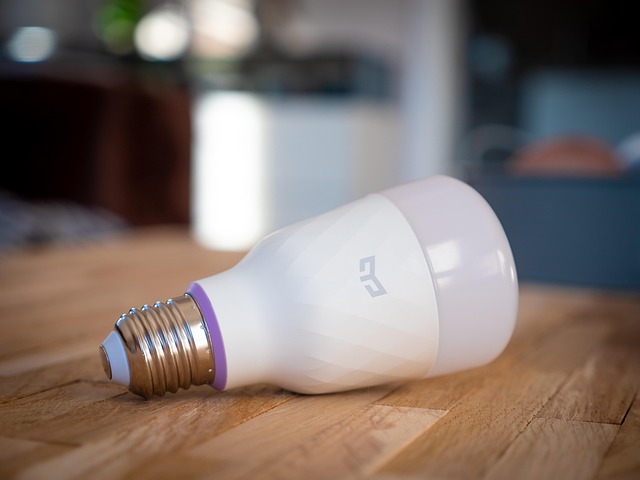
Ever felt that familiar pang of frustration when your smart thermostat won't sync with your lighting, or your security camera demands yet another proprietary app? You're not alone. For years, the promise of a truly 'smart' home often felt more like a patchwork of incompatible gadgets and endless troubleshooting. It was messy. It was complicated.
But something big is happening. We're witnessing a pivotal shift, moving beyond mere connected devices to a genuinely integrated living experience. This isn't just about fancier appliances; it's about fundamental changes in how these systems interact, learn, and serve us. So, what's really fueling this acceleration in new trends in smart home gadgets right now?
One of the biggest drivers? Interoperability. For too long, device ecosystems were walled gardens. Now, standards like Matter are breaking down those barriers. It's a game-changer. We're seeing devices, like robot vacuums that now natively support Matter, signaling a future where compatibility issues become a relic. You buy a gadget, it just works with everything else. That's the goal.
Another massive force is the rapid evolution of Artificial Intelligence and machine learning. Smart homes are getting smarter, learning your routines, anticipating needs, and proactively managing your environment. Think less "voice command" and more "ambient intelligence." We're talking about AI agents that manage service delivery, much like Nitro by Rocketlane in the service sector, but applied to your home. This level of predictive analytics transforms how we interact with our living spaces. It even extends to pervasive AI, with things like ChatGPT on CarPlay showing how AI is becoming an always-on, hands-free assistant everywhere, not just in your living room.
Then there's the focus on user experience (UX) and intuitive design. Tech companies understand that complexity kills adoption. People want simplicity. They want devices that fade into the background, seamlessly enhancing daily life without demanding constant attention. This shift towards 'invisible tech' is gaining serious traction, making smart home systems accessible to a much broader audience than ever before.
The true power of smart home technology isn't in its individual components, but in the seamless, intelligent orchestration of those components to create a truly responsive living environment.
Finally, we can't ignore the underlying infrastructure and investment. The broader real estate sector, for instance, is increasingly recognizing the value of integrated smart living. While specific investment can vary, even administrative filings like those from PRAIRIE HOME APARTMENTS, LLC, though not direct gadget funding, hint at the growing organizational engagement with the concept of 'home' as a dynamic, technologically-enhanced space. It's about building smart from the ground up, not just adding gadgets after the fact. This comprehensive approach, paired with advancements in sensor technology, robust data security protocols, and more efficient energy management systems, is pushing smart homes into their next exciting phase.
Which New Smart Home Gadgets Are Redefining Living?
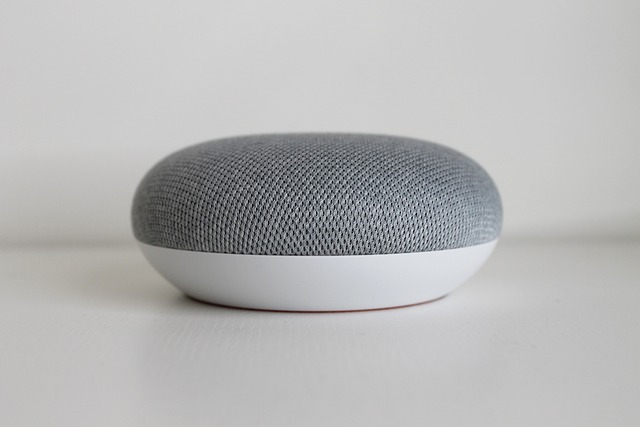
Alright, so we're past the conceptual stage of building smart from the ground up. Now, let's talk brass tacks: what specific new trends in smart home gadgets are actually redefining how we live, not just in theory, but right now?
One major area seeing significant upgrades is autonomous maintenance. Think beyond basic robot vacuums. We're seeing devices that map your home with incredible precision, learn optimal cleaning paths, and even self-empty for weeks on end. It's about reducing friction. Take, for instance, the buzz around products like the Matic robot vacuum now supporting Matter, as reported by The Verge. This isn't just a vacuum; it's a step towards true interoperability and seamless integration with your existing smart home ecosystem. Matter is a big deal for simplifying device setup and ensuring they all play nice together.
But it's not just about keeping things clean. We're seeing a push towards ambient computing where technology fades into the background, anticipating your needs. This means smarter sensors everywhere. We're talking about advanced radar-based presence detection that knows if you're in a room, not just if there's motion. These aren't just for turning lights on; they can optimize climate control, trigger security protocols, and even monitor elderly family members with privacy in mind. It's about data-driven comfort and safety.
Energy management systems are also getting a serious upgrade. Smart thermostats have been around, sure, but the new generation integrates with grid demand, solar panels, and even your electric vehicle charging schedule. They're predictive, learning your habits and external factors to minimize consumption without sacrificing comfort. This isn't just about saving a few bucks; it's about building truly sustainable living spaces.
Security and privacy remain top-of-mind, and the gadgets reflect that. We're seeing more edge AI processing in smart cameras and doorbells, meaning less data needs to be sent to the cloud. This improves responsiveness and enhances privacy. Biometric access control, beyond just fingerprints, is becoming more sophisticated. Your smart home is becoming a fortress, but one that's easy for you to manage.
The real shift isn't just in individual gadgets, but in how seamlessly they connect and anticipate. It's about a cohesive living experience, not a collection of disparate devices.
This comprehensive approach to smart living isn't going unnoticed by investors either. Major players are putting capital into the infrastructure that supports these advanced living spaces. We're seeing significant investment, like the EQT Real Estate Europe Living II (No.1) SCSp fund, which suggests a broader commitment to developing future-proof residential environments. They're betting on the future of integrated, smart living.
Building these sophisticated, interconnected smart home products requires deep technical expertise and a solid product strategy. If you're looking to understand the mechanics behind developing such innovative solutions from concept to market, you'd find a lot of value in exploring how to effectively design and launch successful software products that capture market demand. These smart home systems are, after all, complex software-driven devices.
So, what's next? Expect even more predictive capabilities, greater focus on wellness integration – think air quality sensors that prompt purifiers, or lighting that adjusts to your circadian rhythm. The future of smart homes isn't about flashy new buttons; it's about intelligent environments that truly understand and adapt to us.
How Are Smart Home Brands Achieving Product-Led Growth?
So, how exactly are these smart home brands achieving growth in such a competitive space? It’s all about product-led growth (PLG), plain and simple. We’re talking about a fundamental shift in how companies acquire, retain, and expand their customer base, especially with the best new gadgets constantly hitting the market. The product isn't just a thing you sell; it’s your primary growth engine.
For smart home companies, this means designing experiences where the product itself drives adoption. Think seamless setup. Immediate value. Users should be able to get their smart thermostat or lighting system up and running, understanding its benefits, without needing a lengthy manual or a sales call. It's about letting the technology speak for itself. That initial 'aha!' moment? It's everything.
A big part of this strategy involves continuous innovation. We’re seeing a rapid evolution in what these devices can do. Over-the-air updates bring new features, improving the user experience long after purchase. AI integration is key. Take something like Meta's latest AI glasses; they aren't just gadgets. They're smart extensions of our personal environment, showcasing how AI is pushing boundaries for intuitive, product-driven interactions. This emphasis on AI isn't limited to consumer devices. Even in the B2B space, you see things like KREV's AI creative agents for e-commerce, showing how AI is becoming a core product feature across the board, driving utility and engagement.
The smartest smart home products aren't just reacting to commands; they're anticipating needs, learning user habits, and adapting the environment autonomously. That's the real differentiator for product-led growth in this sector.
Smart home brands are also focusing on building robust ecosystems. Interoperability is huge. Your smart lights need to talk to your smart speaker, which needs to talk to your security system. When everything works together seamlessly, it enhances the overall product experience, making it stickier for users. This reduces friction and makes expanding their smart home setup feel natural, not like a chore. Speaking of getting users onboarded effectively, it's worth considering the different approaches. We've got a great piece on how to choose between product-led and high-touch onboarding strategies that really digs into when each works best.
And don't forget the underlying financial currents. Even smaller players like Natuur Brands Inc. are making SEC filings, indicating continuous activity in the market. The smart home sector is dynamic, with constant investment and innovation driving these new trends in smart home gadgets and the growth marketing strategies behind them. It's an exciting time to be in this space.
What Makes Smart Home Users Truly Satisfied?

So, we've talked about the market's hustle – the investment, the innovation, all those new trends in smart home gadgets pushing boundaries. But at the end of the day, what really keeps users happy? What makes someone stick with a brand or recommend a product, rather than tossing it in a drawer?
It's not just about flashy features, you know. It’s about the whole experience. From my seat, after seeing countless products come and go, satisfaction boils down to a few core pillars:
- Reliability. Period. If a smart light doesn't turn on when you tell it to, or a smart lock glitches, frustration sets in fast. Users expect these devices to work, every single time. There's no room for "sometimes." It's a foundational expectation, not a bonus.
- Seamless Integration and Simplicity. This is huge. Nobody wants to be a tech support expert just to get their thermostat talking to their security camera. The push for standards like Matter is a direct response to this need. It's why we're seeing news like The Verge highlighting a favorite robot vacuum now supporting Matter. That kind of interoperability is a game-changer for user experience. It makes building a cohesive smart home ecosystem less of a headache and more of a pleasure.
- Perceived Value. Is it saving them time? Money? Offering peace of mind? If a smart appliance isn't delivering a tangible benefit, it quickly becomes an expensive paperweight. Users are getting smarter about their purchases; they want to see the ROI, whether that's through energy savings, enhanced security, or pure convenience.
- Privacy and Security. This one's non-negotiable. With more devices collecting data about our homes and habits, trust is everything. A single breach or even a perceived vulnerability can shatter user confidence. Companies that prioritize and clearly communicate their privacy protocols win big here.
- Future-Proofing and Innovation. Users want to feel like they're buying into a system that will evolve, not become obsolete next year. The constant buzz around "The Best Gadgets of March 2026" isn't just about novelty; it’s about the promise of better, smarter solutions that integrate smoothly into their existing setup. They're looking for ongoing software updates, new features, and compatibility with future devices.
Ultimately, smart home satisfaction isn't about owning the most gadgets. It's about feeling empowered, secure, and having a home that genuinely makes life easier without adding complexity.
McKinsey & Company reports consistently show that user experience, especially around ease of use and reliability, often outweighs raw feature count in driving long-term loyalty. It's about delivering on the promise of "smart" without making users feel dumb. That's the sweet spot.
What's Next for Smart Homes: Innovations & Predictions?
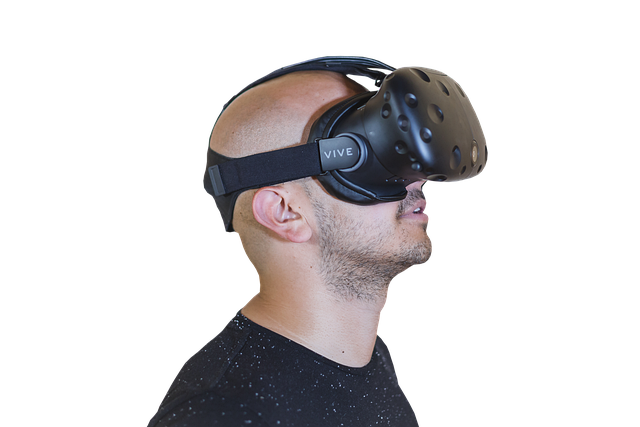
So, we’ve talked a lot about what’s coming down the pipe for smart homes. The core takeaway? It’s not just about flashy new gadgets anymore. We're seeing a clear pivot towards systems that truly integrate, making your home feel more intuitive, almost prescient. Think about it: the industry's moving past individual devices to a cohesive ecosystem. That’s where the real value lies, right?
Interoperability is a huge part of this shift. We're finally getting closer to a world where everything just works together, no fuss. Seeing things like robot vacuums supporting Matter isn't just a niche update; it signals a broader commitment to open standards. And when you look at security, the advancements are equally significant. Nuki adding Apple Home Key to its smart locks? That’s about convenience and peace of mind, rolled into one slick package. These are the new trends in smart home gadgets that really matter for user adoption.
The future of smart homes isn't about adding more complexity; it's about intelligent simplification. It’s about technology fading into the background, enhancing life without demanding constant attention.
Investment in this space continues to flow, too. Companies like Boost Innovations Inc. are securing funding, showing that investors are betting on this future of integrated, user-centric tech. It's a clear signal that the market believes in the potential of these smarter living spaces.
What does this mean for you, whether you’re an early adopter or just dipping your toes in? It means demanding more from your smart home tech. Look for products that promise genuine ease of use, strong privacy controls, and seamless integration with your existing setup. Don’t settle for a collection of disconnected widgets. Instead, build a home that truly understands you. That’s the smart play.