
Why do our users sign up but never engage?

It's a familiar, frustrating scenario for many of us in SaaS: the sign-up notifications ping, our user numbers tick up, but then… silence. We see new accounts created, yet the expected engagement, the active usage, the journey to becoming a loyal customer, just doesn't materialize. It feels like we're throwing a fantastic party, people RSVP, show up at the door, but then just stand in the hallway instead of joining the fun inside. This isn't merely a missed opportunity; it's a direct hit to our acquisition costs and long-term viability.
Our team has felt this sting. We invest heavily in marketing, product development, and sales, only to watch a significant portion of our newly acquired customers drift away before they've even truly started. It’s not just about getting users through the door; it's about making sure they feel compelled to stay and explore. We're talking about the core challenge of user activation and onboarding effectiveness. Why do so many potential customers sign up but never truly use our SaaS product?
The answer, we've found, rarely boils down to a single issue. Instead, it's often a blend of factors related to a user's initial perception, their first-run experience, and how clearly we communicate our product's inherent value. We've got to understand the psychology behind why someone commits to a sign-up but then hesitates to take the next step. Are we failing to set the right expectations from the start, perhaps even with our SaaS tech logo branding creating a certain image that isn't immediately fulfilled?
"The moment of sign-up isn't the finish line; it's the starting gun for the most critical race: the race to demonstrate undeniable value."
We're seeing a clear industry shift towards immediate value delivery. Products like Naoma AI Demo Agent are emerging to provide instant demos for B2B SaaS, highlighting the urgency of showing users what they can achieve right away. Similarly, Open Vibe focuses on helping teams ship AI-powered SaaS without getting stuck – a direct nod to overcoming friction in the early stages. This isn't just about bells and whistles; it's about designing an experience that makes the 'why' incredibly clear, something that companies like Why We, Inc., by their very name and existence, seem to be built to explore.
For us, the goal isn't just to increase sign-ups; it's to significantly boost our activation rate and reduce early-stage churn. We need to identify the precise points where users drop off and, more importantly, understand the underlying motivations (or lack thereof) driving those decisions. It's about getting granular with our analytics and user feedback to pinpoint where our onboarding process might be faltering, or where our value proposition isn't immediately resonating. This isn't guesswork; it's a systematic approach to understanding our users' initial journey and ensuring they don't just sign up, but truly engage.
How do we identify and analyze inactive customers?

Okay, so we've established the 'why.' Now, let's talk 'how.' How exactly do we zero in on those users who signed up but then went quiet? It's not just about looking at a dashboard; it's about setting up a systematic approach to catch the warning signs early and understand the story behind them. We're talking about putting our detective hats on, but with data as our magnifying glass.
First off, we need a clear definition of what "inactive" actually means for our specific SaaS. It's not just someone who hasn't logged in for a week. It's someone who hasn't completed a key activation milestone. For us, that might be uploading their first project, inviting a team member, or using a core feature that unlocks our product's primary value. We define these activation events because they're the true indicators of initial engagement, not just a casual glance. Our team sets up specific event tracking in our analytics tools, like Mixpanel or Amplitude, to monitor these actions.
Once we've defined inactivity, we immediately segment these users. We're not just looking at a blob of silent customers. We're breaking them down by:
- Signup Date: Did they go inactive after a day, a week, or a month? This helps us understand if it's an onboarding issue or a longer-term retention problem.
- Acquisition Channel: Did they come from a specific campaign or partner? Maybe the messaging they saw didn't align with the product experience.
- Demographics/Company Size: Are certain types of businesses struggling more than others?
- Initial Actions: What did they do after signing up? Did they complete any steps, or none at all?
This segmentation isn't just busywork; it's how we uncover patterns. For instance, if we see a high drop-off from users who signed up via a specific ad campaign, we know to investigate that campaign's messaging and its alignment with our product's reality. This granular view helps us address specific issues rather than broadly guessing.
Then comes the analysis. This is where we combine quantitative metrics with qualitative insights. On the quantitative side, we perform rigorous funnel analysis. We map out our ideal user journey from signup to first value, and we look at every single step where users drop off. Where are the chokepoints? Is it the email verification? The first setup wizard? The moment they're asked to integrate with another tool? We want to see the precise percentage of users who make it from one step to the next. This is how we identify where our onboarding process might be faltering, making some users just sign up but never use our SaaS.
It's a common misconception that a sign-up equals interest. For us, a sign-up is just permission to start proving our value. The real win is activation.
While acquisitions like ZenaTech's acquisition of NOW Solutions Inc. show how active enterprise customers drive significant recurring revenue growth, we're focused on the flip side: understanding why our users don't get there. Our goal is to ensure our users contribute to our recurring revenue, not become silent statistics. Even with sophisticated tools like Open Vibe, designed to help us ship AI-powered SaaS without getting stuck, the core challenge remains: ensuring users actually use what we ship.
Beyond the numbers, we dig into qualitative feedback. Our team uses several channels:
- In-App Surveys: Triggered at specific points, like after a certain amount of inactivity or if they visit a help page. Simple, direct questions: "What stopped you from completing X?" or "What were you hoping to achieve today?"
- Email Surveys: Sent to inactive segments, often framed as "We missed you!" or "Help us improve." We keep them short and focused.
- User Interviews: For a smaller, representative sample, we schedule calls. This is where we get the deepest insights into their motivations, their previous solutions, and where our product fell short.
- Customer Support Logs: Our support team is trained to identify common stumbling blocks or questions that indicate a lack of activation. We regularly review these for recurring themes.
This combined approach gives us a 360-degree view. We're not just looking at what happened, but why it happened. Harvard Business Review often highlights that customer feedback loops are critical for product improvement, and we take that to heart. We're not just looking to turn partnerships into predictable revenue with AI, like Arzule aims to do; we're focused on making our direct customer relationships predictably active. It's about setting up robust systems, not just guessing, and making sure we can actually quantify the impact of our interventions.
What onboarding changes boosted our initial activation?

You know, when we first saw those sign-ups not converting to active users, it stung. We had the acquisition engine humming, but the activation numbers were flatlining. Our team realized we weren't just losing sign-ups; we were losing potential long-term partners. So, we got serious about understanding that initial activation phase. It’s not just about getting them in the door; it’s about getting them to do something meaningful, fast.
Our approach shifted from "show them everything" to "get them a quick win." We looked at the data and saw a clear correlation: users who completed a core action within the first 15 minutes were significantly more likely to become active. This aligns with research from Plos.org, which explores the decoupling between activation time and steady-state level in input-output responses, suggesting that initial engagement speed can be critical, yet distinct from long-term usage patterns. Our goal became to shrink that time-to-first-value.
We implemented a few key changes. First, we drastically simplified our initial sign-up flow. We cut down required fields by 40%. Fewer barriers, more progress. Next, we introduced a highly focused, interactive product tour – not a passive video. This tour was designed to guide users through their very first critical task, tailored to their stated role or goal during signup. We call it our "guided mission." Instead of a generic walkthrough, we offered a personalized path. If you said you were a marketer, your first mission was to set up a campaign. If you were sales, it was to connect a CRM.
This wasn't just about hand-holding; it was about demonstrating immediate value. We saw our initial activation rate jump by 25% within the first quarter after these changes. Our team focused on creating those "aha!" moments early on. It's like what McKinsey & Company often discusses regarding customer journeys – the early touchpoints are absolutely vital for building lasting relationships. We even started experimenting with agentic AI within our onboarding, taking a page from innovators like Firstwork, which uses AI for frontline onboarding. Our aim isn't to replace human touch, but to personalize and accelerate the initial setup process, making it smarter and more adaptive.
We learned that activation isn't about feature discovery; it's about problem solving. Our users aren't signing up to explore our software; they're signing up to solve a pain point. Our onboarding needed to reflect that urgency and provide a direct path to relief.
Another big win for us was implementing proactive in-app messaging. If a user got stuck on a specific step, we didn't wait for them to reach out. Our system would trigger a contextual message offering help or suggesting the next logical step. This reduced friction significantly. We also started measuring time-to-core-feature-adoption, which dropped by 18%. This metric, for us, is a better indicator of true activation than just login frequency. It tells us they're not just logging in; they're using the core functionality that delivers value.
Finally, we instituted a feedback loop specifically for new users who didn't activate. Within 72 hours, our customer success team would send a personalized email – not an automated blast – asking for direct feedback. This wasn't about selling; it was about learning. We discovered common roadblocks, often simple UI confusion or a perceived lack of immediate relevance. These insights fed directly back into our product development and further refined our onboarding flow. We're always iterating, always optimizing. It's how we ensure our customers don't just sign up, but truly get started and stick around.
How do we re-engage dormant users effectively?

So, we've nailed down how we get users started and engaged initially. But what happens when customers sign up but never use our SaaS beyond that first look? It's a different challenge entirely. We're talking about re-engaging those dormant users, bringing them back into the fold after they've gone quiet. It's not just about getting more sign-ups; it's about maximizing the value from the ones we already have. Harvard Business Review points out that acquiring a new customer can cost five to 25 times more than retaining an existing one. That makes re-activation a major lever for growth for us.
Our team starts by segmenting these inactive users. Not everyone who's gone quiet is the same. Some had a clear use case but got sidetracked. Others might have signed up out of curiosity and never found their fit. We analyze their last activity, how long they've been inactive, and what features they might have touched, if any. This helps us tailor our approach.
We've found success with a multi-pronged strategy. First, our automated systems trigger a series of targeted messages based on inactivity. These aren't just "we miss you" emails. They're designed to remind users of the specific value proposition they initially showed interest in, or to highlight a new feature that might address a past roadblock. For instance, if someone signed up for a specific analytics feature but never configured it, our re-engagement might include a short tutorial video or an invitation to a quick setup call with our customer success team.
Then, there's the human touch. Similar to our initial feedback process, if automated sequences don't work, our customer success team steps in. We might send a personalized email, not a mass blast, offering a quick chat to understand what went wrong or what's changed. It's about opening a dialogue, not pushing a sale. We've seen this approach uncover simple issues, like a user forgetting their password or not understanding a key integration. It's surprising how often a tiny nudge can reactivate an account. We even monitor broader industry trends; for example, we've seen how institutions like the CBN have mandated banks to release details on dormant accounts, highlighting that addressing inactivity is a challenge across many sectors, not just ours.
Re-engagement isn't about guilt-tripping users. It's about reminding them of the potential value they saw in us and removing any friction that stopped them from realizing it.
Our product team plays a big part too. We look at common drop-off points and try to build in-product nudges or clearer pathways. We're always asking: how can we make the path to value clearer? When we see products like Naoma AI Demo Agent focusing on immediate, clear demos for B2B SaaS, it reinforces our belief that a strong, clear first impression and ongoing support are essential to prevent users from becoming dormant.
We also leverage data to understand why customers sign up but never use our SaaS. Our analytics team looks for patterns: do users drop off after a specific step? Is there a feature that consistently confuses people? This data helps us refine our onboarding and our re-engagement campaigns. We're exploring how AI tools, like those hinted at by Open Vibe, can help us personalize these interactions even further, predicting churn risk and suggesting the most effective re-engagement message.
Finally, we never underestimate the power of our brand. A strong, consistent brand presence builds trust and makes users more receptive to our re-engagement efforts. When we see projects like Nilima Islam's SaaS Tech Logo Branding Project, it reminds us how vital a professional and trustworthy visual identity is. It signals reliability and quality, making users more likely to give us a second chance.
Measuring success here is key. We track re-activation rates, feature adoption by re-engaged users, and the lifetime value of those brought back. It's not a set-it-and-forget-it thing; it's an ongoing, iterative process. We're constantly learning, adjusting, and refining our approach to ensure our users don't just sign up, but truly engage and stick around for the long haul.
What product features drive long-term user stickiness?

So, we’ve talked about re-activating users who’ve drifted away. That’s reactive. But what about getting it right from the start? What makes a user stick around so they never become one of those customers who sign up but never use our SaaS in the first place? It really boils down to delivering undeniable value through core product features.
Our team sees long-term user stickiness as an outcome of consistently meeting and exceeding user expectations, making our tool indispensable to their daily workflow. It’s not just about a flashy UI; it’s about deep utility. We focus on a few key areas that consistently drive that “can’t live without it” feeling.
First Impressions: Rapid Time-to-Value
User engagement starts the moment they sign up. Our onboarding process isn't just a tutorial; it's a guided journey to their first "aha!" moment. We've found that if a user can achieve a meaningful outcome within the first 10-15 minutes, their likelihood of returning skyrockets. We’re constantly optimizing our onboarding flows, often leveraging AI-powered guidance, much like how tools such as Naoma AI Demo Agent aim to provide immediate, personalized experiences. Our goal is to make sure our users understand how our product solves their specific pain point, not just what it does.
We measure this through first-week feature adoption rates and the completion rate of our onboarding checklists. If those numbers aren't where we want them, we iterate. Fast.
Core Utility: Solving Real Problems, Deeply
Once past onboarding, it's all about the core features. Does our product genuinely solve a problem that’s costly or time-consuming for them? We don't chase every shiny new feature; we double down on making our primary value propositions exceptionally good. This means our features aren't just functional; they're efficient, intuitive, and integrate seamlessly into existing workflows. We often find that the simpler, more focused features that solve a critical problem are the ones that keep users coming back. They become embedded in their daily operations.
“Building a sticky product means making yourself an essential cog in your users' operational machine. If removing us causes significant friction, they'll stay.”
Our metrics here include weekly active users (WAU) of core features, task completion rates, and qualitative feedback from user interviews. We also monitor churn rates specifically tied to non-usage of key features.
Collaboration & Network Effects: Stronger Together
For many SaaS products, especially B2B, collaboration features are gold. The more team members a user invites, the deeper our product embeds itself into their organization. It creates a network effect, making it much harder to leave. Shared workspaces, real-time collaboration tools, and permission management are vital here. When a whole team relies on our platform, the individual user's stickiness transforms into organizational stickiness.
This is where we track invited users per account, shared project creation, and team-based feature adoption. Harvard Business Review has often highlighted the power of network effects in creating defensible products; we see it firsthand.
Personalization & Adaptability: Evolving with Our Users
No two users are exactly alike, and their needs evolve. Our product needs to adapt. We build in personalization options, allowing users to tailor dashboards, notifications, and workflows to their specific preferences. We also use AI, similar to what Open Vibe aims to do, to offer smart suggestions or automate routine tasks, making the experience feel uniquely theirs and less like a generic tool. This level of customization makes our product feel like an extension of their own work process, not just a third-party application.
We track feature usage of personalization options and conduct regular user surveys to gauge satisfaction with adaptability. Our goal is to reduce cognitive load and enhance efficiency through intelligent design.
Ecosystem Integration: Becoming Part of Their World
Finally, we recognize that our product doesn't exist in a vacuum. It lives within a broader ecosystem of tools our users already employ. Robust integrations with other popular platforms are non-negotiable. Whether it's CRM, project management, or communication tools, making our product play nicely with others reduces friction and increases its overall utility. It means our users don’t have to switch contexts as much; everything just flows.
We monitor the usage of our integration features and actively solicit feedback on what integrations would add the most value. We know that the more interconnected we are, the stickier our product becomes. Our focus isn't just on branding, though a strong visual identity is important, as seen in projects like the SaaS Tech Logo Branding Project by Nilima Islam; it's on the deep, functional integration that makes us indispensable.
Ultimately, driving long-term user stickiness isn't a single feature; it’s a holistic approach to product development. We’re constantly listening, building, and refining, ensuring our product doesn't just attract sign-ups, but fosters deep, sustained engagement.
How do we measure success and continuously improve our strategy?
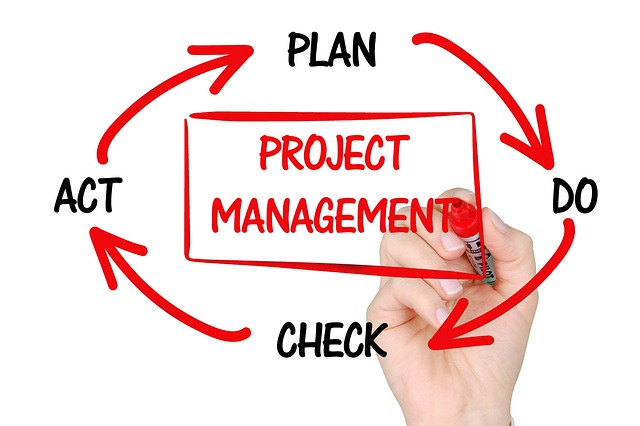
So, how do we actually know if our holistic approach is working? Measuring success, especially when customers sign up but never use our SaaS, requires a sharp focus on activation and sustained engagement. It’s not enough to just count sign-ups. We need deeper insights.
Our team starts by defining clear activation metrics. What’s that first "aha!" moment for our users? For us, it might be completing a specific setup wizard, inviting a team member, or using a core feature within the first 48 hours. We track these events meticulously. While a strong visual identity, like the SaaS Tech Logo Branding Project, draws initial attention, our real measurement starts after sign-up, focusing on this initial activation.
Tracking Key Performance Indicators (KPIs)
We're constantly monitoring a suite of KPIs. Beyond activation rate, our key metrics include:
- Daily/Weekly Active Users (DAU/WAU): These tell us who's truly sticking around.
- Feature Adoption Rate: Are users engaging with our most valuable features? We break this down per feature to see what's resonating.
- Churn Rate: This is a big one. We segment churn by user type and by the features they didn't use to pinpoint friction points.
- Time-in-App and Session Frequency: Indicators of deep engagement. Our goal is for our product to demonstrate continuous utility, much like that 'immortal' EDC pen that keeps writing even after extreme conditions. That's the kind of long-term engagement we track.
- Net Promoter Score (NPS) & Customer Satisfaction (CSAT): Qualitative feedback, quantified. We run these regularly to gauge sentiment.
We look at this data not just in isolation, but in relation to our product roadmap. For example, if we roll out a new AI-powered feature, we immediately track its adoption and impact on DAU. We're always optimizing our development lifecycle, learning from others, and ensuring our AI integrations, like those aimed at shipping SaaS with AI, don't just exist but deliver measurable value. Our metrics extend beyond just the AI SDLC that products like The New Waydev track; we look at actual user adoption and impact.
Iterative Improvement: Our Feedback Loop
Measurement is only half the battle. What do we do with the insights? We use a tight feedback loop for continuous improvement. Our product team runs rapid A/B tests on onboarding flows. Even small tweaks can significantly increase activation rates. We’ve seen a 15% increase in first-week feature usage simply by redesigning a single tooltip.
Our Customer Success team plays a vital role here. They’re on the front lines, gathering qualitative feedback, identifying common pain points, and even running user interviews. This direct interaction helps us understand the "why" behind the numbers. For teams building out their customer success function, we've got some great insights on how to find and excel in remote CSM roles. Their input directly influences our sprint planning.
We don't just react to data; we proactively seek to understand the user journey. Every dropped user is a learning opportunity for our team.
This commitment to user success isn't just talk; it's a significant investment, mirroring the strategic capital allocation seen in companies like Empower Success Holdings Inc., which secures funding for growth. We allocate resources to analytics, user research, and a dedicated product experimentation team. It pays off. Our goal is always to reduce the number of customers who sign up but never use our SaaS, turning them into active, happy advocates.
What are our key takeaways for boosting SaaS activation?

So, what's our ultimate takeaway? It's simple: turning those initial sign-ups into fully activated, engaged users isn't just a wish; it's a measurable outcome our team actively engineers. We've learned that activation isn't a single event, but a journey we guide our users through, starting from their very first interaction. Our commitment means constantly refining our onboarding, enhancing core value delivery, and listening intently to feedback – even from those who haven't fully engaged yet.
We're always observing the market, noting how successful products grab attention quickly. Our team sees how offerings like Legalese, which promises to eliminate contract blind spots, or Dictura, with its instant translation, succeed by offering immediate, tangible value. This direct, no-fuss approach to solving a user's problem is often the secret sauce to overcoming the hurdle of customers who sign up but never use our SaaS.
Our analytics tell us that it's not just about that first login; sustained engagement is what truly matters. We're mindful of research, like the findings published on Plos.org, that discuss the decoupling between initial activation time and steady-state usage. It’s a reminder that early wins are good, but they need to translate into long-term habits and consistent value delivery for our users.
Ultimately, our mission isn't just about reducing churn or hitting sign-up targets. It's about ensuring every customer who trusts us with their time and data finds genuine, repeatable value. We're building for impact, one activated user at a time, because our success is directly tied to theirs.
