
 SaaS Metrics
Best E-Ink Tablet 2026: Expert Choices for Reading & Notes
As of April 2026, the digital world continues its rapid evolution, yet the demand for focused, eye-friendly technology remains stronger than ever. For readers, writers, and thinkers seeking a distraction-free experience, the e-ink tablet stands alone. Unlike traditional LCD or OLED devices, e-ink displays mimic the look and feel of paper, offering exceptional readability and minimal eye strain. This comprehensive guide explores the best e-ink tablet 2026 options, providing expert insights to help you make an informed decision on your next digital companion.
The market for e-ink tablets has diversified considerably, moving beyond simple e-readers to sophisticated note-taking devices, digital sketchpads, and even lightweight productivity hubs. Manufacturers are pushing boundaries with color e-ink, faster refresh rates, and more intuitive software, making 2026 a particularly exciting year for this technology. We will break down the essential features, compare leading models, and discuss how these devices fit into modern workflows, ensuring you select a tablet that genuinely enhances your digital life.
Why E-Ink Tablets in 2026? The Enduring Appeal
In a world saturated with vibrant, backlit screens, the understated elegance of e-ink continues to captivate. E-ink technology offers a unique set of advantages that traditional tablets simply cannot replicate. These benefits are not just about nostalgia for paper; they are rooted in ergonomics, efficiency, and a philosophy of focused engagement.
Display Technology and Eye Comfort
The primary draw of an e-ink tablet is its display. E-ink screens use microscopic capsules containing positively charged white particles and negatively charged black particles. When an electrical field is applied, these particles move to the surface, creating an image. This process means the image remains on the screen without needing constant power, consuming energy only when the display changes. The result is a display that reflects ambient light, just like paper, making it incredibly comfortable to read for extended periods without the blue light emissions or flicker associated with conventional screens. For students, professionals who review documents for hours, or avid readers, this translates to significantly reduced eye fatigue and improved sleep quality, especially when used before bed.
As of 2026, advancements in e-ink technology have brought higher resolutions, improved contrast ratios, and faster page turns. Color e-ink, while still maturing, is becoming more vibrant and responsive, offering a compelling alternative for those who need color in their notes, diagrams, or digital comics without sacrificing the paper-like experience. These improvements ensure that the visual experience is not just comfortable, but also crisp and engaging.
Battery Life and Portability
One of the most impressive aspects of e-ink tablets is their battery life. Because power is primarily consumed only during screen refreshes, these devices can often last weeks on a single charge, not hours. This incredible efficiency makes them ideal companions for travel, long commutes, or any situation where access to power outlets is limited. Imagine taking a device on a two-week vacation and not needing to pack its charger – that is the reality of many e-ink tablets in 2026.
Furthermore, e-ink tablets are typically designed to be lightweight and slim, making them exceptionally portable. They are easy to slip into a bag, carry in one hand, and use comfortably for extended periods. Their robust construction often means they are more durable than their glass-fronted counterparts, ready for the rigors of daily use.
Note-Taking and Productivity Features
Beyond reading, modern e-ink tablets have evolved into sophisticated note-taking and productivity tools. Equipped with pressure-sensitive styluses, they offer a remarkably natural writing experience, often indistinguishable from pen on paper. Latency, once a concern, has been dramatically reduced in 2026 models, providing instant feedback as you write or sketch.
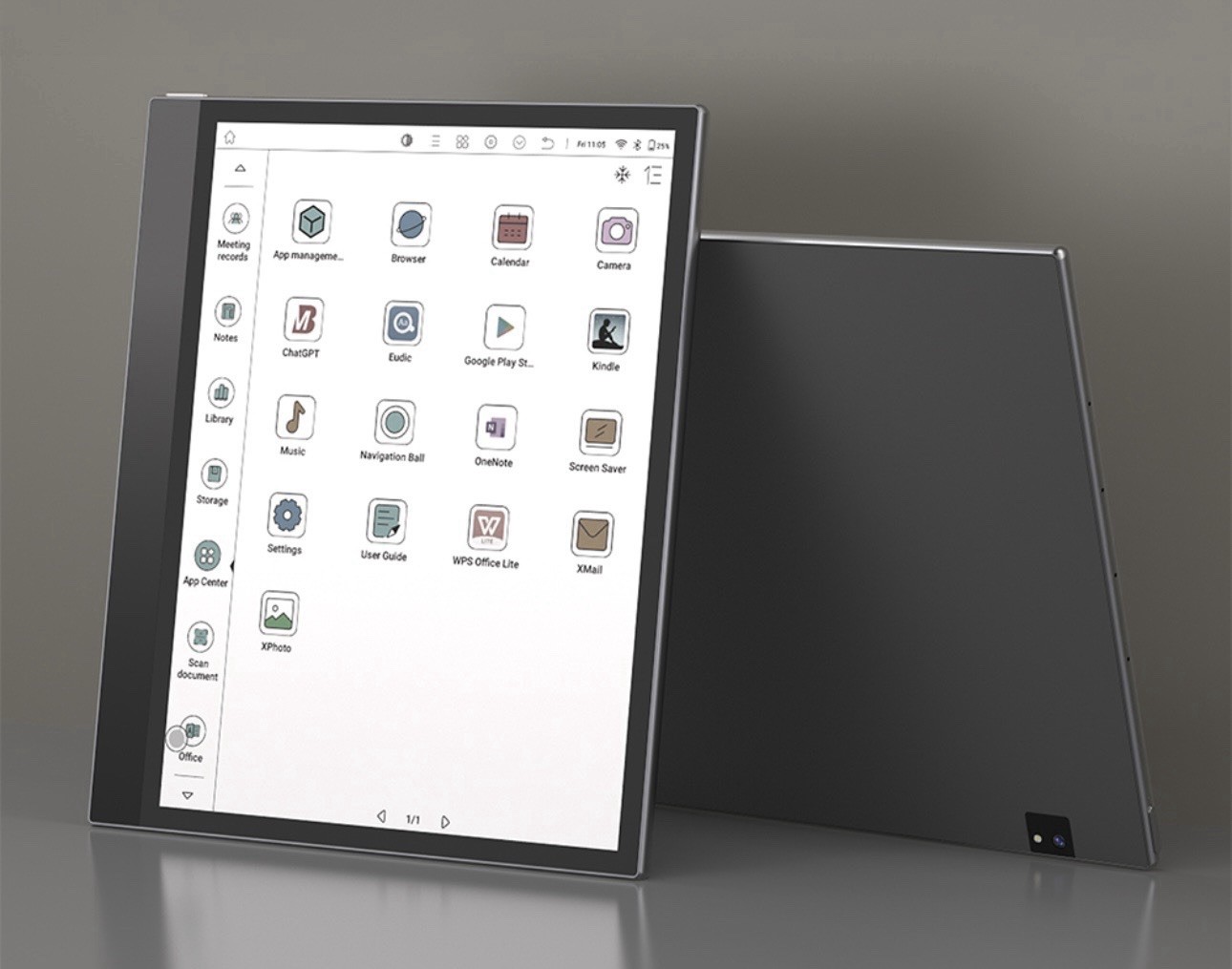
Many e-ink tablets now feature advanced organizational tools, cloud synchronization, and even the ability to convert handwritten notes to editable text. They support a wide range of document formats, allowing users to annotate PDFs, review presentations, and mark up reports directly on the device. For professionals and academics, this functionality transforms the e-ink tablet from a simple reader into a powerful, focused workstation. The RUERTU 10.3” Color E-Ink Writing Tablet Smart Notebook Android w/ Stylus Fullbox exemplifies this trend, offering an Android-based system with a stylus for a versatile writing and drawing experience.
Key Considerations When Choosing the Best E-Ink Tablet 2026
Selecting the ideal e-ink tablet requires a careful evaluation of your specific needs and priorities. With a growing number of models and features available in 2026, understanding the core differentiators is essential.
Screen Size and Resolution
E-ink tablets come in various screen sizes, typically ranging from 6 inches for compact e-readers to 13.3 inches for large document review and professional note-taking. A 6 to 7-inch screen is excellent for reading novels, offering maximum portability. For academic texts, PDFs, or serious note-taking, an 8 to 10-inch screen provides a better balance of portability and usable screen real estate. Larger 10 to 13-inch tablets are ideal for annotating A4-sized documents, sheet music, or digital art, minimizing the need for zooming and panning.
Resolution, measured in pixels per inch (PPI), directly impacts text sharpness and image clarity. Higher PPI values, such as 300 PPI, deliver exceptionally crisp text that closely resembles print. While lower resolutions might be acceptable for casual reading, a higher PPI is advisable for detailed work, such as technical drawings or complex diagrams.
Stylus and Writing Experience
For many users, the quality of the stylus and the writing experience are paramount. Look for tablets that offer a low latency stylus, meaning there is minimal delay between your pen stroke and its appearance on the screen. Pressure sensitivity is also important for varying line thickness and shading, which is particularly beneficial for artists or those who prefer expressive handwriting.
The feel of the stylus tip on the screen surface is another subjective yet important factor. Some tablets feature textured screen protectors or specialized coatings to mimic the friction of paper, enhancing the natural writing sensation. Consider whether the stylus requires charging or uses passive electromagnetic resonance (EMR) technology, which often means no charging is needed.
Operating System and App Ecosystem
While some e-ink tablets run proprietary operating systems focused solely on reading and note-taking, others, like the RUERTU tablet, are built on Android. Android-based e-ink tablets offer greater flexibility, allowing users to install third-party apps, including various e-reading platforms, cloud storage services, and productivity tools. This openness can be a significant advantage for users who want to integrate their e-ink tablet more deeply into their existing digital ecosystem.
However, an open Android system also means potential distractions and the possibility of apps not being optimized for e-ink displays. Proprietary systems, while more restrictive, often provide a highly optimized, streamlined experience tailored specifically for e-ink, which can lead to better performance and battery life for core functions.
Storage and Connectivity
The amount of internal storage determines how many books, documents, and notes you can store directly on the device. While e-books are typically small, extensive PDF libraries or large numbers of handwritten notes can quickly fill up storage. Many tablets offer expandable storage via microSD or TF cards, providing a cost-effective way to increase capacity. Connectivity options, such as Wi-Fi and Bluetooth, are standard for synchronization with cloud services, transferring files, and connecting accessories like keyboards or headphones. Some premium models in 2026 also offer cellular connectivity for on-the-go access.
Color E-Ink vs. Monochrome
The choice between color and monochrome e-ink is one of the most significant decisions in 2026. Monochrome e-ink offers superior contrast, sharper text, and is generally more affordable. It is perfect for text-heavy content, black-and-white images, and focused note-taking. Color e-ink, using technologies like Kaleido or Gallery, provides a spectrum of hues, making it suitable for graphs, charts, educational materials, and comics. While color e-ink displays have improved significantly, they typically have lower contrast for black text and can appear slightly less vibrant than traditional displays. The trade-off often involves a higher price point and sometimes a slightly less crisp black-and-white experience, but the added utility of color is undeniable for specific use cases.
Top E-Ink Tablets of 2026: Expert Recommendations
Based on performance, features, and user feedback as of April 2026, several e-ink tablets stand out. While specific model names can vary, we will focus on the key players and their offerings, including the RUERTU 10.3” Color E-Ink Writing Tablet.
For the Dedicated Note-Taker and Professional: The Remarkable and Onyx Boox Series
For those whose primary need is exceptional note-taking and document annotation, devices like the Remarkable 3 (hypothetical 2026 model, building on previous versions) and the Onyx Boox series remain top contenders. The Remarkable line is renowned for its unparalleled writing feel, often described as the closest digital experience to actual paper. Its minimalist interface fosters focus, and its cloud integration ensures notes are always accessible. The 2026 iteration is expected to further refine its software, potentially introducing more robust organizational features and improved PDF handling.
The Onyx Boox series, on the other hand, offers a more open and versatile Android-based experience. Models like the Boox Note Air 4 or Boox Tab Ultra C Pro (hypothetical 2026 models) combine high-resolution color e-ink displays with powerful processors, allowing for a wider range of apps and advanced multitasking. They are ideal for users who need to switch between reading, note-taking, and even light web browsing or email on an e-ink screen. The RUERTU 10.3” Color E-Ink Writing Tablet, with its Android operating system, aligns well with the versatility offered by the Onyx Boox line, providing a solid option for those seeking a balance of writing and app functionality at a competitive price point.
For the Avid Reader: Kindle Scribe and Kobo Elipsa Series
Amazon's Kindle Scribe and Kobo's Elipsa series continue to dominate the market for e-readers with note-taking capabilities. The Kindle Scribe, as of 2026, has likely expanded its software features, offering more notebook templates, improved organization, and perhaps deeper integration with Amazon's vast content ecosystem. Its large display is excellent for reading graphic novels or PDFs, and the included stylus provides a comfortable writing experience for annotations and journaling.
The Kobo Elipsa 2E (hypothetical 2026 model) focuses on an open ecosystem for e-books, supporting a wider range of formats and offering seamless integration with public library services. Its stylus and note-taking features are robust, making it a strong contender for readers who also frequently interact with their texts. Kobo's commitment to sustainability also makes it an attractive choice for environmentally conscious consumers.
Emerging Contenders and Budget-Friendly Options
Beyond the established brands, several new players and updated models are making their mark. The RUERTU 10.3” Color E-Ink Writing Tablet, priced at $199.00, represents a compelling option in the mid-range market. Its 10.3-inch color e-ink display and Android operating system offer significant value, particularly for users looking for a versatile device without the premium price tag of some competitors. The inclusion of a stylus and fullbox packaging ensures a complete out-of-the-box experience, making it a strong recommendation for those exploring color e-ink for the first time or seeking an affordable secondary device.
Comparison Table: Leading E-Ink Tablets (April 2026 Estimates)
| Feature | RUERTU 10.3” Color E-Ink Tablet | Onyx Boox Tab Ultra C Pro (Est. 2026) | Remarkable 3 (Est. 2026) |
|---|---|---|---|
| Display Type | 10.3” Color E-Ink | 10.3” or 13.3” Color E-Ink | 10.3” Monochrome E-Ink |
| Operating System | Android | Android | Custom Linux-based OS |
| Stylus Included | Yes | Yes | Yes |
| Primary Use Case | Versatile note-taking, reading, apps | Advanced productivity, color content, apps | Focused note-taking, document review |
| Estimated Price (USD) | $199.00 | $550-$700 | $399-$450 |
E-Ink Tablet Recommender & Comparison (2026)
Adjust your priorities to find the best e-ink tablet for your unique needs.
Your Priorities:
Top Recommendations:
E-Ink Tablets vs. Traditional Tablets in 2026
It is important to distinguish e-ink tablets from traditional LCD/OLED tablets, as they serve fundamentally different purposes and offer distinct user experiences. While both are digital devices, their core technologies and design philosophies diverge significantly.
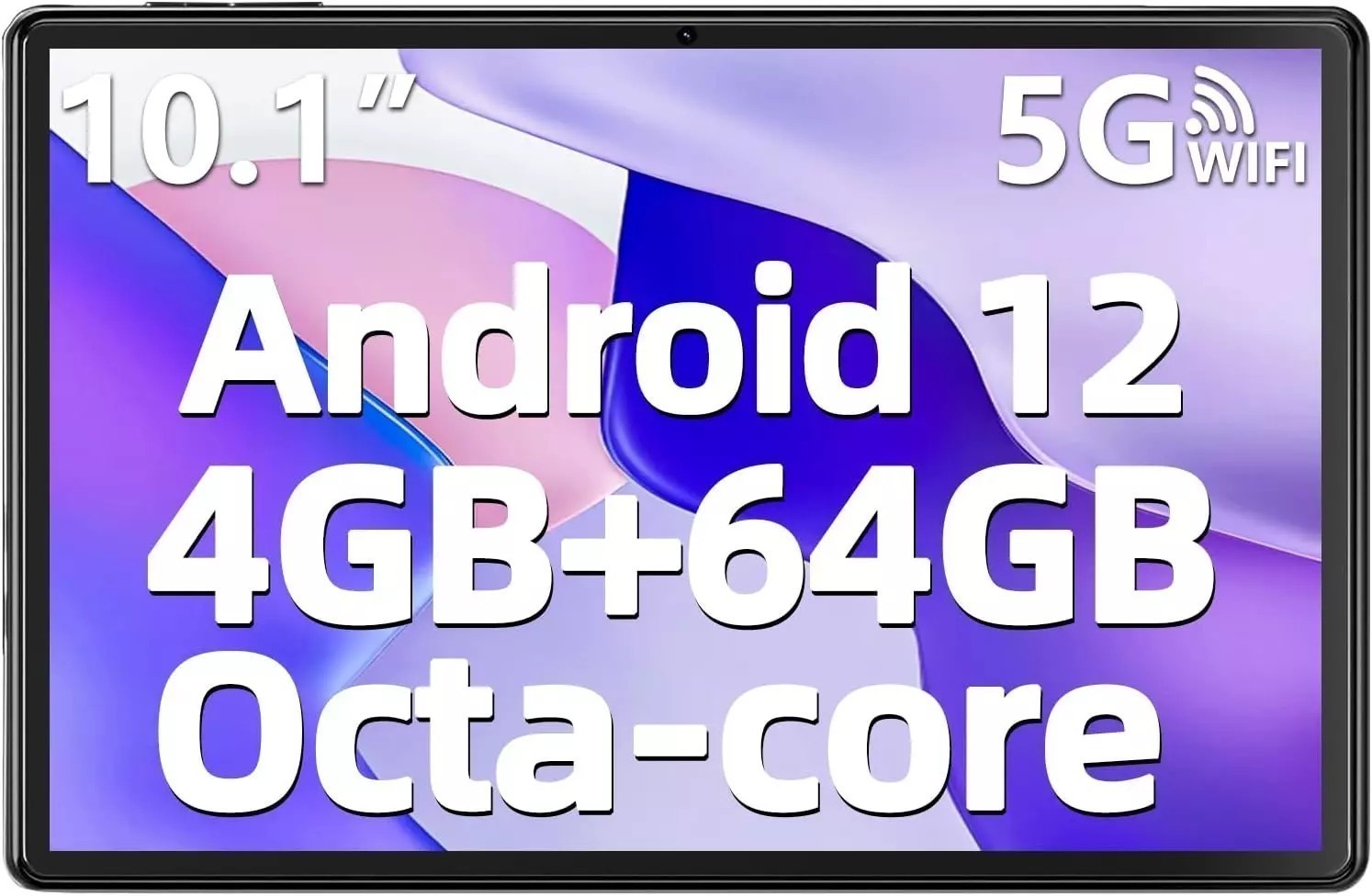
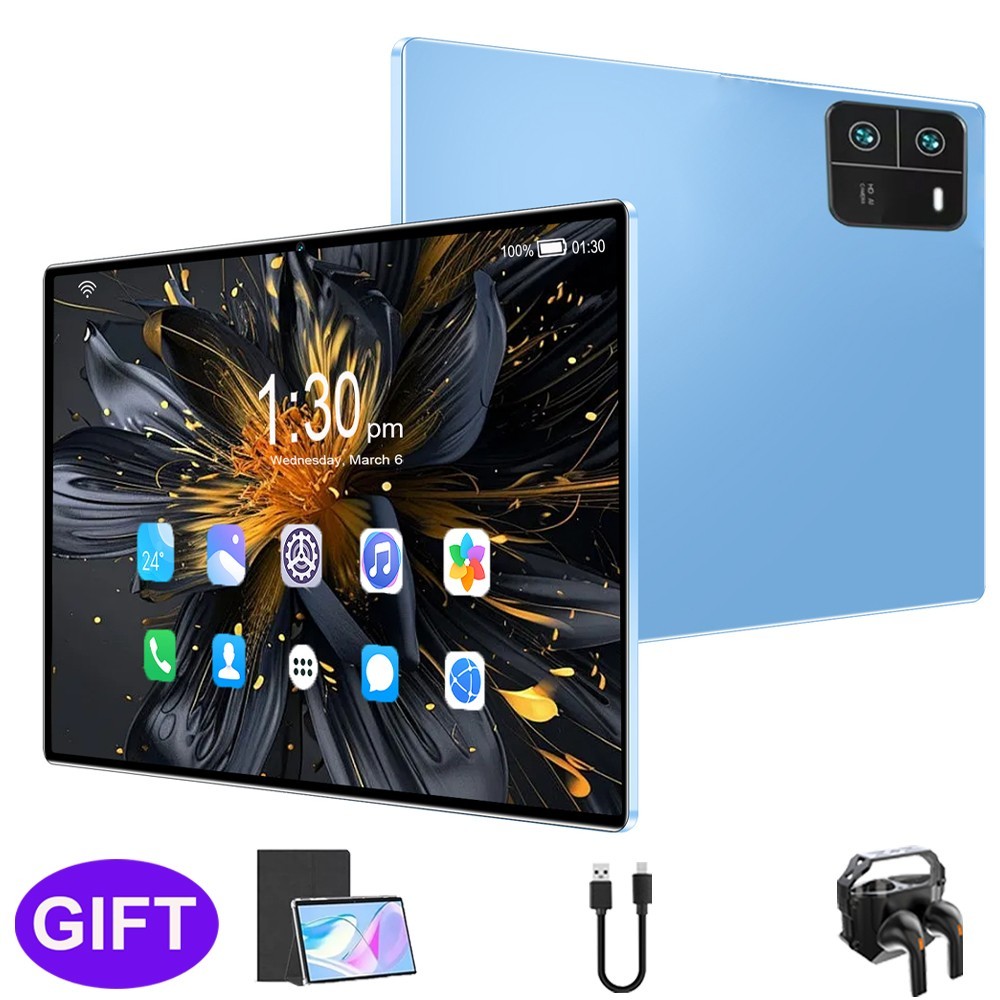
Traditional tablets, such as the 2026 Tablet 10 Inch Android 12 Tablet or the 2026 Newest Tablet Android 15 Tablet, boast vibrant, full-color displays with high refresh rates, making them ideal for multimedia consumption, gaming, and graphic-intensive applications. They offer powerful processors, extensive app ecosystems, and often high-quality cameras. These devices are designed for a rich, interactive, and often distracting digital experience.
E-ink tablets, by contrast, prioritize eye comfort, extended battery life, and a distraction-free environment. Their displays are not designed for video or fast-paced graphics. Instead, they excel at replicating the static appearance of paper, which is perfect for reading, writing, and focused work. The trade-off for this specialized experience is usually a monochrome (or subdued color) display, slower refresh rates, and generally less powerful processing capabilities compared to their LCD/OLED counterparts. However, these perceived limitations are precisely what make e-ink tablets superior for their intended purpose.
As one industry analyst recently observed, "The divergence between e-ink and traditional tablets in 2026 is clearer than ever. E-ink isn't competing on raw power or multimedia capabilities; it's competing on human well-being and sustained focus. For tasks requiring deep concentration and minimal eye strain, it remains unrivaled."
Choosing between the two depends entirely on your primary use case. If you need a device for entertainment, browsing social media, or running complex applications, a traditional tablet is the clear choice. But if your goal is extensive reading, serious note-taking, or a digital workspace that helps you avoid digital fatigue, an e-ink tablet is the superior and more health-conscious option.
The Future of E-Ink Technology Beyond 2026
The trajectory of e-ink technology suggests continued innovation. Beyond 2026, we can anticipate several key advancements that will further enhance the utility and appeal of these devices.
Faster Refresh Rates and Improved Color Fidelity
While current color e-ink displays are impressive, ongoing research aims to achieve even faster refresh rates and a broader, more vibrant color gamut, closing the gap with traditional screens without sacrificing the core benefits of e-ink. This would make color e-ink tablets even more suitable for educational content, digital magazines, and professional applications where accurate color representation is important.
Integration with AI and Advanced Software
Artificial intelligence is poised to play a larger role in e-ink tablets. Expect smarter handwriting recognition, AI-powered summarization of documents, and more intelligent organizational features that learn from your usage patterns. Integration with advanced AI tools could transform how we interact with digital content, making e-ink tablets even more powerful assistants for learning and productivity. Imagine an e-ink tablet that can not only convert your notes to text but also generate study guides or suggest related readings based on your annotations.
Flexible and Rollable Displays
The inherent flexibility of e-ink film makes it a prime candidate for flexible and even rollable displays. While prototypes exist, widespread consumer availability of truly flexible e-ink tablets is likely a post-2026 development. Such devices would offer unprecedented durability and portability, allowing users to literally roll up their digital workspace and carry it in a pocket.
Enhanced Accessibility Features
As e-ink technology matures, there will be a greater focus on accessibility. Features like improved text-to-speech, haptic feedback for navigation, and customizable interfaces for users with specific visual or motor impairments will become more sophisticated, ensuring e-ink tablets are inclusive tools for everyone.
Integrating E-Ink Tablets into Your Digital Ecosystem
While e-ink tablets excel as standalone devices for focused tasks, their integration into a broader digital ecosystem can significantly enhance their utility. As of 2026, the connectivity options and software capabilities of many e-ink devices allow for seamless interaction with other smart technologies and cloud services.
E-Ink for Smart Home Management
Consider the potential of an e-ink tablet as a dedicated, low-power display for your smart home. Instead of relying on a brightly lit phone or a fixed smart display, an e-ink tablet could provide an always-on, glare-free interface for critical smart home information. Imagine displaying your security camera feeds (in black and white for now, or color if the display supports it), energy consumption graphs, or a list of active smart routines. Just as understanding the nuances of smart home technology requires careful consideration, as explored in our expert comparison of the best smart home hubs and ecosystems for 2026, selecting the right e-ink tablet demands a similar analytical approach to ensure compatibility and functionality. For those managing complex smart home setups, an e-ink tablet could serve as a dedicated, low-power display for a smart home dashboard. Understanding Home Electronics Compatibility Ecosystems: 2026 Expert Guide is key to making such integrations seamless, allowing your e-ink tablet to display environmental data, control lighting schedules, or show notifications from your connected devices.
As digital assistants become more sophisticated, an e-ink tablet could act as a display for information fetched by your voice assistant. If you are weighing options like Best Home Assistant 2026: Alexa, Google, Apple HomeKit Compared, consider how an e-ink display might offer a glare-free, always-on interface for schedules, weather updates, or quick notes dictated to your smart assistant. This provides a tangible, easy-to-read output without the visual fatigue of a glowing screen.
Reading and Learning in a Connected World
For students and lifelong learners, e-ink tablets offer a bridge between traditional study methods and digital convenience. Cloud synchronization allows notes taken on an e-ink tablet to instantly appear on a laptop or smartphone, facilitating seamless transitions between devices. Access to digital textbooks and academic journals on an e-ink display reduces the physical burden of carrying multiple books while providing annotation tools that enhance comprehension.
Architecting a future-proof digital environment means considering all your devices. From choosing the Best Smart Home Creator 2026: Architecting Your Future to selecting your personal productivity tools, e-ink tablets offer a unique blend of focus and functionality. They fit into a philosophy of intentional technology use, where each device serves a specific, well-defined purpose within a cohesive digital strategy.
Conclusion
The journey to find the best e-ink tablet 2026 is a personal one, deeply influenced by individual needs for reading, writing, and digital interaction. As of April 2026, the market offers a rich array of choices, from minimalist e-readers to powerful, versatile note-taking devices with color displays and Android ecosystems. Whether you prioritize unparalleled eye comfort, weeks of battery life, or the tactile sensation of writing on paper, there is an e-ink tablet designed to meet your specific requirements.
By carefully considering screen size, stylus quality, operating system, and the distinction between monochrome and color e-ink, you can select a device that not only enhances your productivity but also promotes a healthier, more focused digital lifestyle. The advancements in 2026 have solidified the e-ink tablet's position as an indispensable tool for anyone seeking a calmer, more concentrated engagement with information. Embrace the future of focused digital interaction with the perfect e-ink companion.
