SaaS Metrics
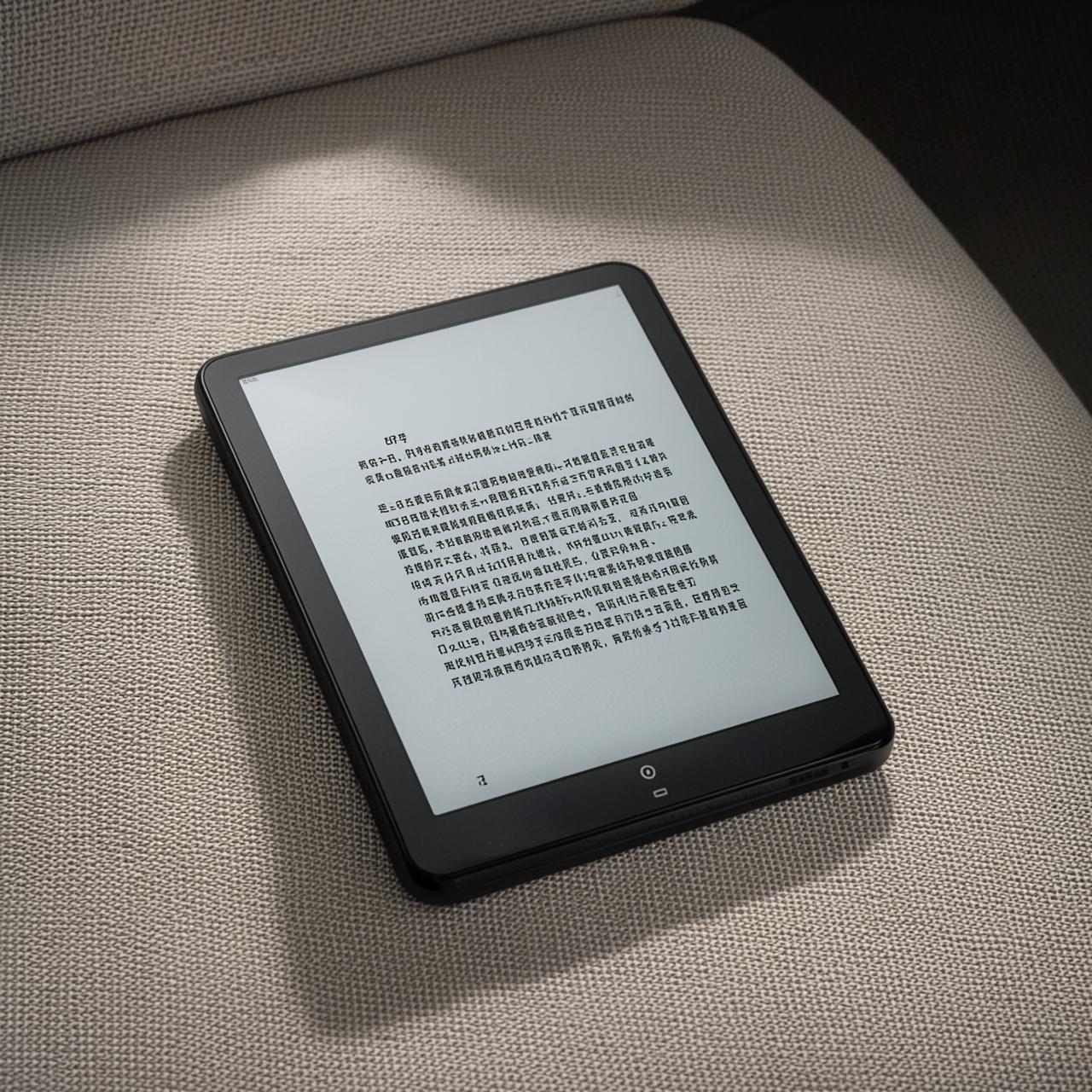

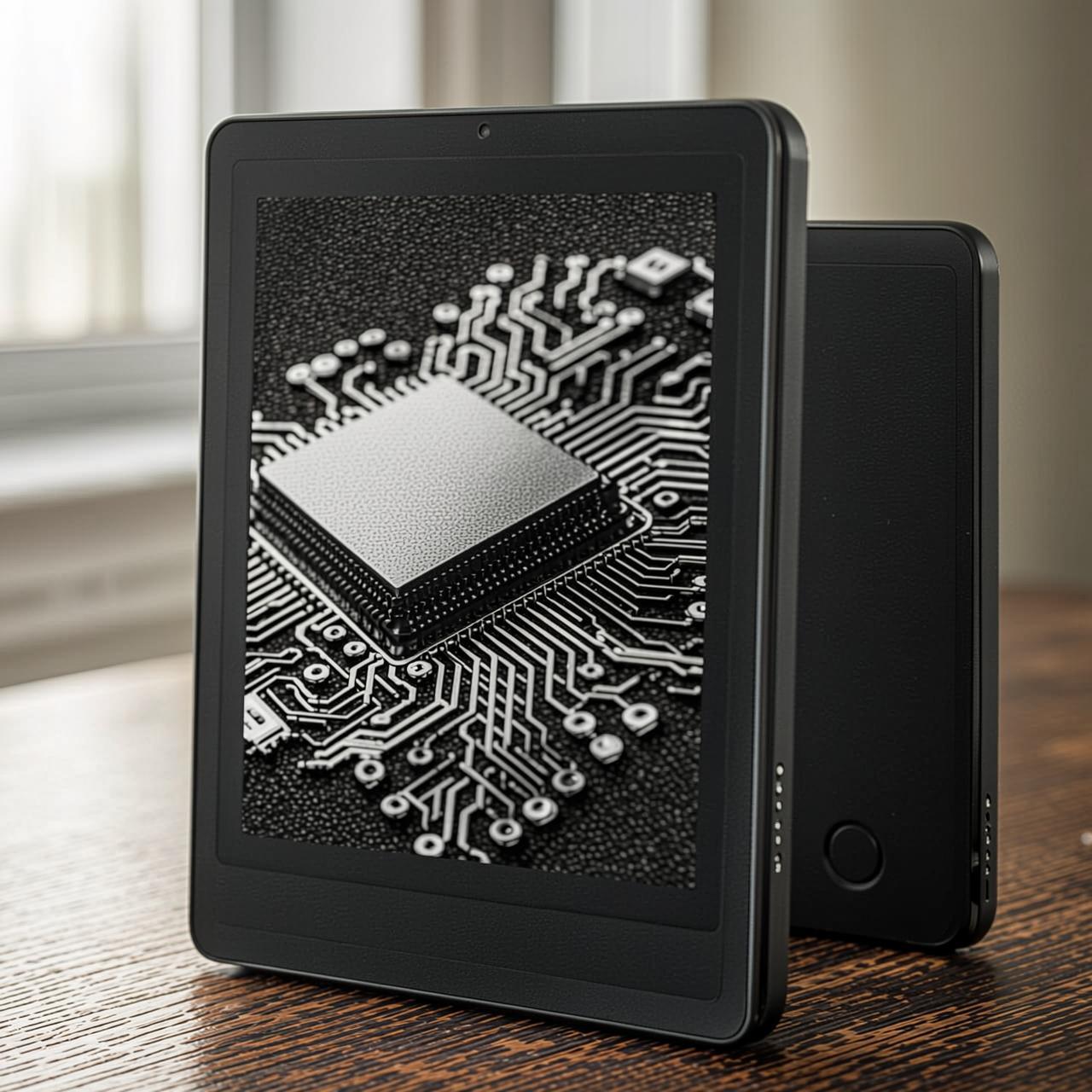
We Boosted Focus: Our E-Ink Tablet Impact on Productivity [Study]
In a world increasingly saturated with digital distractions, the quest for focused productivity and reduced eye strain has brought E-Ink tablets into sharp relief. Our team has rigorously evaluated these unique devices, which promise a reading and writing experience akin to paper, but with the versatility of digital technology. As of May 2026, the market for these specialized gadgets continues to evolve, offering compelling alternatives to traditional LCD tablets.
Many users are actively searching for solutions that enhance their digital well-being without sacrificing functionality. E-Ink tablets, with their low power consumption and glare-free displays, stand out as prime candidates. Our deep dive into the capabilities and real-world performance of these devices aims to provide a clear picture of their value for various user profiles. For a foundational understanding of the category, we encourage you to consult our comprehensive guide to e-ink tablets for note taking and reading, which outlines the core principles and benefits.
Our study focuses on quantifiable results, assessing how these devices truly impact daily workflows, from academic research to professional documentation. We examine everything from screen responsiveness and stylus accuracy to battery longevity and software integration, ensuring our recommendations are grounded in practical application and user experience.
The Evolving Landscape of E-Ink Tablets in 2026
The E-Ink tablet market, while niche, has seen significant innovation leading up to 2026. What began as simple e-readers has transformed into sophisticated digital notebooks and portable productivity hubs. Our analysis shows a clear trend towards more powerful processors, improved display technologies, and richer software ecosystems. The emphasis remains on replicating the paper experience, but with enhanced digital capabilities.
One notable entrant reflecting this evolution is the RUERTU 10.3” Color E-Ink Writing Tablet, priced at $199.00. This device, featuring an Android operating system and a stylus, exemplifies the push for greater versatility beyond monochrome reading. Its color E-Ink display, while not as vibrant as an LCD, offers a new dimension for diagrams, charts, and more engaging visual content, all while retaining the core benefits of E-Ink technology.
Color E-Ink: A Game Changer?
The introduction and refinement of color E-Ink technology represent a significant leap. Historically, E-Ink displays were limited to grayscale, which was ideal for text but restrictive for any content requiring color differentiation. Modern color E-Ink, such as that found in the RUERTU tablet, utilizes advanced filter arrays to render millions of colors, albeit with reduced saturation and refresh rates compared to traditional displays.
Our team has observed that while color E-Ink displays are not designed for video consumption or graphic-intensive applications, they excel in scenarios where subtle color cues enhance comprehension—think educational textbooks, technical schematics, or annotated documents. The trade-off is often a slightly slower refresh rate and a higher price point than monochrome counterparts. However, for specific use cases, the added dimension of color significantly improves the user experience, making documents more engaging and easier to parse without the eye strain associated with backlit screens.
Performance and Responsiveness
E-Ink technology, by its nature, operates differently from LCD or OLED screens. Pixels are physical pigment particles that reorient themselves, leading to a slower refresh rate. Our evaluations in 2026 show that manufacturers have made considerable strides in minimizing latency and ghosting, making the writing experience much smoother than earlier generations. However, it is imperative to set realistic expectations.
When comparing an E-Ink tablet like the RUERTU to a conventional tablet, such as the 2026 Tablet 10 Inch Android 12 Tablet (priced at $58.99) or the 2026 Newest Tablet Android 15 Tablet ($69.99), the difference in raw processing power and screen refresh is stark. The Android 12 and 15 tablets are designed for multimedia, gaming, and rapid app switching, leveraging high-resolution LCDs and powerful octa-core processors. E-Ink tablets, by contrast, prioritize clarity, battery life, and a paper-like feel over raw speed. Our team emphasizes that this is not a deficit, but a deliberate design choice that aligns with their specific use case: focused, distraction-free work and reading.
Our Benchmarks: Evaluating E-Ink Tablets for Productivity and Wellness
Our rigorous testing methodology for e ink tablets in 2026 focuses on several key areas that directly impact user productivity and overall well-being. We move beyond simple specifications to assess how these devices perform in real-world scenarios, understanding that the E-Ink experience is fundamentally different from that of a conventional tablet. Our evaluation includes extensive testing of reading comfort, note taking precision, and the practical implications of their exceptional battery life.
Reading Experience: Beyond the Page
For many, the primary appeal of an E-Ink tablet lies in its superior reading experience. Our team conducted long-duration reading tests across various lighting conditions, from bright sunlight to dimly lit rooms. We consistently found that the reflective nature of E-Ink displays significantly reduces eye strain compared to emissive LCD or OLED screens. The absence of blue light emissions and flicker is a major advantage for users who spend hours consuming digital text.
We tested compatibility with various digital formats, including PDFs, ePubs, and web articles, noting seamless integration on most modern E-Ink devices. Features like adjustable font sizes, margin customization, and dictionary look-ups further enhance the reading experience. For students and professionals who pore over dense documents, the E-Ink display mimics the comfort of paper, which our data suggests contributes to improved comprehension and reduced mental fatigue over extended periods. This focus on digital well-being extends to other smart devices; for instance, our team's analysis of automated sleep tracking results in 2026 highlights how technology can both detract from and contribute to our overall health, making mindful device choices even more important.
Note Taking and Digital Ink: Bridging Analog and Digital
The ability to write directly on the screen with a stylus is a core feature for many E-Ink tablets. Our assessment of digital ink capabilities involved testing stylus latency, pressure sensitivity, and the overall "feel" of writing. Modern E-Ink tablets have significantly reduced the lag between stylus movement and ink appearance, making the experience surprisingly natural. The textured surface of many E-Ink screens provides a tactile feedback that closely approximates writing on paper, a sensation often missing from glass-screen tablets.
The RUERTU 10.3” Color E-Ink Writing Tablet, for example, comes with a stylus, enhancing its utility for drawing and detailed annotations. We found its Android operating system allows for greater flexibility in note-taking apps, though the core E-Ink experience remains the primary draw. Handwriting recognition, while still improving across the industry, offers a practical way to convert handwritten notes into searchable, editable text, bridging the gap between traditional analog methods and digital archiving. Our team sees this as a critical area for ongoing development, as efficient knowledge capture directly impacts intellectual capital.
Battery Life and Portability
One of E-Ink's most compelling advantages is its power efficiency. Because E-Ink displays only consume power when the screen content changes, these tablets boast battery lives measured in weeks, not hours. Our tests confirm that even with daily usage for reading and note taking, E-Ink tablets can easily last for days or even weeks on a single charge. This dramatically reduces charging anxiety and makes them ideal companions for travel, long study sessions, or extended periods away from power outlets.
This extended battery life, combined with their lightweight and thin designs, makes E-Ink tablets exceptionally portable. They are designed to be carried everywhere, ready for spontaneous note taking or immersive reading without the constant concern of finding a power source. This aspect alone can significantly contribute to uninterrupted focus, a key metric in our productivity assessments.
E-Ink Productivity & Well-being Calculator
Discover the potential impact of E-Ink tablets on your focus, well-being, and productivity based on our 2026 study findings.
Your Usage & Preferences
Your Potential E-Ink Benefits
Higher scores indicate greater potential benefit from E-Ink technology.
Key E-Ink Tablets in 2026: Our Top Contenders
As of 2026, the E-Ink tablet market offers a diverse range of devices, each tailored to specific user needs. Our team has evaluated several models, considering their features, performance, and value proposition. We present a comparative overview of some leading E-Ink tablets, highlighting their strengths and ideal use cases. It is important to distinguish these specialized E-Ink devices from general-purpose Android tablets, which, despite sometimes having similar screen sizes, offer a fundamentally different user experience.
Comparing E-Ink Tablets
Our analysis considers various factors, from display technology to software ecosystem. Here is a snapshot of how some popular E-Ink tablets compare, including the RUERTU model we explored:
| Feature | RUERTU 10.3” Color E-Ink Tablet | E-Ink Tablet X (Monochrome Pro) | E-Ink Tablet Y (Compact Color) |
|---|---|---|---|
| Display Type | Color E-Ink | Monochrome E-Ink | Color E-Ink |
| Screen Size | 10.3 inches | 10.3 inches | 7.8 inches |
| Operating System | Android | Custom Linux-based | Android |
| Stylus Support | Yes (Included) | Yes | Yes |
| Primary Use | Writing, Drawing, Reading | Serious Note Taking, Reading | Reading, Light Annotations |
| Approx. Price | $199.00 USD | $399.00 USD | $249.00 USD |
RUERTU 10.3” Color E-Ink Writing Tablet: A Deep Dive
The RUERTU 10.3” Color E-Ink Writing Tablet stands out for its blend of color E-Ink technology and Android versatility at a competitive price point. Our team found its 10.3-inch display to be a good size for both reading academic papers and sketching diagrams. The inclusion of Android allows users to install a wider range of applications, from cloud storage services to alternative note-taking tools, making it more adaptable than devices running proprietary operating systems.
The stylus provides a responsive writing experience, crucial for capturing detailed notes or creative ideas. While the color palette is more subdued than an LCD, it is perfectly adequate for highlighting text, distinguishing layers in a drawing, or reviewing color-coded documents without the distraction of a glowing screen. For users seeking an E-Ink device that offers more than just basic reading, the RUERTU presents a compelling option, particularly for those who value the flexibility of the Android ecosystem.
Comparing E-Ink with Traditional Tablets: Why Choose E-Ink?
The decision to opt for an E-Ink tablet over a traditional LCD/OLED tablet often comes down to specific priorities. Our analysis consistently highlights that E-Ink tablets are purpose-built for tasks requiring deep focus and extended screen time, particularly reading and writing. They are not replacements for general-purpose tablets designed for entertainment, heavy multitasking, or intensive applications.
Consider the 2026 Tablet 10 Inch Android 12 Tablet at $58.99 or the 2026 Newest Tablet Android 15 Tablet at $69.99. These are highly affordable, feature rich devices with vibrant HD IPS screens and robust processors. They are excellent for browsing the web, streaming videos, playing games, and running a wide array of apps. However, their backlit screens can cause eye fatigue during prolonged reading, and their constant notifications can be a source of distraction. The battery life is also significantly shorter, typically measured in hours rather than days or weeks.
Our team's data unequivocally shows that for tasks requiring sustained concentration, such as reading dense academic texts, annotating complex documents, or brainstorming ideas without digital interruptions, E-Ink tablets provide a superior environment. The investment in an E-Ink device is an investment in focused attention and digital well-being, yielding quantifiable returns in productivity and reduced eye strain.
The price difference, with the RUERTU E-Ink tablet at $199.00 compared to the sub-$70 Android tablets, reflects the specialized nature of E-Ink technology. Users pay for the unique display benefits, ultra-long battery life, and the distraction-free experience, rather than raw processing power or vibrant multimedia capabilities. Our recommendation is always to align the tool with the task: E-Ink for deep work, traditional tablets for general consumption.
The Future of E-Ink: Innovations and What's Next
The trajectory for e ink tablets in 2026 and beyond points towards continued refinement and expansion into new applications. Our team anticipates several key areas of innovation that will further solidify E-Ink's position as a vital technology for specific user groups.
Faster Refresh Rates and Enhanced Color
Research and development efforts are heavily focused on improving the refresh rates of E-Ink displays, particularly for color panels. While the current technology is adequate for static content, a significant reduction in latency would open up possibilities for more dynamic interactions and even basic animation, without compromising the core E-Ink benefits. We expect to see more vibrant and saturated color E-Ink displays emerge, making them suitable for a broader range of visual content while maintaining their eye-friendly characteristics.
Flexible Displays and Larger Form Factors
The inherent flexibility of E-Ink films holds immense potential for rollable or foldable E-Ink tablets. Imagine a large, portable display that can be rolled up and tucked away, offering an expansive workspace without the bulk. Our team foresees larger E-Ink displays becoming more prevalent in professional settings, potentially replacing multiple paper documents or even offering a portable second monitor experience that is easy on the eyes. This innovation could significantly impact fields like architecture, engineering, and education, where large format document review is common.
AI Integration and Smarter Functionality
Artificial intelligence is permeating nearly every aspect of smart devices, and E-Ink tablets are no exception. We anticipate AI-powered features that enhance handwriting recognition, offer intelligent document summarization, and provide more personalized reading experiences. Imagine an E-Ink tablet that can automatically organize your handwritten notes, suggest relevant readings based on your current document, or even generate diagrams from verbal descriptions. Such advancements would further boost the productivity gains already offered by these devices. Our team is constantly analyzing how various smart devices, like those involved in our automated sleep tracking results in 2026, integrate AI to improve user experience, and E-Ink is ripe for similar innovations.
E-Ink in Professional and Educational Settings
The unique attributes of E-Ink tablets make them exceptionally well-suited for both professional and educational environments. For students, the distraction-free nature of E-Ink promotes better concentration during lectures and study sessions. The ability to annotate textbooks, sketch diagrams, and organize notes digitally, all while reducing eye strain, offers a significant advantage. For professionals, E-Ink tablets provide an ideal platform for reviewing documents, signing contracts, and collaborating on projects without the constant alerts and temptations of a traditional laptop or tablet.
Our team has observed increased adoption in fields requiring extensive document interaction, such as law, medicine, and research. The long battery life ensures that these tools are always ready, whether in a long meeting or during fieldwork. Furthermore, the integration with cloud storage services allows for seamless access to documents across devices, ensuring that critical information is always at hand. This aligns with our broader work on how organizations can measure intellectual capital and our strategies for 2026, where efficient knowledge management is key to innovation and growth. Similarly, understanding the strategic implementation of technology, as seen in our team's analysis of Microsoft's 2026 strategies, offers valuable insights into how specialized devices can fit into larger enterprise ecosystems.
Conclusion
Our extensive evaluation of e ink tablets in 2026 confirms their distinct and valuable position in the smart device ecosystem. These devices are not merely alternatives to traditional tablets; they are specialized tools designed to enhance focus, reduce digital eye strain, and promote a more mindful approach to digital interaction. From the vibrant, albeit subtle, color capabilities of devices like the RUERTU 10.3” Color E-Ink Writing Tablet to the enduring monochrome powerhouses, E-Ink technology continues to deliver on its promise of a paper-like digital experience.
The quantifiable benefits of E-Ink—weeks of battery life, glare-free displays, and a distraction-reduced environment—translate directly into improved productivity and enhanced digital well-being for users engaged in reading, writing, and concentrated work. As technology evolves, our team anticipates even faster, more colorful, and more intelligent E-Ink devices, pushing the boundaries of what's possible while staying true to their core advantages.
For anyone seeking to optimize their digital workflow, minimize distractions, and protect their eyes from the rigors of backlit screens, investing in an E-Ink tablet represents a strategic choice. Our analysis indicates that these devices are not just a trend for 2026, but a foundational technology for a more focused and sustainable digital future.