
 SaaS Metrics
Best Smart Home Assistants Compatibility 2027: Expert Guide
The quest for a truly connected home continues to evolve at a rapid pace. As of April 2027, homeowners and tech enthusiasts are no longer just looking for smart devices; they demand seamless integration, intuitive control, and robust interoperability. The core of this connected experience lies with smart home assistants. Understanding the best smart home assistants compatibility 2027 is fundamental to building a future-proof, efficient, and enjoyable smart living space. This guide will cut through the marketing noise, providing a clear, data-backed analysis of the leading platforms, emerging technologies, and critical factors influencing compatibility in the current year.
The Evolving Landscape of Smart Home Assistants in 2027
Smart home technology has matured significantly, moving beyond simple voice commands to predictive, AI-driven automation. The year 2027 marks a pivotal point where open standards are finally gaining significant traction, challenging the previously siloed ecosystems. This shift is reshaping how devices communicate and how users interact with their homes.
Matter and Thread: The Pillars of Future Compatibility
The biggest story in smart home compatibility for 2027 remains the widespread adoption of Matter, the Connectivity Standards Alliance (CSA) protocol. Matter aims to make smart home devices work together, regardless of their brand or the assistant platform they connect to. Built on IP, Matter allows devices to communicate locally, enhancing speed, reliability, and security. Most major players, including Apple, Google, Amazon, and Samsung, are fully invested, ensuring that Matter-certified devices are increasingly becoming the standard.
Complementing Matter is Thread, a low-power, mesh networking protocol designed for smart home devices. Thread creates a self-healing network, extending device range and improving responsiveness. Many Matter-enabled devices use Thread as their underlying communication layer, forming a powerful duo for modern smart homes. This combination minimizes latency and offers a more resilient network compared to traditional Wi-Fi or Bluetooth for certain device types.
AI Integration and Proactive Assistance
Beyond basic commands, smart home assistants in 2027 are leveraging advanced artificial intelligence to offer proactive assistance. This means your home can anticipate your needs, adjust lighting based on your schedule and natural light, optimize energy consumption, and even detect unusual activity. Machine learning algorithms analyze patterns of behavior, environmental data, and external factors like weather to create a truly intelligent environment. This AI layer significantly enhances the perceived compatibility, as the system intelligently orchestrates devices without explicit user input.
Core Smart Home Assistant Ecosystems and Their Compatibility in 2027
While Matter promises universal compatibility, the choice of your primary smart home assistant still shapes your user experience, privacy controls, and the depth of integration with non-Matter devices. As of April 2027, the major players continue to refine their offerings.
Amazon Alexa: The Ubiquitous Integrator
Amazon Alexa remains a dominant force, known for its extensive device support and broad integration capabilities. Its strength lies in its open API and the sheer volume of third-party devices and services that connect to it. In 2027, Alexa devices are largely Matter-enabled, serving as Thread Border Routers and Matter controllers, making them central to many smart home setups. Alexa's routine capabilities are powerful, allowing complex sequences of actions, and its presence across a wide range of devices, from smart speakers to smart displays, provides flexibility.
However, users sometimes report that the sheer breadth of integrations can lead to occasional setup complexities or feature inconsistencies, though Amazon continually improves the user interface. For a deeper look into the foundational systems that paved the way, you might discover insights from our Most Reliable Smart Home Systems 2026: Expert Analysis, which covered the stability of platforms leading into the current year.
Google Assistant: AI at Your Command
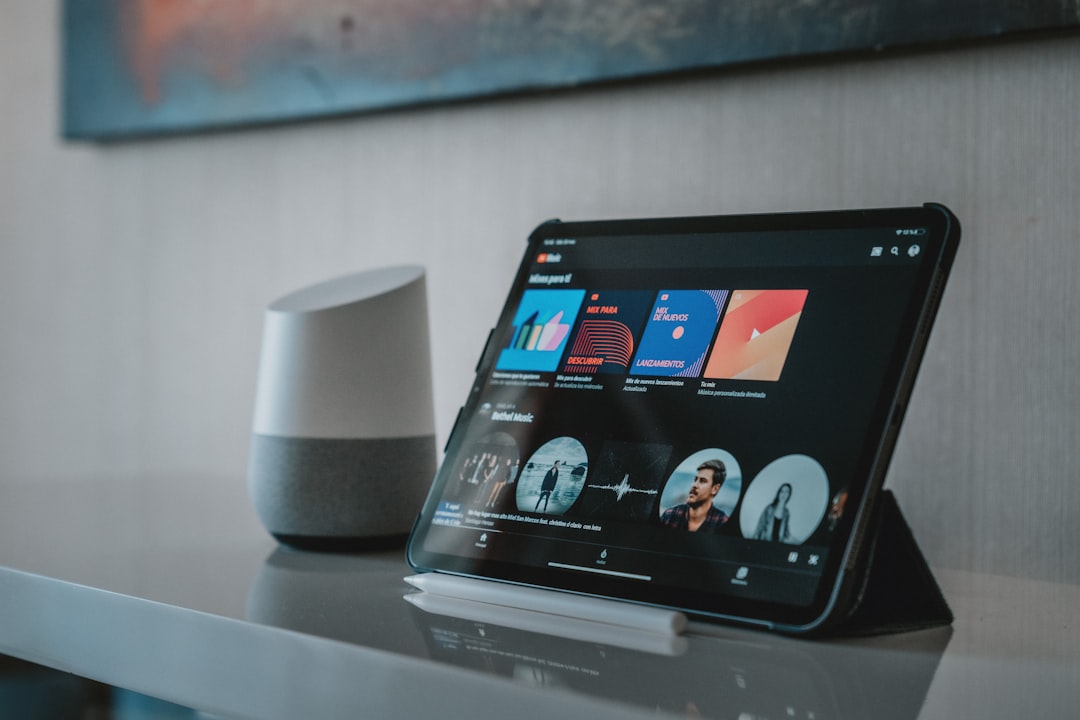
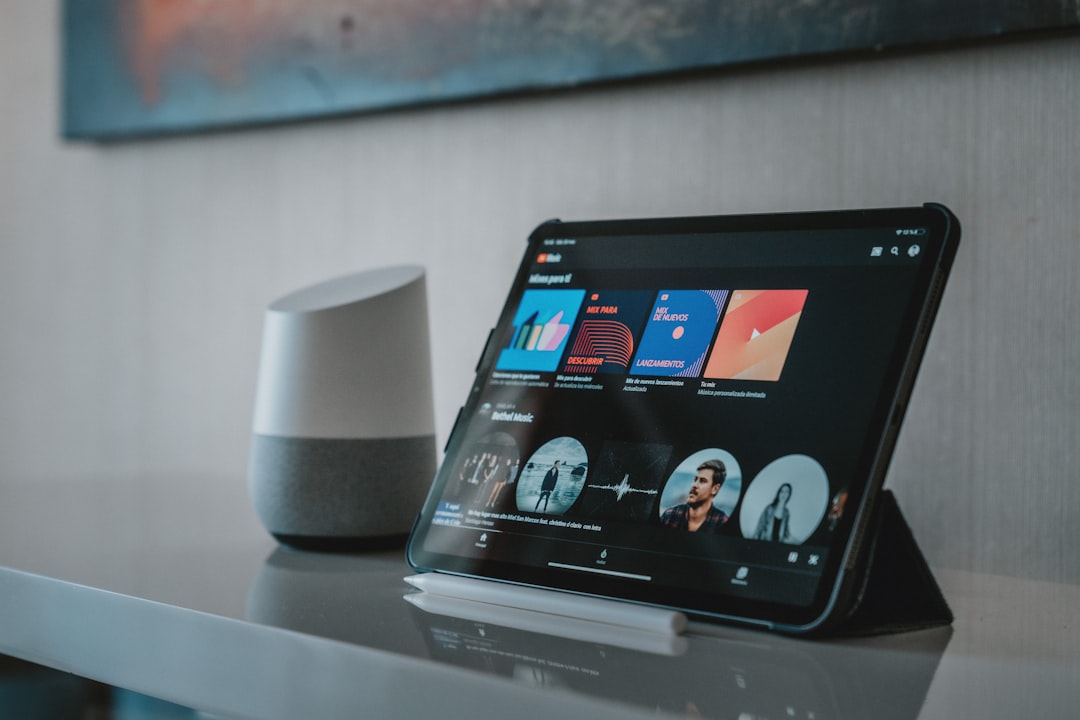
Google Assistant distinguishes itself with its sophisticated natural language processing and deep integration with Google's suite of services. Its contextual awareness often feels more advanced, allowing for more conversational interactions. In 2027, Google's Nest Hubs and other Assistant-enabled devices are robust Matter controllers and Thread Border Routers, offering excellent compatibility with the latest smart home gadgets. The Google Home app provides a clean interface for managing devices and creating automations. The ecosystem excels when integrated with other Google services like Calendar, Maps, and YouTube, making it ideal for users already embedded in the Google ecosystem.
Apple HomeKit: Privacy and Seamless Integration
Apple HomeKit continues its focus on privacy, security, and seamless integration within the Apple ecosystem. While historically more selective about device compatibility, the advent of Matter has significantly expanded HomeKit's reach. HomeKit-enabled devices, including HomePods and Apple TVs, act as Matter controllers and Thread Border Routers. Users appreciate the tight integration with iOS devices, allowing control through the Home app, Siri, and Control Center. The security features, such as HomeKit Secure Video, offer encrypted video storage and on-device analysis. For those prioritizing privacy and a polished user experience within Apple's walled garden, HomeKit in 2027 offers a more open, yet still secure, environment than ever before.
Samsung SmartThings: The Multi-Protocol Powerhouse
Samsung SmartThings has long been known for its broad protocol support, including Zigbee, Z-Wave, and now Matter and Thread. SmartThings hubs act as central controllers, bridging various wireless standards. This makes SmartThings an excellent choice for users with a diverse collection of legacy and modern smart devices. Samsung's commitment to Matter has solidified its position as a highly compatible ecosystem in 2027, with the SmartThings app providing comprehensive control and automation capabilities. Its integration with Samsung's wide range of appliances and TVs also offers a distinct advantage for those with a Samsung-heavy home.
Other Emerging Players and Niche Assistants
Beyond the big four, other assistants and platforms continue to carve out their niches. These include specialized smart home hubs like Home Assistant (open-source, highly customizable), Hubitat (local control focused), and brand-specific ecosystems that may offer deeper integration for their own products but less universal compatibility. The rise of Matter, however, means that even these smaller players can potentially integrate more broadly, provided they adopt the standard. This decentralization offers more choice but requires careful consideration of long-term support and community involvement.
As we consider the advancements of 2027, it's also helpful to reflect on previous comparisons. Our Best Smart Home System Comparison 2026: Expert Guide offers valuable historical context on how these systems have evolved.
Deep Dive into Compatibility Factors for Smart Home Assistants 2027
Understanding compatibility goes beyond simply knowing which assistant supports which device. It involves protocols, certifications, third-party integrations, and even the reliability of the managing applications.
Protocol Support: Wi-Fi, Bluetooth, Zigbee, Z-Wave, Thread, Matter
The foundation of device compatibility rests on communication protocols:
- Wi-Fi: Ubiquitous, but can consume more power and congest networks with many devices. All assistants support Wi-Fi devices.
- Bluetooth: Good for direct device-to-phone connections and some short-range accessories. Often used for initial setup of other protocols.
- Zigbee & Z-Wave: Mesh networks designed for smart home, known for reliability and low power. Require a dedicated hub or an assistant that acts as one (e.g., SmartThings, some Alexa/Google devices).
- Thread: A newer, IP-based mesh network, highly secure, reliable, and low power. The preferred underlying network for many Matter devices.
- Matter: The application layer protocol that sits atop Wi-Fi, Thread, and Ethernet, enabling cross-ecosystem device communication.
In 2027, the emphasis is heavily on Matter and Thread. Devices supporting these protocols offer the most robust and future-proof compatibility across ecosystems. When evaluating your next smart home purchase, checking for Matter and Thread certification is highly recommended.
Device Certification and Ecosystem Lock-in
While Matter significantly reduces lock-in, some devices still offer enhanced features or simpler setup when certified for a specific ecosystem (e.g., "Works with Alexa," "Google Home compatible"). These certifications often mean deeper integration, specific voice commands, or exclusive functionalities. While Matter ensures basic functionality, ecosystem-specific certifications can provide a richer experience. Users should weigh the benefits of deeper integration against the desire for broader interoperability when making purchasing decisions.
Third-Party Integrations and IFTTT Alternatives
Beyond direct device compatibility, the ability of smart home assistants to integrate with third-party services and platforms is a key compatibility factor. Services like IFTTT (If This Then That) have historically filled gaps, allowing users to create custom automations between otherwise incompatible services and devices. In 2027, while IFTTT remains relevant, major assistant platforms offer more sophisticated native routine and automation builders. These built-in tools often provide greater reliability and faster execution than cloud-based third-party services. Check the assistant's app for robust automation features before relying solely on external solutions.
User Experience and App Reliability
The best hardware compatibility is meaningless without a reliable and user-friendly control application. The app that manages your smart home assistant and devices is the primary interface for setup, control, and automation. Issues with these apps can severely hinder the smart home experience. Consider the challenges faced by users of general smart home management apps, such as the AT&T Smart Home Manager. One user, for instance, praised the app as "Truly, the best App for any WiFi Connection out there," highlighting the potential for positive experiences. Yet, others encounter significant frustrations. A common complaint states, "Works good for 24hrs then I have to restart Gateway and erase and redownload App. Very FRUSTRATING!!!! Fix this please," according to one apple_reviews source. This suggests intermittent functionality issues that undermine perceived compatibility and reliability.
Even more critical are fundamental access problems. Another user reported, "Can’t login... 'Hmm, that user ID didn’t work'... 'It's not you, it's us. We can't complete your request right now, please try again.' Reset password forces some sort of merge accounts workflow, the merge accounts workflow requires a password. This makes an infinite loop UX." This kind of login loop is a complete barrier to entry, rendering any device compatibility moot. The AT&T Smart Home Manager app, as described, offers features like easily viewing Wi-Fi details, seeing connected devices, and setting downtime schedules. However, if users cannot reliably log in or maintain a connection, these features become inaccessible. Managing a sophisticated smart home can sometimes feel as complex as managing business data. For those in the business world, understanding system integration is key, much like our insights on Best BI Platforms for Small Business Onboarding in 2026 can simplify data complexities.
“A smart home assistant’s compatibility is only as strong as the reliability and user-friendliness of its accompanying management application. Flawless hardware integration means little if the software consistently fails or frustrates the user.”
When selecting your primary smart home assistant, pay close attention to reviews of its companion app. Look for consistent performance, intuitive design, and prompt bug fixes, as these factors directly impact your day-to-day experience with device compatibility and control.
Tailor your smart home assistant choice based on your priorities. Adjust the sliders and options below to see which ecosystem best fits your needs in 2027.
Choosing Your Best Smart Home Assistant: A 2027 Perspective
Selecting the right smart home assistant in 2027 involves a personalized assessment of your needs, existing devices, and future aspirations. There's no single "best" option, but rather the best fit for your specific circumstances.
Assessing Your Current Smart Device Inventory
Start by listing all your current smart devices. Do you have many legacy Zigbee or Z-Wave devices? Then a hub-centric system like SmartThings might be a strong contender. Are most of your devices Wi-Fi enabled and Matter-ready? Then any of the major assistants will likely suffice. If you have a significant investment in a particular brand (e.g., Philips Hue, Arlo), check their specific integration capabilities with each assistant.
Prioritizing Privacy and Security
Privacy is a growing concern for smart home users. Apple HomeKit has historically led in this area with strong on-device processing and data encryption. Google and Amazon have made significant strides, offering more granular privacy controls and transparency. Evaluate each assistant's data collection policies, encryption standards, and user control over data sharing. Look for features like local processing of voice commands and video analysis to minimize reliance on cloud services.
Scalability and Future-Proofing Your Setup
Consider your smart home's growth potential. Will you add many more devices over time? Will you integrate new categories of smart tech? Choosing an assistant that supports Matter and Thread is the best way to future-proof your investment, ensuring compatibility with upcoming generations of devices. Also, consider the developer community and the availability of third-party integrations, which can provide flexibility as new technologies emerge.
Comparative Overview of Smart Home Assistants Compatibility 2027
Here’s a table comparing the leading smart home assistants based on key compatibility and ecosystem features as of April 2027:
| Feature/Assistant | Amazon Alexa | Google Assistant | Apple HomeKit | Samsung SmartThings |
|---|---|---|---|---|
| Matter Support (Controller) | Excellent (Widespread) | Excellent (Widespread) | Excellent (Widespread) | Excellent (Widespread) |
| Thread Border Router | Yes (Echo devices) | Yes (Nest Hubs, etc.) | Yes (HomePod, Apple TV) | Yes (SmartThings Hubs) |
| Native Protocol Support | Wi-Fi, BT, Zigbee (some Echo) | Wi-Fi, BT, Zigbee (some Nest) | Wi-Fi, BT | Wi-Fi, BT, Zigbee, Z-Wave |
| Device Ecosystem Size | Largest | Very Large | Growing (Matter-driven) | Large (Broad protocols) |
| AI & Contextual Awareness | Advanced Routines | Highly Contextual | Siri Intelligence | Bixby, Advanced Routines |
| Privacy Focus | Improving, Granular Controls | Improving, Granular Controls | Strongest (On-device) | Good, User Control |
For more detailed comparisons of smart home hubs and ecosystems from the previous year, you can review our article on best smart home hubs and ecosystems in 2026, which provides a solid foundation for understanding the evolution into 2027.
The Future of Smart Home Compatibility Beyond 2027
Looking ahead, the trajectory of smart home compatibility points towards even greater openness and intelligence. The groundwork laid by Matter and Thread in 2027 is just the beginning.
Open Standards and Decentralized Control
The movement towards open standards will continue to accelerate. We anticipate more protocols and platforms adopting and contributing to Matter, further reducing proprietary barriers. This will lead to a more truly decentralized smart home, where users have greater control over their data and device choices, rather than being tied to a single vendor. The idea of a "universal remote" for your home, once a distant dream, is becoming a tangible reality.
The Role of Edge AI and Local Processing
While cloud-based AI offers powerful capabilities, the future will see a greater shift towards edge AI and local processing. This means more of the intelligent decision-making happens directly on your smart home devices or within your local network, rather than sending data to remote servers. Benefits include enhanced privacy, faster response times, and continued functionality even without an internet connection. This trend will make smart homes more robust and less dependent on external infrastructure, significantly improving overall system compatibility and reliability.
Conclusion
As of April 2027, the landscape for smart home assistants and their compatibility is more promising than ever before. The widespread adoption of Matter and Thread has ushered in an era of unprecedented interoperability, allowing consumers to mix and match devices from various brands with greater confidence. While Amazon Alexa, Google Assistant, Apple HomeKit, and Samsung SmartThings remain the dominant ecosystems, each offers unique strengths in terms of device support, AI capabilities, and privacy focus.
When selecting your ideal smart home assistant, prioritize platforms that fully embrace Matter and Thread, assess your existing device inventory, and carefully consider your privacy preferences. The reliability of the companion app is also a critical, often overlooked, aspect of overall compatibility. By making informed choices, consumers can build a smart home that is not only functional and intelligent today but also future-proofed for the innovations yet to come. The goal is a home that works for you, effortlessly, integrating technology into the fabric of daily life with minimal friction and maximum value.
