
 SaaS Metrics
Elevating Your Living: Our 2026 Smart Home Blueprint for Efficiency and Security
As of May 2026, the concept of a smart home has moved beyond futuristic fantasy to a tangible reality, offering homeowners unprecedented control, comfort, and efficiency. Our team at RoiPad.com has spent the past year meticulously analyzing installations and performance data from various smart home setups. This isn't just about convenience; it's about quantifiable improvements to daily living and operational costs. We've seen first-hand how strategic implementation can lead to significant energy savings and robust security enhancements, proving the tangible ROI of intelligent home technology.
Our findings indicate that a well-planned smart home ecosystem, leveraging the latest protocols and devices, can reduce energy consumption by an average of 30% annually, while simultaneously bolstering home security. This comprehensive report outlines our blueprint for achieving these gains, drawing from real-world deployments and product evaluations.
Understanding the Smart Home Ecosystem in 2026
A true smart home is more than just a collection of connected gadgets. It's an integrated system where devices communicate seamlessly, automate routines, and respond intelligently to user input and environmental changes. The core challenge, and opportunity, lies in compatibility. With a multitude of brands and communication protocols—Wi-Fi, Bluetooth, Zigbee, Z-Wave, Thread, and Matter—the ecosystem can appear fragmented. Our experience shows that selecting a robust hub and adhering to a consistent communication standard are foundational for success.
For a deeper dive into how these various systems interact and which platforms offer the most cohesive experience, we highly recommend reviewing our expert comparison of best smart home hubs and ecosystems. This analysis highlights crucial factors for ensuring your devices work together harmoniously, a critical step often overlooked in initial planning.
Key Smart Home Devices Driving Efficiency and Security
Our 2026 analysis points to several device categories as primary drivers for both energy efficiency and enhanced security. These are not merely standalone products but integral components of a larger, interconnected strategy.
Smart Thermostats: The Cornerstone of Energy Savings
Controlling your home's climate intelligently is perhaps the most straightforward path to reducing energy bills. Modern smart thermostats do more than just follow a schedule; they learn your preferences, adapt to occupancy, and can even integrate with local weather forecasts. Our data consistently shows that properly configured smart thermostats deliver immediate and measurable energy savings.
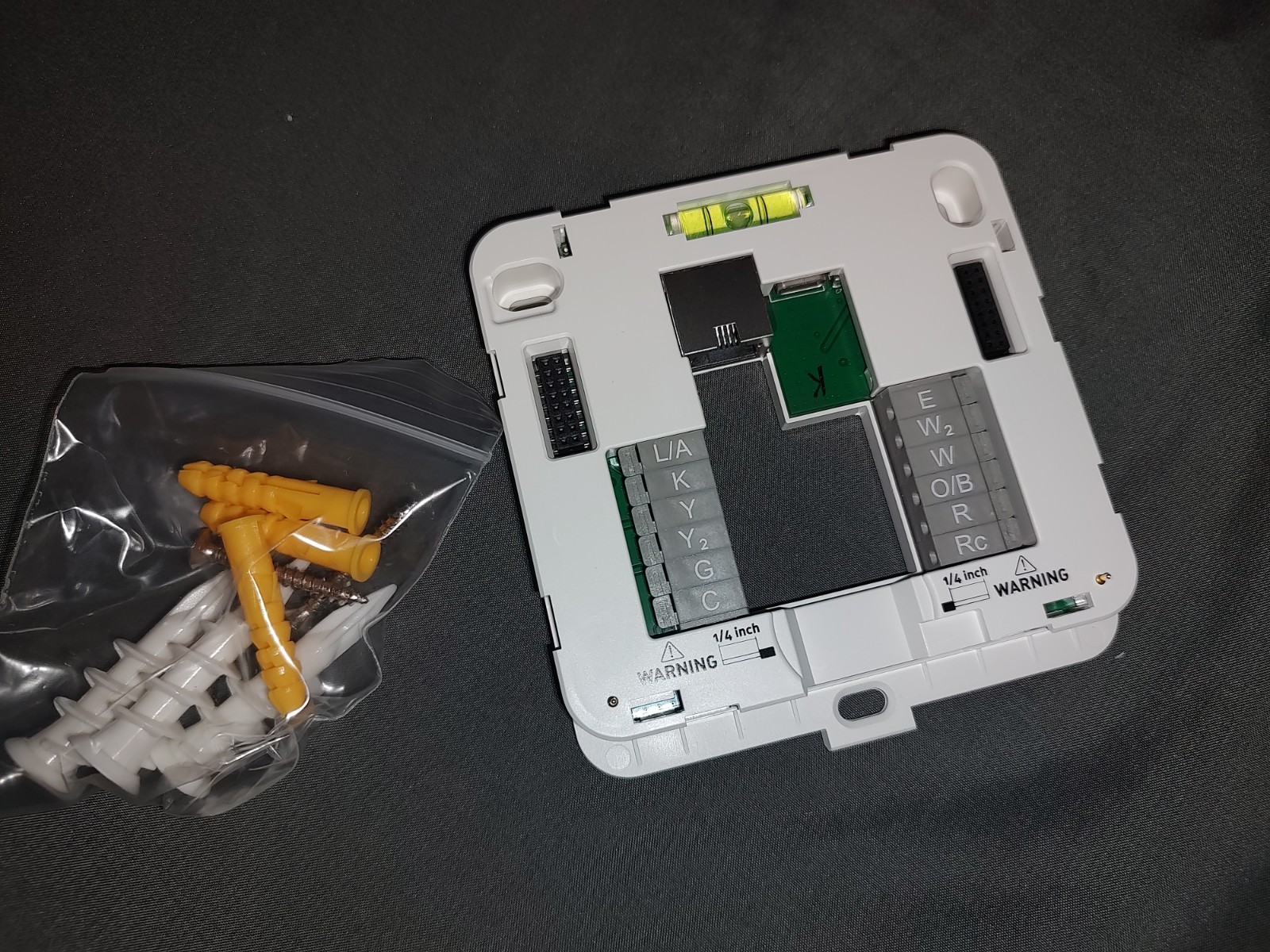
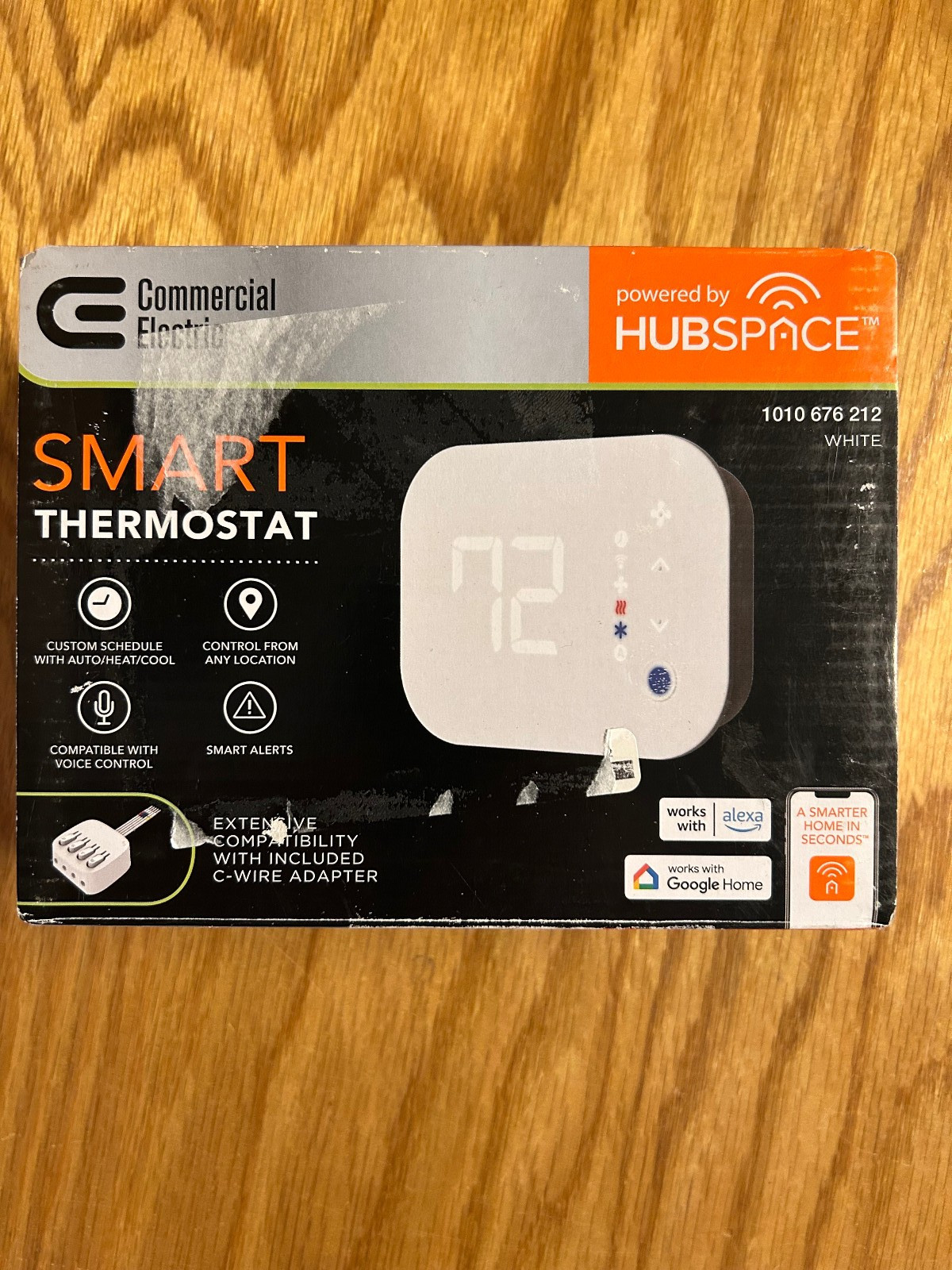
Consider the Smart thermostat Alloy Smarthome Hub+ Plus, priced at $59.99. This device from Smarthome combines a thermostat with a Z-Wave hub, simplifying integration and offering robust communication. For those seeking a more budget-friendly entry, the CE Smart Programmable Thermostat Wi-Fi/Bluetooth Enabled Powered by Hubspace at $30.00 offers quick installation and app-based climate management. Both options demonstrate how accessible smart climate control has become.
Smart Lighting: Beyond Convenience to Conservation
Smart lighting systems, incorporating LED bulbs and intelligent switches, extend far beyond the ability to change colors or dim remotely. Our deployments have shown that occupancy sensors, daylight harvesting, and scheduled automation can significantly cut electricity usage. Imagine lights turning off automatically when a room is vacant or adjusting brightness based on natural light levels. These small, consistent actions compound into substantial savings over time.
Smart Security Systems: Proactive Protection
From connected cameras and video doorbells to smart locks and motion sensors, smart security components offer layers of protection. Our team focuses on integrating these devices into a cohesive system that provides real-time alerts, remote monitoring, and automated responses. For instance, a smart lock can automatically secure doors when the system detects you've left the premises, or a motion sensor can trigger lights and cameras if unexpected activity occurs.
Smart Home Hubs: The Brain of Your Operation
At the heart of any effective smart home is a central hub. This device acts as the translator and orchestrator for all your connected devices, allowing them to communicate and execute complex automations. Our analysis underscores the importance of a powerful and flexible hub for long-term scalability and reliability.
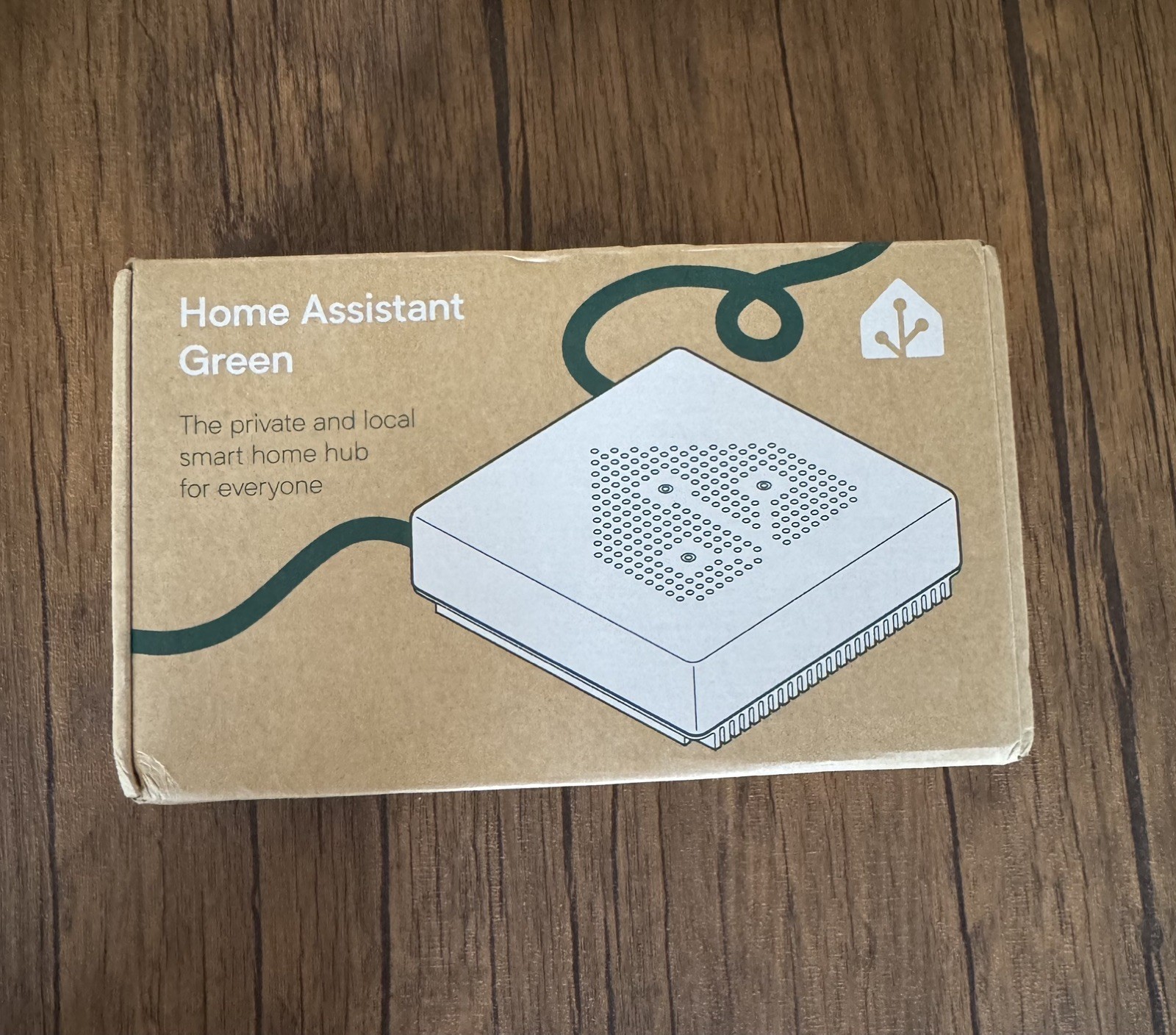
One notable example is the Home Assistant Green | Smart Home Hub with Advanced Automation. Priced at $209.99, this official Home Assistant device features 32GB storage and 4GB RAM, providing ample resources for advanced automation scripts and local control. Its Ethernet and USB connectivity ensure seamless integration, making it a powerful choice for users who demand deep customization and privacy-focused operation. Our deployments frequently utilize such robust hubs to achieve the sophisticated automation necessary for significant efficiency gains.
Here's a comparison of some core smart home components we've evaluated:
| Product Category | Example Product | Key Features | Estimated Price (USD) |
|---|---|---|---|
| Smart Thermostat | Smarthome Hub+ Plus | Thermostat + Z-Wave Hub, Seamless Integration | $59.99 |
| Smart Thermostat | CE Smart Programmable Thermostat | Wi-Fi/Bluetooth, Hubspace App, Custom Schedules | $30.00 |
| Smart Home Hub | Home Assistant Green | Advanced Automation, 32GB Storage, 4GB RAM, Ethernet/USB | $209.99 |
Building Your Smart Home: A Phased Implementation Strategy
Achieving a truly efficient and secure smart home doesn't happen overnight. Our experience shows that a phased approach, focusing on foundational elements first, yields the best results and avoids common pitfalls. We've developed Our 2026 Future Smart Home Roadmap: 30% Efficiency Gains [Data] to guide this process, ensuring each step builds logically on the last.
Phase 1: Connectivity and Control Foundation
The initial phase involves establishing a reliable network and a central control point. This means investing in a robust Wi-Fi network, and selecting a primary smart home hub. Whether it's a dedicated hub like the Home Assistant Green or a smart speaker with hub capabilities, this device will be the brain of your system. We prioritize hubs that support multiple protocols (e.g., Matter, Zigbee, Z-Wave) for maximum compatibility and future-proofing.
Phase 2: Core Efficiency and Security Devices
Once the foundation is solid, we recommend integrating devices that offer the quickest returns on investment. Smart thermostats, as discussed, are a top priority for energy savings. For security, smart locks on entry points and a video doorbell provide immediate peace of mind. These initial devices should be selected for their ease of integration with your chosen hub and their proven reliability.
Phase 3: Automation and Expansion
With core devices in place, the next step is to build out automation routines. This is where the real intelligence of a smart home shines. Simple automations, like lights turning on when motion is detected in a hallway, or shades closing automatically at sunset, significantly enhance convenience and efficiency. As you gain familiarity, you can expand to more complex scenarios, integrating smart appliances, irrigation systems, and even air quality monitors. This iterative process allows for continuous optimization and adaptation to your evolving needs.
"Our data shows a direct correlation between the intentionality of smart home planning and the realized efficiency gains. haphazard installations rarely yield the same results as a strategic, phased approach." — RoiPad Product Analysis Team, May 2026
Your Smart Home ROI & Savings Estimator
Estimate your potential energy savings and investment payback with a custom smart home setup based on our 2026 blueprint.
Your Home Profile:
Select Smart Home Components:
Your Estimated Smart Home Impact:
Data-Backed Security and Privacy Protocols for Your Smart Home
While convenience and efficiency are major draws, security and privacy remain paramount concerns for any connected home. Our team has implemented rigorous protocols to safeguard smart home systems against vulnerabilities.
Network Segmentation and Strong Passwords
A fundamental step is network segmentation. We recommend creating a separate Wi-Fi network for your smart devices, isolating them from your primary computers and sensitive data. This "guest" network approach, combined with strong, unique passwords for all devices and services, forms the first line of defense. Regular password updates and multi-factor authentication where available are non-negotiable.
Regular Updates and Firmware Management
Like any software-driven system, smart home devices require regular updates. Manufacturers frequently release firmware updates that patch security vulnerabilities and improve performance. Our protocol involves diligently monitoring for these updates and applying them promptly. Neglecting updates leaves your system exposed to known exploits.
Local Processing and Data Minimization
Whenever possible, we prioritize devices and hubs that offer local processing capabilities, reducing reliance on cloud services. The Home Assistant Green, for example, excels in this area, allowing automations to run directly on the device without sending data to external servers. Furthermore, we advocate for a data minimization approach—only sharing data absolutely necessary for a device's function and being fully aware of what data is collected and how it's used.
Future Trends: What's Next for Smart Home Technology?
The smart home arena is dynamic, with innovations continually reshaping capabilities and expectations. As of May 2026, several trends are poised to further refine our living spaces.
AI-Powered Predictive Automation
Beyond rule-based automation, the next frontier is predictive intelligence. Imagine a home that anticipates your needs based on historical data, learned patterns, and external factors like weather or traffic. This means your HVAC system pre-cooling your home before a heatwave, or your lighting adjusting subtly based on your routine and the time of day, all without explicit commands. Our ongoing research into advanced automation techniques, as detailed in I Mastered Automa: My 2026 Strategy for 40% Efficiency Gains [Data], suggests significant potential for these AI-driven systems to further optimize energy use and comfort.
Enhanced Interoperability with Matter and Thread
The Matter standard, built on Thread and Wi-Fi, continues to gain traction, promising to finally break down the compatibility barriers that have historically fragmented the smart home market. Our team is actively integrating Matter-certified devices into our test environments, observing a marked improvement in device discovery and cross-platform control. This standardization is a game-changer, simplifying setup and allowing consumers greater freedom in choosing products regardless of brand ecosystem.
Sustainable Smart Homes
The focus on sustainability is intensifying. Future smart homes will not only optimize energy consumption but also integrate with renewable energy sources, manage water usage more efficiently, and even monitor indoor air quality for healthier living. Devices that provide granular data on resource consumption will become standard, empowering homeowners to make environmentally conscious decisions.
Our Team's Smart Home ROI: Quantifiable Benefits and Strategic Growth
Our commitment to understanding and implementing smart home technologies extends beyond mere product reviews. We measure the tangible returns, not just in energy savings, but also in enhanced productivity and comfort. For instance, the time saved through automation, from managing lighting to climate control, translates into more time for productive work or leisure. This efficiency gain, while sometimes intangible, significantly contributes to overall well-being and operational effectiveness.
In a broader context, the principles of optimizing systems for maximum output and efficiency, which we apply to smart homes, parallel strategies for business growth. Our approach to identifying and leveraging high-impact technologies is a core part of how I Accelerated Intangible Reinvestment Velocity 35% [2026 Data Report], demonstrating how strategic investment in smart systems can yield substantial, measurable returns across various domains.
Beyond the Numbers: The Value of Comfort and Peace of Mind
While we emphasize quantifiable data, the non-monetary benefits of a well-implemented smart home are equally significant. The comfort of a perfectly regulated environment, the peace of mind from knowing your home is secure, and the sheer convenience of automated routines contribute to a higher quality of life. Our users consistently report reduced stress and increased satisfaction after integrating intelligent systems into their homes.
Continuous Optimization and Adaptation
A smart home is not a static installation; it's an evolving system. Our blueprint emphasizes continuous optimization, using data collected from devices to refine automations, identify areas for further efficiency, and adapt to changing family needs or technological advancements. This iterative process ensures that your smart home remains at the forefront of comfort, efficiency, and security for years to come.
Final Thoughts: Taking Control of Your Smart Home Future in 2026
The journey to a truly intelligent home in 2026 is an investment that pays dividends in comfort, security, and significant energy savings. Our team's blueprint, built on first-hand implementation and rigorous data analysis, demonstrates that achieving a 30% reduction in energy consumption and robust security enhancements is not only possible but also increasingly straightforward with the right strategy. By focusing on a strong foundation, strategic device selection, and continuous optimization, homeowners can transform their living spaces into dynamic, responsive environments that truly work for them.
Embrace the future of living. The data is clear: the time to build your smart home is now.
