
 SaaS Metrics
The concept of a connected residence has moved beyond science fiction, firmly establishing itself as a cornerstone of modern living. In May 2026, the term Smart home no longer implies mere convenience; it signifies a fundamental shift in how we interact with our living spaces, offering unparalleled comfort, security, and efficiency. From automating daily routines to enhancing energy management, smart home technology is reshaping expectations for what a home can be. This comprehensive guide explores the multifaceted world of smart home systems, offering insights into the latest advancements, practical applications, and strategic considerations for building an intelligent living environment.
Understanding the Modern Smart Home in 2026
A smart home integrates devices and systems that can be controlled remotely or automatically. These components communicate with each other, often through a central hub or a mesh network, to perform tasks based on predefined rules, schedules, or environmental triggers. In 2026, the definition of a smart home has expanded to include more sophisticated AI-driven automation, predictive capabilities, and a greater emphasis on interoperability.
Evolution and Current Trends
The journey of smart home technology has seen rapid acceleration. Early iterations focused on individual smart devices like lights or thermostats. Today, the trend is towards holistic ecosystems where devices from various manufacturers seamlessly cooperate. This evolution is largely driven by advancements in wireless communication protocols, artificial intelligence, and the increasing demand for user-centric design. We are moving from simple remote control to intelligent systems that anticipate needs and adapt proactively.
Key Components of an Integrated Smart Home
At its core, a smart home relies on several key types of components:
- Sensors: Detect motion, temperature, humidity, light levels, door/window status, and more.
- Actuators: Devices that perform actions, such as smart lights turning on, smart locks engaging, or blinds opening.
- Controllers/Hubs: The central brain that receives data from sensors, processes it, and sends commands to actuators.
- Connectivity: Protocols like Wi-Fi, Bluetooth, Zigbee, Z-Wave, and increasingly, Matter and Thread, enable devices to communicate.
- User Interface: Smartphones, tablets, voice assistants, and smart displays provide ways to interact with the system.
The Pillars of a Modern Smart Home Ecosystem
Building an effective smart home involves integrating various categories of devices. Each pillar contributes to the overall intelligence and functionality of your living space.
Hubs and Controllers: The Central Nervous System
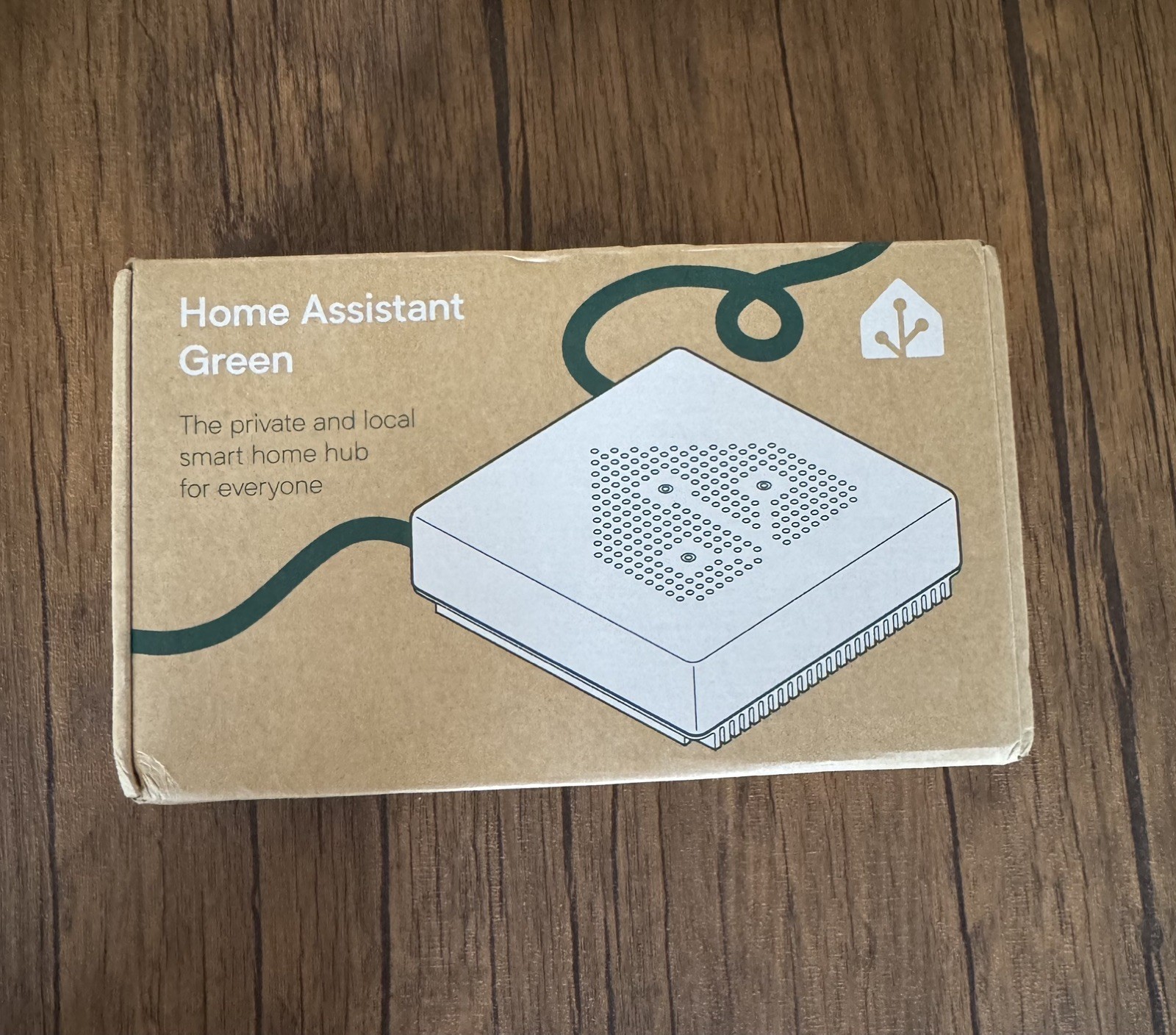
Every robust smart home requires a central point of control. This can be a dedicated hardware hub, a software platform, or even a smart speaker acting as a gateway. These hubs facilitate communication between diverse devices, often translating different protocols into a unified language. For an expert comparison of smart home hubs and ecosystems for 2026, you can reference our detailed analysis at roipad.com/flow/best-smart-home-hubs-ecosystems-2026-expert-comparison/. Devices like the Home Assistant Green exemplify advanced hubs, offering 32GB storage, 4GB RAM, and flexible connectivity for comprehensive automation.
Smart Lighting: Beyond On/Off
Smart lighting systems offer far more than just remote control. They provide dimming capabilities, color changing options, and scheduling. Modern smart lights can adapt to natural light cycles, respond to motion, or even sync with music and movies, creating dynamic ambiances. Energy efficiency is a significant benefit, as lights can be automatically turned off when rooms are empty or dimmed to conserve power.
Climate Control: Comfort and Efficiency
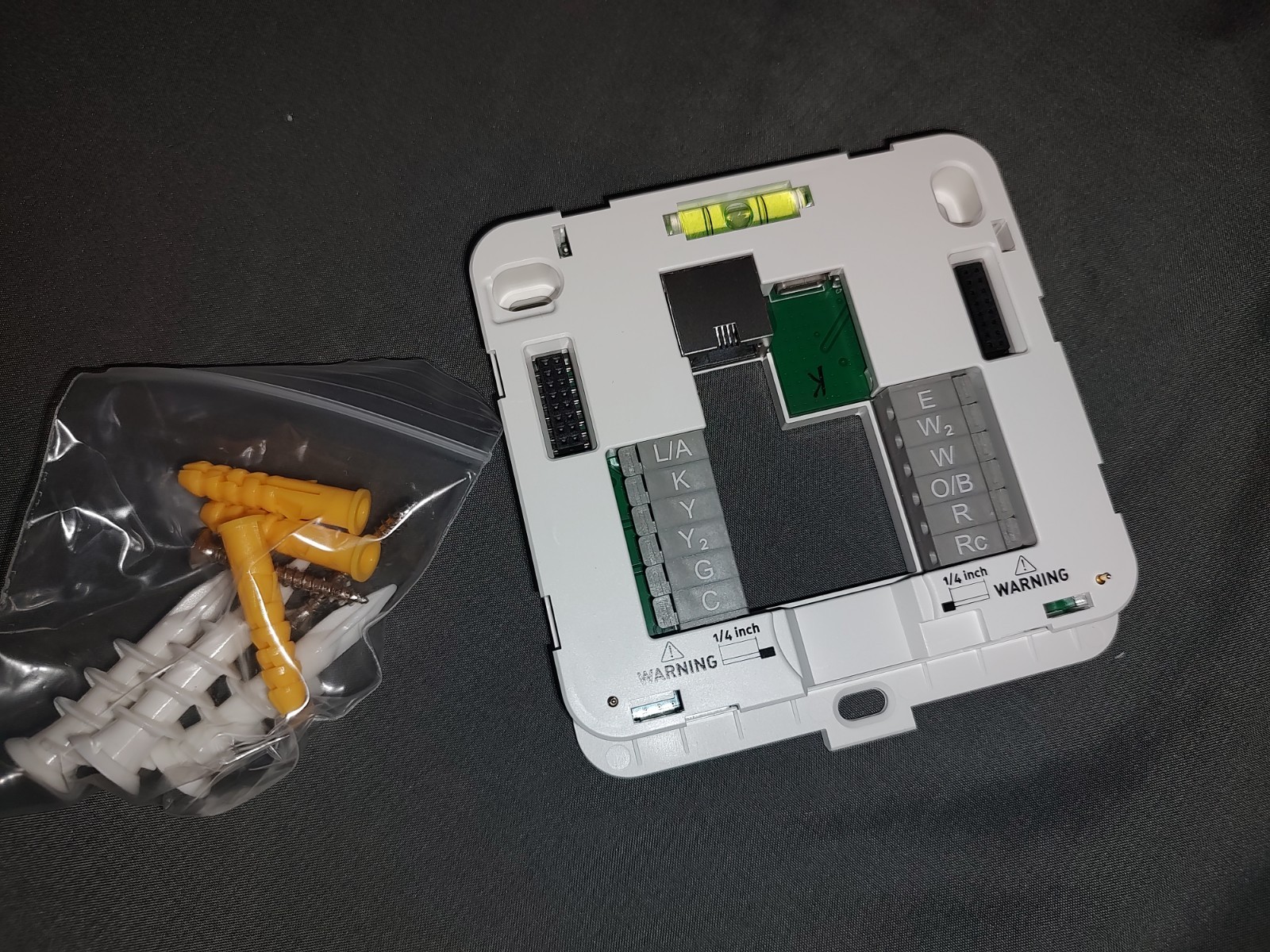
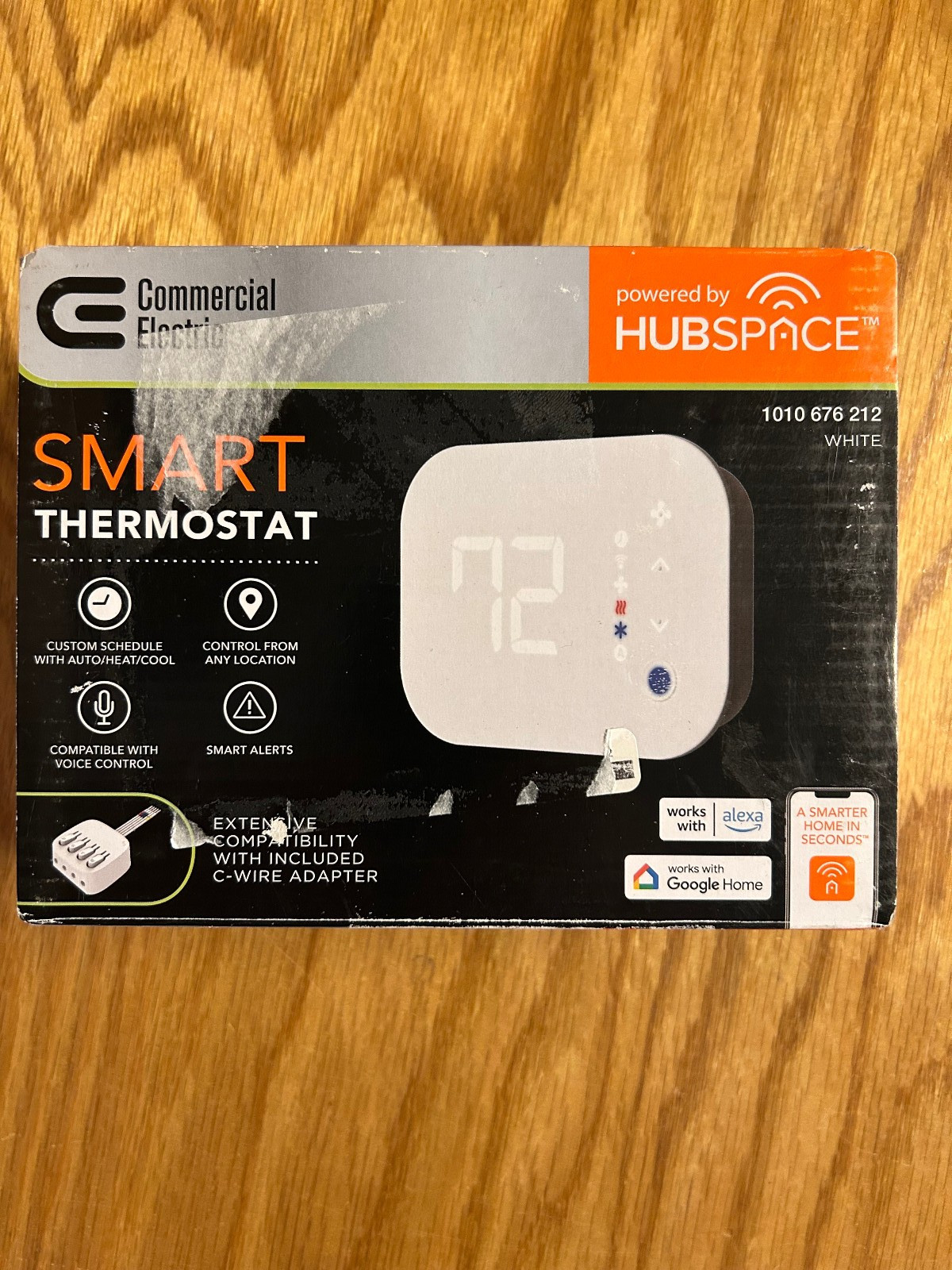
Smart thermostats are among the most popular smart home devices due to their immediate impact on comfort and energy bills. These devices learn your preferences, adapt to your schedule, and can be controlled remotely. For instance, the Smart thermostat Alloy Smarthome Hub+ Plus combines thermostat functions with a Z-Wave hub, allowing for seamless integration and advanced control. Similarly, the CE Smart Programmable Thermostat powered by Hubspace provides easy installation and custom scheduling to manage your home's climate and promote energy consciousness. These devices can integrate with weather forecasts, occupancy sensors, and even window/door sensors to optimize heating and cooling, preventing wasted energy.
Security and Surveillance: Peace of Mind
Smart security systems offer layers of protection, from smart locks and video doorbells to motion sensors and security cameras. These systems provide real-time alerts, remote monitoring, and often integrate with professional monitoring services. Features like facial recognition, package detection, and AI-powered activity zones enhance their effectiveness, giving homeowners greater control and peace of mind.
Entertainment Systems: Immersive Experiences
Integrating smart entertainment allows for centralized control of televisions, sound systems, and streaming devices. Voice commands can select movies, adjust volume, or switch inputs. Multi-room audio systems fill your home with sound, while smart projectors and screens create cinematic experiences. The seamless integration of entertainment with lighting and climate control can create truly immersive environments for movie nights or parties.
Smart Appliances: The Connected Kitchen and Laundry
Modern appliances, from refrigerators that track inventory to ovens that preheat remotely, are becoming increasingly intelligent. Smart washing machines and dryers can optimize cycles based on load size and fabric type, sending notifications when cycles are complete. These appliances not only offer convenience but can also contribute to energy savings through optimized usage.
Energy Management: Sustainable Living
Beyond smart thermostats, comprehensive smart home energy management involves monitoring consumption across all devices, identifying energy vampires, and automating power usage. Smart plugs, energy monitors, and solar panel integration allow homeowners to track and reduce their carbon footprint, contributing to a more sustainable lifestyle and potentially lowering utility costs significantly. The ability to mastering intangible reinvestment velocity in your home's energy infrastructure can translate into tangible savings and increased property value over time.
Choosing Your Smart Home System: Interoperability and Standards
One of the biggest challenges in the smart home market has been the fragmentation of platforms and protocols. However, significant progress has been made in 2026 to address these issues, making it easier for consumers to build cohesive systems.
Matter and Thread: The Future of Connectivity
Matter, a new open-source connectivity standard backed by major industry players like Apple, Google, Amazon, and Samsung, is designed to bring unprecedented interoperability to smart home devices. Built on IP and leveraging Thread, a low-power mesh networking protocol, Matter aims to simplify setup, improve reliability, and ensure compatibility across brands. This means a Matter-certified light bulb will work with any Matter-certified hub, regardless of its manufacturer, simplifying the purchasing process and future-proofing your investments.
Major Ecosystems: Strengths and Weaknesses
While Matter addresses device-level compatibility, major ecosystems still offer distinct user experiences and feature sets:
- Apple HomeKit: Known for its strong privacy features, intuitive interface, and tight integration with the Apple ecosystem. It offers robust local control and a high standard for device security.
- Google Home/Nest: Integrates deeply with Google Assistant, offering powerful voice control and AI capabilities. It excels at media control, search, and personal routines.
- Amazon Alexa: The most widespread voice assistant, offering a vast array of compatible devices and a user-friendly interface. Alexa boasts extensive skills and integrations.
- Samsung SmartThings: A flexible platform supporting a wide range of protocols (Zigbee, Z-Wave, Wi-Fi) and devices, allowing for complex automation routines.
- Home Assistant: An open-source, highly customizable platform for advanced users, offering unparalleled control and privacy. The Home Assistant Green hub is a prime example of a dedicated device for this powerful system.
Open vs. Closed Systems
Choosing between an open or closed system is a critical decision. Closed systems (like some proprietary platforms) offer simplicity and tight integration but limit device choice. Open systems, while potentially requiring more technical savvy, provide greater flexibility, customization, and often better long-term compatibility as new devices emerge. Home Assistant is a leading example of an open system, empowering users with complete control over their data and automation.
Installation and Usability: Making Smart Homes Accessible
The promise of a smart home often hinges on its ease of setup and daily use. As of 2026, manufacturers are prioritizing user experience more than ever.
DIY vs. Professional Installation
Many smart devices are designed for do-it-yourself installation, often guided by smartphone apps. Smart light bulbs, plugs, and even some thermostats (like the CE Smart Programmable Thermostat with its 30-minute setup) can be installed by homeowners. However, for whole-home systems, complex wiring, or integrating security components, professional installation may be preferable. Professionals ensure optimal placement, secure connections, and comprehensive system configuration, saving time and preventing potential frustration.
User Interfaces and Voice Control
The primary ways to interact with a smart home are through dedicated apps, smart displays, and voice assistants. Voice control, powered by AI, has become incredibly sophisticated, allowing natural language commands to control multiple devices simultaneously or trigger complex routines. Smart displays offer visual feedback, video streaming, and touch control, serving as central command centers. Designing intuitive app interfaces remains a priority for manufacturers to ensure a smooth user experience.
Troubleshooting Common Issues
Despite advancements, smart homes can still encounter issues like connectivity drops, device unresponsiveness, or automation failures. Common troubleshooting steps include checking network connectivity, restarting devices, updating firmware, and verifying app settings. Many modern hubs and apps now include diagnostic tools to help users identify and resolve problems quickly. Sometimes, the issue is as simple as a dead battery in a sensor or a Wi-Fi signal interference.
Advanced Smart Home Automation and AI in 2026
The true power of a smart home lies in its ability to automate tasks and adapt to your lifestyle. Artificial intelligence is playing an increasingly significant role in enhancing these capabilities.
Proactive Automation: Anticipating Your Needs
Beyond simple scheduling, proactive automation uses machine learning to observe patterns in your behavior and environmental conditions. For example, your smart home might learn that you typically dim the lights and adjust the thermostat to 70°F around 9 PM on weekdays. Over time, it will begin to perform these actions automatically, anticipating your routine without explicit commands. This level of automation significantly enhances convenience and energy efficiency.
AI-Powered Personalization
AI is enabling smart homes to offer highly personalized experiences. Voice assistants can recognize individual family members, tailoring responses and actions based on their preferences. AI can optimize lighting based on circadian rhythms, suggest music based on mood, or even adjust indoor air quality settings based on personal health profiles. This personalization transforms a house into a truly responsive living space.
Predictive Maintenance and Diagnostics
Smart appliances and systems are gaining the ability to monitor their own performance and predict potential issues. A smart HVAC system might detect an impending filter clog or a motor malfunction and alert you, or even schedule a service appointment automatically. This predictive maintenance saves money by preventing costly breakdowns and ensures the continuous smooth operation of your home's infrastructure. Businesses looking to accelerate non-physical asset growth could draw parallels from this predictive approach to optimize their own operational efficiency.
Smart Home ROI & Customization Estimator
Discover the potential savings, property value increase, and lifestyle enhancements of your personalized smart home system in 2026.
Your Smart Home Profile
Investment Level by Category:
Prioritize:
Your Smart Home Impact
Smart Home Performance Scores (0-100):
Your Smart Home Overview
Security and Privacy Concerns in Your Smart Home
As smart homes become more integrated into our lives, addressing security and privacy concerns is paramount. The convenience of connectivity must be balanced with robust protection.
Data Protection: Who Owns Your Information?
Smart devices collect vast amounts of data about your habits, preferences, and even sensitive information like your movements and conversations. Understanding how this data is collected, stored, and used by manufacturers is critical. Look for devices and platforms that prioritize data encryption, offer clear privacy policies, and give you control over your data. Opting for systems with local processing capabilities, like Home Assistant, can mitigate some cloud-based privacy risks.
Physical Security Vulnerabilities
While smart locks and security cameras enhance safety, poorly secured smart home networks can create new vulnerabilities. Weak passwords, outdated firmware, and unsecured Wi-Fi networks can provide entry points for cyber threats. It's essential to treat your smart home network with the same vigilance as your personal computer network.
Best Practices for a Secure Smart Home
- Strong, Unique Passwords: Use complex passwords for all smart home accounts and your Wi-Fi network.
- Two-Factor Authentication (2FA): Enable 2FA wherever available for an extra layer of security.
- Regular Firmware Updates: Keep all smart devices and hubs updated to patch security vulnerabilities.
- Secure Wi-Fi Network: Use WPA3 encryption, a strong password, and consider a guest network for smart devices.
- Review Privacy Settings: Regularly check and adjust privacy settings on devices and apps.
- Purchase from Reputable Brands: Stick to established manufacturers known for their security standards.
The Economic Impact and ROI of a Smart Home
Investing in a smart home is not just about convenience; it can also offer significant financial benefits and return on investment.
Energy Savings
One of the most immediate and quantifiable benefits of a smart home is reduced energy consumption. Smart thermostats, lighting, and appliance management can lead to substantial savings on utility bills. According to various industry reports, homeowners can see a 10-20% reduction in heating and cooling costs alone with intelligent climate control. Over the lifespan of a home, these savings add up significantly.
Increased Property Value
A well-implemented smart home system can increase a property's market value and appeal to potential buyers. Features like integrated security, energy management, and advanced automation are increasingly seen as desirable amenities, making your home stand out in a competitive market. As of 2026, smart home readiness is becoming a standard expectation for modern properties.
Insurance Benefits
Some insurance providers offer discounts for homes equipped with smart security systems, smoke detectors, and water leak sensors. These devices can mitigate risks, leading to fewer claims and lower premiums. It's worth checking with your insurance company to see what smart home integrations qualify for discounts.
Long-term Investment
While the initial cost of setting up a comprehensive smart home can be considerable, the long-term benefits in terms of convenience, safety, energy savings, and property value often outweigh the upfront expenditure. Thinking of your smart home as an evolving asset, much like how publishers optimize their ad revenue with Ezoic's enterprise tier, allows for continuous improvement and value addition.
Comparative Look at Smart Thermostats
To illustrate the variety and capabilities within a single smart home category, let's compare two smart thermostats we've discussed:
| Feature | Smart thermostat Alloy Smarthome Hub+ Plus | CE Smart Programmable Thermostat |
|---|---|---|
| Manufacturer | Smarthome | Commercial Electric (powered by Hubspace) |
| Connectivity Protocol | Z-Wave | Wi-Fi/Bluetooth |
| Key Functionality | Thermostat + Z-Wave Hub | Programmable Thermostat with app control |
| Integration | Seamless Z-Wave system integration | Hubspace app integration, custom schedules |
| Installation Ease | Standard smart device installation | Typically 30 minutes or less |
| Price (approx. as of May 2026) | $59.99 (Source) | $30.00 (Source) |
"The true measure of a smart home is not the number of devices it has, but how seamlessly those devices work together to enhance daily life, simplify routines, and provide tangible benefits without requiring constant user intervention."
Future Outlook: What's Next for Smart Home Technology?
The pace of innovation in smart home technology shows no signs of slowing. Looking ahead, several trends are poised to further redefine our living spaces.
Hyper-Personalization and Adaptive Environments
Future smart homes will move beyond simple automation to truly adaptive environments. Sensors will gather more nuanced data – not just temperature, but also air quality, sound levels, and even occupants' stress indicators. AI will then create highly personalized environments, adjusting lighting, soundscapes, and climate to optimize for productivity, relaxation, or sleep, all in real time and without explicit commands.
Sustainable Smart Homes and Grid Integration
The emphasis on sustainability will grow, with smart homes playing a larger role in energy grids. Homes will not only consume less energy but also actively participate in energy management, perhaps by storing excess solar power or intelligently shifting high-demand appliance usage to off-peak hours. Integration with broader smart city initiatives will allow homes to communicate with municipal infrastructure, optimizing resource allocation on a larger scale.
Robotics and Advanced AI Assistants
While voice assistants are common today, the next generation of smart home AI will likely incorporate more advanced robotics. Think of domestic robots that handle cleaning, maintenance, or even provide companionship. AI assistants will become more conversational, capable of complex reasoning, and able to perform multi-step tasks across diverse devices and services without constant prompting.
Enhanced Health and Wellness Monitoring
Smart homes will increasingly integrate health and wellness monitoring. This could include ambient sensors that track sleep patterns, vital signs, or detect falls, providing early warnings for health issues. Smart bathrooms might analyze waste for health markers, while intelligent kitchens could offer personalized nutrition advice. The goal is to create a preventative and supportive environment for occupants' well-being.
Actionable Steps to Build Your Smart Home Today
Embarking on your smart home journey doesn't require overhauling your entire residence at once. Here's a practical approach:
- Define Your Needs: What problems do you want to solve? (e.g., save energy, improve security, enhance convenience).
- Start Small: Begin with a few key devices that address your most pressing needs, like a smart thermostat or smart lighting in a high-traffic area.
- Choose an Ecosystem: Decide on a primary ecosystem (Apple HomeKit, Google Home, Amazon Alexa, SmartThings, or Home Assistant) that aligns with your existing devices and preferences.
- Prioritize Interoperability: As of 2026, look for Matter-certified devices to ensure future compatibility and ease of expansion.
- Plan for Security: Implement strong passwords, 2FA, and regular updates from day one.
- Expand Gradually: Add new devices and automations over time, learning what works best for your household.
- Educate Yourself: Stay informed about new technologies and best practices to maximize your smart home's potential.
The Smart home concept has matured into a sophisticated ecosystem designed to enhance every facet of daily life. From the foundational elements of hubs and sensors to the advanced intelligence of AI-driven automation, the opportunities for creating a truly intelligent living space are more accessible than ever. By carefully considering your needs, prioritizing interoperability, and embracing ongoing innovation, you can build a smart home that not only meets the demands of 2026 but also adapts gracefully to the future. The journey to a more connected, efficient, and comfortable home starts now.
