The Intelligent Abode: A Deep Dive into the Future of Smart Home Technology
The concept of a “smart home” has evolved drastically over the last decade. What began as a novelty—controlling a lamp via a smartphone app—has matured into a sophisticated ecosystem of interconnected devices designed to enhance security, sustainability, health, and lifestyle. We are no longer just buying gadgets; we are adopting a new way of living where the home itself acts as an intelligent partner.
In this comprehensive analysis, we explore the twenty most significant trends reshaping the residential landscape today.
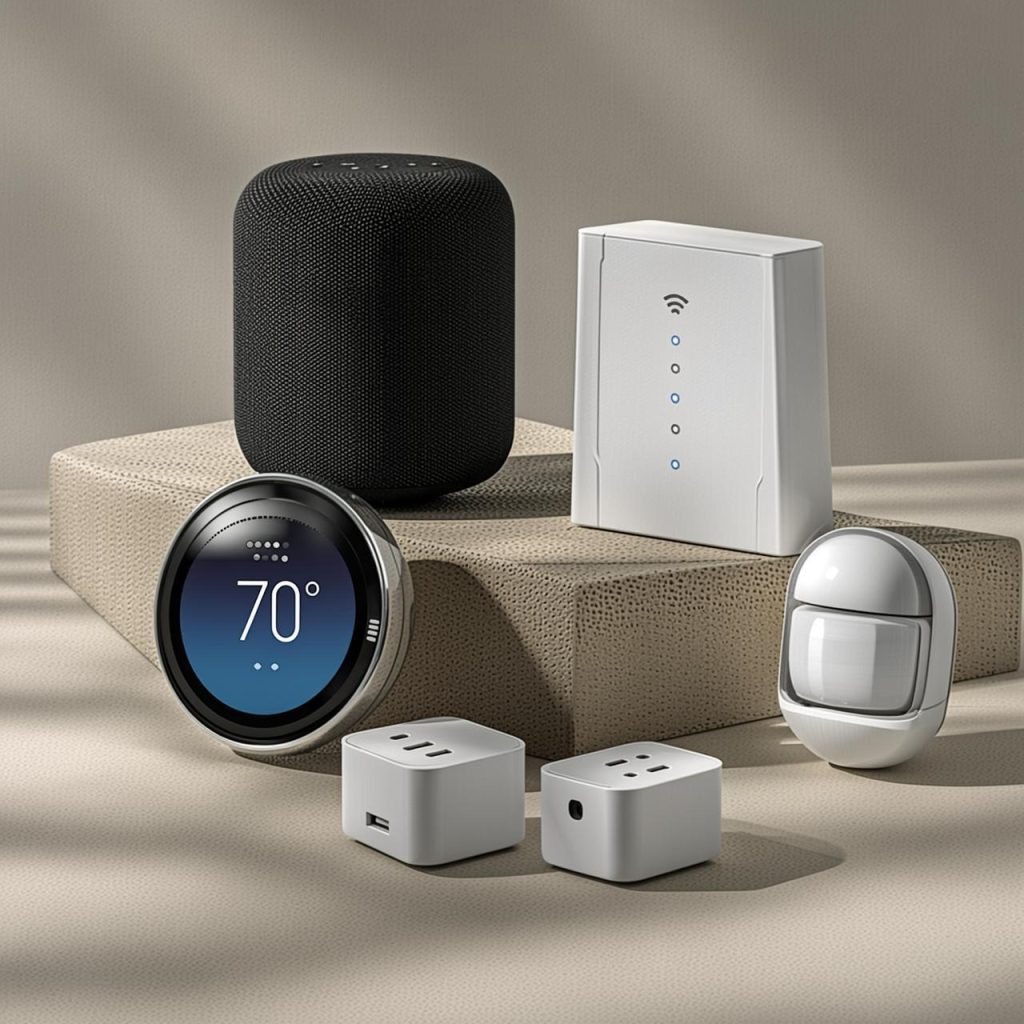
Connectivity & Intelligence
1. The Rise of Matter: Finally Breaking the Walled Gardens
For years, the smart home industry was plagued by a deep-seated fragmentation that stifled innovation and frustrated even the most tech-savvy consumers. It was a digital wild west where users were forced to navigate a labyrinth of competing protocols: Zigbee here, Z-Wave there, Wi-Fi everywhere, and the ever-present divisiveness between Apple HomeKit, Google Home, and Amazon Alexa. This created a reality where a homeowner might need a separate bridge for their lights, another for their locks, and yet another for their sensors, resulting in a messy pile of hardware and a congested Wi-Fi network. The market was effectively Balkanized; you were either an Apple household, a Google household, or an Amazon household, and crossing those borders was often impossible. The result was a disjointed user experience where devices lived in silos, refusing to talk to one another without complex workarounds, costly middleware, or unreliable IFTTT applets.
However, the introduction of Matter, a universal connectivity standard backed by the Connectivity Standards Alliance (CSA), is fundamentally rewriting this narrative. Matter is not merely another protocol to add to the pile; it is a unifying language designed to bridge the divide. By operating over Internet Protocol (IP) and often pairing with the low-power, mesh-networking technology Thread, Matter allows devices from different manufacturers to communicate locally and seamlessly. This means a smart lock from one brand can finally trigger a thermostat from another, regardless of the ecosystem they were born into. It represents a monumental “peace treaty” among historic rivals—Apple, Google, Amazon, and Samsung, signaling the end of the walled garden era and the beginning of true interoperability where the consumer chooses the best device for the job, not just the one that works with their hub.
Matter represents far more than just another technical specification to worry about. Think of it as a long overdue peace treaty between tech giants who spent years building walls around their customers. For a long time, these companies wanted you to stay locked inside their specific ecosystems, buying only their branded gear. Matter changes that entire dynamic. Because it operates over Internet Protocol, it allows your devices to talk to one another directly right inside your house. They do not need to send signals out to a server farm hundreds of miles away and back just to turn on a light or lock a door. This shift toward local communication is monumental because it makes your smart home faster, more reliable, and more private.
Imagine buying a smart lock from one company and a voice assistant from another, and they just work together right out of the box. You do not need to check compatibility charts or download three different apps to make them talk. This unlocks a level of interoperability that used to be the stuff of science fiction. The restrictive walled gardens that once trapped consumers are finally crumbling. We are entering an open field where you can finally choose devices based on quality and the features you actually want, rather than being forced to buy something just because it is compatible with the system you already own. It puts the freedom of choice back where it belongs: in the hands of the homeowner.
2. Generative AI Integration: When Your House Learns Your Habits
The integration of Generative AI into smart home architecture marks a pivotal transition from simple remote control to genuine predictive automation. For the longest time, smart homes were actually quite dumb in practice. They were reactive, waiting for a specific voice command or a rigid schedule to act. If you said the exact right phrase, the lights turned on. If you did not, nothing happened. Today, the infusion of Large Language Models is completely changing that dynamic. It allows the home to understand context, nuance, and intent in ways we have never seen before.
Recent developments from major players like Google and Amazon highlight this shift. They are moving away from pre programmed routines and toward conversational intelligence. Instead of barking orders, you can now have a dialogue with your home. You can simply say you are feeling cold, and the system understands that it needs to raise the temperature, whereas older systems would have just replied with a confused apology. This is powered by the ability of AI to analyze complex data streams in real time.
Imagine a home that does not just turn on the lights at sunset, but adjusts the color temperature based on the weather forecast and your circadian rhythm to help you wind down. Picture a kitchen that suggests recipes based on the expiration dates of items in your smart fridge and your specific dietary goals. This is not futuristic speculation anymore. Companies like LG and Samsung are already showcasing appliances that use AI to optimize energy consumption and reduce food waste. Generative AI enables the home to process vast amounts of data, from energy usage patterns to occupancy sensors, to create a living environment that anticipates needs before the occupant is even aware of them. This is the dawn of the cognitive home, an entity that evolves and adapts its personality to match the lifestyles of its inhabitants, making the technology feel less like a tool and more like a companion.
3. The Shift to Ambient Computing: Technology That Fades into the Background
The ultimate goal of technology is to become invisible. We are witnessing a decisive shift away from the smartphone as the central hub toward “ambient computing.” In this paradigm, the technology recedes into the background, woven into the fabric of the walls, the furniture, and the infrastructure. The reliance on clunky app interfaces is diminishing.
Instead, the home becomes the interface. Sensors embedded in drywall detect presence; microphones tucked into light fixtures listen for commands; and displays blend seamlessly with cabinetry. This trend prioritizes the “human experience” over the “tech experience.” You no longer need to fumble for your phone to change the thermostat; the house knows you are home, senses the temperature is rising, and adjusts the climate automatically. It is a move toward a frictionless existence where technology serves without demanding attention.
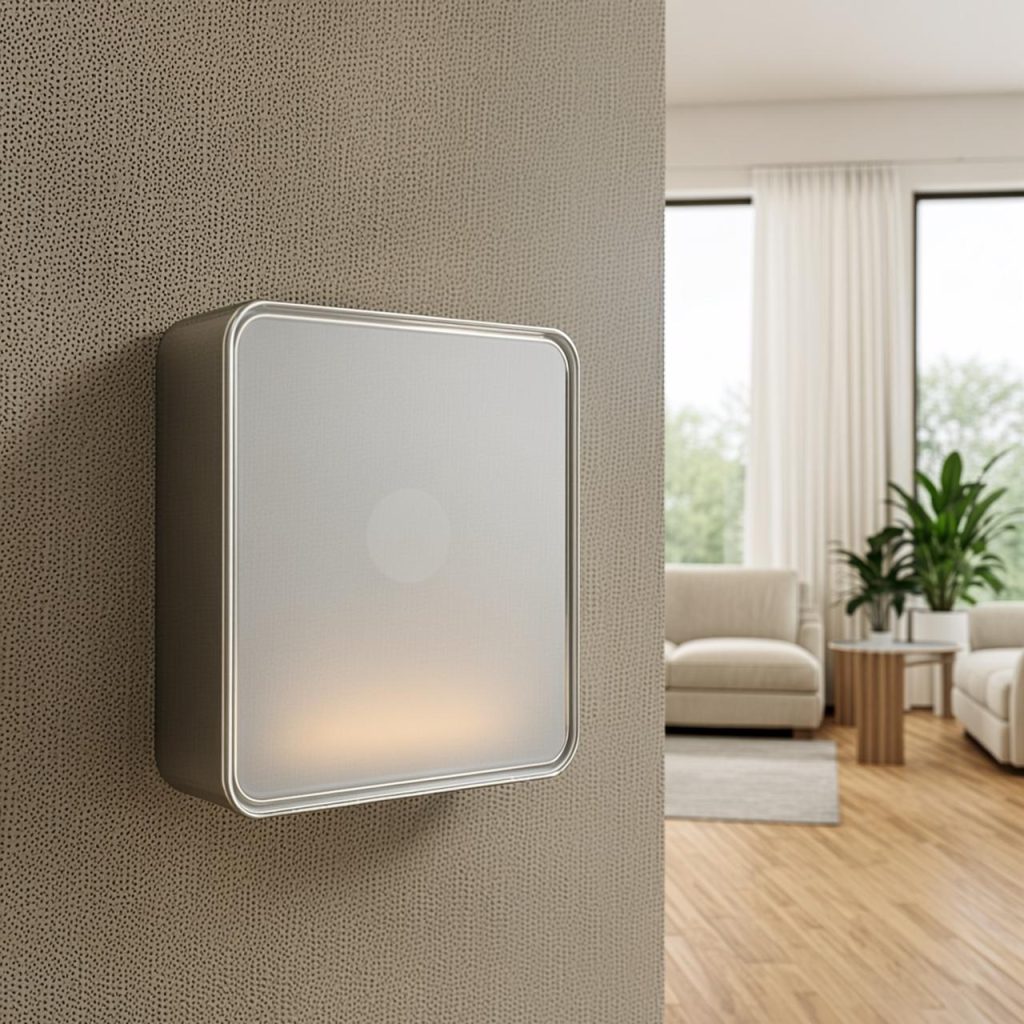
4. Beyond Voice Commands: The Emergence of Gesture and Eye Control
While voice assistants like Alexa and Siri have become household staples, they are not without their fair share of friction. We have all experienced the frustration of shouting a command at a speaker over the sound of a blender or a barking dog, only to have the device misinterpret us or ignore us entirely. There is also a social friction to consider. Speaking commands aloud feels natural when you are alone, but it can feel intrusive or awkward when you have guests over or when you are trying not to wake a sleeping partner in the bedroom.
The next frontier in human machine interaction involves multi modal inputs, specifically gesture and gaze control. This technology leverages advancements in radar sensing and computer vision, similar to the sophisticated sensors found in modern smartphones and virtual reality headsets, to allow our devices to interpret physical cues rather than just vocal ones.
A prime example of this innovation is the integration of radar chips, such as the Soli technology developed by Google, into smart displays and speakers. These sensors are capable of detecting sub millimeter motions without ever engaging a camera, which is a crucial distinction for those worried about privacy. A simple wave of the hand can now dismiss an alarm or skip a music track without making a sound.
Even more impressive is gaze detection. A smart display can recognize when you are looking directly at it and wake up to show you relevant information, then automatically dim the screen the moment you look away to save energy and reduce light pollution. This capability is particularly impactful in the kitchen, often the messiest room in the house. When your hands are covered in flour or raw chicken, the last thing you want to do is touch a screen or fumble for your phone. With gesture control, you can set timers or scroll through recipes with a mere flick of the wrist. It offers a silent, intuitive, and almost magical way to interact with the environment, significantly reducing the cognitive load required to control one’s surroundings and making the technology feel less like a tool and more like a natural extension of ourselves.
Energy & Sustainability
5. Smart Energy Management: From Monitoring to Autonomous Optimization
As utility costs soar and grid instability becomes a concern, the smart home is morphing into a personal power plant. We have moved past simple smart thermostats. The new trend is “whole-home energy management systems” (HEMS). These sophisticated platforms connect the home’s solar panels, battery storage, EV chargers, and heavy appliances into a unified brain.
These systems do not just report how much energy you used yesterday; they autonomously decide when to use it. For example, a smart panel might detect that solar production is peaking at noon and automatically pre-cool the house or start the EV charging session to take advantage of the free energy. At night, during peak rate hours, the system draws from stored battery power rather than the grid. This autonomous shifting of loads represents a massive leap toward energy independence and financial efficiency.
6. Water Conservation 2.0: Intelligent Irrigation and Leak Prevention
Water is rapidly becoming one of the most critical resources on the planet, and smart home technology is rising to the challenge with what experts are calling Water Conservation 2.0. This movement goes far beyond the basic smart sprinkler timers that dominated the market a few years ago. We are now seeing the widespread adoption of AI driven irrigation systems that function more like agricultural scientists than simple timers.
These sophisticated controllers utilize hyper local weather data, physical soil moisture sensors, and even satellite imagery of the user’s lawn to calculate the precise amount of water needed for each specific zone of a garden. By factoring in evapotranspiration rates and soil absorption, these systems eliminate the wasteful runoff that plagues traditional irrigation. Research indicates that these smart controllers can reduce outdoor water usage by up to 50 percent in some regions, a massive saving given that landscape irrigation is often the largest consumer of residential water.
Inside the home, the focus has shifted from simple convenience to active disaster prevention. Water damage is consistently one of the most frequent and expensive insurance claims homeowners face. Intelligent leak detectors have evolved from those simple, battery powered moisture alarms that beep when they get wet to comprehensive whole home water monitors.
These advanced devices mount directly onto the main water line entering the house. Using precision ultrasonic technology, they monitor the flow rate and pressure with incredible accuracy. They learn the unique “fingerprint” of your plumbing system, meaning they can differentiate between a faucet left running, a shower in use, and the erratic flow pattern of a burst pipe. If the system detects a signature consistent with a catastrophic leak, it can automatically shut off the water supply to the entire home, preventing catastrophic damage before the homeowner even knows there is a problem. This technology is becoming so effective that many insurance companies are now offering premium discounts to homeowners who install these automatic shut off systems, recognizing them as a vital safeguard for modern infrastructure.
7. The Solar Integration: Smart Panels and Home Battery Ecosystems
The electrification of the home is accelerating, driven by the need to decarbonize. However, installing solar panels is no longer a standalone project; it is the anchor of a complex ecosystem. The trend now centers on the seamless integration of solar with smart electrical panels and home batteries.
Modern smart electrical panels allow homeowners to digitally control every circuit in their breaker box. During a power outage, the system can isolate the home from the grid and run essential circuits (like the refrigerator and lights) off the battery and solar, extending the duration of backup power significantly. This trend transforms the homeowner from a passive consumer of electricity into an active “prosumer” who generates, stores, and manages their own power, safeguarding their home against the increasing frequency of extreme weather events.
8. Carbon Footprint Tracking: Devices That Help You Live Greener
Consumer consciousness regarding climate change is driving demand for transparency. Smart devices are now equipped with the capability to track and report on carbon footprints in real-time. Smart plugs, thermostats, and appliances now feature dashboards that translate kilowatt-hours into metrics like “trees saved” or “CO2 avoided.”
This data-centric approach gamifies sustainability. Families can compete to lower their monthly carbon score, and the system can provide actionable insights, such as suggesting that running the dishwasher at 2:00 AM is cleaner for the grid than running it at 6:00 PM due to the energy mix available at those times. By making the invisible impact of consumption visible, these devices empower users to make ethical choices effortlessly.
Health & Wellness
9. The Bedroom Revolution: Advanced Sleep Tech for Better Rest
We are currently living through a profound sleep revolution, and the bedroom has firmly established itself as ground zero for this wellness shift. The modern smart bedroom has effectively transformed into a high tech sleep laboratory designed to optimize our downtime. We are seeing a rapid proliferation of smart mattresses that utilize active temperature regulation. These are not simple heating pads; they are sophisticated systems pumping water or air through internal channels to maintain the optimal thermal environment for deep sleep. This is crucial because research shows our bodies need to drop in temperature to initiate sleep and stay in restorative cycles. These mattresses use biometric feedback to make micro adjustments throughout the night, ensuring the sleeper stays in the ideal zone without waking up shivering or sweating.
Furthermore, the trend is moving decisively toward non invasive sleep tracking. Thin, unobtrusive sensors placed under the mattress can now monitor heart rate variability, breathing rates, and movement without the user needing to wear a watch or strap. This is a significant improvement over wearables, which can be uncomfortable and disrupt the very sleep they are trying to measure. This data does not just sit on a spreadsheet; it feeds directly into the broader home ecosystem. Imagine your home recognizing that you are in a light sleep phase at 6:45 AM and gently triggering the coffee machine to start brewing. Simultaneously, smart window shades can slowly raise to simulate a natural sunrise. This gradual exposure to light helps regulate cortisol levels and suppress melatonin production, leading to a refreshed awakening that feels natural rather than the jarring shock of a traditional alarm clock.
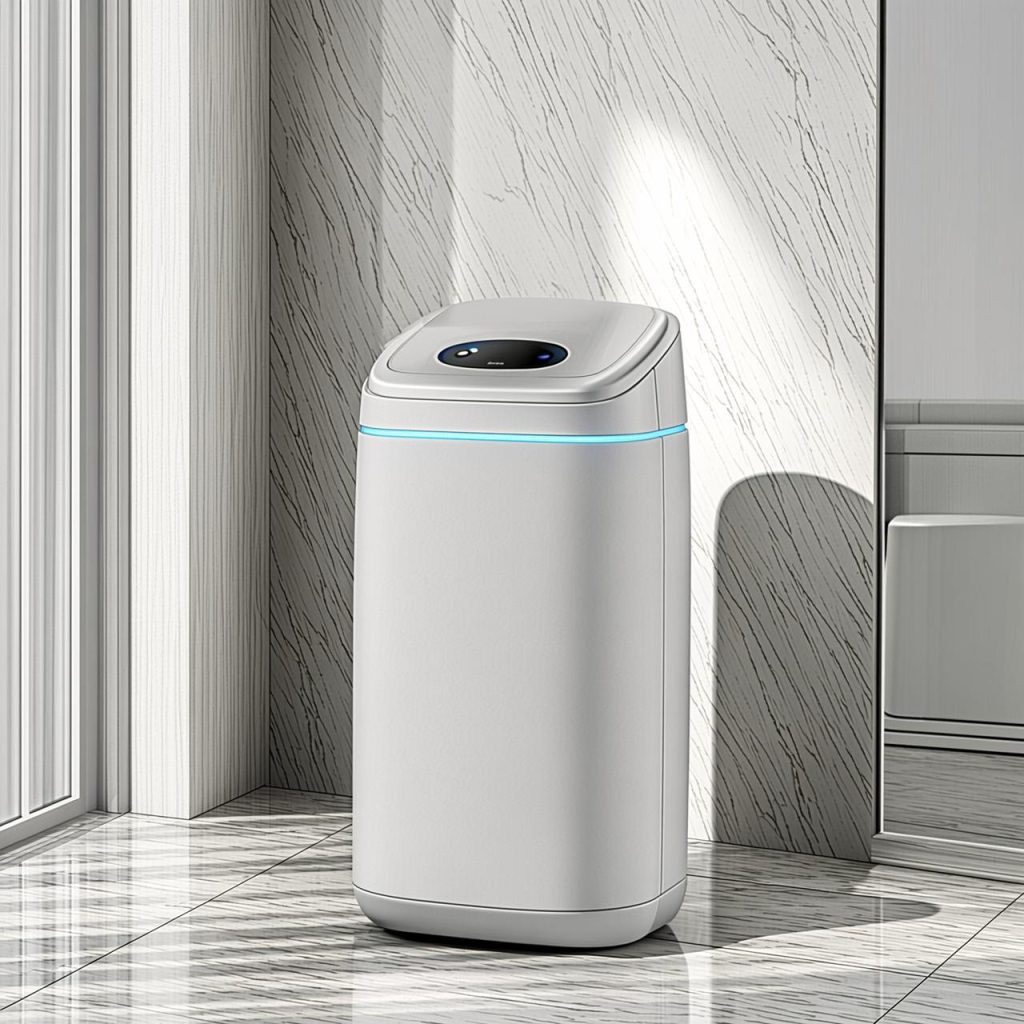
10. Indoor Air Quality Monitors: The New Essential Appliance
In the wake of the global pandemic, the quality of the air we breathe indoors has taken center stage in a way we have never seen before. For decades, we treated air quality as an outdoor problem, worrying about smog and city pollution, but the reality is that the air inside our homes can be significantly more polluted than the air outside. The Environmental Protection Agency has long noted that indoor air can be two to five times more polluted than outdoor air, a statistic that has finally resonated with the general public.
It is no longer enough to simply heat or cool the air; we must actively purify and monitor it. Advanced air quality monitors are becoming standard fixtures in modern smart homes, moving beyond simple temperature readings to track invisible threats like Particulate Matter known as PM2.5, Volatile Organic Compounds known as VOCs, Carbon Dioxide, and humidity levels.
The true power of these devices lies in their ability to connect and act on data, not just display it. Consider the impact of Carbon Dioxide. We have all felt that sluggish, heavy feeling in a crowded room. Research from institutions like Harvard has confirmed that high CO2 levels directly impair cognitive function, causing drowsiness and reducing our ability to make decisions. When a smart monitor detects these levels rising, it can automatically communicate with the HVAC system to bring in fresh air, effectively waking up the room without the occupant lifting a finger. Similarly, if a cooking mishap spikes VOCs from burnt food or gas stoves, the smart hood fan can turn on automatically. This automation ensures a healthy environment without constant manual intervention, turning the home into a proactive sanctuary for respiratory health.
11. Aging in Place: How Smart Tech Is Supporting Senior Independence
One of the most profound applications of smart home technology is “Aging in Place.” As the global population ages, there is a massive push to use technology to allow seniors to remain in their homes safely rather than moving to assisted living facilities. This involves a network of passive sensors that monitor daily routines without being intrusive.
Sensors on pill bottles can remind seniors to take medication; motion sensors can detect if a person has fallen or deviated from their normal routine (e.g., not entering the kitchen by 9:00 AM), sending alerts to family members. Smart voice assistants serve as easy-to-use interfaces for calling for help or controlling lights for those with mobility issues. This trend is shifting healthcare from reactive hospital visits to proactive, home-based monitoring.
12. Circadian Rhythm Lighting: Mimicking Nature for Better Health
Artificial light has long been blamed for disrupting human sleep cycles and health. The latest trend in smart lighting moves beyond dimming and color-changing to “human-centric lighting” or circadian rhythm lighting. These systems are designed to mimic the natural progression of daylight.
In the morning, the lights emit a cool, blue-rich white light that suppresses melatonin and promotes alertness. As the day progresses, the light automatically warms and dims, reducing blue light exposure in the evening to encourage natural melatonin production and restful sleep. This technology transforms the home into a regulator of biological health, combatting the negative effects of modern indoor lifestyles.
Security & Privacy
13. Biometric Entry Systems: Moving Beyond Keys and Codes
The physical key is becoming a relic of the past, and even numeric keypads are beginning to feel antiquated. The new standard for home security is biometric authentication. Smart locks now feature fingerprint scanners that are fast, reliable, and capable of storing multiple user profiles.
However, the frontier is facial recognition and contactless entry. New video doorbells and locks utilize 3D facial mapping to recognize residents and unlock the door as they approach, without the user needing to lift a finger. This technology eliminates the risk of lost keys or shared codes, offering a seamless yet highly secure entry experience that verifies not just a credential, but the person themselves.
14. Edge Computing: Processing Data Locally for Ultimate Privacy
As smart homes become more sophisticated, concerns about privacy have escalated. Sending video feeds and voice recordings to the cloud for processing raises significant security risks. The industry is countering this with a massive shift toward “Edge Computing.”
This trend involves packing powerful processors directly into the devices—a smart camera, a doorbell, or a local hub—so that data processing happens locally, inside the home. Face recognition, motion detection, and voice command processing are executed on the device itself. This means that video footage of your family or recordings of your conversations never leave your home network, drastically reducing the attack surface for hackers and protecting user privacy from corporate data mining.
15. Proactive Security: AI Cameras That Predict Threats Before They Happen
Security cameras used to be passive witnesses. They acted like silent historians, recording crimes only after they happened and often leaving homeowners with nothing but a video file to hand over to the police or insurance company. Today, the integration of artificial intelligence has transformed these devices into proactive guardians. This shift represents a massive leap forward in residential security technology. Utilizing advanced computer vision, these cameras have moved far beyond the primitive motion detection that plagued earlier models. In the past, a swaying tree branch, a passing car, or a stray animal would trigger a relentless stream of false alarms, desensitizing homeowners to actual threats. Modern cameras utilize on device neural networks trained on millions of images to distinguish between irrelevant movement and genuine human presence with startling accuracy.
They can now analyze specific behavior patterns with incredible sophistication. For instance, a camera might detect loitering on a porch, recognizing that a person is lingering in a specific zone for an unusual amount of time. They can even identify specific actions, such as a person carrying a package leaving the house at an odd hour, which might indicate a theft in progress. Upon recognizing a potential threat, the system takes immediate action rather than just recording the event. It can trigger deterrents automatically, such as blaring a loud siren, activating blinding floodlights, or playing a warning message through a speaker. This capability effectively stops a crime before it begins, turning the security camera from a simple observer into an active defender of the home.
16. The Privacy Paradox: Balancing Convenience with Data Security
Despite the rapid technological advancements, the Privacy Paradox remains a central and somewhat unsettling theme in the smart home narrative. It creates a strange psychological tug of war for consumers. We desperately want the convenience of a connected home, craving the ability to control our environment with a whisper or a glance, yet we are increasingly terrified of the surveillance implications.
We are essentially inviting listening devices and watching eyes into our most private sanctuaries. This tension is not just theoretical; it is driving a tangible demand for privacy focused design. High profile incidents involving hacked baby monitors or revelations that tech contractors were listening to voice recordings to improve AI accuracy have spooked the market. People are realizing that the convenience of a smart assistant often comes at the cost of their personal data being used to train algorithms or target advertisements.
Manufacturers are finally responding to this anxiety with concrete hardware solutions rather than just vague promises in user agreements. We are seeing a return to physical security. New smart cameras now come equipped with hardware shutters that physically block the lens, offering a visual guarantee that nobody is watching. Similarly, smart speakers and displays often feature physical buttons that completely disconnect the microphone, ensuring that no power reaches the listening components.
There is also a significant and growing trend toward local storage for security footage. For years, the only option was to pay a monthly subscription to store your video clips in the cloud, effectively handing over your private security footage to a corporate server. Now, devices are supporting local storage via SD cards or Network Attached Storage, allowing users to avoid those recurring fees while simultaneously keeping their sensitive visual data within the four walls of their home. Navigating this delicate balance between a helpful, omniscient assistant and an invasive spy will continue to define consumer trust in the coming years. The brands that can prove they respect the sanctity of the home will be the ones to earn long term loyalty.
Lifestyle & Design
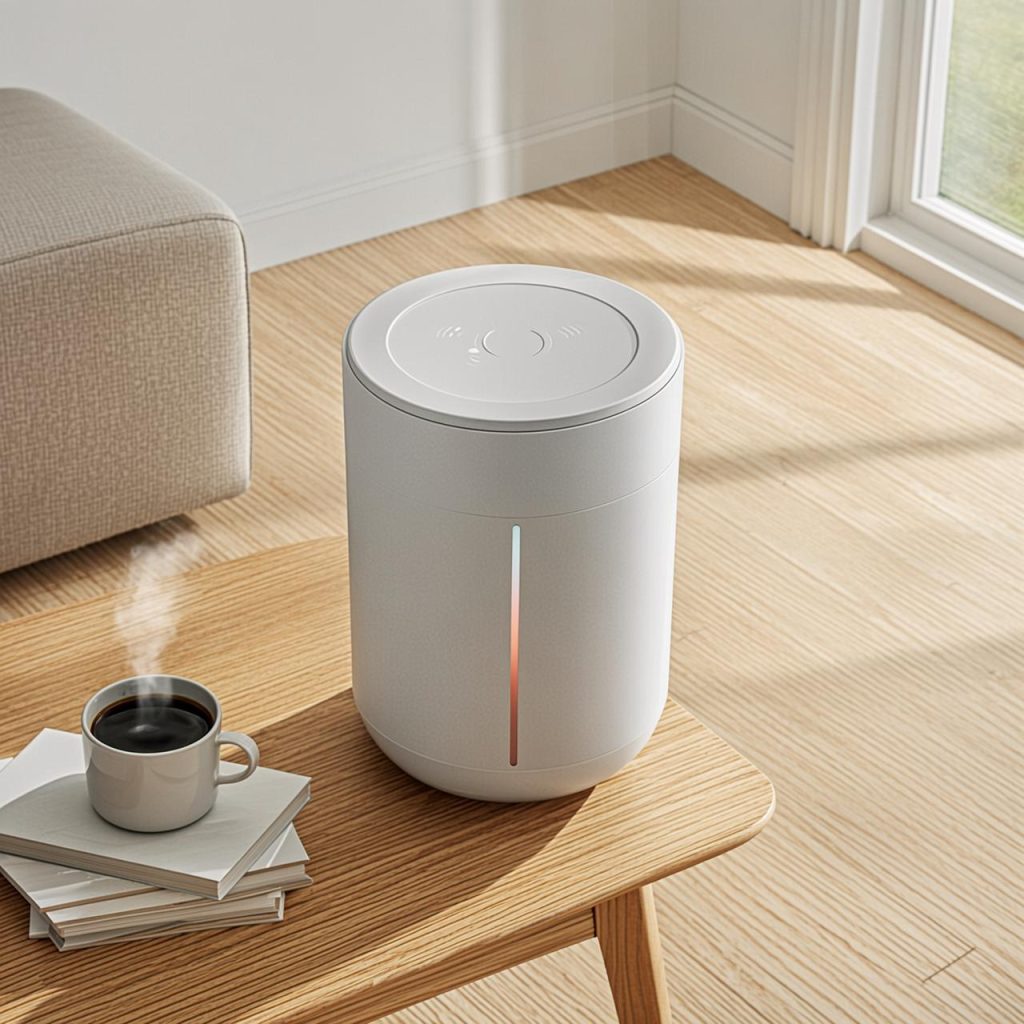
17. The Invisible Home: Gadgets That Blend seamlessly with Decor
The stark, industrial aesthetic that defined the first wave of smart home technology is finally falling out of favor. For years, consumers were forced to accept the “techy” look, characterized by blinking LEDs, sterile white plastic rectangles, and messy bundles of wires that clashed with carefully curated interior design. It seemed that manufacturers expected us to build our living rooms around our routers and hubs, rather than the other way around. However, the latest trend is a direct response to this visual pollution: the “invisible home.” This design philosophy dictates that technology should be disguised as art or architecture, blending seamlessly into the background until it is needed. Designers are now prioritizing aesthetics just as highly as functionality, acknowledging that a device needs to look good if it is going to live on a coffee table or a kitchen wall.
We are seeing a blossoming of this approach across every product category. Smart speakers, once obvious plastic pucks, are now wrapped in woven fabrics and housed in shapes that resemble artisanal bowls or sculptural vases. The television, long considered the ugly focal point of the living room when turned off, has undergone a transformation thanks to innovations like Samsung’s “The Frame.”
These displays utilize matte screens and interchangeable bezels to mimic canvas paintings, allowing the device to display famous artwork when not in use, effectively becoming a dynamic piece of decor. Even the humble light switch is getting a makeover. Companies are moving away from the utilitarian paddle switches of the past, introducing smart toggles and buttons that mimic the tactile, satisfying click of vintage toggle switches or the elegance of antique brass hardware. The ultimate goal is to destigmatize the look of technology, ensuring that the home feels warm, inviting, and lived in, rather than resembling a cold server room or a sterile laboratory.
18. The Smart Kitchen: AI Ovens and Inventory-Tracking Fridges
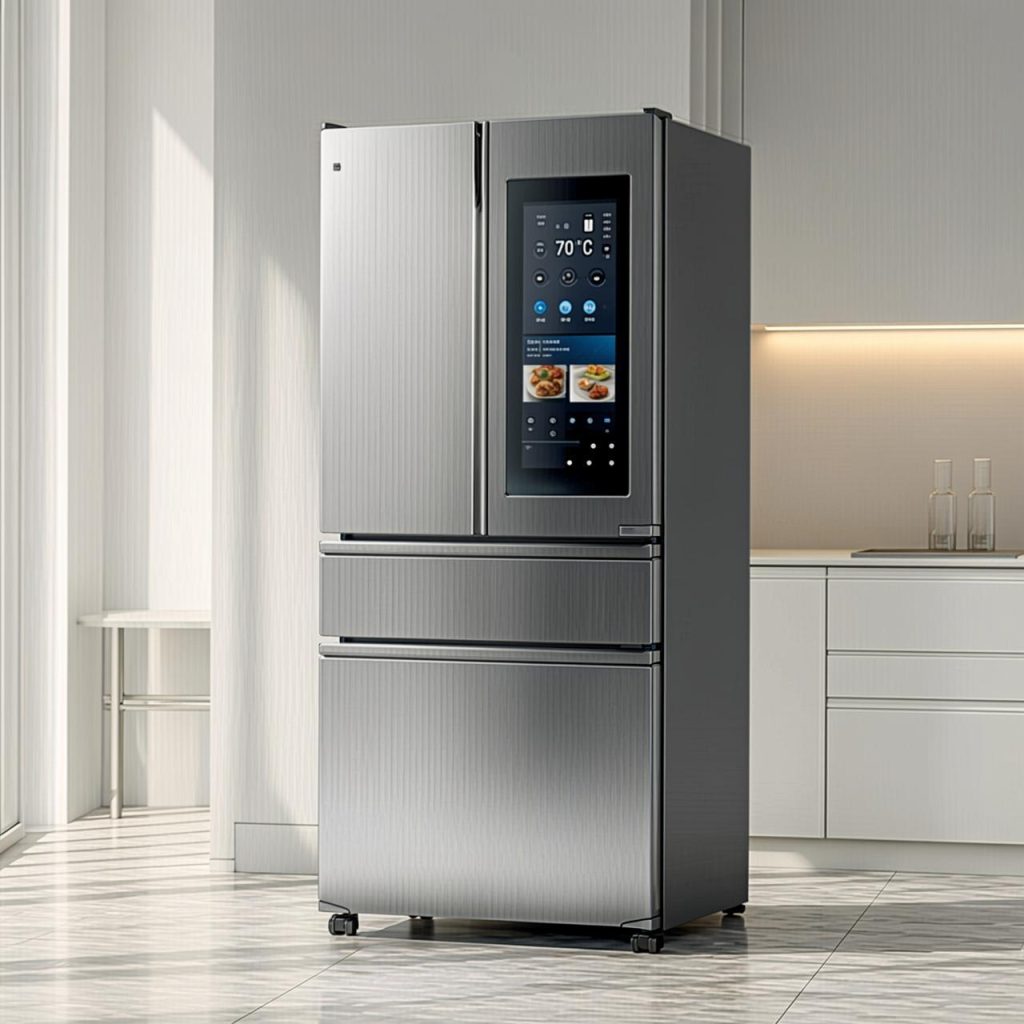
The kitchen is undergoing a renaissance of automation. The modern smart kitchen focuses on reducing food waste and culinary skill gaps. AI-powered ovens now feature internal cameras that recognize the food being cooked (e.g., distinguishing a pizza from a casserole) and automatically adjust the time and temperature for perfect results.
Refrigerators have evolved into food management centers. Using internal cameras and RFID tags, they can track inventory, alert users when milk is running low, and even suggest recipes based on ingredients that are about to expire. This connectivity aims to streamline the logistics of feeding a household, making the kitchen more efficient and less wasteful.
19. Pet Tech Boom: Automated Care for Furry Family Members
The pet industry is massive, and smart home technology is rushing to capitalize on it in fascinating ways. We are witnessing a cultural shift where pets are increasingly viewed as full fledged family members, and owners are willing to invest heavily in their well being. This has given rise to a booming sector known as “pet tech,” which is entirely dedicated to the health and happiness of our furry companions. One of the most practical applications of this technology is in nutrition management.
Pet obesity has become a significant health crisis, leading to shorter lifespans and chronic conditions. Smart feeders address this directly by dispensing food on precise schedules with exact portion control, removing the temptation for owners to overfeed or give in to begging eyes. Similarly, smart water fountains do more than just filter water; they track hydration levels over time, which is a critical metric for cats and dogs prone to kidney or urinary tract issues.
Beyond physical health, technology is also tackling the emotional well being of pets. Separation anxiety is a real struggle for many animals when their owners leave for the day. Interactive cameras have evolved to bridge this gap, allowing owners to not only check in visually but also speak to their pets and dispense treats remotely. This interaction can soothe a lonely dog or cat, breaking up the monotony of the day.
Perhaps the most significant advancement is the rise of health tracking collars. Just as humans use smartwatches to monitor their vitals, these wearable devices for pets track activity levels, sleep quality, and even resting respiratory rates. This creates a baseline of normal health for the specific animal. If the device detects a sudden drop in activity or a change in sleeping patterns, it can alert the owner early, often catching illnesses before they become symptomatic. This data is also invaluable for veterinarians, allowing for a more collaborative and proactive approach to medical care. This trend ensures that pets benefit from the connected lifestyle just as much as their owners, leading to longer, healthier, and happier lives together.
20. Robotic Assistants: The Evolution from Vacuums to Multi-Tasking Helpers
The robot vacuum cleaner was the undisputed pioneer of domestic robotics, serving as the gateway device that introduced millions of households to the concept of automated labor. For a long time, these little pucks were solitary creatures with a singular, albeit helpful, purpose: sucking up dust. However, the category is evolving rapidly, moving far beyond simple carpet maintenance. We are now witnessing the emergence of multi functional home robots that serve as active participants in the household rather than just cleaning tools. These are no longer just floor sweepers; they are becoming mobile hubs equipped with advanced sensors, screens, cameras, and even rudimentary manipulators.
The most immediate evolution has been in autonomy. Modern flagship robots do not just vacuum and mop; they also maintain themselves. Advanced docking stations now handle the dirty work, automatically emptying dustbins into sealed bags and washing and drying mop pads after every run. This effectively removes the last bit of human intervention required, making the cleaning process truly invisible. But the real shift is in utility. Newer robots are being designed with security and logistics in mind. They can patrol the home as mobile security guards, using their cameras and speakers to act as remote sentinels, and some can even follow you around with a screen for video calls. To understand how these mobile robots are starting to act as the central brain of your home, you can read more in our guide on the best smart home hub ecosystem.
We are also seeing the early stages of robots capable of object recognition and retrieval. While we are still a few years away from fully realizing the “Rosey the Robot” dream of a mechanical maid that can fold laundry, the trajectory is clear. Robots are transitioning from single purpose tools to general purpose assistants capable of handling a variety of household chores. As these devices become more integrated into our daily routines, choosing the right platform becomes critical. For a deeper look at which systems are leading the pack, check out our expert comparison of smart home hubs and ecosystems for 2026. This trend signifies a major step forward, where robots elevate our living standards not just by doing the work we hate, but by enhancing the way we interact with our environment. To see how these robotic advancements fit into the bigger picture, explore our comprehensive overview of smart home trends that elevate your living.

Angel Cee is a Full stack LAMP and webapps developer, solo founder of ROIpad a product positioning and market research tool.
ROIpad is owned by Adewumi Abake LTD, incoporated in Nigeria on July, 2023 under the companies and allied matters act 2020. Company registration number: 7035318
Angel Cee has worked as a systems and software developer in a few large organizations both in Nigeria and Russia. Most notable of which was his position as a software product developer at Altan I.T. school, I.T. Park, Yakutsk, Russia.