
 SaaS Metrics

Best Home IoT Platform for Large Households in 2026
As of April 2026, the aspiration for a truly smart home has moved beyond simple voice commands and automated lights. For large households, the challenge isn't just about connecting a few devices; it's about orchestrating a complex network of sensors, appliances, and security systems to work seamlessly across multiple rooms, users, and diverse needs. Identifying the best complete home IoT platform for large households 2026 requires a deep understanding of scalability, interoperability, robust security, and intuitive user management. This article builds upon our earlier insights shared on best smart home hubs and ecosystems for 2026, offering an even more granular analysis tailored specifically for extensive residential environments.
The Core Demands: What Makes the Best Complete Home IoT Platform for Large Households in 2026?
A large household, in the context of IoT, often signifies more than just a spacious dwelling. It implies a higher number of occupants with varied routines, numerous distinct zones or rooms, and a significantly greater density of smart devices. This intricate environment places unique and substantial demands on any IoT platform, far exceeding the requirements of a typical small apartment or single-family home.
Scalability and Device Density
For large households, scalability is non-negotiable. The chosen platform must effortlessly support dozens, potentially hundreds, of devices without any noticeable performance degradation. This includes a vast array of components, from smart bulbs, switches, and thermostats in every room to security cameras, smart door locks, garage door openers, and comprehensive entertainment systems. Each added device contributes to the network load and demands efficient, centralized management. The platform must be able to add new devices and users without requiring a complete system overhaul or introducing latency issues across the network. Consider a sprawling estate with multiple wings or floors; the system needs to maintain consistent responsiveness whether controlling a light in the master bedroom or checking a camera in the detached guest house.
Robust Connectivity and Network Management
Relying solely on a single Wi-Fi router is often insufficient for extensive properties. A powerful IoT platform for large homes needs to effectively manage a heterogeneous mix of wireless protocols—Wi-Fi (especially Wi-Fi 6E or Wi-Fi 7 for high bandwidth), Zigbee, Z-Wave, Bluetooth, and increasingly, Thread and Matter. A strong, reliable mesh Wi-Fi network is almost always a prerequisite to ensure every corner of a large property has consistent, high-speed connectivity. The IoT platform should not only integrate with these networks but also offer advanced tools for diagnosing network health, identifying bottlenecks, and optimizing device communication pathways. This ensures that a command issued from one end of the house reaches its device at the other end instantaneously.
Advanced Security and Privacy Controls
With a greater number of devices and users, the potential attack surface for cyber threats naturally expands. The platform must offer enterprise-grade security features, including robust end-to-end encryption for data in transit and at rest, regular and timely security updates, and granular control over data sharing permissions. Privacy settings should allow individual users within the household to manage their data preferences without compromising the overall system functionality. Understanding how systems handle user data, much like the considerations for Codex's Linux Sandbox, Bubblewrap & User Namespaces, is vital for maintaining system integrity and user privacy in complex, multi-user environments. A truly secure platform offers peace of mind that personal information and home access are protected from unauthorized access.
Granular User Management and Personalization
Different family members, and potentially staff or guests, will have varying needs and required access levels. A sophisticated platform allows for individual profiles, personalized routines, and restricted access to certain devices or functions. For instance, children might have limited control over thermostats or door locks, while parents or administrators have full oversight. This level of control extends to creating guest accounts with temporary access or setting up specific schedules for household employees. The ability to customize dashboards and voice assistant preferences for each user further enhances the personalized experience.
Seamless Integration and Interoperability
It's rare for any single brand to offer every smart device a large household might desire. Therefore, the best platforms act as universal translators, allowing devices from different manufacturers and ecosystems to communicate and cooperate harmoniously. This is where open standards like Matter become incredibly important, promising a more unified smart home experience as of 2026. A platform that embraces Matter significantly reduces vendor lock-in and expands the pool of compatible devices, making it easier to build out a comprehensive smart home without compromising on choice or functionality.
Reliability and Redundancy
Smart homes in large households cannot afford frequent outages or unresponsive devices. The platform needs to be inherently stable, with mechanisms for local control even if internet connectivity is temporarily lost. Critical automations, such as security system arming, lighting schedules, or climate control, should ideally function without cloud dependency. Redundancy in critical systems, such as backup power for hubs or alternative communication paths, is also a significant consideration for maintaining continuous operation.
Energy Management and Sustainability Integration
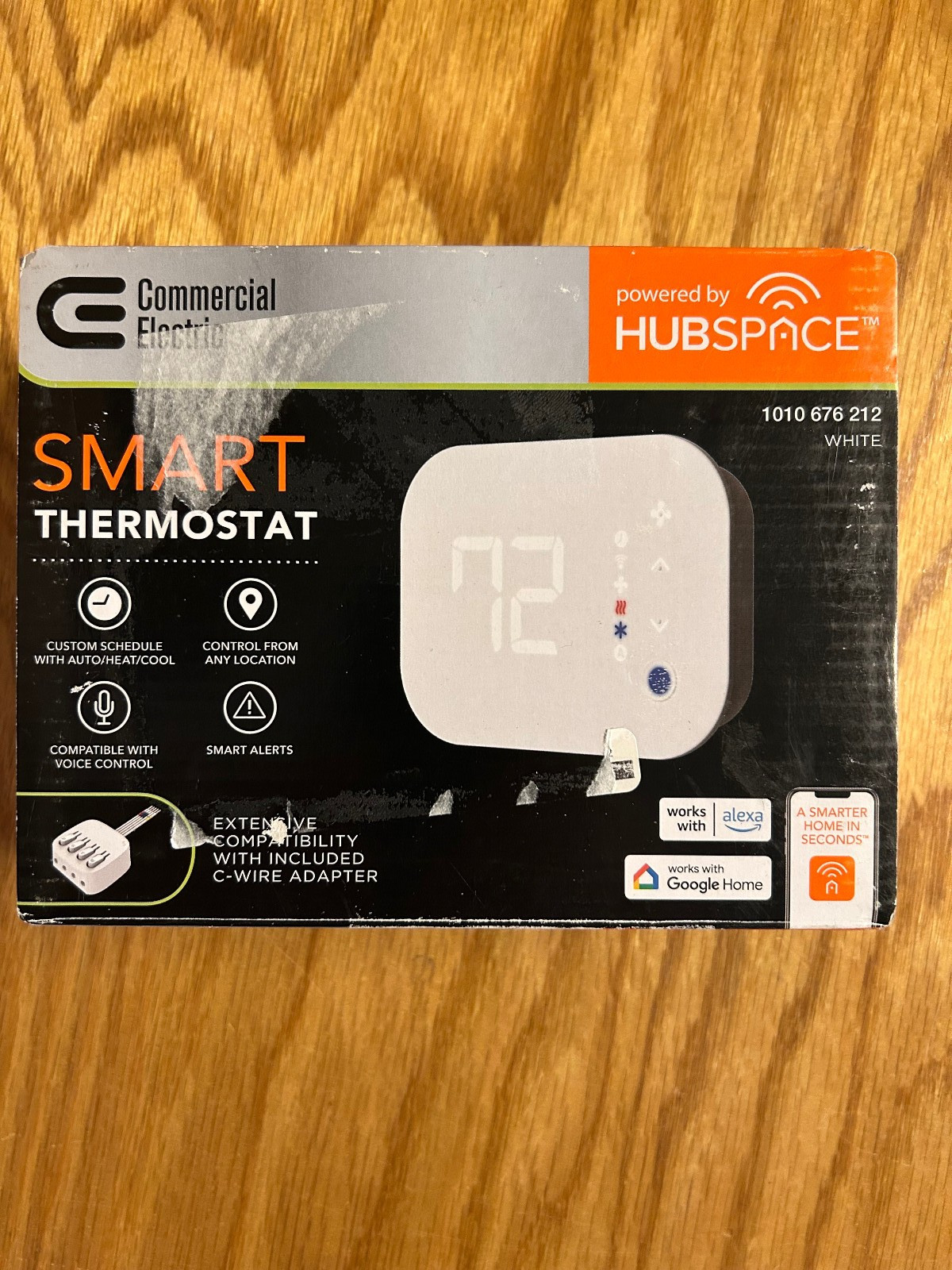
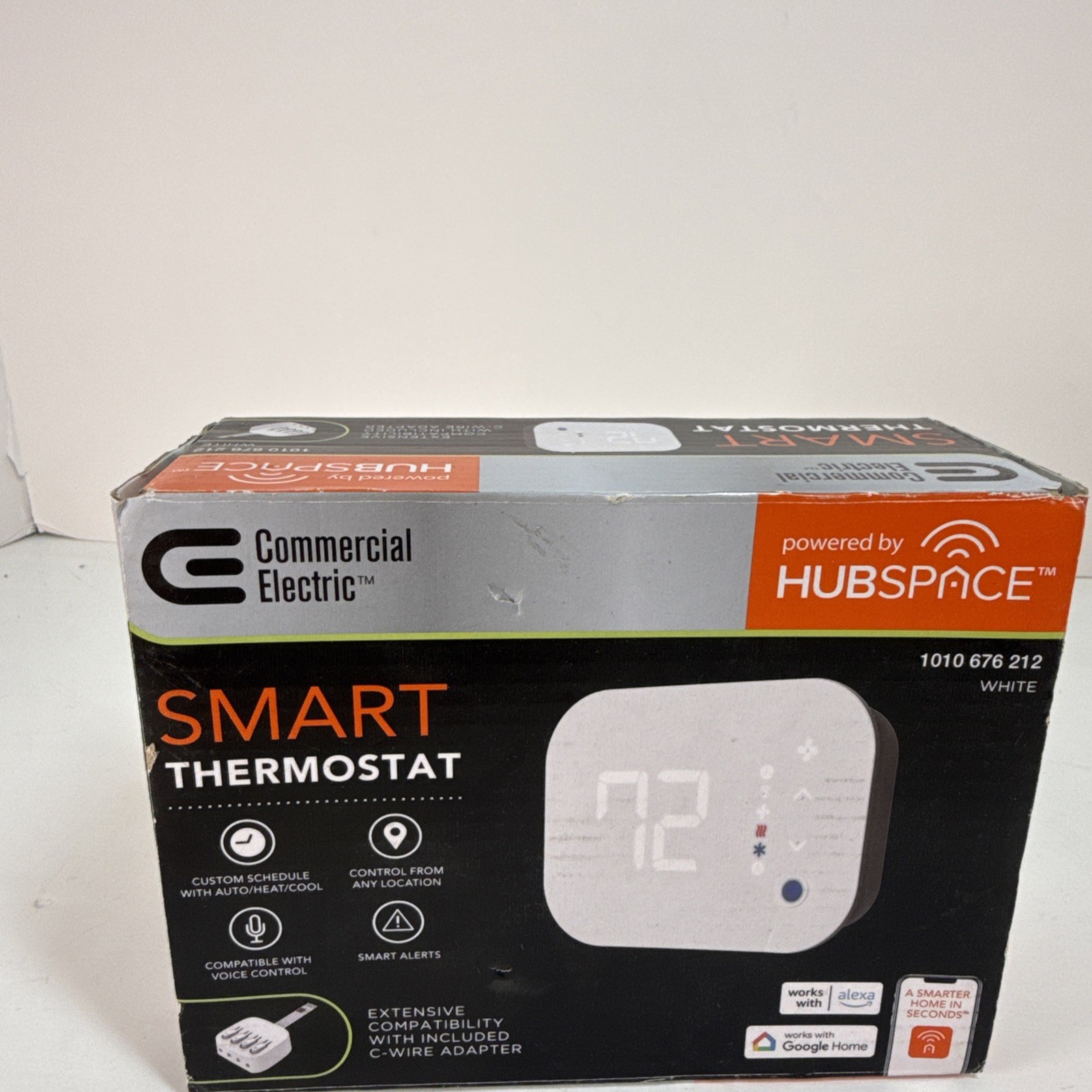
Large homes inherently consume more energy. An effective IoT platform can significantly optimize energy usage through smart scheduling, occupancy sensing, and sophisticated integration with renewable energy systems like solar panels and battery storage. The principles of continuous, real-time monitoring, as discussed in "A Comprehensive Review of Real-Time Feeder Monitoring and Auditing Systems: Architectures, Technologies, and Analytics for the Smart Grid" (crossref), are directly applicable to home energy management. Smart thermostats like the CE Smart Programmable Thermostat powered by Hubspace highlight how individual devices contribute to this larger goal by enabling custom schedules and remote climate control, supporting an energy-conscious environment by allowing users to manage their home's climate whether home or away.
Contenders for the Best Complete Home IoT Platform for Large Households 2026
Several major ecosystems and platforms compete for dominance in the smart home space. For large households, their inherent strengths and weaknesses become particularly pronounced when scaled to meet extensive demands.
Amazon Alexa (Echo Ecosystem)
Amazon's Alexa ecosystem remains a dominant force, primarily due to its extensive device compatibility and ubiquitous voice assistant. For large households, the sheer number of Alexa-compatible devices, coupled with affordable Echo speakers that often double as Thread border routers, makes scaling relatively straightforward. Alexa's routines and groups allow for complex automations across multiple rooms, and its multi-user voice profiles offer a degree of personalization. The platform excels at integrating a vast array of third-party devices, which is a major benefit for large, diverse smart home deployments. However, its heavy reliance on cloud processing raises privacy concerns for some users, and advanced local control options are comparatively limited. While extensive, managing a very large array of devices and intricate routines can sometimes feel cumbersome within the Alexa app, requiring careful organization.
Google Home (Nest Ecosystem)
Google Home, powered by Google Assistant and centered around Nest devices, offers strong integration with Google's broader services and powerful AI capabilities. Its ability to understand complex queries and context is a significant advantage, especially in a dynamic large household where natural language commands are preferred. Nest devices, particularly cameras, doorbells, and thermostats, are highly regarded for their design, advanced sensing capabilities, and functionality, making them ideal for securing and managing climate in large spaces. Matter support is a high priority for Google, which will further enhance interoperability across its ecosystem and with third-party devices. For large households, however, the ecosystem can still feel somewhat fragmented, with various apps (Google Home, Nest) sometimes required for full functionality of specific device types. Privacy considerations, similar to Amazon, are also a consistent point of discussion for users concerned about data collection.
Apple HomeKit
Apple HomeKit stands out for its strong emphasis on privacy, local processing, and tight integration within the Apple ecosystem. For large households already invested in Apple products, HomeKit offers a secure, responsive, and highly reliable experience. HomeKit accessories, while often positioned at a premium price point, adhere to strict security and quality standards. Apple's native Thread and Matter support, alongside HomePod mini speakers and Apple TV devices acting as robust home hubs, provides an excellent and resilient network foundation for extensive properties. User management is seamlessly handled through Family Sharing, allowing for intuitive control over user permissions. The primary limitation for large households is the more restricted device compatibility compared to Alexa or Google Home, meaning fewer budget-friendly options. For a more detailed breakdown of its capabilities and future prospects, refer to our Apple Smart Home Ecosystem Evaluation for 2026.
Samsung SmartThings
SmartThings has long been lauded for its broad device compatibility and exceptional flexibility, supporting a wide array of Zigbee, Z-Wave, and Wi-Fi devices. Its open approach allows for an extensive range of connected devices, making it particularly attractive for large households with diverse existing smart home technology or those who prioritize choice. The SmartThings Hub (or newer SmartThings Station) acts as a central brain, offering local processing for many automations, which significantly improves reliability and responsiveness, even during internet outages. This local processing capability is a major advantage for large, complex setups. However, the SmartThings app can be complex and intimidating for new users due requiring a deeper understanding of its extensive features, and the platform's overall stability has seen fluctuations over the years. Despite this, its versatility and protocol breadth make it a strong contender for those willing to invest time in configuration and who value extensive device options.
Open-Source Platforms (Home Assistant, Hubitat)
For the technically proficient large household, open-source solutions like Home Assistant and Hubitat offer unparalleled customization, robust local control, and a strong emphasis on privacy. Home Assistant, typically running on a local server (e.g., a powerful Raspberry Pi or a dedicated mini-PC), integrates with virtually every smart device and service imaginable, giving users complete control over their data, automations, and system architecture. Hubitat Elevation is a hub-based solution that prioritizes local processing for speed and reliability, requiring no internet connection for core automations. These platforms are ideal for users who want to avoid cloud dependence, subscription fees, and vendor lock-in, aligning with the philosophy of self-hosting open-source apps to maintain autonomy and data sovereignty. The trade-off is a steeper learning curve, a greater need for user maintenance, and a higher level of technical expertise required for setup and ongoing management. However, for sheer power, flexibility, and privacy, they are unmatched.
Evaluating Key Factors for the Best Complete Home IoT Platform for Large Households 2026
Network Reliability and Protocol Support
The foundation of any large smart home is its underlying network infrastructure. A platform's ability to seamlessly integrate and manage multiple protocols—Wi-Fi, Zigbee, Z-Wave, Bluetooth, Thread, and Matter—is non-negotiable for large households. Thread, with its self-healing mesh network, is ideal for low-power devices, ensuring commands reach distant sensors efficiently. Matter, as a unified application layer, promises easier device setup, improved interoperability across brands, and a more consistent user experience. Platforms that fully embrace and implement these standards will offer a superior experience for large households, significantly reducing compatibility headaches and improving device responsiveness. Investing in a robust mesh Wi-Fi 6E or Wi-Fi 7 system is equally vital, providing the necessary bandwidth and coverage for a high density of connected devices across a large property.
Advanced Automation and Artificial Intelligence
Simple "if this, then that" routines are often insufficient for the dynamic and complex needs of large households. The best platforms in 2026 incorporate advanced AI for proactive and predictive automation. This means systems that actively learn household patterns, anticipate needs, and adapt settings based on occupancy, time of day, weather conditions, external events, and even individual preferences. Imagine a system that automatically adjusts climate zones and lighting levels based on which family members are home and where they are located within the house, optimizing comfort and energy use simultaneously. Or a system that preemptively turns on exterior lights as a family member approaches, leveraging geofencing and historical data. Such AI capabilities move the smart home from reactive to truly intelligent, offering a level of convenience and efficiency that basic systems cannot match.
Data Security and Privacy Architectures
With more devices collecting more data, the security and privacy implications for large households are significant. Platforms that offer strong local processing capabilities, minimizing reliance on external cloud servers for sensitive data, are generally preferable. Robust encryption protocols, multi-factor authentication for all users, and transparent data policies are absolutely essential. The ability to isolate smart home networks from general household networks, similar to how Codex's Linux Sandbox uses Bubblewrap for user namespaces to create isolated environments, can provide an additional layer of security. As organizations like Huddle01 Cloud faced challenges with "traditional cloud bandwidth costs" and chose to "build the infrastructure themselves" (ph_comments), the trend towards more distributed and localized processing for IoT data is gaining traction, offering enhanced privacy and reduced latency for users who prioritize data sovereignty.
"The modernization of power distribution networks into intelligent Smart Grids necessitates a paradigm shift from periodic, manual inspections to continuous, real-time feeder monitoring and auditing. Traditional systems, reliant on legacy SCADA and manual meter reading, are plagued by high Aggregate Technical and Commercial (AT&C) losses, prolonged outage durations, and a lack of granular visibility into feeder health." — A Comprehensive Review of Real-Time Feeder Monitoring and Auditing Systems, crossref
This insight into smart grid technology mirrors the need for continuous, real-time monitoring and robust infrastructure within a large smart home. An IoT platform that can provide similar granular visibility into home device health, energy consumption, and system performance is invaluable for maintaining efficiency and identifying potential issues before they become problems.
User Interface and Experience Across Devices
For large households with diverse technical proficiencies, an intuitive, consistent, and accessible user interface is paramount. This includes well-designed mobile apps, dedicated wall-mounted control panels or smart displays, and highly responsive voice assistants. The ability to easily set up new devices, create complex automations, and troubleshoot minor issues without needing a technical expert is a major differentiator. The best platforms offer a unified experience that is accessible to all family members, regardless of their preferred mode of interaction, whether it's a quick voice command, a tap on a tablet, or a physical smart button.
Cost of Ownership and Ecosystem Lock-in
The initial investment in an IoT platform for a large household can be substantial, but ongoing costs (e.g., subscriptions for advanced features, cloud storage, or professional monitoring) also matter significantly. Some platforms require monthly fees for accessing premium features or extended data retention. Ecosystem lock-in is another critical consideration; choosing a platform often means committing to its compatible devices and services, potentially limiting future flexibility. Open-source solutions, while requiring more upfront effort and technical knowledge, often eliminate recurring costs and offer greater freedom from vendor lock-in. When considering premium electronics and cross-device functionality across an entire household, it is wise to consult resources such as the Best Cross-Device Ecosystem Premium Electronics in 2026 for a broader perspective on long-term value and strategic investment in a cohesive digital environment.
Find Your Ideal Home IoT Platform for Large Households
Adjust the sliders below to match your household's priorities and discover which IoT platform is best suited for your extensive smart home needs in 2026. The results will dynamically update to reflect your preferences.
Platform Suitability Scores
Comparison of Leading IoT Platforms for Large Households (2026)
| Feature/Platform | Amazon Alexa | Google Home | Apple HomeKit | Samsung SmartThings | Home Assistant (Open-Source) |
|---|---|---|---|---|---|
| Scalability for Devices | Excellent (Cloud-based, vast device library) | Very Good (Cloud-based, growing device support) | Good (Hub-reliant, certified devices) | Excellent (Hub-reliant, broad protocol support) | Exceptional (Local, highly customizable) |
| Matter/Thread Support | High Priority, Expanding Rapidly | High Priority, Expanding Rapidly | Native, Strong Integration | Good, Expanding Across Hubs | Excellent (via add-ons/integrations) |
| Privacy & Local Control | Moderate (Cloud-heavy, data collection) | Moderate (Cloud-heavy, data collection) | High (Local-first, strong encryption) | Good (Hub-local options for automations) | Exceptional (Local-first, user-controlled data) |
| Ease of Use | Very Good (Voice-centric, simple setup) | Very Good (Voice/App, intuitive interface) | Excellent (App-centric, streamlined experience) | Moderate (Feature-rich, can be complex) | Low (Technical expertise required for setup) |
| Device Compatibility | Extensive (Wi-Fi, Zigbee, Bluetooth) | Very Good (Wi-Fi, Thread, Chromecast) | Good (Certified only, high quality) | Extensive (Zigbee, Z-Wave, Wi-Fi, Cloud) | Virtually Unlimited (via numerous integrations) |
| Cost of Entry/Ownership | Low initial, moderate potential subscriptions | Low initial, moderate potential subscriptions | Moderate to High (premium hardware) | Moderate (hub required, varied device costs) | Low (hardware only)/High (time investment) |
Emerging Trends and Future Outlook for Home IoT in Large Households
The smart home arena is constantly evolving, and 2026 presents a clearer picture of future directions. For large households, these trends will profoundly shape the long-term viability, effectiveness, and user satisfaction of their chosen IoT platform.
Hyper-Personalization and Predictive AI
Beyond current adaptive routines, future platforms will leverage advanced AI to offer hyper-personalized experiences. This means systems that not only react to your presence but anticipate your needs based on learned behaviors, biometric data (with explicit consent), and even subtle environmental cues. Imagine a home that subtly adjusts lighting, temperature, and music to improve mood or focus, tailored individually to each resident throughout their day. This requires robust, real-time data processing, ideally at the edge, to ensure responsiveness and maintain stringent privacy standards. Such AI will move beyond simple automation to genuine home intelligence, adapting to the unique rhythm of a large household.
Enhanced Edge Computing and Local Processing
The historical reliance on distant cloud services, while convenient for some, introduces inherent latency and privacy concerns, especially for large-scale deployments. As IoT ecosystems grow in complexity and device count, edge computing—processing data closer to the source (i.e., directly within the home network or on the smart hub itself)—will become an increasingly standard and expected feature. This paradigm shift significantly improves responsiveness, reduces internet bandwidth dependency, and inherently enhances data security by keeping sensitive information within the home. Platforms that prioritize local control and offer powerful on-device AI capabilities will gain a significant advantage, particularly for large households where internet reliability can sometimes vary or where data sovereignty is a major concern. This echoes the sentiment of companies like Huddle01 Cloud, which, facing challenges with "traditional cloud bandwidth costs," made the bold decision to "build the infrastructure themselves" (ph_comments) for latency-sensitive products, demonstrating the power of localized infrastructure.
Advanced Security Frameworks and Blockchain Integration
The security of smart homes will continue to strengthen and become more sophisticated. Expect more platforms to integrate advanced cryptographic techniques, potentially even blockchain for immutable device authentication, secure data logging, and transparent access control. This will be absolutely critical for protecting the vast amounts of personal data generated in large smart homes and ensuring the integrity of the entire IoT ecosystem against increasingly sophisticated threats. Such frameworks will move beyond simple password protection to multi-layered, adaptive security measures that can detect and respond to anomalies in real time, creating a digital fortress around your home.
Sustainable Smart Home Practices and Grid Integration
The integration of smart homes with larger energy grids will become more sophisticated and essential. As highlighted in the review on Real-Time Feeder Monitoring and Auditing Systems, the ability to monitor and manage energy consumption in real time is vital for efficiency and sustainability. Smart home platforms will offer deeper integration with utility providers, allowing for dynamic demand-response programs, optimized charging of electric vehicles based on grid load, and intelligent management of solar power generation and battery storage. The CE Smart Programmable Thermostat, for example, already offers programmable settings for energy savings, a feature that will only become more integrated and automated across entire home systems, contributing to a greener future and lower utility bills for large households.
Seamless Cloud and IoT Integration
While edge computing will grow in prominence, the cloud will not disappear. Instead, we will see more sophisticated and intelligent integration between cloud services and local IoT deployments. This hybrid approach will strategically leverage the cloud for computational heavy lifting, advanced AI model training, and seamless remote access, while keeping latency-sensitive and privacy-critical operations strictly local. The challenges and opportunities of such integration are well articulated in "A new service composition method in the cloud‐based Internet of things environment using a grey wolf optimization algorithm and MapReduce framework" (crossref), emphasizing the importance of well-designed, coherent applications that bridge these two powerful paradigms. This synergy will offer the best of both worlds: robust local control with the expansive capabilities of cloud-based intelligence.
Choosing the Best Complete Home IoT Platform for Your Large Household in 2026
Selecting the ideal IoT platform for a large household in 2026 is not a one-size-fits-all decision. It hinges significantly on your specific priorities, your household's technical comfort level, and any existing smart home investments. Here’s a summary of considerations to guide your choice:
- For Ease of Use, Strong Privacy, and Apple Ecosystem Users: Apple HomeKit is a compelling choice. Its "local first" approach, stringent security certifications, and seamless integration with Apple devices make it highly attractive, especially for those already embedded in the Apple ecosystem. While device options are more curated and often premium-priced, the quality, reliability, and integration are typically superior.
- For Broad Compatibility and Pervasive Voice Control: Amazon Alexa offers the widest range of compatible devices and pervasive voice integration across many affordable devices. It's a solid choice for those prioritizing convenience, device breadth, and a mature voice assistant, but be mindful of its heavy cloud reliance for core functionality.
- For AI-Driven Automation and Google Service Integration: Google Home provides a powerful AI assistant and robust integration with Google services. Its evolving Matter support promises improved interoperability, making it a strong contender for future-proofing and for households that value intelligent, context-aware automations.
- For Maximum Device Flexibility and Deep Customization: Samsung SmartThings continues to offer extensive compatibility across various protocols (Zigbee, Z-Wave, Wi-Fi). It's exceptionally suitable for households with a mixed bag of smart devices and a willingness to engage with a feature-rich, albeit sometimes complex, platform that offers significant local processing.
- For Ultimate Control, Data Privacy, and Technical Prowess: Home Assistant or Hubitat are unparalleled. These open-source solutions provide granular control over every aspect of your smart home, ensuring maximum privacy, adaptability, and freedom from vendor lock-in. They demand a higher technical investment in terms of setup and maintenance but deliver unmatched capabilities and a truly personalized smart home experience for those who want to truly own their digital environment.
Ultimately, the best complete home IoT platform for large households 2026 will be the one that best balances scalability, security, interoperability, and user experience for your specific needs and preferences. Consider a phased approach, starting with critical systems like security and climate control, and gradually expanding your smart home footprint. Prioritize platforms that wholeheartedly embrace open standards like Matter and Thread, as this will ensure your significant investment remains relevant, adaptable, and future-proof for years to come. The future of the smart home, especially for large, complex residential environments, is about intelligent orchestration, seamless integration, and empowered control, not just mere connectivity.
