SaaS Metrics
Best Smart Home Systems Comparison 2026: Expert Analysis
As of April 2026, the smart home market is more dynamic and sophisticated than ever before. What began as simple automation has evolved into complex, interconnected ecosystems promising unparalleled convenience, efficiency, and security. Choosing the right system can feel like a daunting task, given the sheer number of devices, platforms, and protocols available. This comprehensive guide provides an expert comparison of the best smart home systems comparison 2026, helping you make an informed decision that aligns with your lifestyle and future needs.
We've meticulously analyzed the leading contenders, examining their core strengths, interoperability, AI capabilities, and overall user experience. Our goal is to cut through the marketing noise and present a clear picture of what each system truly offers in 2026. For a deeper dive into how different hubs and ecosystems stack up, you might find our existing resource on best smart home hubs and ecosystems 2026 particularly useful.
The Evolution of Smart Home Systems in 2026
The past year has brought significant advancements, pushing smart home technology beyond mere novelty into an essential component of modern living. Several key trends define the smart home landscape as we experience it in 2026.
Matter 1.5.1 and Enhanced Interoperability
Interoperability remains a cornerstone of the smart home experience. The Matter standard, now at version 1.5.1, has significantly matured, addressing previous fragmentation issues. This update, according to industry narratives, is enhancing high-quality camera streaming within smart home ecosystems and improving overall device interoperability. This means devices from different manufacturers can communicate more seamlessly, reducing the frustration of incompatible gadgets. Matter's promise of a unified smart home is increasingly becoming a reality, allowing consumers greater flexibility in choosing devices without being locked into a single brand.
The Rise of AI and Machine Learning
Artificial intelligence (AI) is no longer just a buzzword; it's an integral part of smart home systems. In 2026, AI algorithms power everything from predictive energy management to personalized security alerts. Smart thermostats learn your habits, lighting systems adapt to natural light cycles, and security cameras can differentiate between pets and intruders with impressive accuracy. Hisense's AI Agent Suite, for instance, focuses on bringing connection and emotional value to smart home appliances, aiming for devices that truly understand and anticipate user needs rather than just responding to commands. This shift towards proactive, intelligent assistance marks a significant step forward.
Energy Management and Sustainability
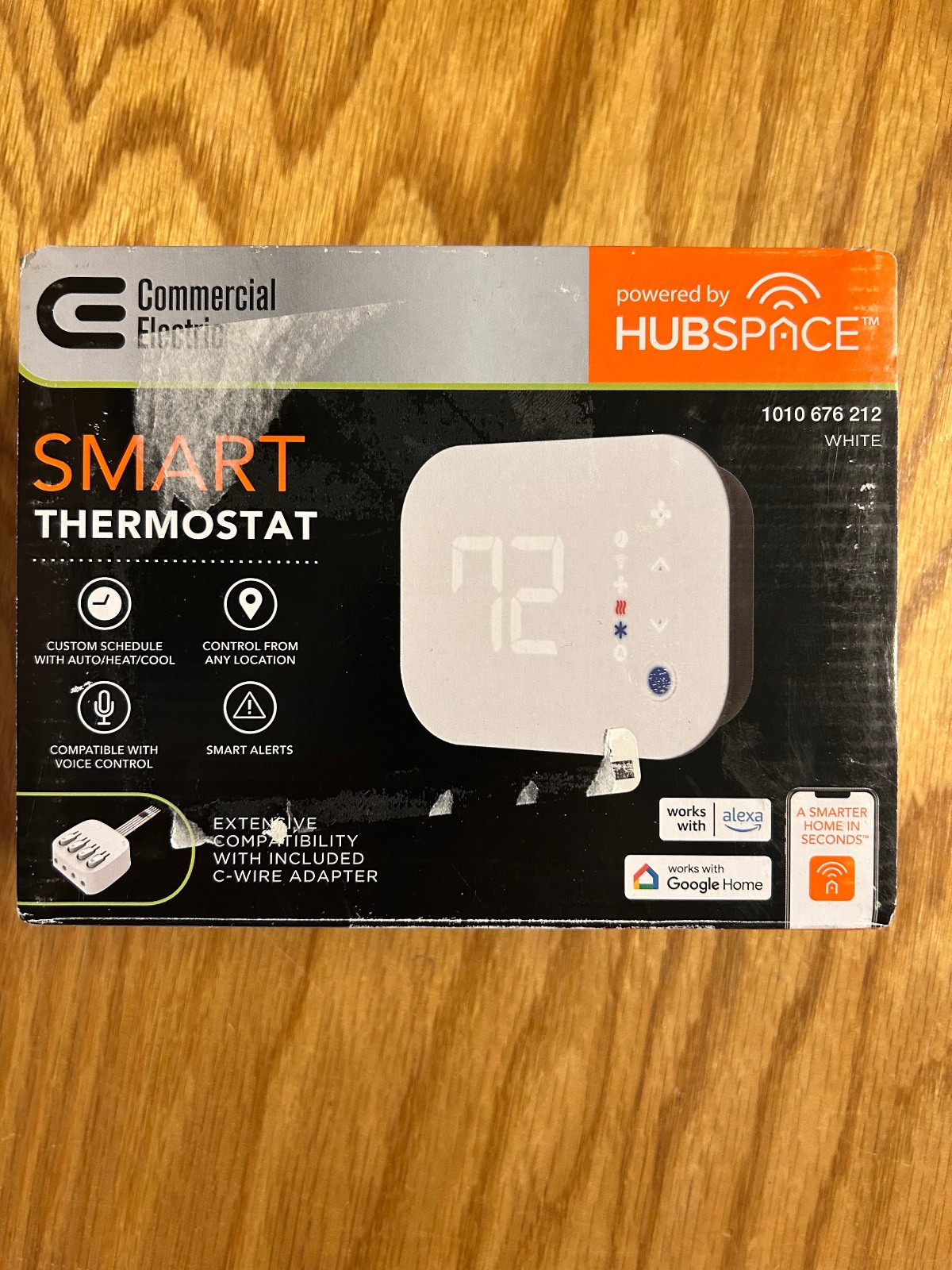
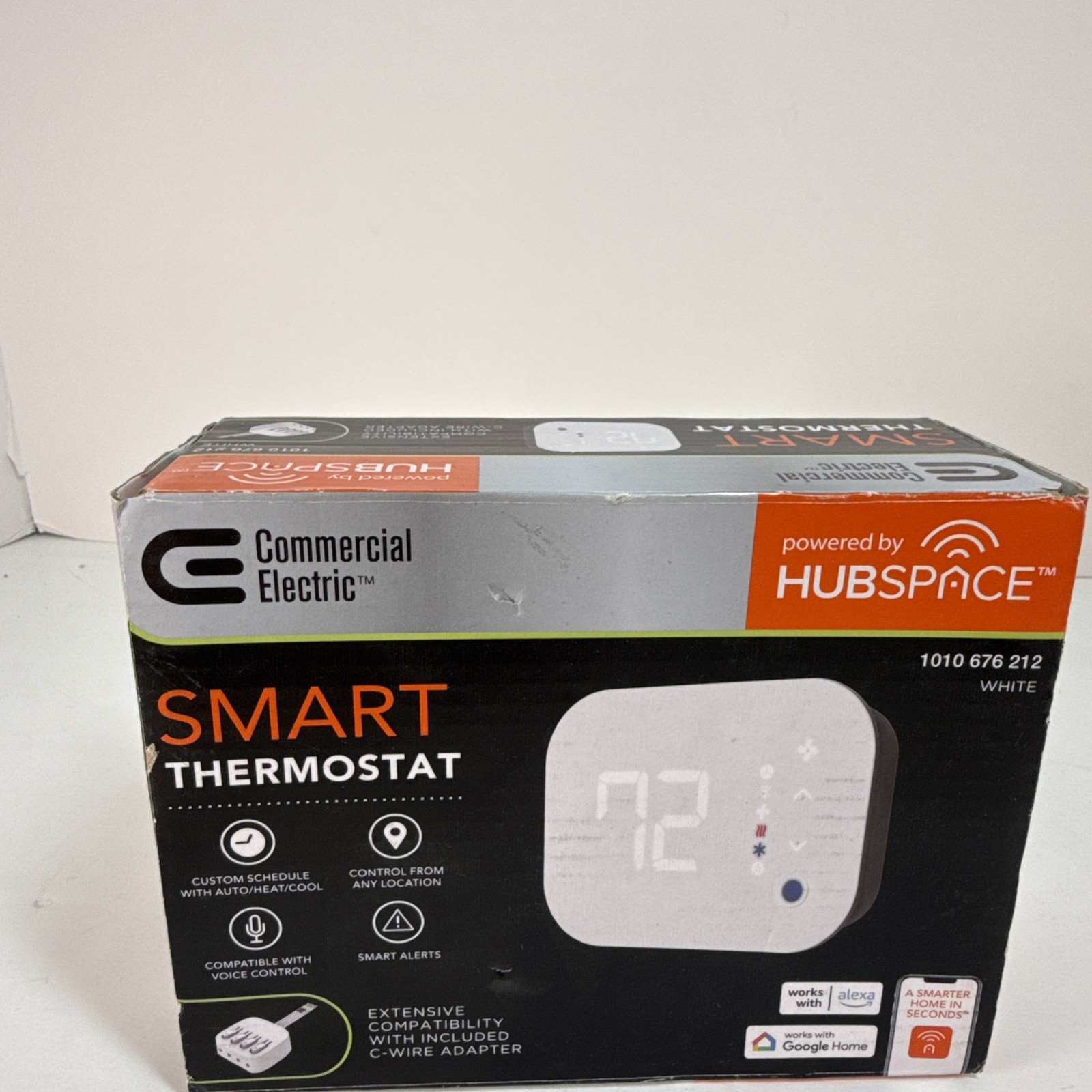
With growing environmental awareness and rising energy costs, smart homes are playing a pivotal role in promoting sustainability. Systems in 2026 offer sophisticated energy monitoring, allowing homeowners to track consumption down to individual appliances. Smart thermostats, like the CE Smart Programmable Thermostat powered by Hubspace (available here and here), optimize heating and cooling schedules based on occupancy, weather forecasts, and utility rates. Beyond the home, the modernization of power distribution networks into intelligent Smart Grids necessitates a paradigm shift towards continuous, real-time feeder monitoring and auditing. This focus on smart grid integration, as highlighted in a comprehensive review, aims to reduce technical and commercial losses and improve visibility into feeder health, showcasing a broader trend towards intelligent resource management beyond the household. You can read more about this in the Comprehensive Review of Real-Time Feeder Monitoring and Auditing Systems.
Security and Privacy Concerns
As smart homes become more integrated into our lives, concerns around data security and privacy continue to be a top priority for developers and consumers. Leading systems in 2026 emphasize robust encryption, secure local processing where possible, and transparent data policies. Features like two-factor authentication, end-to-end encryption for video feeds, and clear controls over data sharing are now standard expectations. Users are becoming more discerning about which companies they trust with their personal and home data, driving manufacturers to innovate in privacy-preserving technologies.
Key Factors for Comparing Smart Home Systems
When evaluating the best smart home systems comparison 2026, several critical factors should guide your decision. These elements determine not only the immediate functionality but also the long-term satisfaction and adaptability of your chosen system.
Ecosystem Compatibility and Device Support
The breadth of compatible devices is often the first consideration. A robust smart home system supports a wide array of devices, from smart lights and locks to thermostats and security cameras, ideally across different brands. Matter certification has significantly simplified this, but some ecosystems still offer deeper, more integrated experiences with their proprietary devices. Consider your existing smart devices and future expansion plans. Systems that embrace open standards and offer extensive third-party integration will provide greater flexibility.
Ease of Installation and Use
A smart home should simplify, not complicate, your life. The best systems offer straightforward installation processes, often guided by intuitive apps. Daily usability is equally important, characterized by a clean interface, responsive controls, and reliable voice assistant integration. If a system requires constant troubleshooting or complex programming, it negates the benefit of automation. Look for systems with a reputation for user-friendly setup and consistent performance.
Performance and Reliability
Lagging commands, dropped connections, and unreliable automations can quickly sour the smart home experience. Top-tier systems in 2026 boast powerful processors, stable wireless protocols (Wi-Fi 6, Thread, Zigbee, Z-Wave), and redundant connectivity options. Reliability extends to software updates that enhance security and add features without introducing bugs. A system that consistently performs as expected, day in and day out, is invaluable. For those prioritizing consistent operation, exploring Best Smart Home Systems 2026: Top Usability & Performance can offer further insights.
Scalability and Future-Proofing
Your smart home needs will likely evolve. A good system should be easily scalable, allowing you to add more devices, expand into new rooms, or even integrate new technologies as they emerge. Future-proofing involves support for new communication protocols, regular software updates, and a commitment from the manufacturer to long-term support. Systems built on open standards like Matter and Thread are inherently more future-proof. To understand options that grow with your needs, consider our guide on the Best Scalable Smart Home System Comparison 2026.
Cost of Entry and Ownership
The initial investment for a smart home system can vary widely, from budget-friendly starter kits to premium whole-home solutions. Beyond the upfront cost of hubs and devices, consider potential ongoing expenses like subscription fees for cloud storage, advanced features, or professional monitoring. Factor in energy savings as a potential offset to the cost of ownership. A system that offers good value combines reasonable pricing with robust features and minimal recurring fees.
Top Contenders: Best Smart Home Systems Comparison 2026
Let's examine the leading smart home ecosystems that are shaping the market in April 2026.
Amazon Alexa Ecosystem
Amazon's Alexa remains a dominant force, largely due to its ubiquitous voice assistant and extensive device compatibility. The ecosystem revolves around Echo devices, many of which now double as Matter controllers, offering a seamless setup for a wide range of smart devices. The Echo Hub provides a centralized dashboard for control, while integration with Fire TV devices extends smart home control to the living room. Amazon's acquisition of Ring and Eero ensures tight integration for security and networking, respectively. Alexa's strength lies in its vast third-party integrations and user-friendly voice commands. However, some users express concerns about Amazon's data collection practices, although the company continues to implement privacy safeguards.
Google Home / Nest Ecosystem
Google Home, powered by Google Assistant, offers a strong alternative, particularly for Android users and those invested in Google's services. Nest devices, including smart thermostats, cameras, and doorbells, form the core of this ecosystem, known for their elegant design and intelligent features. The Nest Hub Max serves as a central control panel and smart display, offering video calls and visual feedback. Google's AI capabilities are deeply integrated, providing proactive suggestions and routines. The ecosystem's support for Matter devices is expanding, improving its compatibility with a broader range of products. Google's commitment to energy efficiency, exemplified by devices like the Nest Thermostat, is a significant draw.
Apple HomeKit Ecosystem
Apple HomeKit is renowned for its focus on privacy, security, and tight integration within the Apple ecosystem. Devices like HomePod speakers and Apple TV serve as home hubs, enabling remote control and automation. Siri provides voice control, and the Home app offers a clean, intuitive interface for managing devices and creating scenes. HomeKit devices undergo a rigorous certification process, ensuring high standards for security and reliability. While the selection of HomeKit-native devices has historically been smaller and often pricier, Matter support is rapidly expanding compatibility, making it a more viable option for those who prioritize Apple's security and user experience. Apple's emphasis on local processing for many commands also enhances privacy.
Samsung SmartThings
SmartThings stands out for its robust hub-based approach and exceptional device compatibility. It supports a wide array of protocols, including Zigbee, Z-Wave, and Matter, making it highly versatile for integrating devices from various manufacturers. This flexibility makes SmartThings an excellent choice for users who want to build a truly heterogeneous smart home. The SmartThings app offers comprehensive control and automation capabilities, allowing for complex routines. While the interface can feel a bit more technical than some competitors, its power and openness are undeniable. Samsung's own appliances, from TVs to refrigerators, also integrate seamlessly, creating a cohesive experience for Samsung product owners.
Home Assistant
For the tech-savvy and privacy-conscious, Home Assistant is an open-source powerhouse. Running on a local server (like a Raspberry Pi), it offers unparalleled customization, privacy, and control over your smart home. Home Assistant supports virtually every smart home device and protocol imaginable, often through community-developed integrations. Its automation engine is incredibly powerful, allowing users to create highly specific and complex routines. Recent advancements include the ability to fine-tune 7B models to write Home Assistant automations, which, surprisingly, actually works, even on GPUs with 8GB of VRAM, as noted by XDA-Developers. This demonstrates the platform's cutting-edge capabilities and its appeal to those who demand the highest level of control and experimentation. While it has a steeper learning curve, the rewards in terms of flexibility and data ownership are significant.
Hubspace Ecosystem
Hubspace, often found integrated with products from Commercial Electric and Hampton Bay, is gaining traction as a user-friendly, Wi-Fi and Bluetooth enabled ecosystem. It's particularly notable for its straightforward installation and seamless integration with Google Home/Assistant. Products like the CE Smart Programmable Thermostat highlight Hubspace's focus on ease of use and energy savings through custom schedules and remote management. While perhaps not as expansive as the larger ecosystems, Hubspace provides a solid foundation for common smart home devices, making it an accessible entry point for many users. Its direct integration with major voice assistants ensures it doesn't operate in isolation. For those looking for simplicity and effective control over essential devices, Hubspace offers a compelling, no-fuss solution.
Personalized Smart Home System Recommender 2026
Adjust the sliders below to prioritize what matters most to you in a smart home system. Our expert analysis will then recommend the best systems tailored to your needs.
Your Top Recommendations:
Top Systems Radar Chart:
Detailed Smart Home System Comparison Table 2026
Here's a comparative overview of the leading smart home systems as of April 2026:
| Feature/System | Amazon Alexa | Google Home / Nest | Apple HomeKit | Samsung SmartThings | Home Assistant | Hubspace |
|---|---|---|---|---|---|---|
| Voice Assistant | Alexa | Google Assistant | Siri | Bixby (limited), Google/Alexa | Google/Alexa/Siri (via integrations) | Google Assistant, Alexa |
| Primary Hub Device | Echo Hub, Echo devices | Nest Hub Max, Nest devices | HomePod, Apple TV | SmartThings Hub | Self-hosted (e.g., Raspberry Pi) | No dedicated hub (Wi-Fi/Bluetooth) |
| Interoperability (Matter) | Excellent (Matter controller) | Excellent (Matter controller) | Excellent (Matter controller) | Excellent (Matter controller) | Excellent (via integrations) | Good (Wi-Fi/Bluetooth based) |
| Ease of Use | Very High | Very High | High | Moderate-High | Low (Steep learning curve) | High |
| Device Ecosystem Size | Very Large | Large | Growing (with Matter) | Very Large | Largest (open source) | Moderate (focused) |
| Privacy Focus | Moderate | Moderate | Very High | Moderate | Very High (local control) | Moderate |
| Advanced Automation | High (Routines) | High (Routines) | High (Automations, Shortcuts) | Very High (Rules Engine) | Extremely High (YAML, scripts) | Moderate (Schedules) |
| Typical Cost of Entry | Low-Moderate | Low-Moderate | Moderate-High | Moderate | Low (hardware + time) | Low |
Emerging Technologies and Future Outlook for Smart Homes
The pace of innovation in smart home technology shows no signs of slowing down. Several emerging trends and technologies are set to redefine the experience in the coming years.
Advanced AI Agents and Emotional Value
"Your smart devices should add convenience and connection, not take it away."
Hisense, as reported by Gizmodo
This sentiment perfectly encapsulates the future direction of AI in smart homes. Beyond simple command execution, AI is moving towards understanding context, anticipating needs, and even providing emotional value. Imagine a smart home that not only adjusts the thermostat but also plays soothing music when it detects stress, or proactively orders groceries based on your consumption patterns. Hisense's AI Agent Suite is a prime example of this shift, aiming to create a more intuitive and emotionally resonant interaction with appliances.
High-Quality Camera Streaming and Visual Intelligence
Improvements in network infrastructure and Matter 1.5.1 are enabling significantly higher quality camera streaming within smart home ecosystems. This means clearer video feeds, faster loading times, and more reliable two-way audio. Coupled with advanced AI, these cameras will become even more intelligent, capable of sophisticated facial recognition, package detection, and even identifying unusual patterns of behavior, enhancing both security and convenience.
Integration with Immersive Technologies
While still in nascent stages, the convergence of smart homes with immersive technologies like augmented reality (AR) holds fascinating potential. Narratives suggest that AR gaming glasses are evolving with specific feature demands to deliver high-quality immersive experiences. In the future, this could extend to smart home control, allowing users to visualize and interact with their smart devices through AR overlays, perhaps adjusting lighting or checking security feeds simply by looking at them through their AR glasses.
Smart Grid Integration and Proactive Energy Management
The integration of smart homes with the larger smart grid will become increasingly sophisticated. This moves beyond simply monitoring individual home energy consumption to actively participating in grid stability. Smart homes could dynamically shift energy usage based on grid demand and renewable energy availability, potentially even selling excess solar power back to the grid. This bidirectional communication and optimization will be a cornerstone of future sustainable living, as highlighted by the ongoing efforts to modernize power distribution networks.
Choosing the Right Smart Home System for You
With such a diverse array of options, selecting the perfect smart home system in 2026 boils down to understanding your specific needs and priorities.
For the Beginner
If you're just starting your smart home journey, ease of use and a wide range of compatible devices are key. The Amazon Alexa or Google Home ecosystems offer excellent entry points with intuitive setup, extensive device support, and powerful voice assistants. Hubspace also provides a user-friendly experience for common devices without requiring a dedicated hub.
For the Tech Enthusiast
Those who enjoy tinkering, deep customization, and complete control will find Home Assistant to be an unmatched platform. Its open-source nature and vast integration capabilities allow for virtually limitless possibilities, including fine-tuning AI for automations. Samsung SmartThings also offers robust customization options for users who want a powerful, flexible system without the full DIY commitment of Home Assistant.
For the Privacy-Conscious
If data security and privacy are your top concerns, Apple HomeKit or Home Assistant are your strongest choices. HomeKit's stringent certification process and Apple's privacy-first philosophy provide peace of mind, especially when coupled with Matter-certified devices. Home Assistant offers the ultimate privacy by keeping all data local and under your direct control.
For Budget-Minded Users
Building a smart home doesn't have to break the bank. Systems like Amazon Alexa and Hubspace offer many affordable entry-level devices and often have competitive pricing on their core components. By carefully selecting Matter-compatible devices, you can build a functional smart home without being locked into premium pricing from a single brand. Our guide on Best Home Electronics Compatible Across Ecosystems 2026 provides insights into cost-effective, interoperable choices.
Conclusion
The smart home landscape in 2026 offers an exciting blend of innovation, interoperability, and intelligence. From the robust ecosystems of Amazon and Google to the privacy-focused approach of Apple and the open-source power of Home Assistant, there's a system tailored for every need. Matter 1.5.1 has undeniably simplified device compatibility, while advancements in AI are making our homes more intuitive and responsive than ever before.
When making your choice, consider not just the immediate features but also the long-term scalability, privacy implications, and overall user experience. The best smart home system for you will seamlessly integrate into your daily life, enhance your comfort, and provide peace of mind without adding unnecessary complexity. Evaluate your priorities, review the top contenders, and embark on your journey to a smarter, more connected home.