SaaS Metrics
Best Smart Home Systems Integration Options for 2026
As of April 2026, the smart home landscape continues its rapid evolution, moving beyond individual smart devices to truly integrated living spaces. The promise of a connected home—where lights, thermostats, security, and entertainment systems communicate seamlessly—hinges entirely on robust integration. For many, the initial excitement of smart home technology has been tempered by the reality of fragmented ecosystems and devices that simply refuse to work together. This article aims to clarify the best smart home systems integration options available in 2026, providing a comprehensive guide for anyone looking to build, expand, or refine their connected environment.
Building an effective smart home isn't about accumulating gadgets; it's about creating a cohesive system that responds intuitively to your needs. Achieving this requires careful consideration of how different devices and platforms interact. The goal is a unified experience, not a collection of independent smart silos. We will explore the leading technologies, platforms, and strategies that enable true smart home synergy, ensuring your devices add convenience and connection, rather than taking it away.
Understanding Smart Home Systems Integration Options in 2026
The concept of smart home integration revolves around interoperability—the ability of disparate devices and services to communicate and work together. Without effective integration, your smart home is merely a collection of isolated smart products. Imagine having a smart thermostat, smart lights, and a smart lock, but needing three separate apps to control them. This defeats the purpose of automation and convenience.
Why does integration matter so profoundly? Because a truly smart home anticipates your needs and acts autonomously. For example, when your smart lock detects you've arrived home, it could trigger your lights to turn on, adjust the thermostat, and disarm your security system. This level of automation is only possible when all these devices are integrated into a single, cohesive system.
The Evolution of Smart Home Connectivity
Early smart homes often relied on proprietary protocols and closed ecosystems, leading to significant compatibility issues. Over time, industry players recognized the need for open standards. We’ve seen the rise of various communication protocols, each with its strengths:
- Wi-Fi: Ubiquitous for many devices, offering high bandwidth but can be power-intensive and strain network capacity with too many devices.
- Bluetooth: Excellent for short-range, direct device-to-device communication, often used for initial setup or local control.
- Zigbee: A mesh network protocol known for low power consumption and robust device communication, popular for lighting and sensors.
- Z-Wave: Another mesh network, operating on a different frequency, offering excellent range and reliability, often found in security and automation devices.
- Thread: An IP-based mesh networking protocol designed for low-power IoT devices, offering direct cloud access and robust connectivity.
However, the most significant development in recent years, and one that continues to shape smart home integration in 2026, is Matter. As of April 2026, the Matter 1.5.1 update is enhancing high-quality camera streaming within smart home ecosystems, significantly improving interoperability across brands. This cross-platform connectivity standard, backed by major industry players like Apple, Google, Amazon, and Samsung, aims to simplify the smart home experience by allowing devices from different manufacturers to work together seamlessly. Matter builds on IP and uses Thread, Wi-Fi, and Ethernet, promising a future where device compatibility is less of a headache for consumers.
Core Smart Home Hubs and Ecosystems: The Foundation of Integration
At the heart of most integrated smart homes lies a central hub or a dominant ecosystem. These platforms act as the brain, coordinating communications between various devices, regardless of their underlying protocols. Choosing the right ecosystem is perhaps the most important decision when considering the best smart home systems integration options.
Leading Smart Home Ecosystems in 2026
The market is primarily dominated by a few key players, each offering distinct advantages:
Google Home/Assistant: Google’s ecosystem is deeply integrated with its Assistant, offering powerful voice control and smart routines. It supports a vast array of third-party devices and has been a strong proponent of Matter, which further extends its compatibility. Devices like the Nest Hub serve as central control points, offering visual interfaces alongside voice commands. Its strength lies in its AI capabilities and seamless integration with other Google services.
Amazon Alexa/Echo: Amazon's Alexa platform boasts the widest range of compatible devices and a highly developed voice assistant. Echo devices, especially those with built-in Zigbee or Thread radios, can act as hubs for many smart home products. Alexa’s routines and skills offer extensive customization, making it a versatile choice for many users. Amazon has also been a key contributor to Matter, ensuring future compatibility.
Apple HomeKit: Known for its strong emphasis on privacy and security, Apple HomeKit provides a streamlined experience for iPhone, iPad, and Mac users. While its device compatibility was historically more limited, the introduction of Matter has significantly broadened its reach. Apple HomePods and Apple TVs serve as HomeKit hubs, enabling remote access and automation. For users deeply embedded in the Apple ecosystem, HomeKit offers unparalleled ease of use and tight integration.
Samsung SmartThings: SmartThings has long been a favorite for those seeking maximum flexibility and device compatibility. It supports a wide array of protocols, including Zigbee, Z-Wave, and Matter, often through its dedicated hubs. SmartThings offers powerful automation capabilities and a robust community for support and custom integrations. It's an excellent choice for users with a diverse collection of smart devices from different brands.
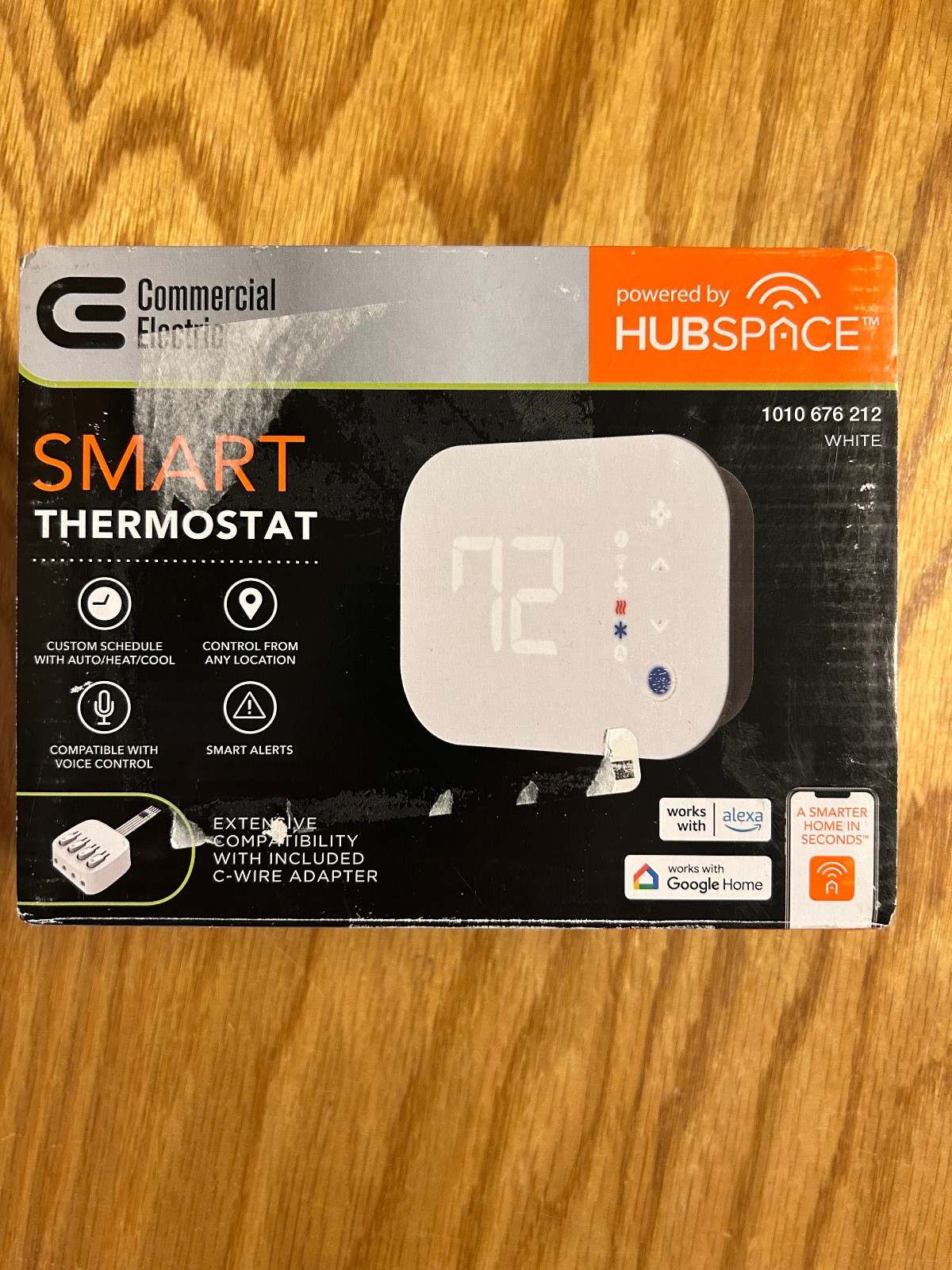
Hubspace: While not as broad as the tech giants, platforms like Hubspace are gaining traction, especially for specific product lines. For instance, the Commercial Electric Smart Thermostat powered by Hubspace exemplifies a product designed for seamless integration within its specific ecosystem. This thermostat, for example, offers easy installation and custom scheduling via the Hubspace app, highlighting how focused platforms can provide reliable, energy-conscious control for specific device categories. While it might not integrate every device under the sun, it offers deep, reliable integration for its supported products.
For a deeper dive into how these central systems compare and to get expert insights into the strengths and weaknesses of each, you might find our analysis on best smart home hubs and ecosystems for 2026 particularly useful. Understanding these foundational elements is key to selecting the right integration strategy. Additionally, to discover the Top Connected Home Ecosystems: 2026 Expert Guide, which compares leading platforms, features, security, and more, providing a comprehensive overview for your smart home planning.
The Role of AI in Seamless Integration
Artificial Intelligence (AI) is rapidly becoming an indispensable component of smart home integration. Beyond simple voice commands, AI agents are designed to learn user habits, anticipate needs, and automate actions proactively. Hisense's AI Agent Suite, for example, aims to bring connection and emotional value to smart home appliances. As Gizmodo reported, Hisense emphasizes that "Your smart devices should add convenience and connection, not take it away." This sentiment underscores the shift towards intelligent, user-centric integration. AI powered systems can optimize energy consumption, suggest routines, and even detect unusual activity, moving the smart home from reactive to predictive.
Predictive intelligence allows your home to adjust lighting based on natural light cycles and your typical wake-up time, or to pre-heat your oven when you’re on your way home from work. This level of automation, driven by sophisticated algorithms and machine learning, significantly enhances the convenience and efficiency of an integrated smart home. It transforms a collection of devices into a truly intelligent environment that adapts to your lifestyle.
Advanced Smart Home Systems Integration Options and Strategies
While core ecosystems provide a solid foundation, advanced users or those with specific needs often look for more granular control and deeper customization. These advanced smart home systems integration options move beyond simple plug-and-play to offer robust, highly personalized automation.
IFTTT and Automation Platforms
Platforms like IFTTT (If This Then That) allow users to create custom applets or routines that connect different services and devices that might not natively integrate. For instance, you could set up an applet that turns on your smart lights if your smart security camera detects motion after sunset. While Matter aims to reduce the reliance on such third-party services for basic device interoperability, IFTTT still excels at connecting web services, social media, and more niche IoT devices, offering a powerful layer of cross-platform automation.
Many core ecosystems also offer their own sophisticated automation builders. Google Home’s Routines, Amazon Alexa’s Routines, and Apple HomeKit’s Automations allow complex sequences of actions based on triggers like time of day, device status, or user presence. These built-in tools are becoming increasingly powerful, often leveraging AI to suggest and optimize routines based on observed behavior.
Local Control versus Cloud Dependence
A significant consideration for advanced integration is the reliance on cloud services. Many smart devices require an internet connection to function, sending data to manufacturer servers for processing and control. While convenient, this introduces potential latency, privacy concerns, and vulnerability to internet outages or server issues.
Local control solutions, where devices communicate directly within your home network without routing through the cloud, offer enhanced speed, reliability, and privacy. Systems like Home Assistant and OpenHAB are popular open-source platforms that prioritize local control. They allow users to integrate a vast array of devices from different manufacturers, often through community-developed integrations. The flexibility of such platforms is evident in ongoing discussions, such as the frequent "integration requests" seen in developer communities, highlighting a continuous drive for broader device support and the desire for capabilities like running systems in Docker for improved portability and resource management.
These open-source solutions appeal to technically inclined users who want full ownership and control over their smart home data and functionality. They require a steeper learning curve but offer unparalleled customization and resilience against internet service disruptions.
Professional Installation and Custom Systems
For larger homes, complex installations, or users demanding enterprise-grade reliability and features, professional smart home integrators offer bespoke solutions. These systems often leverage commercial-grade hardware and software, providing robust integration across various subsystems like HVAC, lighting, security, and audio-visual. While significantly more expensive, they offer peace of mind, expert support, and a level of seamlessness that off-the-shelf solutions might not achieve. These systems often employ industrial-grade protocols and centralized controllers, mirroring the kind of comprehensive integration seen in smart grid architectures, where real-time monitoring and auditing are comprehensively reviewed for efficiency and reliability.
Device Specific Integration Examples
Understanding how individual device types integrate can help inform your overall strategy. Consider smart thermostats, for example. The Commercial Electric Smart Thermostat powered by Hubspace, as mentioned earlier, integrates seamlessly with its own Hubspace app for scheduling and remote management. However, for broader integration, you might look for thermostats that also support Matter, HomeKit, or Google Home, allowing them to participate in wider home automation routines. Similarly, smart lighting systems from Philips Hue, Lutron Caséta, or Nanoleaf offer their own ecosystems but can also be integrated into broader platforms.
Security cameras, smart locks, and smart sensors also present unique integration challenges and opportunities. For security devices, reliability and quick response times are paramount. Devices that offer local processing and direct integration with your chosen hub, rather than relying solely on cloud services, generally provide a more dependable experience. When evaluating solutions for your home, our Top Reliable Smart Home Systems 2026 Comparison Guide offers an in-depth analysis of security, compatibility, and other factors, helping you make informed decisions.
Smart Home Integration Advisor 2026
Tailor your smart home strategy based on your priorities for a truly unified connected home.
Your Smart Home Priorities
Adjust the sliders to reflect what matters most to you in a smart home integration system:
Integration Approach Comparison
Evaluating the Best Smart Home Systems Integration Options for Your Needs
Choosing the right integration strategy requires a thorough assessment of your personal requirements, existing devices, and future aspirations. There's no one-size-fits-all solution, but by considering several key factors, you can make an informed decision.
Key Factors for Evaluation
- Compatibility: This is the cornerstone of integration. Check if your existing devices (or those you plan to purchase) are compatible with your chosen hub or ecosystem. Look for Matter certification as a strong indicator of future-proof compatibility.
- Reliability: How consistently do devices communicate and automations execute? Local control often enhances reliability by reducing dependence on internet connectivity and cloud servers.
- Security and Privacy: How is your data handled? Does the system offer strong encryption? Are there options for local data processing? Apple HomeKit, for instance, is highly regarded for its privacy features.
- Ease of Use: Is the setup process straightforward? Is the interface intuitive? Voice assistants and well-designed apps significantly contribute to a positive user experience.
- Cost: Consider not just the initial purchase price of devices and hubs, but also any potential subscription fees for advanced features or cloud storage.
- Scalability and Future-Proofing: Can your chosen system grow with your needs? Does it support emerging standards like Matter and Thread?
The complexity of integrating a smart home can be compared to the engineering involved in modernizing power distribution networks into intelligent Smart Grids. A comprehensive review of real-time feeder monitoring and auditing systems for Smart Grids highlights the need for robust architectures, diverse technologies, and advanced analytics to ensure seamless operation. Similarly, a smart home requires a well-planned architecture, compatible technologies, and smart automation to function optimally.
“Your smart devices should add convenience and connection, not take it away.”
This quote perfectly encapsulates the user-centric design philosophy that effective smart home integration should embody. The technology should serve you, not the other way around.
Comparison of Integration Platforms and Standards (2026)
To provide a clearer picture, here is a comparison of some key integration approaches as of April 2026:
| Integration Approach | Key Protocols/Standards | Primary Strengths | Considerations |
|---|---|---|---|
| Matter-enabled Ecosystems (e.g., Apple Home, Google Home, Alexa, SmartThings) | Matter (Thread, Wi-Fi, Ethernet) | Universal device compatibility, local control, strong backing from industry leaders, enhanced camera streaming (Matter 1.5.1). | Still maturing, some legacy devices may not be upgradable, reliance on a central controller. |
| Dedicated Hubs (e.g., SmartThings Hub, Hubitat) | Zigbee, Z-Wave, Wi-Fi, Matter (via bridge) | Broad legacy device support, extensive automation, strong local control, flexible. | Can be more complex to set up, requires dedicated hardware. |
| Open-Source Platforms (e.g., Home Assistant, OpenHAB) | Extensive (Zigbee, Z-Wave, Wi-Fi, Matter, custom APIs) | Ultimate customization, strong local control, privacy-focused, community support. | Steep learning curve, requires technical expertise, self-maintenance. |
| IFTTT & Cloud-based Automation | API integrations across web services | Connects diverse services, easy to create simple rules. | Cloud-dependent, potential latency, less direct device control, can incur subscription fees. |
The Future of Smart Home Integration
Looking ahead, the trajectory for smart home integration in 2026 is clear: greater interoperability, enhanced intelligence, and improved user experience. Matter's continued adoption will be a major driver, simplifying device selection and setup for consumers. We anticipate that by the end of 2026, most new smart home devices will be Matter-compatible, making ecosystem choices less about device compatibility and more about preferred user interface and voice assistant.
AI and machine learning will play an even more significant role. Expect smart homes to become more proactive, learning complex patterns in your daily life and adjusting environments before you even think to ask. This means even more seamless transitions between modes (e.g., work from home, evening relaxation, sleep) and better energy management. The intelligence embedded in devices, like Hisense's AI Agent Suite, will move beyond mere automation to genuine contextual awareness.
Privacy and local processing will also remain critical trends. As consumers become more aware of data security, solutions that keep data on-device or within the local network will gain preference. The ongoing "integration requests" on platforms like GitHub and the desire for containerization options like Docker for smart home software indicate a strong community push for more robust, flexible, and locally controlled systems. Developers and power users are constantly seeking ways to improve stability and control, driving innovation in both open and closed source solutions.
Finally, the integration of smart home technology with broader smart city and smart grid initiatives will continue to expand. While a domestic smart home is distinct from a large-scale smart grid, the underlying principles of interconnected systems, real-time data processing, and efficient resource management are shared. The lessons learned in building robust, integrated smart grids, as highlighted in research on feeder monitoring systems, will undoubtedly influence the development of more resilient and efficient smart home architectures.
As you plan and manage your smart home projects, having excellent tools for organization is important. Whether you're tracking device compatibility, sketching out automation flows, or simply keeping notes on your setup, the right applications can make a significant difference. For those who rely on Android devices, exploring the Best Note Taking Apps for Android 2026: Expert Analysis can provide valuable insights into tools that help manage complex information and project details efficiently, even for your smart home endeavors.
Conclusion
The quest for the best smart home systems integration options in 2026 leads to a blend of established ecosystems, emerging standards, and advanced user strategies. The key takeaway is that true smart home convenience comes not from isolated gadgets, but from a thoughtfully integrated system. Matter is undeniably the most impactful development, promising a future of unparalleled interoperability. However, the choice of your primary ecosystem—be it Apple Home, Google Home, Amazon Alexa, or Samsung SmartThings—will still dictate much of your user experience and the breadth of native integrations.
For those seeking greater control, privacy, and customization, open-source solutions and advanced automation platforms offer powerful alternatives. Remember to prioritize compatibility, reliability, security, and ease of use when making your selections. By carefully planning your integration strategy, you can create a smart home that truly enhances your daily life, adding convenience, security, and efficiency without unnecessary complexity. The future of the connected home is here, and it’s more integrated than ever before.