SaaS Metrics
Master Home Automation: Boost Comfort, Save Now
In 2026, the concept of a smart home is no longer a futuristic dream. It is a tangible reality that offers unparalleled convenience, enhanced security, and significant energy savings. At its core, home automation involves connecting devices and systems within your residence, allowing them to communicate and perform actions automatically, often without direct human intervention. This interconnected network of sensors, actuators, and controllers creates a responsive living environment tailored to your preferences. From adjusting thermostats to locking doors, automated homes simplify daily routines and provide a heightened sense of control.
The journey into home automation can seem complex, given the myriad of devices, platforms, and protocols available today. However, understanding the foundational elements and the benefits they provide clarifies the path to a smarter living space. This article explores the current state of home automation in 2026, guiding you through the essential components, key benefits, and practical considerations for building or upgrading your smart home system.
The Evolution and Impact of Home Automation in 2026
The trajectory of home automation has been remarkable. What began with simple remote controls for lights and appliances has evolved into sophisticated ecosystems powered by artificial intelligence and machine learning. As of May 2026, smart home technology is more accessible, reliable, and interoperable than ever before. This growth has been fueled by advancements in wireless communication, miniaturization of sensors, and the increasing processing power of affordable devices.
The impact extends beyond mere convenience. Smart homes contribute to sustainability by optimizing energy consumption, enhance personal security through integrated surveillance and access control, and improve accessibility for individuals with specific needs. The market continues to expand rapidly, with new innovations consistently pushing the boundaries of what is possible. For a deeper dive into how this technology is reshaping residences, consider how it can Transform Your Living: The Smart Home Evolution You Need Now.
Key Drivers of Current Automation Trends
- Interoperability Standards: Initiatives like Matter have significantly improved device compatibility, making it easier for products from different manufacturers to work together seamlessly. This reduces complexity for consumers and fosters a more cohesive smart home experience.
- Artificial Intelligence and Machine Learning: AI algorithms enable smart homes to learn user habits, anticipate needs, and make proactive adjustments. This includes predictive climate control, personalized lighting scenes, and intelligent security alerts.
- Edge Computing: Processing data closer to the source (on the device itself) reduces latency and enhances privacy, making smart home systems faster and more secure.
- Increased Affordability: As production scales and technology matures, the cost of smart home devices has become more competitive, making automation accessible to a broader audience.
Core Components of a Robust Home Automation System
Building a successful home automation setup requires understanding its fundamental building blocks. These components work in concert to create an intelligent and responsive environment.
Smart Home Hubs and Controllers
The smart home hub acts as the central brain of your automated system, facilitating communication between various devices and allowing you to control them from a single interface. While some smart devices can operate independently via Wi-Fi, a dedicated hub often provides greater reliability, local processing, and enhanced automation capabilities.
"A smart home hub is not just a connector; it's the conductor of your digital orchestra, ensuring every instrument plays in harmony to create a truly intelligent environment." - ROIpad Product Analysis Team
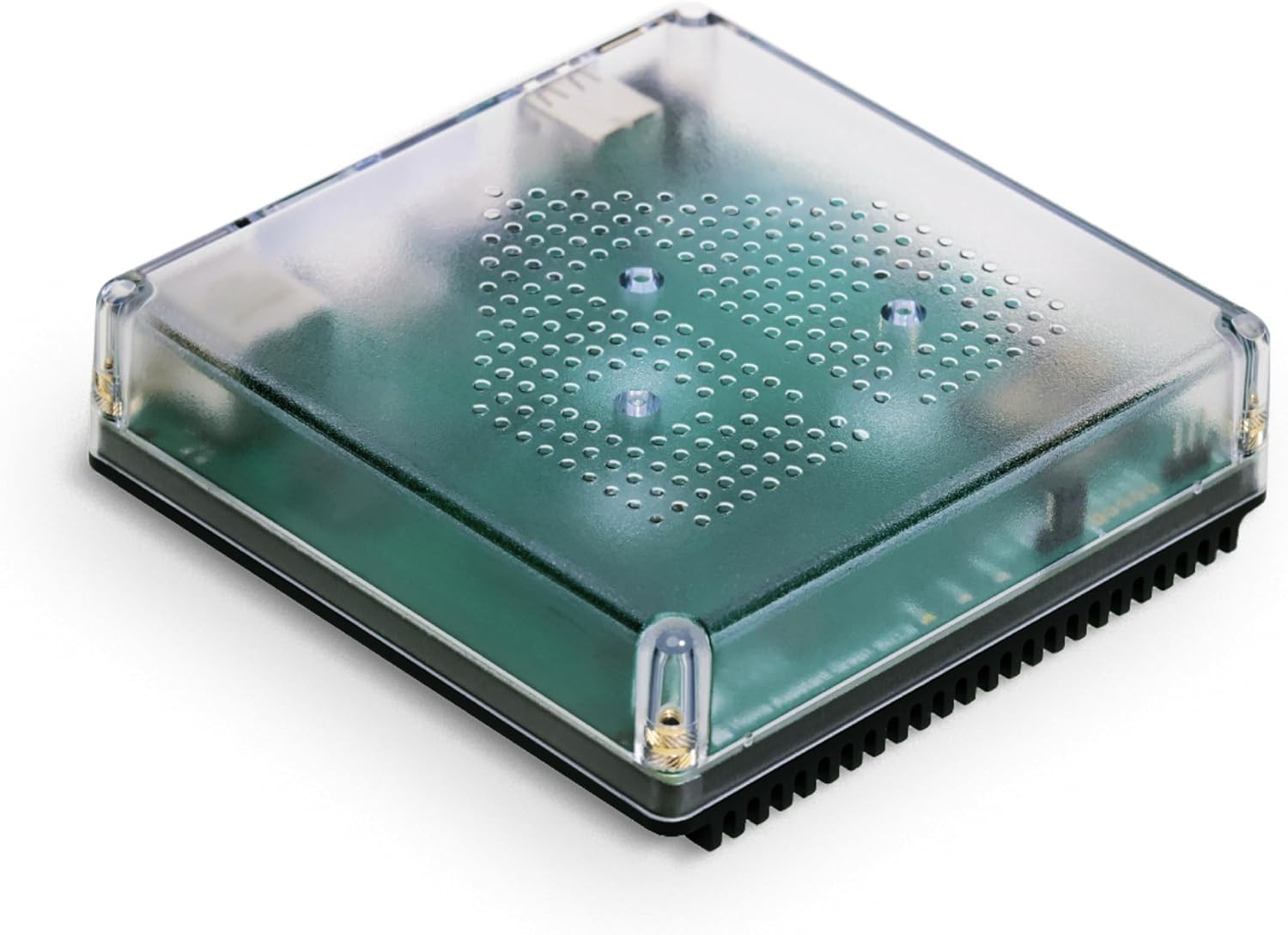
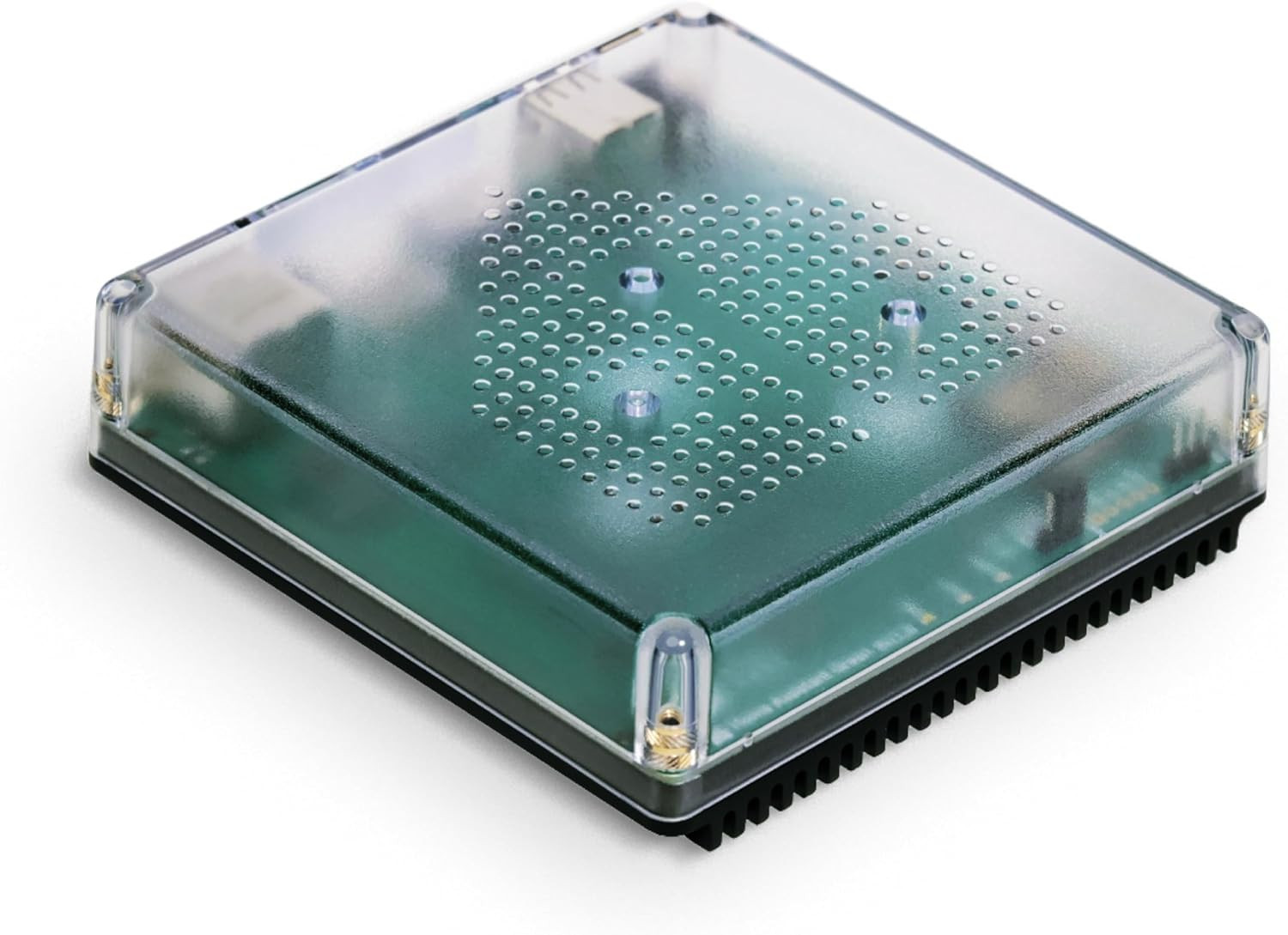
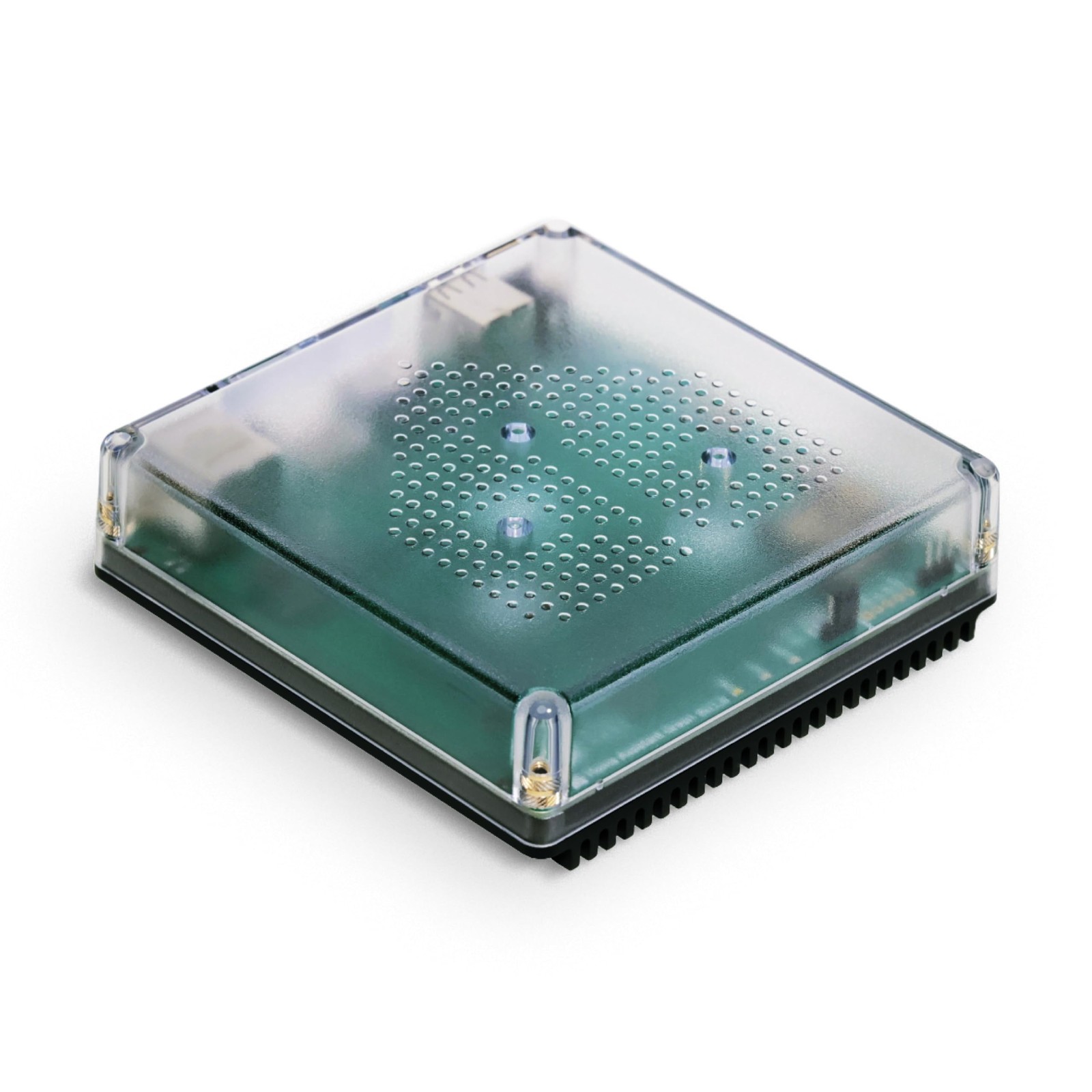
Popular hubs and ecosystems, which we explored in detail in our analysis of best smart home hubs and ecosystems for 2026, include platforms like Apple HomeKit, Amazon Alexa, Google Home, Samsung SmartThings, and dedicated solutions like Home Assistant. These hubs often support multiple wireless protocols, ensuring broad device compatibility. For instance, the Home Assistant Green, an official Home Assistant hardware product, stands out as an easy-to-start hub for advanced automation, designed for home use with a quad-core processor, 32GB of storage, and 4GB of RAM, as seen on eBay. Another listing for the Home Assistant Green emphasizes its role as "one hub to control the whole home," suggesting its robust capabilities for extensive smart setups.
Smart Devices and Sensors
These are the endpoints of your automation system, performing specific functions or gathering data. They include:
- Lighting: Smart bulbs, switches, and dimmers offer remote control, scheduling, and color-changing capabilities.
- Climate Control: Smart thermostats learn your preferences, adjust temperatures based on occupancy, and integrate with weather forecasts to optimize energy use.
- Security: Smart locks, door/window sensors, motion detectors, and security cameras provide monitoring, alerts, and remote access control.
- Appliances: Smart plugs can automate traditional appliances, while integrated smart appliances like refrigerators and washing machines offer advanced features and remote management.
- Entertainment: Smart TVs, sound systems, and streaming devices can be integrated for voice control and synchronized experiences.
- Environmental Sensors: Air quality monitors, leak detectors, and smoke/CO detectors provide critical alerts and can trigger automated responses.
Wireless Protocols and Connectivity
The communication backbone of your smart home relies on various wireless protocols:
- Wi-Fi: Common for many standalone devices and hubs, offering high bandwidth but can consume more power and create network congestion with too many devices.
- Zigbee and Z-Wave: Low-power mesh networks ideal for smart home devices. They create a robust network where devices can relay signals, extending range and reliability.
- Bluetooth: Often used for direct device-to-device communication or for setup, but less common for whole-home automation due to limited range.
- Thread: A newer IP-based mesh networking protocol, designed for low-power devices and offering strong security and interoperability, often working alongside Matter.
- Matter: Not a wireless protocol itself, but an application layer standard that sits on top of existing protocols (Wi-Fi, Thread, Ethernet). Its goal is to provide universal interoperability, allowing devices from different brands to communicate seamlessly. This is a significant development for the future of home automation in 2026 and beyond.
Key Benefits of Implementing Home Automation
The advantages of an automated home extend across multiple facets of daily life, offering tangible improvements in comfort, security, and efficiency.
Enhanced Convenience and Comfort
Imagine waking up to lights gradually brightening, your coffee machine brewing, and the thermostat adjusting to your preferred morning temperature—all without lifting a finger. This is the promise of automated convenience. Smart routines can automate repetitive tasks, freeing up your time and mental energy.
- Personalized Environments: Set lighting scenes, adjust music, and control climate to match your mood or activity.
- Voice Control: Interact with your home using natural language commands through smart speakers and assistants.
- Remote Access: Control devices from anywhere in the world using your smartphone, ensuring peace of mind whether you're at work or on vacation. This capability means you can easily check your home's status, adjust settings, or respond to alerts remotely.
Improved Security and Peace of Mind
A smart home is a more secure home. Automation systems integrate various security components to provide comprehensive protection.
- Proactive Monitoring: Motion sensors, door/window sensors, and security cameras provide real-time alerts to your phone if unusual activity is detected.
- Smart Locks: Grant temporary access codes to visitors or service providers, and receive notifications when doors are locked or unlocked.
- Simulated Occupancy: Program lights to turn on and off randomly, or blinds to open and close, to give the appearance that someone is home even when you're away, deterring potential intruders.
- Emergency Response: Integrated smoke, CO, and water leak detectors can trigger alarms, send alerts, and even shut off water mains in case of a leak, preventing significant damage.
Significant Energy Efficiency and Cost Savings
One of the most compelling reasons for adopting home automation is its potential for energy savings. By intelligently managing your home's resources, you can reduce waste and lower utility bills.
- Smart Thermostats: Learn your schedule, detect occupancy, and integrate with weather data to optimize heating and cooling, preventing energy waste when you're away.
- Automated Lighting: Lights can turn off automatically when a room is empty or dim based on natural light levels, significantly cutting electricity consumption.
- Appliance Management: Smart plugs can cut power to devices in standby mode, eliminating phantom load, which can account for a surprising amount of energy use.
- Energy Monitoring: Some systems provide detailed insights into your energy consumption, helping you identify areas for further optimization.
Choosing the Right Home Automation Ecosystem
Selecting an ecosystem is a foundational decision. It dictates device compatibility, user experience, and the overall flexibility of your smart home. Here are some prominent options and what they offer:
| Ecosystem/Platform | Key Features | Interoperability & Control | Ideal User |
|---|---|---|---|
| Apple HomeKit | Strong privacy, intuitive iOS integration, secure communication. | Works with Matter, Siri voice control, Home app. | Apple users prioritizing privacy and ease of use. |
| Amazon Alexa (Echo) | Broad device compatibility, extensive voice commands, routines. | Works with Matter, Alexa voice control, various smart home skills. | Users seeking wide device support and voice-first interaction. |
| Google Home (Nest) | Deep integration with Google services, AI-driven routines, good for Android users. | Works with Matter, Google Assistant voice control, Home app. | Users invested in Google services and AI capabilities. |
| Samsung SmartThings | Excellent device compatibility (Zigbee, Z-Wave, Wi-Fi), robust automation rules. | Works with Matter, Bixby/Alexa/Google Assistant, SmartThings app. | Advanced users wanting extensive device control and custom automation. |
| Home Assistant | Open source, local control, unparalleled customization, strong community. | Extensive integrations, supports nearly all protocols, custom dashboards. | Tech-savvy users desiring ultimate control and privacy. |
The Power of Home Assistant for Advanced Automation
For users who find themselves limited by proprietary platforms, Home Assistant presents a compelling alternative. As highlighted by the official Home Assistant Green product listings on eBay, this platform offers "advanced control to truly make the most of your devices." It's an open-source platform that prioritizes local control, meaning your data stays within your home network, enhancing privacy and system responsiveness. Its extensive integrations support virtually every smart device and protocol, allowing for highly complex and personalized automation scenarios. While it requires a bit more technical acumen to set up than plug-and-play systems, the level of control and flexibility it provides is unmatched for those willing to invest the time.
Smart Home ROI & Efficiency Estimator 2026
Calculate your potential savings and benefits from a smart home ecosystem.
Your Smart Home Profile
Estimated Benefits & Recommendations
Advanced Home Automation Scenarios and AI Integration
Beyond basic routines, modern home automation leverages AI and machine learning to create truly intelligent living spaces. These advanced capabilities move from simple 'if this, then that' rules to predictive and adaptive systems.
Contextual Awareness and Predictive Automation
AI enables your smart home to understand context. It combines data from various sensors—motion, light, temperature, presence detection (e.g., from your phone's location)—to make informed decisions. For example:
- Personalized Climate: Your thermostat learns your preferred temperature at different times of day and adjusts proactively, even considering external weather data.
- Adaptive Lighting: Lights don't just turn on; they adjust brightness and color temperature based on the time of day, natural light availability, and your activity.
- Occupancy Based Control: Rooms are only heated, cooled, or lit when occupied, optimizing energy use without sacrificing comfort.
Voice Assistants and Natural Language Processing
Voice assistants like Amazon Alexa, Google Assistant, and Apple's Siri continue to improve their natural language processing (NLP) capabilities. This means you can issue more conversational commands, and the system understands intent rather than just keywords. Integration with these assistants allows for seamless control of complex routines with simple spoken phrases.
Machine Learning for Security and Maintenance
AI in security systems can differentiate between a pet and an intruder, reducing false alarms. It can also analyze patterns in energy consumption to detect anomalies, potentially signaling a malfunctioning appliance or an open window. This proactive detection can save money and prevent larger issues.
Research, such as that highlighted in recent Innovations in Electrical Systems and Automation from OpenAlex, continually pushes the boundaries of how intelligent systems can manage and optimize residential infrastructure.
Planning and Implementing Your Home Automation System
A successful home automation project starts with careful planning. Consider your needs, budget, and desired level of complexity.
Defining Your Needs and Goals
- What problems do you want to solve? (e.g., high energy bills, security concerns, convenience for daily tasks).
- Which areas of your home are a priority for automation? (e.g., living room, bedroom, kitchen, outdoors).
- What is your budget? This will influence the types of devices and the scale of your initial setup.
- What is your technical comfort level? Some systems are more user-friendly, while others offer deeper customization for tech enthusiasts.
Starting Small and Expanding
You don't need to automate your entire home at once. Start with a few key devices or a single room. For example, begin with smart lighting in your living room and a smart thermostat. Once you're comfortable with the system, you can gradually add more devices and expand automation to other areas. This iterative approach helps you learn what works best for your household and avoids overwhelming yourself.
Installation and Configuration Tips
- Network Stability: Ensure your home Wi-Fi network is robust and capable of handling multiple connected devices. Consider a mesh Wi-Fi system for larger homes.
- Device Placement: Strategically place sensors and cameras for optimal coverage and performance.
- Firmware Updates: Regularly update device firmware and hub software to ensure security and access to the latest features.
- Testing Routines: Thoroughly test all automation routines to confirm they function as intended.
- Documentation: Keep a record of device names, IP addresses, and any custom configurations, especially for more complex setups.
Just as you would seek to Maximize Your Browser: Essential Insights for 2026 for optimal digital performance, careful setup and ongoing management are key to maximizing your smart home's potential.
Addressing Challenges and Future Considerations in Home Automation
While the benefits of home automation are substantial, it is important to address potential challenges and look towards future developments.
Privacy and Security Concerns
With an increasing number of connected devices, data privacy and cybersecurity become paramount. Personal data, including daily routines, presence detection, and even conversations, can be collected. Choosing reputable brands with strong privacy policies and robust security features is essential. Regularly changing passwords, enabling two-factor authentication, and keeping software updated are basic but effective security measures. Platforms like Home Assistant, which emphasize local control, offer a higher degree of privacy by keeping data within your home network.
Interoperability and Compatibility
Despite advancements like Matter, interoperability remains a challenge. Not all devices work seamlessly together, leading to fragmented experiences. Before purchasing, verify device compatibility with your chosen hub and ecosystem. This due diligence prevents frustration and ensures a cohesive system.
Complexity and User Experience
For some, the sheer number of options and the technical setup can be daunting. Manufacturers are continually working to simplify the user experience, but advanced automation still requires a degree of technical understanding. Look for systems with intuitive apps and clear setup instructions. Starting with simpler automations and gradually adding complexity can ease the learning curve.
The Future of Home Automation in 2026 and Beyond
The future of home automation is poised for even greater intelligence and integration. We can expect:
- Deeper AI Integration: Homes will become more predictive, anticipating needs before they are explicitly stated, creating truly ambient intelligence.
- Enhanced Sustainability: Smart homes will play a larger role in energy grid management, potentially integrating with smart grids for demand response and renewable energy optimization.
- Robotics and Drones: Integration of domestic robots for tasks like cleaning or security patrols, and potentially drones for outdoor monitoring.
- Health and Wellness Monitoring: Devices that passively monitor vital signs, sleep patterns, and overall well-being, providing insights and alerts.
- Modular and Flexible Systems: Easier expandability and adaptability to changing needs, with less vendor lock-in.
The continuous innovation in this field, much like strategic investments in business, offers long-term value. Understanding this can help you Boost Profit: Master Intangible Reinvestment Velocity Now, by applying similar principles of smart, forward-thinking investment to your home environment.
Conclusion
Home automation in 2026 is a dynamic and evolving field, offering a wealth of opportunities to enhance daily living. From the foundational convenience of smart lighting to the sophisticated intelligence of AI-driven security and climate control, the benefits are clear. By carefully selecting your hub, understanding communication protocols, and choosing devices that align with your needs, you can create a personalized, efficient, and secure smart home.
Whether you're looking to save energy, boost your home's security, or simply enjoy a more convenient lifestyle, the tools and technologies are available today. The Home Assistant Green, for example, represents a powerful option for those ready to embrace advanced, customizable automation. As technology continues to advance, our homes will only become more intuitive and responsive, truly becoming extensions of ourselves. Embracing home automation is not just about adopting new gadgets; it's about investing in a smarter, more comfortable, and more sustainable future.