
 SaaS Metrics
Operating Systems Smart Home Integration: A 2026 Deep Dive
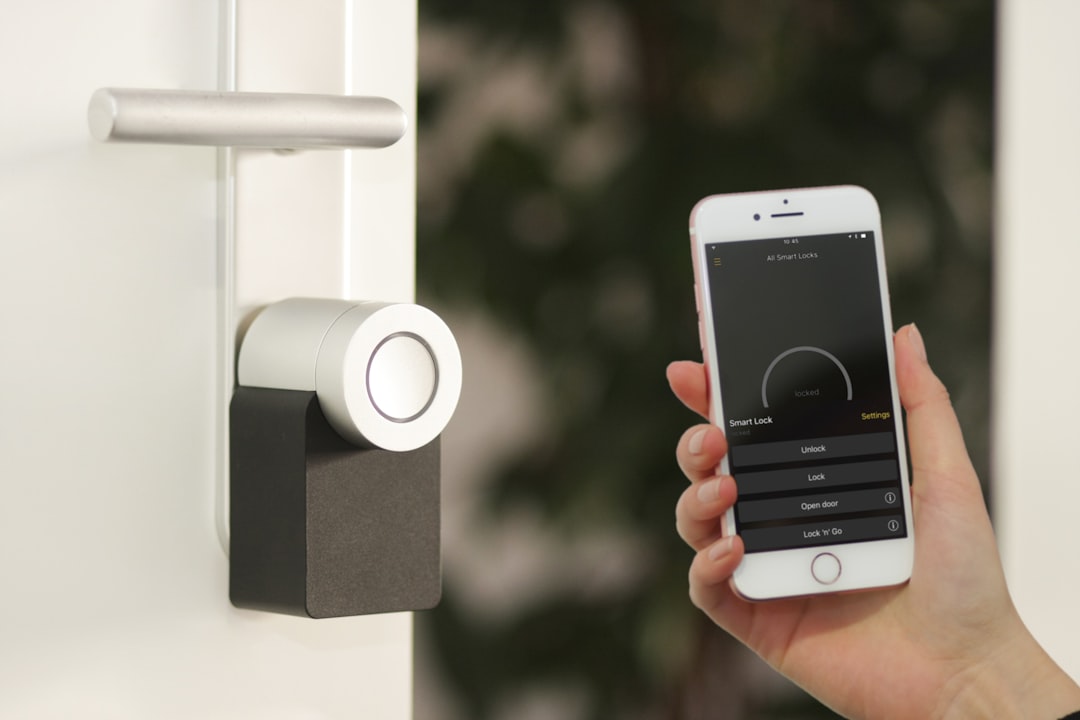
The modern smart home is no longer a futuristic concept but a tangible reality for millions. At its core, enabling this intricate network of devices to communicate, automate, and respond intelligently is the concept of operating systems smart home integration. As of April 2026, the landscape of smart home technology is more sophisticated and interconnected than ever, driven by powerful underlying operating systems that orchestrate everything from lighting and climate control to security and entertainment. Understanding these foundational software layers is essential for anyone looking to build, optimize, or simply comprehend a truly integrated smart living space.
While many users interact with smart home ecosystems through apps or voice assistants, it's the operating systems and their protocols that dictate the true capabilities, limitations, and potential for seamlessness. These systems define how devices from different manufacturers can work together, how data is processed, and how user commands are interpreted and executed. For a broader look at the hardware that brings these systems to life, you might consider reading our expert comparison of best smart home hubs and ecosystems in 2026.
The Core Role of Operating Systems in Smart Home Integration
An operating system (OS) in the context of smart home integration serves as the central nervous system for your connected devices. It provides the framework for hardware interaction, manages resources, schedules tasks, and offers a user interface layer. Without a robust OS, smart devices would be isolated gadgets, incapable of forming a cohesive, automated environment. In 2026, the complexity has grown, with OS platforms not only managing direct device communication but also integrating advanced AI, machine learning, and cloud services.
The challenges in this domain are substantial. Device fragmentation, varying communication protocols (like Wi-Fi, Bluetooth, Zigbee, Z-Wave, Thread), and proprietary ecosystems have historically made true integration a hurdle. The advent of unified standards like Matter, alongside the evolution of major operating systems, aims to simplify this. These systems are designed to offer a consistent experience across a multitude of devices, providing the stability and security required for a truly smart home.
Bridging Hardware and Software in Smart Homes
At a fundamental level, the operating system translates high-level user commands into low-level instructions that smart devices can understand and execute. For example, when you say, "Turn on the living room lights," the voice assistant's OS processes the natural language, identifies the target device, and sends the appropriate command through the network to the smart bulb. This process is complex, involving network management, device authentication, and state synchronization. A well-designed OS ensures these interactions are fast, reliable, and secure.
Furthermore, smart home operating systems are increasingly responsible for managing automation routines and complex scenes. They allow users to set triggers (e.g., "when motion is detected after sunset") and actions (e.g., "turn on entryway lights and play soft music"). The intelligence embedded within these operating systems enables predictive behaviors, learning user habits, and adjusting settings proactively to enhance comfort, energy efficiency, and security.
Major Operating Systems Driving Smart Home Integration in 2026
Several dominant players define the landscape of operating systems for smart home integration. Each brings its own philosophy, ecosystem, and set of advantages and disadvantages. As of April 2026, the competition is fierce, but also collaborative, especially with the push for interoperability standards.
Apple HomeKit and tvOS/iOS
Apple's approach to smart home integration is deeply embedded within its ecosystem, primarily through HomeKit, which is a framework within iOS, iPadOS, and tvOS. HomeKit provides a secure and intuitive way to control compatible smart home accessories using the Home app, Siri, or automation rules. The Apple HomePod series and Apple TV devices, running tvOS, often serve as home hubs, enabling remote access and automation execution even when no one is home.
Apple's emphasis on privacy and security is a significant draw. All HomeKit data is end-to-end encrypted, and devices require specific security chips for certification. This rigorous standard ensures a high level of trust, though it can sometimes limit device compatibility compared to more open platforms. In 2026, Apple continues to be a strong proponent of the Matter standard, integrating it seamlessly into HomeKit to expand its device compatibility while maintaining its security posture.
Google Home and Android/Google Fuchsia
Google's smart home strategy revolves around Google Home, powered by the Google Assistant, and integrated across Android devices, Google Nest hubs, and various third-party smart speakers. The underlying operating systems, primarily Android for mobile devices and potentially Google Fuchsia for future smart home hardware, provide the foundation for this expansive ecosystem. Google's strength lies in its AI capabilities, offering highly intelligent voice control and predictive routines.
The Google Home app acts as the central control point, allowing users to manage a vast array of devices from different manufacturers. Google has been a key driver in the development of the Matter standard, aiming to simplify device setup and improve interoperability across its own ecosystem and beyond. The open nature of Android has fostered a wide range of compatible devices, making it a highly accessible platform for many users. As of April 2026, Google Assistant's natural language processing and integration with other Google services (like Calendar and Maps) offer a highly personalized smart home experience.
Amazon Alexa and Fire OS
Amazon's Alexa-powered devices, running on a customized version of Linux known as Fire OS (for devices like Echo Show, Fire TV), have carved out a massive share of the smart home market. Alexa's strength lies in its extensive skill library, wide device compatibility, and user-friendly voice interface. The Echo line of smart speakers and displays serves as the primary interface, but Alexa is also integrated into many third-party devices.
Amazon has also embraced the Matter standard, recognizing the need for greater interoperability. The Fire OS on Amazon's smart displays provides a visual interface for managing devices, viewing security camera feeds, and even making video calls. Amazon's strategy often involves making smart home technology accessible and affordable, leading to a broad adoption rate. The sheer volume of Alexa-compatible devices makes it a compelling choice for many consumers, and its continuous updates in 2026 further enhance its capabilities.
Samsung SmartThings and Tizen OS
Samsung SmartThings offers a comprehensive smart home platform that supports a wide range of devices, including those using Zigbee, Z-Wave, and Wi-Fi. Many Samsung smart appliances, TVs, and wearables run on Tizen OS, which integrates directly with the SmartThings ecosystem. This provides a cohesive experience for users heavily invested in Samsung products, allowing control of everything from washing machines to smart TVs through a single app.
SmartThings excels in its flexibility and advanced automation capabilities, allowing users to create complex routines and scenes. Its hub-centric approach provides local control for many automations, reducing reliance on cloud services. Samsung's commitment to Matter also strengthens its position, ensuring future compatibility and easier integration with devices outside its immediate ecosystem. In April 2026, SmartThings continues to be a powerful contender for users seeking a highly customizable and robust smart home solution.
Open-Source and Emerging Operating Systems for Smart Homes
Beyond the major tech giants, a vibrant ecosystem of open-source and emerging operating systems offers alternatives for users seeking greater control, privacy, or specialized functionalities.
Home Assistant (Linux-based)
Home Assistant, typically running on Linux (often within a Docker container or on a Raspberry Pi), stands out as a powerful open-source platform for smart home automation. Its strength lies in its unparalleled compatibility, supporting thousands of devices and services, and its strong focus on local control and user privacy. Users can host Home Assistant on their own hardware, giving them complete ownership of their data and automations. For those prioritizing data security and user control, exploring solutions like Home Assistant is key. Discover the Best Privacy-Focused Home Assistant 2026: Expert Guide for more insights.
The community-driven nature of Home Assistant means constant development and new integrations. While it requires a higher degree of technical proficiency to set up and maintain compared to off-the-shelf solutions, it offers unmatched customization. The mention of "Chances of getting this in Docker" from GitHub insights directly relates to Home Assistant's deployment flexibility, making it accessible even on minimal hardware. In 2026, Home Assistant continues to evolve, adding more user-friendly interfaces and robust integration capabilities.
Matrix OS: A Personal AI Operating System
An exciting development in the realm of personal operating systems, with implications for smart home control, is Matrix OS. Described as "a personal AI operating system that generates custom software from natural language," Matrix OS (Source: hn_posts, hn_insights) represents a paradigm shift. Imagine describing the smart home automation you desire, and the OS instantly generates the necessary application or script. "Build me a home energy monitor with daily reports" could become a real app on your desktop, interacting directly with your smart meters.
Its tech stack, including Node.js, TypeScript, and a Claude agent SDK as the kernel, suggests a powerful, AI-driven approach to customization. While not exclusively a smart home OS, its ability to "generate custom software from natural language" could profoundly impact how users interact with and customize their smart environments. This kind of dynamic, AI-powered system could address many "integration requests" (Source: github_insights) that currently require manual coding or complex configurations. The concept of "everything is a file" and "git-versioned" offers unprecedented control and flexibility.
"Your smart devices should add convenience and connection, not take it away." - Hisense's AI Agent Suite (Source: mc_top_stories) This sentiment perfectly encapsulates the goal of advanced operating systems in smart homes: to create a seamless, intuitive, and truly helpful experience.
The Interoperability Challenge and Matter in 2026
Historically, one of the biggest roadblocks to truly integrated smart homes has been the lack of interoperability. Devices from different manufacturers often spoke different "languages" (protocols), leading to fragmented experiences and vendor lock-in. The solution emerging as the industry standard in 2026 is Matter.
Matter is an open-source connectivity standard built on IP (Internet Protocol) that aims to allow smart home devices from various brands to work together seamlessly. Backed by the Connectivity Standards Alliance (CSA), which includes Apple, Google, Amazon, Samsung, and hundreds of other companies, Matter promises to simplify device setup, improve local control, and enhance security. Most major operating systems for smart home integration are now fully embracing and integrating Matter support.
How Matter Changes the OS Landscape
For operating systems, Matter simplifies the integration layer. Instead of requiring specific drivers or APIs for every brand and device type, an OS can communicate with any Matter-certified device using a unified protocol. This reduces development overhead for OS providers and expands the range of compatible devices for consumers. It means that an Apple HomeKit user can easily add a Google Nest thermostat or an Amazon Echo light bulb, and vice-versa, without compatibility headaches.
While Matter standardizes the communication layer, the operating system still plays a vital role in providing the user interface, automation logic, AI integration, and overall ecosystem experience. Matter ensures devices can talk, but the OS dictates how intelligently and conveniently those conversations translate into actions and user benefits. The "低版本适配" (low-version adaptation) issue often seen in software development (Source: github_insights) is largely mitigated by Matter, as devices are designed to be forward and backward compatible within the standard.
1. Your Smart Home Priorities (Weighting)
2. Future-Proofing & Advanced Factors
3. Smart Home OS Comparison (Weighted Scores)
4. Key Impact Metrics by OS
Key Features and Considerations for Smart Home Operating Systems
When evaluating operating systems for smart home integration, several factors come into play, influencing performance, security, and user satisfaction.
Security and Privacy
Given the sensitive nature of smart home data (e.g., security camera feeds, presence detection, energy consumption), robust security and privacy features are paramount. Leading operating systems employ end-to-end encryption, secure boot processes, and strict data handling policies. Users should look for platforms that offer transparency about data usage and provide granular control over privacy settings. The discussion around "Browser Harness GitHub: AI Agent Web Automation 2026" highlights the increasing need for secure interaction between AI agents and web environments, a principle that extends directly to smart home OS security as AI becomes more prevalent. Learn more about Browser Harness GitHub: AI Agent Web Automation 2026.
Interoperability and Ecosystem Support
The ability of an OS to integrate with a wide range of devices and services is critical. While Matter addresses much of this, the depth of integration (e.g., advanced features of a device being exposed to the OS) still varies. A strong ecosystem means more choices for hardware and software, allowing users to select devices that best fit their needs without being locked into a single brand.
Automation and AI Capabilities
Modern smart home operating systems go beyond simple on/off control. They offer sophisticated automation engines, allowing users to create complex routines based on time, sensor input, presence detection, and even weather. The integration of AI and machine learning enables predictive behavior, such as adjusting thermostats based on learned preferences or pre-cooling a home before arrival. Hisense's AI Agent Suite (Source: mc_top_stories) exemplifies this trend, bringing "connection and emotional value" through intelligent agents.
User Experience and Interface
An intuitive and responsive user interface is essential for daily interaction. Whether through a mobile app, voice commands, or a dedicated smart display, the OS should make controlling and managing the smart home straightforward. This includes easy device setup, clear status indicators, and logical organization of controls.
Local Processing vs. Cloud Reliance
Some operating systems heavily rely on cloud services for processing commands and running automations, while others prioritize local processing. Local processing offers advantages in terms of speed, reliability (even during internet outages), and privacy. However, cloud processing often enables more advanced AI features and remote access without a dedicated hub. Many modern systems employ a hybrid approach.
Comparative Analysis of Smart Home Operating Systems (2026)
To illustrate the differences, here's a comparative look at how key operating systems stack up in April 2026:
| Feature/OS | Apple HomeKit | Google Home | Amazon Alexa | Home Assistant |
|---|---|---|---|---|
| Primary OS Base | iOS/tvOS | Android/Fuchsia (for devices) | Fire OS (Linux-based) | Linux (customizable) |
| Interoperability (Matter) | Excellent, full support | Excellent, full support | Excellent, full support | Excellent, actively integrated |
| Privacy Focus | Very High (on-device processing) | High (user controls) | Moderate (opt-out data collection) | Very High (local control) |
| AI/Automation Complexity | Moderate to High (Shortcuts) | High (Routines, Assistant) | High (Routines, Skills) | Very High (custom scripting) |
| Ease of Use | High (simple setup) | High (user-friendly app) | High (voice-centric) | Moderate (steep learning curve) |
| Device Ecosystem | Curated, growing | Very Broad | Extremely Broad | Vast (community-driven) |
| Cost of Entry | Moderate (Apple devices) | Low to Moderate | Low (Echo devices) | Low (software free, hardware required) |
The Future of Operating Systems Smart Home Integration
Looking ahead from April 2026, the trajectory for smart home operating systems points towards even greater intelligence, seamlessness, and proactive capabilities. AI will continue to be the primary driver of innovation.
Pervasive AI and Predictive Intelligence
Future operating systems will move beyond reactive commands to truly predictive and proactive intelligence. Imagine an OS that not only adjusts your thermostat but anticipates your energy needs based on weather forecasts, your schedule, and even your mood. AI agents, much like the concept behind Matrix OS, will become more common, capable of generating custom solutions on the fly to meet evolving user needs. This will require even more robust "integration requests" (Source: github_insights) to be fulfilled automatically by the OS itself.
Enhanced Edge Computing
To improve speed, privacy, and reliability, more processing will occur at the "edge" – on local devices or hubs – rather than solely in the cloud. This trend, already evident in platforms like Home Assistant, will become standard. Edge computing minimizes latency and reduces reliance on internet connectivity, making smart homes more resilient. It also enhances privacy by keeping sensitive data within the home network.
Deeper OS-Level Integration
Expect operating systems on our primary devices (smartphones, computers, vehicles) to have even deeper, more intrinsic connections to our smart homes. The lines between personal computing and home automation will blur further, allowing for truly context-aware experiences. Your car's OS, for instance, might alert your home OS of your impending arrival, triggering a sequence of actions before you even step through the door.
Sustainable Smart Homes
Operating systems will play a bigger role in managing energy consumption and promoting sustainable living. Features like intelligent load shedding, integration with renewable energy sources, and detailed energy monitoring will become standard. This requires sophisticated algorithms and data analysis, providing an opportunity for detailed ROI calculations on smart home investments, much like how businesses Calculate ROI Online Ad Network Traffic: 2026 Guide to optimize their spending.
Digital Twins and Spatial Computing
The concept of a "digital twin" of your home, a virtual replica managed by the OS, will become more prevalent. This allows for advanced simulations, predictive maintenance, and spatial awareness that goes beyond simple room assignments. With advancements in augmented and virtual reality, controlling your smart home could evolve into a more immersive, spatial computing experience.
Conclusion
The journey of operating systems smart home integration has been one of continuous evolution, from disparate devices to increasingly cohesive ecosystems. As of April 2026, the market is characterized by powerful, AI-driven platforms from tech giants, alongside robust, privacy-focused open-source alternatives. The advent of Matter is a game-changer, promising to standardize communication and unlock unprecedented interoperability.
For consumers and developers alike, understanding the underlying operating systems is no longer optional; it's essential for harnessing the full potential of smart home technology. As AI becomes more pervasive, and as systems learn to anticipate needs rather than just respond to commands, the smart home experience will become even more intuitive, personalized, and integral to our daily lives. The future of smart home integration is not just about connecting devices; it's about creating an intelligent, responsive, and truly harmonious living environment, all orchestrated by the sophisticated operating systems that serve as its digital brain.
