SaaS Metrics
Best AI Home Automation Hubs 2026: Expert Analysis
The vision of an intelligent home, once confined to science fiction, is a tangible reality in 2026. At the heart of this transformation are advanced home automation hubs, now deeply integrated with artificial intelligence. These aren't just simple command centers; they are sophisticated brains learning your habits, anticipating needs, and proactively managing your environment. As of April 2026, the market for smart home technology continues its rapid expansion, driven by innovations in AI that make our living spaces more intuitive, efficient, and secure. This comprehensive analysis will guide you through the leading devices and technologies, helping you identify the best AI home automation hubs 2026. We will explore how AI is redefining connectivity, offering unparalleled personalization and control.
The Evolution of Smart Homes: Defining AI Home Automation Hubs 2026
In previous years, smart home hubs primarily served as central controllers, translating commands and coordinating devices. While that function remains, the "AI" prefix signifies a profound shift. Today's AI home automation hubs are characterized by their ability to process complex data, learn from user interactions, and make autonomous decisions. They move beyond simple IF-THEN rules, employing machine learning algorithms to create truly adaptive environments.
What Makes a Hub "AI" in 2026?
An AI home automation hub in 2026 is defined by several core characteristics:
- Machine Learning for Personalization: These hubs observe patterns in your behavior—when you wake up, when you leave, your preferred lighting levels, temperature settings, and even entertainment choices. Over time, they build a profile to automate routines that genuinely fit your lifestyle, often without explicit programming.
- Predictive Automation: Beyond reacting to events, AI hubs predict needs. They might adjust the thermostat before you arrive home based on traffic data and external weather forecasts, or pre-emptively turn on exterior lights as dusk approaches and you typically return from work.
- Natural Language Processing (NLP) Enhancements: Voice assistants are more conversational and context aware. They understand nuanced commands, remember previous interactions, and can distinguish between multiple users, tailoring responses and actions accordingly.
- Edge AI Processing: A significant trend in 2026 is the move towards more processing power directly on the device. This "edge AI" reduces reliance on cloud servers, improving speed, reliability, and crucially, data privacy. Complex computations are handled locally, meaning faster responses and less personal data leaving your home network.
- Proactive Security and Anomaly Detection: AI allows hubs to differentiate between normal and abnormal activity. A sudden temperature drop when no one is home, an unfamiliar sound pattern, or a door opening at an unusual hour can trigger alerts or automated responses, bolstering home security.
Core AI Capabilities Driving Automation
The underlying AI capabilities in these hubs are increasingly sophisticated:
- Contextual Awareness: Modern AI hubs understand more than just commands; they grasp context. If you say, "Turn on the lights," it might only illuminate the room you are in, rather than every light in the house, because the hub knows your location via connected devices or sensors.
- Multimodal Interaction: Beyond voice, hubs integrate touch, gesture, and even ambient sensing (like presence detection or sound analysis) to infer intent and trigger actions.
- Adaptive Learning Algorithms: These algorithms continuously refine their understanding of your preferences. If you consistently override an automated lighting setting, the AI learns and adjusts its future recommendations or actions.
- Energy Optimization: AI plays a pivotal role in smart home energy management. By analyzing usage patterns, weather forecasts, and utility rates, hubs can intelligently manage heating, cooling, and lighting to minimize consumption and cost without sacrificing comfort. For a deeper look into this, consider exploring the Best Smart Home Systems for Energy Efficiency Comparison 2026.
Top Contenders: Best AI Home Automation Hubs 2026 Reviewed
As of April 2026, several platforms and devices stand out for their AI capabilities and comprehensive home automation features. Each offers a distinct approach to intelligent living.
Home Assistant Green: Open-Source Powerhouse
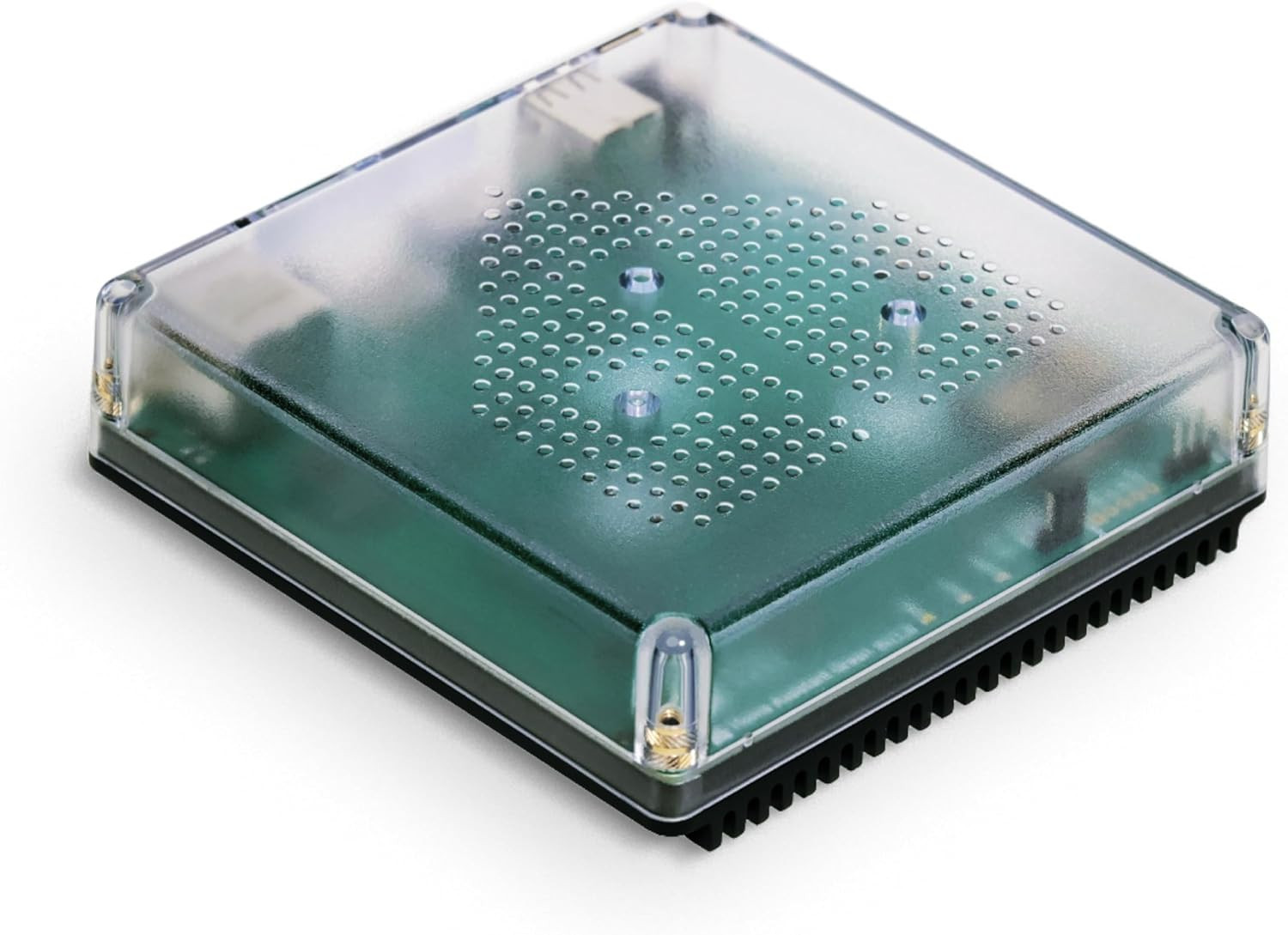
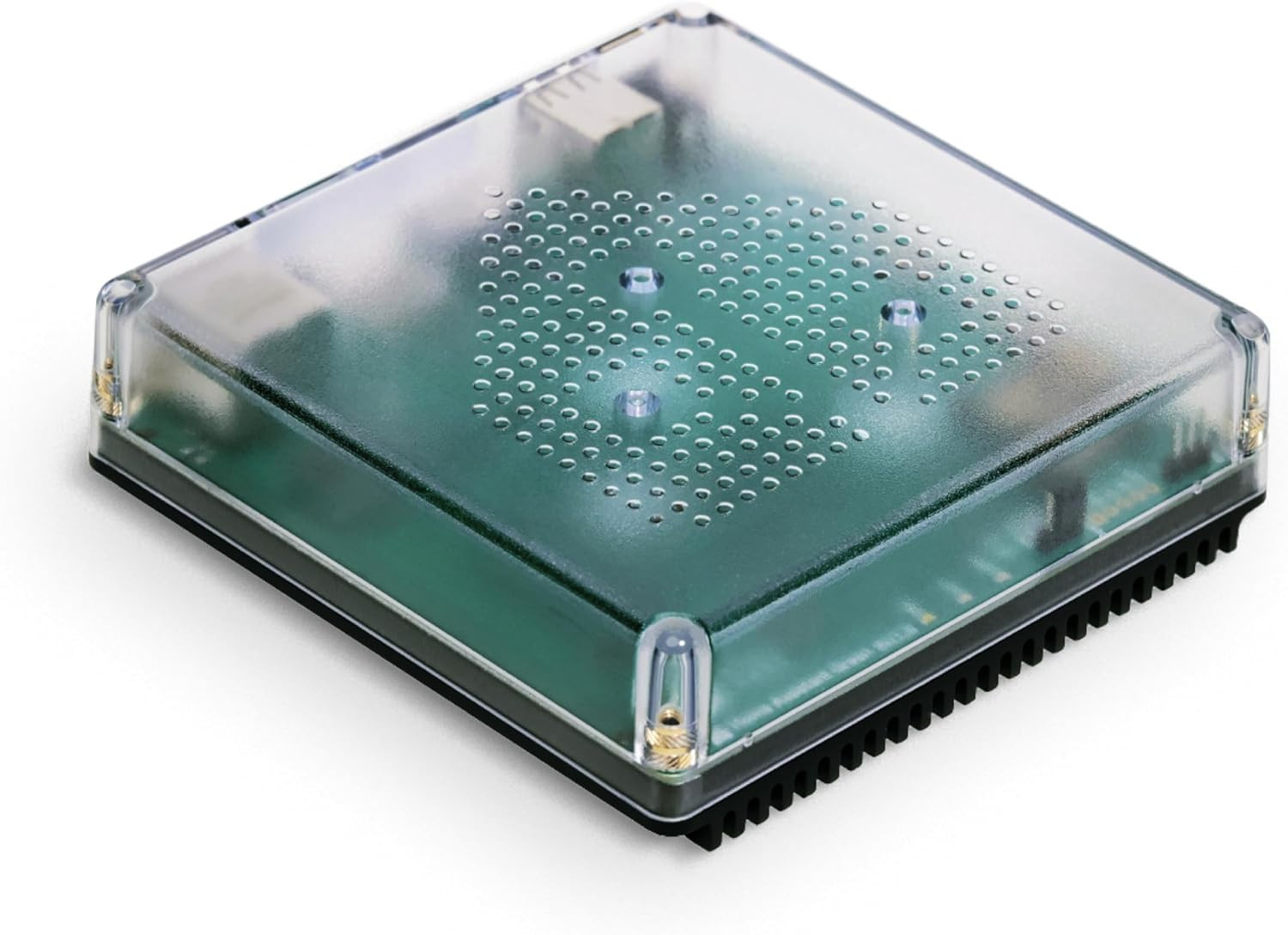
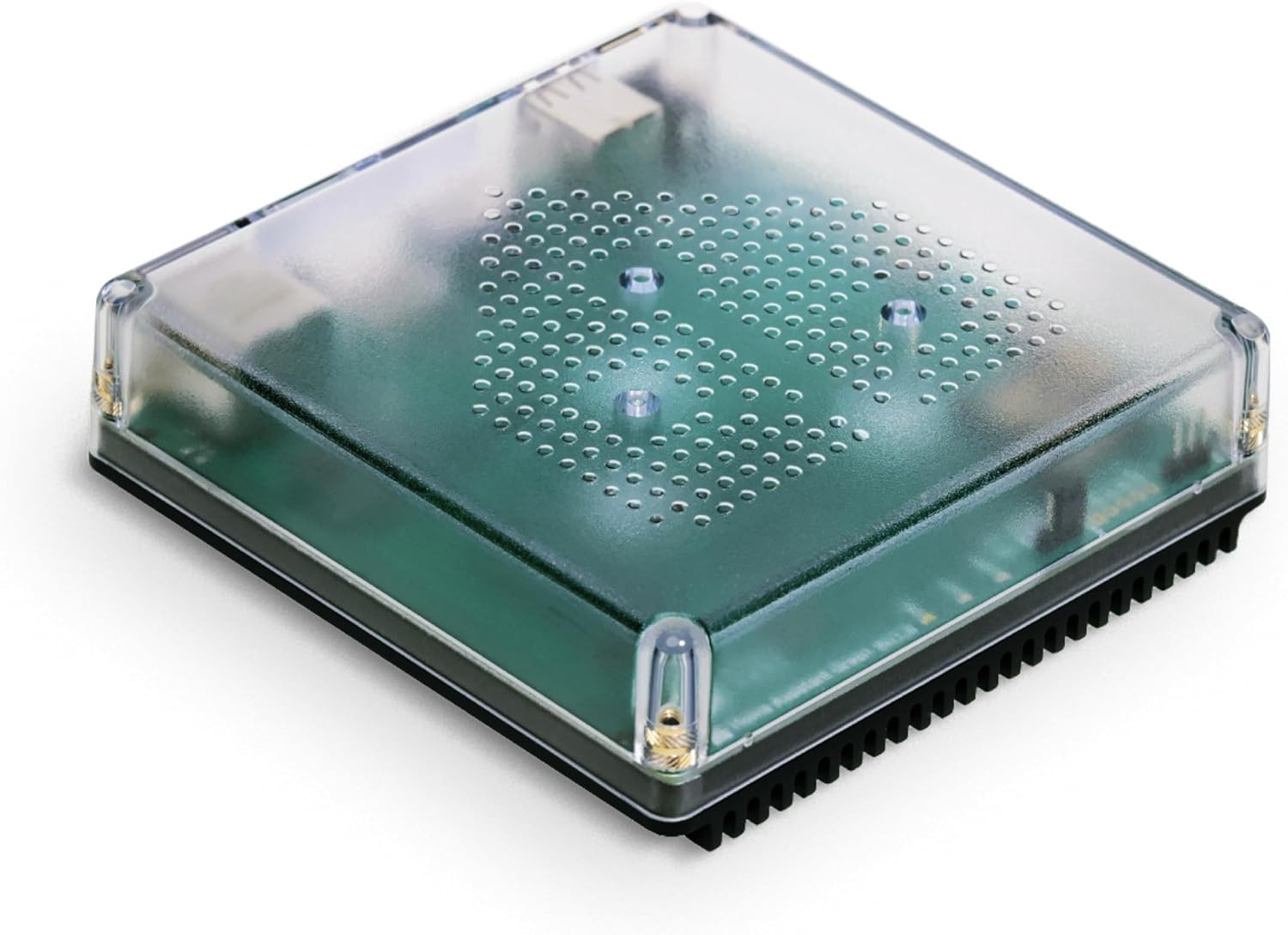
Home Assistant has long been lauded by enthusiasts for its unparalleled flexibility and local control. The Home Assistant Green, officially supported by Nabu Casa, represents a significant step towards making this powerful open-source platform accessible to a wider audience. As an official hardware offering, it comes with Home Assistant pre-installed, offering the easiest way to get started. According to eBay listings, the Home Assistant Green is available from various sellers, with prices ranging from $257.95 USD to $322.99 USD, and another option at $274.47 USD. This pricing, as of April 2026, reflects its position as a premium, dedicated hub.
The Home Assistant Green is designed for the home, featuring a small, fanless, and silent chassis. It packs a robust quad-core processor, 32GB of storage, and 4GB of RAM. This hardware configuration is ideal for running sophisticated AI routines locally, ensuring responsiveness and privacy. Its core strength lies in its ability to integrate virtually any smart device, regardless of brand or protocol, becoming truly "one hub to control the whole home." The AI capabilities here are driven by its extensive integrations and community-developed add-ons, allowing for highly customized and intelligent automation flows that operate entirely on your local network, giving users complete control over their data.
Amazon Echo Devices: Alexa's Intelligent Core
Amazon's Echo line, particularly the latest generation devices, continues to evolve its AI capabilities. Alexa, the embedded voice assistant, has matured significantly, offering more natural conversations and complex routine execution. In 2026, Amazon has pushed further into edge AI, with newer Echo models incorporating more powerful processors to handle a greater share of voice commands and routine processing locally. This improves response times and enhances privacy for common requests. Echo devices serve as excellent hubs for an Amazon-centric smart home, with broad compatibility for Zigbee, Matter, and Thread devices. Their AI excels in media control, shopping integration, and general knowledge queries, making them a versatile family assistant.
Google Nest Hubs: Ambient Intelligence
Google Nest Hubs, especially the Max series, leverage Google Assistant's formidable AI prowess. In 2026, Google has doubled down on its "ambient intelligence" strategy, where technology seamlessly blends into the background, anticipating needs. Nest Hubs utilize on-device machine learning for facial recognition (for personalized greetings and notifications), gesture control, and understanding complex voice commands without always sending data to the cloud. Their strong integration with Google's ecosystem means deep ties to calendars, reminders, and search, making them powerful information and communication centers. As Matter and Thread gain traction, Nest Hubs are becoming increasingly central to heterogeneous smart home setups, allowing for more diverse device integration and AI-driven cross-platform automation.
Apple HomeKit Ecosystem: Privacy-First Automation
Apple's approach to home automation, centered around HomeKit and devices like the HomePod, prioritizes privacy and seamless integration within its ecosystem. While Apple doesn't offer a single "hub" in the traditional sense, HomePods, Apple TVs, and iPads act as home hubs, enabling remote access and automation. In 2026, Siri has become more capable at understanding context and executing multi-step commands within the HomeKit environment. Apple's strict privacy policies ensure that much of the AI processing for HomeKit automation occurs on device or within the secure confines of your local network. With robust Matter and Thread support, Apple's ecosystem is expanding its reach, allowing users to incorporate a wider array of devices while maintaining Apple's stringent security and privacy standards. The AI here is less about proactive suggestions and more about reliable, secure, and intuitive automation based on user-defined scenes and automations.
Samsung SmartThings: Broad Compatibility and AI Enhancements
Samsung SmartThings has historically been a strong contender for its wide compatibility with various smart home protocols, including Zigbee, Z-Wave, Matter, and Thread. In 2026, SmartThings hubs have integrated more advanced AI capabilities, particularly in areas like energy management and personalized routines. Their AI can analyze energy consumption patterns from connected appliances and suggest optimizations, aligning with the growing demand for sustainable living. The SmartThings ecosystem allows for complex automations across a vast array of devices, making it a flexible choice for users with diverse smart home products. While much of its AI processing still relies on cloud services, Samsung is also investing in local processing capabilities to enhance speed and reliability for critical automations.
Comparative Overview of Leading AI Hubs (2026)
To assist in your decision, here's a comparative look at the features and AI prowess of the leading AI home automation hubs in 2026. Prices are typical ranges as of April 2026 and can vary.
| Feature | Home Assistant Green | Amazon Echo (Gen 6) | Google Nest Hub Max (Gen 2) | Apple HomePod (Gen 3) | Samsung SmartThings Hub (Gen 4) |
|---|---|---|---|---|---|
| Primary AI Assistant | Home Assistant (Local) | Alexa | Google Assistant | Siri | SmartThings AI |
| Local Processing Power | High (Quad-core, 4GB RAM) | Moderate (increasing) | High | High | Moderate |
| Key Protocols Supported | Matter, Thread, Zigbee, Z-Wave (via dongles) | Matter, Thread, Zigbee | Matter, Thread, Zigbee | Matter, Thread | Matter, Thread, Zigbee, Z-Wave |
| Ecosystem Integration | Extensive (open source) | Very High | Very High | High (Apple-centric) | High (cross-brand) |
| Privacy Focus | Very High (local control) | Moderate | High (on-device processing) | Very High | Moderate |
| Typical Price Range (USD, as of April 2026) | $250-$350 | $150-$250 | $200-$300 | $300-$400 | $100-$180 |
Choosing Your Ideal AI Home Automation Hub in 2026
Selecting the best AI home automation hub is not a one-size-fits-all decision. Your choice should align with your existing smart devices, privacy preferences, technical comfort level, and future aspirations for your connected home.
Ecosystem Compatibility and Integration
The most important factor is often how well a hub integrates with your current and planned smart devices. If you're heavily invested in one brand, like Apple or Amazon, sticking within that ecosystem often provides the most seamless experience. However, universal standards like Matter and Thread are rapidly improving interoperability, allowing for more mixed-brand setups. For large households with diverse needs and devices, considering the Best Home IoT Platform for Large Households in 2026 is essential for ensuring scalability and robust performance across many users and devices.
Privacy and Data Security
With AI hubs constantly collecting data about your home and habits, privacy is a significant concern. Hubs that prioritize local processing, like Home Assistant Green and Apple HomeKit, offer greater control over your data, as less information leaves your home network. Cloud-dependent systems, while convenient, require trust in the provider's data handling policies.
"The shift towards on-device AI processing for smart home hubs isn't just about speed; it's a fundamental re-evaluation of data privacy and user control. As AI becomes more pervasive, the ability to keep sensitive personal data within the confines of the home network is increasingly valued by consumers." - Industry Analyst, April 2026.
Scalability and Future-Proofing
Consider the long-term. Will your chosen hub support new devices and technologies that emerge in the coming years? Open-source platforms like Home Assistant often lead in adopting new standards due to community development. Hubs with strong Matter and Thread support are generally more future-proof. Think about how your home automation needs might grow. Will you eventually want to monitor energy usage across dozens of devices or integrate complex security systems? Planning for future expansion is key.
Budget and Value Proposition
While some hubs like the Home Assistant Green represent a higher upfront investment, their long-term value in terms of flexibility, control, and lack of subscription fees can be substantial. Other hubs may have a lower entry cost but could involve ongoing subscription services for advanced features or cloud storage. Evaluate the total cost of ownership against the features and control you desire.
AI Home Hub Selector & Comparison 2026
Customize your priorities to find the best AI home automation hub for your needs. Adjust the sliders below to see real-time recommendations and a detailed feature comparison.
Your Top Recommendations:
Detailed Feature Comparison (Radar Chart)
The Power of Edge AI: Local Processing and Performance
The increasing power of local processing units in consumer devices is a game-changer for AI home automation. Previously, complex AI tasks required sending data to powerful cloud servers for processing, leading to latency and potential privacy concerns. However, as demonstrated by developments like real-time AI (audio/video in, voice out) on an M3 Pro chip with Gemma E2B, local hardware is now capable of handling sophisticated AI models. This means that your AI home automation hub can process voice commands, analyze sensor data, and execute complex routines almost instantaneously, without relying on an internet connection.
For example, if a hub can perform real-time analysis of audio and video feeds locally, it can more quickly identify potential security threats or interpret nuanced voice commands, providing a much more responsive and secure smart home experience. This trend of powerful, efficient edge AI will continue to differentiate the best AI home automation hubs in 2026 and beyond, enabling features that were previously impossible without constant cloud reliance. It's not just about speed; it's about robust operation, even during internet outages, and enhanced data sovereignty for the homeowner.
Beyond the Hub: AI, Business Intelligence, and the Connected Home
While primarily focused on consumer convenience, the principles of AI home automation are not entirely dissimilar from those applied in business intelligence. Just as a smart home hub collects data on energy usage, occupancy, and device performance to optimize comfort and efficiency, businesses use platforms to analyze operational data. The insights gained from a highly automated home, for example, on peak energy consumption or appliance longevity, could be considered a form of personal business intelligence. For small businesses looking to harness data for decision-making, understanding the Best BI Platforms for Small Businesses: 2026 Comparison offers valuable parallels in data collection, analysis, and actionable insights.
The data generated by smart homes, when aggregated and anonymized (with user consent), can also provide valuable insights for product development, urban planning, and energy grids. AI in the home is not just about individual convenience; it's a micro-scale application of larger data analytics trends that are shaping industries globally. The ability of a hub to learn and adapt is a direct reflection of advanced machine learning techniques that are also transforming how businesses operate and make strategic decisions in 2026.
The Future of Smart Homes: Trends Beyond 2026
Looking beyond April 2026, the trajectory for AI home automation hubs points towards even greater autonomy and integration. We anticipate:
- Proactive Wellness and Health Monitoring: Integration with wearables and bio-sensors will allow hubs to monitor occupants' health metrics, adjust environmental factors (lighting, temperature, air quality) for optimal well-being, and even alert caregivers in emergencies.
- Self-Healing Homes: AI will enable hubs to diagnose minor issues with connected devices (e.g., a smart appliance nearing failure) and potentially self-order parts or schedule maintenance proactively.
- Hyper-Personalization: AI will move beyond individual profiles to understand group dynamics within a household, balancing conflicting preferences (e.g., one person likes it warm, another cool) to find optimal compromises.
- Enhanced Security Beyond Surveillance: AI will be able to detect subtle changes in home acoustics or atmospheric pressure to identify potential structural issues or environmental hazards before they become critical.
- Seamless Integration with Robotics: As robotic vacuums, lawnmowers, and even companion robots become more sophisticated, AI hubs will serve as their central coordinators, managing tasks and charging schedules.
The continued development of Matter and Thread will solidify the foundation for this interconnected future, making it easier for new innovations to integrate into existing smart home ecosystems.
Conclusion: The Smart Choice for 2026 Automation
Choosing the best AI home automation hub in 2026 means investing in a central nervous system for your home that is not only responsive but also intelligent and adaptive. Whether you prioritize the unparalleled customization and local control of Home Assistant Green, the broad ecosystem and voice prowess of Amazon Echo, the ambient intelligence of Google Nest Hubs, the privacy-centric approach of Apple HomeKit, or the extensive compatibility of Samsung SmartThings, the options are more advanced and capable than ever before.
As of April 2026, the integration of powerful AI, particularly edge AI processing, is transforming these hubs from simple controllers into truly smart companions. They learn, predict, and automate, making your home more comfortable, secure, and energy-efficient. Carefully consider your needs, existing devices, and privacy preferences to select the hub that will best elevate your living experience into the future of intelligent automation. The right AI home automation hub is more than just a gadget; it's an investment in a smarter, more intuitive way of life.