
 SaaS Metrics
Best Smart Home Systems for Energy Efficiency Comparison 2026
As of April 2026, the pursuit of energy efficiency within residential and commercial spaces has never been more pressing. With global energy costs fluctuating and environmental concerns escalating, homeowners are actively seeking intelligent solutions to reduce consumption and minimize their carbon footprint. The smart home sector has responded with advanced systems designed not just for convenience, but as powerful tools for optimizing energy use. This comprehensive article provides an in-depth look at the best smart home systems for energy efficiency comparison 2026, examining their capabilities, key features, and how they stack up against each other.
The Imperative for Energy-Efficient Smart Homes in 2026
The vision of a truly smart home extends far beyond automated lighting or voice-controlled entertainment. In 2026, the primary driver for many consumers adopting smart home technology is tangible savings on utility bills and a commitment to sustainability. Modern smart home systems offer unprecedented control and insight into energy consumption, transforming passive residences into active participants in energy management.
Understanding the Energy Performance Gap
A significant challenge highlighted by researchers is the persistent "energy performance gap." According to a Crossref study on AI-driven innovations in building energy management, "buildings in operation use much more energy than they were designed to." This gap underscores the necessity for dynamic, responsive systems that can adapt to real-world usage patterns and environmental conditions, rather than relying solely on static design specifications. Smart home systems, particularly those leveraging artificial intelligence, are uniquely positioned to bridge this gap, ensuring that homes operate as efficiently as possible.
Core Components of Energy-Saving Smart Home Systems
An effective energy-efficient smart home system is a symphony of interconnected devices, each playing a vital role in monitoring, controlling, and optimizing energy use. Understanding these components is the first step in selecting the right system for your needs.
Smart Thermostats: The HVAC Brain
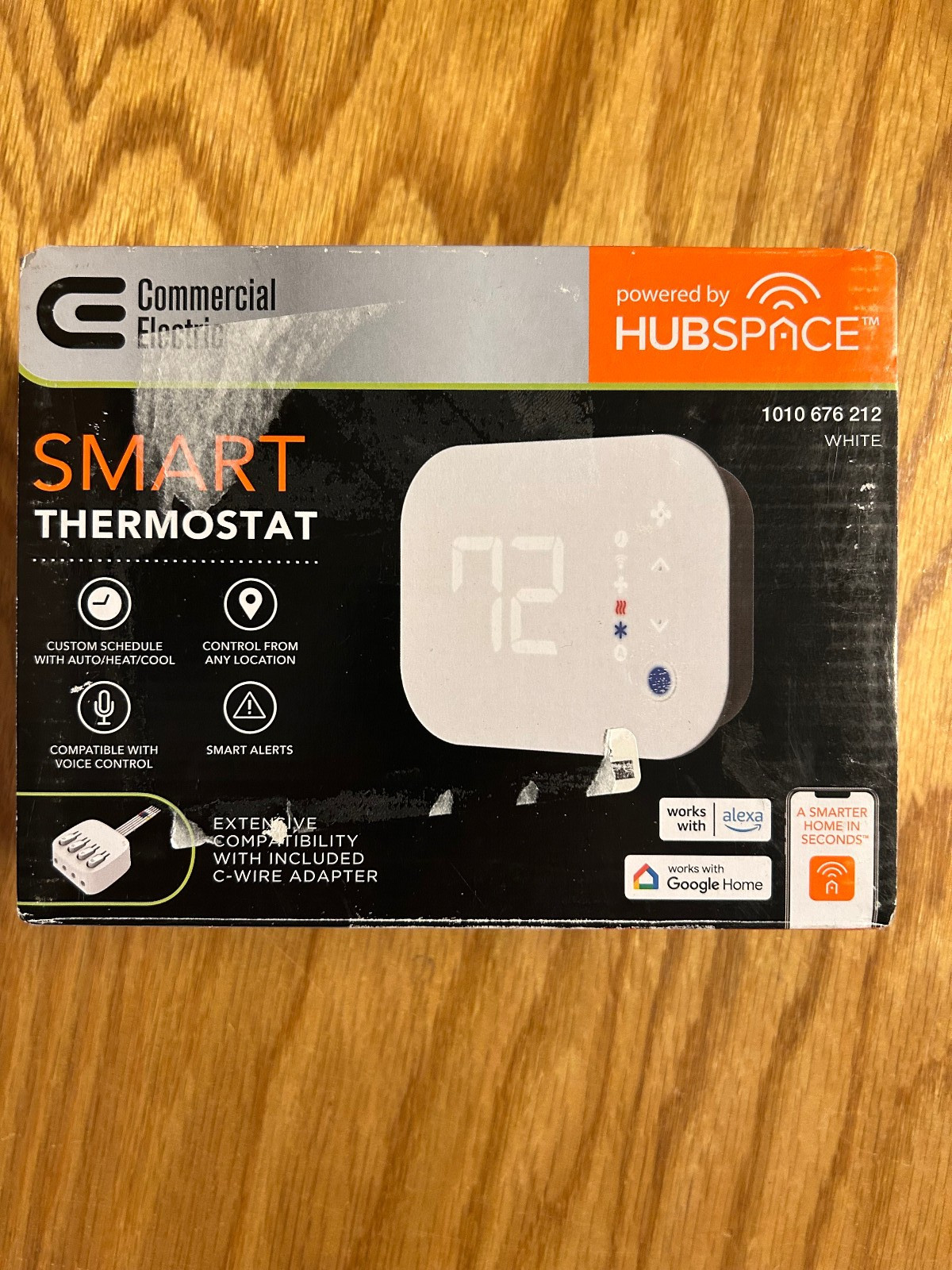
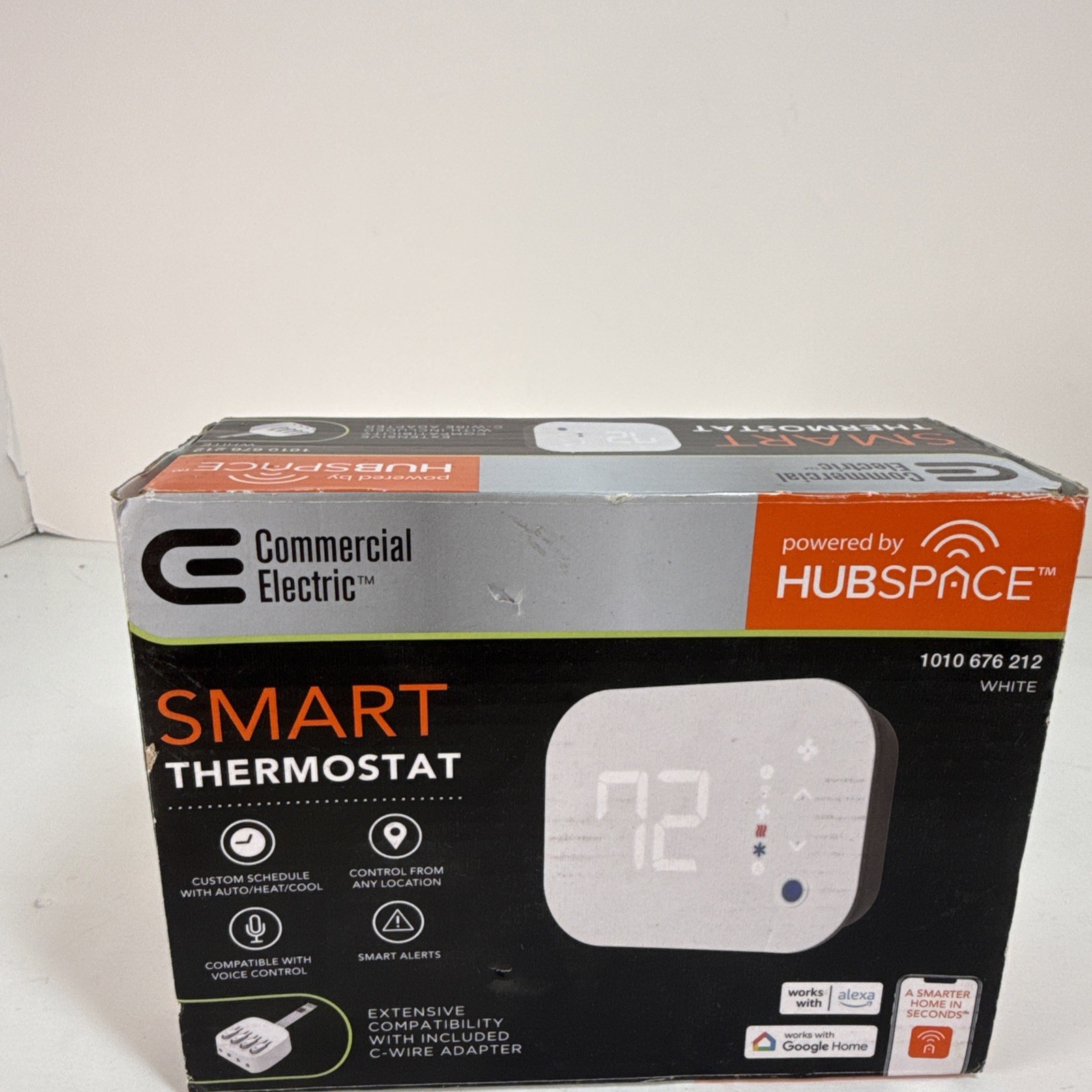
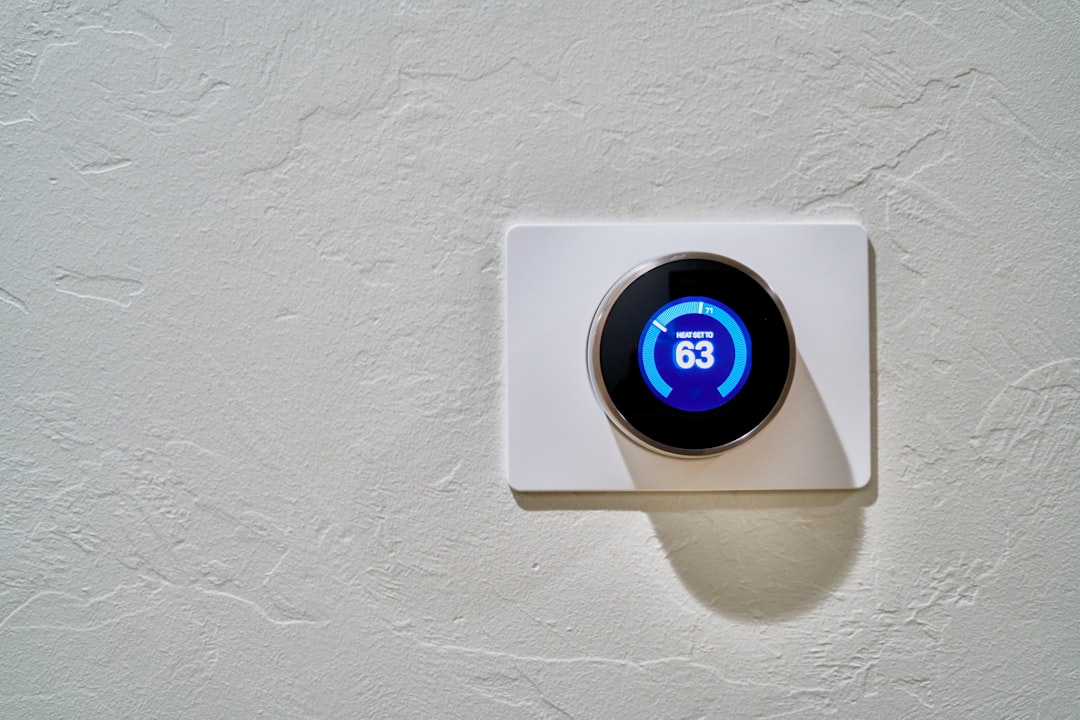
At the heart of any energy-efficient smart home lies the smart thermostat. These devices go far beyond simple programmable schedules. Modern smart thermostats learn your preferences, detect occupancy, and integrate with local weather forecasts to optimize heating and cooling. For instance, the CE Smart Programmable Thermostat Wi-Fi/Bluetooth Enabled Powered by Hubspace exemplifies this, allowing users to "create custom schedules and presets, manage your home's climate, home or away, and begin enjoying your energy-conscious environment." Another iteration, also a CE Smart Programmable Thermostat by Commercial Electric, boasts temperature sensor technology and compatibility with Google Home/Assistant, further enhancing its versatility and efficiency.
Intelligent Lighting Solutions
Smart lighting systems contribute significantly to energy savings. Features like occupancy sensors, daylight harvesting, and adaptive lighting that adjusts brightness based on natural light levels ensure lights are only on when and where needed. Scheduling and remote control also prevent wasteful energy use, allowing you to turn off forgotten lights from anywhere.
Smart Plugs and Appliance Management
Smart plugs transform ordinary appliances into smart, controllable devices. They allow for remote power cycling, scheduling, and crucially, energy monitoring. By tracking the power consumption of individual devices, homeowners can identify "energy vampires" – appliances that draw power even when not in use – and take steps to mitigate standby waste.
Advanced HVAC and Water Heating Integration
Beyond the thermostat, comprehensive smart home systems integrate directly with HVAC units and water heaters. This allows for fine-tuned control, predictive maintenance alerts, and even demand-response participation, where the system subtly adjusts usage during peak grid demand to save energy and potentially earn rebates.
Renewable Energy and Storage Synergy
For homes with solar panels or battery storage, smart systems are essential. They optimize the use of self-generated power, prioritizing consumption when solar generation is high, or strategically charging batteries during off-peak hours for later use. This intelligent management maximizes the return on investment for renewable energy systems.
Key Technologies and Interoperability Driving Efficiency
The efficacy of smart home energy management hinges on seamless communication between devices. In 2026, several key technologies and protocols ensure robust interoperability and responsiveness.
Matter and Thread: The Future of Connectivity
Matter, the new open-source connectivity standard, is rapidly becoming a cornerstone for smart home interoperability. Built on IP and leveraging technologies like Thread, Wi-Fi, and Ethernet, Matter promises universal compatibility, allowing devices from different manufacturers to work together effortlessly. Thread, a low-power mesh networking protocol, creates a resilient and self-healing network, ideal for energy-efficient sensors and controls. The widespread adoption of Matter means consumers can expect more cohesive and effective energy management across their diverse smart home ecosystems.
Established Protocols: Zigbee, Z-Wave, Wi-Fi, Bluetooth
While Matter gains traction, established protocols like Zigbee and Z-Wave continue to play a vital role. These low-power mesh networks are highly reliable for devices like sensors, smart locks, and certain lighting. Wi-Fi remains dominant for devices requiring high bandwidth, such as cameras and smart displays, while Bluetooth is common for direct device-to-phone connections and initial setup. A truly effective smart home for energy efficiency often leverages a combination of these protocols, managed by a central hub or platform that handles the integration. To explore deeper into how these different technologies integrate, you might want to read our article on the Best Smart Home Systems Integration Options for 2026.
Best Smart Home Systems for Energy Efficiency Comparison 2026: Leading Platforms
Choosing the right smart home system is a significant decision, especially when energy efficiency is a top priority. In 2026, several major platforms dominate the market, each with distinct strengths in energy management. For a broader perspective on the competitive landscape, consider our expert comparison of the best smart home hubs and ecosystems for 2026.
Amazon Alexa Ecosystem
The Amazon Alexa ecosystem, centered around Echo devices, offers extensive energy management capabilities. Through the Alexa app, users can monitor energy usage of compatible devices, create routines for automated control, and receive energy-saving tips. Alexa's integration with smart thermostats like Ecobee and Nest is robust, allowing for voice control and advanced scheduling. The "Alexa Energy Dashboard" provides a centralized view of consumption, helping homeowners identify areas for improvement. With its vast array of compatible devices and user-friendly interface, Alexa remains a strong contender for energy-conscious homes.
Google Home Ecosystem
Google Home, powered by Google Assistant, excels in intelligent automation and deep integration with its Nest line of products. Nest Learning Thermostats are renowned for their self-learning algorithms, which adapt to user preferences and optimize HVAC schedules. The Google Home app allows for comprehensive control of connected devices, including smart lights, plugs, and appliances. Google's focus on AI and machine learning enables predictive energy management, anticipating needs and adjusting settings proactively to save energy. The platform's ability to integrate with various energy providers for demand response programs further enhances its energy-saving potential.
Apple HomeKit Ecosystem
Apple HomeKit prioritizes privacy and security, offering a seamless and intuitive experience for Apple users. While its device compatibility might be narrower than Alexa or Google Home, the devices that do support HomeKit often offer excellent integration and reliability. HomeKit-compatible smart thermostats, lighting, and smart plugs can be controlled via the Home app, Siri, or automated scenes. HomeKit's strength lies in its local processing capabilities for many automations, which can sometimes lead to faster response times and potentially more resilient energy management, even without constant cloud connectivity.
Samsung SmartThings
Samsung SmartThings is a highly versatile and open platform, known for its extensive device compatibility across a wide range of manufacturers and protocols (Zigbee, Z-Wave, Wi-Fi, Matter). This flexibility makes it an excellent choice for users who want to build a highly customized energy-efficient system. SmartThings allows for complex automations based on sensors, time, and user presence, enabling sophisticated energy-saving routines. Its integration with Samsung's own appliances, such as smart refrigerators and washing machines, also adds an extra layer of energy monitoring and control for a truly connected home. For those looking to understand the broader landscape of connected home platforms, our Top Connected Home Ecosystems: 2026 Expert Guide offers further insights.
Hubspace and Niche Solutions
Beyond the major ecosystems, platforms like Hubspace are emerging, often tied to specific product lines or retailers. As seen with the CE Smart Programmable Thermostat powered by Hubspace, these systems can offer streamlined installation and management within their specific product family. While perhaps not as broad in scope as the larger ecosystems, they can be highly effective for focused energy management, especially for specific device categories like thermostats or lighting. Their appeal often lies in simplicity and cost-effectiveness for targeted energy solutions.
Here's a comparison of leading smart home systems for energy efficiency in 2026:
| System/Platform | Key Energy Efficiency Features | Interoperability & Protocols | Ease of Use for Energy Management | Typical Cost Range (Hub/Starter Kit) |
|---|---|---|---|---|
| Amazon Alexa | Energy Dashboard, Routines, Smart Thermostat & Lighting Integration, Energy Saving Tips | Wi-Fi, Bluetooth, Zigbee (via Echo Hub), Matter (emerging) | High (Voice & App Control) | $50 - $250 |
| Google Home | Nest Learning Thermostats, Predictive AI, Energy Routines, Demand Response | Wi-Fi, Bluetooth, Thread (via Nest Hubs), Matter (emerging) | High (AI-driven & App Control) | $70 - $300 |
| Apple HomeKit | Secure Local Automations, Siri Control, Energy Monitoring (compatible devices), Scenes | Wi-Fi, Bluetooth, Thread, Matter (emerging) | Medium (Apple Ecosystem Focus) | $100 - $400 (requires Apple hub) |
| Samsung SmartThings | Broad Device Compatibility, Complex Automations, Energy Monitoring, Appliance Integration | Wi-Fi, Bluetooth, Zigbee, Z-Wave, Matter | Medium (Flexible, but can be complex) | $30 - $150 (Hub) |
| Hubspace | Programmable Thermostats, Custom Schedules, Remote Control (specific products) | Wi-Fi, Bluetooth (product dependent) | High (Streamlined for specific devices) | $30 - $80 (Thermostat/Device) |
Your Home's Energy Profile
1=Basic, 2=Moderate, 3=Advanced
Estimated Savings & System Comparison
System Performance Overview
AI-Driven Innovations: The Brain Behind the Savings
The true power of smart home systems for energy efficiency in 2026 comes from their increasing reliance on artificial intelligence and machine learning. These advanced algorithms enable a level of optimization that was previously impossible.
The integration of AI-based fuzzy decision models within the renewable energy grid sector, as seen in optimizing investments, signifies a broader technical shift towards intelligent resource allocation. This mirrors the growing sophistication of AI in smart homes, moving beyond simple automation to predictive and adaptive energy management.
Predictive Analytics for Optimized Energy Use
AI allows smart home systems to learn and predict. By analyzing historical data on occupancy, weather patterns, energy prices, and user preferences, AI algorithms can make intelligent decisions about heating, cooling, and lighting. For example, a system might pre-cool a home during off-peak hours if it predicts a hot afternoon and higher energy prices. This proactive approach minimizes energy waste and maximizes savings.
Dynamic Demand Response and Grid Interaction
Smart homes are increasingly becoming active participants in the broader energy grid. "The modernization of power distribution networks into intelligent Smart Grids necessitates a paradigm shift from periodic, manual inspections to continuous, real-time feeder monitoring and auditing," as detailed in a Crossref review of Real-Time Feeder Monitoring and Auditing Systems. Smart home systems, particularly those integrated with utility programs, can automatically adjust energy consumption during periods of high demand on the grid, often in exchange for financial incentives. This not only saves money for the homeowner but also contributes to grid stability and reduces the need for expensive, carbon-intensive peak power generation.
Integrating Solar and Renewables with Smart Home Systems
For homes equipped with renewable energy sources, smart systems are indispensable. As solar cell efficiencies continue to improve, with new entries reviewed since January 2025 as noted in Solar Cell Efficiency Tables (Version 66), the ability to effectively manage this generated power becomes even more critical. Smart home systems can:
- Optimize Self-Consumption: Prioritize using self-generated solar power for household needs before drawing from the grid, reducing electricity purchases.
- Intelligent Battery Management: Charge home batteries using excess solar power or during low-cost off-peak grid hours, then discharge during peak times to avoid expensive electricity rates.
- Load Shifting: Automatically run energy-intensive appliances like dishwashers or washing machines when solar production is at its peak or electricity prices are lowest.
- Grid Feedback: Provide data on energy generation and consumption to help homeowners understand and further optimize their renewable energy investment.
Choosing the Right Energy-Efficient Smart Home System for Your Needs
Selecting the ideal smart home system for energy efficiency requires careful consideration of several factors beyond just the core platform.
Assessing Your Home's Energy Profile
Before investing, understand where your home consumes the most energy. Is it HVAC? Lighting? Phantom loads from electronics? A smart home energy monitor can provide baseline data. This insight will help you prioritize which smart devices and system features will offer the greatest return on investment in energy savings.
Scalability and Future-Proofing
The smart home market is constantly evolving. Choose a system that is scalable, allowing you to add more devices and functionalities over time. Look for platforms that support open standards like Matter and Thread, ensuring compatibility with future generations of smart devices. Investing in a future-proof system protects your initial investment and allows for continuous improvement in energy efficiency.
Security and Data Privacy Considerations
Energy management data can be sensitive, revealing patterns of occupancy and lifestyle. Ensure the smart home system you choose has robust security protocols and transparent data privacy policies. Understand how your data is collected, stored, and used. Prioritizing systems with strong encryption and a commitment to user privacy is essential in 2026.
Installation, User Experience, and Support
Even the most advanced system is ineffective if it's difficult to install or use. Look for systems with straightforward setup processes and intuitive apps. Consider the availability of customer support and community forums for troubleshooting. A positive user experience ensures you'll actually utilize the energy-saving features to their full potential.
The Future of Smart Home Energy Management Beyond 2026
The trajectory for smart home energy efficiency points towards even greater intelligence, integration, and autonomy. Beyond 2026, we can expect:
- Hyper-Personalized Energy Profiles: AI will create even more granular and predictive energy profiles for individual occupants and rooms, optimizing down to personal comfort zones.
- Proactive Maintenance: Systems will not only manage energy but also predict appliance failures or inefficiencies before they occur, scheduling maintenance to prevent energy waste.
- Enhanced Grid Synchronization: Deeper integration with smart grids will allow for highly dynamic demand response, localized energy trading, and even participation in virtual power plants.
- Integrated Microgrids: Smart homes will increasingly connect with neighborhood or community microgrids, sharing and optimizing local energy resources, especially renewables.
- Intangible Reinvestment Velocity: As smart home systems become more sophisticated, the "intangible reinvestment velocity" – the speed at which investments in non-physical assets yield returns – will accelerate. Investing in smart energy management will not just save money but also contribute to the long-term value and resilience of a property, as discussed in Intangible Reinvestment Velocity: Driving Growth & Resilience.
Conclusion
In 2026, the best smart home systems for energy efficiency are not just about convenience; they are fundamental tools for economic savings, environmental stewardship, and building resilience. From intelligent thermostats like the CE Smart Programmable Thermostat to comprehensive ecosystems from Amazon, Google, Apple, and Samsung, the options for optimizing your home's energy consumption are more powerful and accessible than ever before. By carefully considering your needs, understanding the core components, and embracing AI-driven innovations, you can transform your home into a beacon of energy efficiency, contributing to a more sustainable future while enjoying significant reductions in your utility bills.
