
 SaaS Metrics
Best IoT Platform Smart Home Startup: 2026 Expert Guide
The smart home market continues its rapid expansion in 2026, presenting immense opportunities for innovative startups. At the core of every successful smart home product or service lies a robust Internet of Things (IoT) platform. For a smart home startup, selecting the best IoT platform smart home startup can dictate its trajectory, influencing everything from product development speed to long-term scalability and market adoption. This comprehensive guide explores the critical factors and leading platforms that smart home entrepreneurs must consider as of April 2026.
Understanding IoT Platforms for Smart Home Startups in 2026
An IoT platform serves as the foundational infrastructure that connects, manages, and processes data from smart devices. For a smart home startup, it is the digital nervous system that enables devices to communicate, automates functions, and provides the intelligence that defines a truly 'smart' experience. In 2026, these platforms are more sophisticated than ever, offering a blend of cloud services, edge computing capabilities, and advanced analytics.
Core Components of a Robust IoT Platform
A capable IoT platform for smart homes typically comprises several key components:
- Device Connectivity & Management: Tools to onboard, authenticate, monitor, and update devices securely. This includes support for various communication protocols like Wi-Fi, Bluetooth, Zigbee, Thread, and Matter.
- Data Ingestion & Processing: Mechanisms to collect vast amounts of data from devices, filter, transform, and store it efficiently.
- Analytics & Machine Learning: Capabilities to derive insights from data, detect patterns, and enable predictive functionalities or personalized automation.
- Application Enablement: APIs and SDKs that allow developers to build user-facing applications, dashboards, and integrations with other services.
- Security & Privacy: Features to protect data at rest and in transit, manage user access, and ensure compliance with privacy regulations.
Why Platform Choice Matters for Startups
For a smart home startup, the platform choice isn't just a technical decision; it's a strategic business one. The right platform can accelerate time-to-market, reduce development costs, and provide a competitive edge. A poor choice, however, can lead to vendor lock-in, security vulnerabilities, scalability issues, and ultimately, product failure. Startups often operate with limited resources, making the efficiency and feature set of their chosen IoT platform even more impactful.
Key Considerations When Choosing the Best IoT Platform for a Smart Home Startup
When evaluating the options available in 2026, smart home startups must weigh several factors to find the platform that aligns with their vision and business model.
Scalability and Flexibility
Your platform must grow with your business. Early success can quickly overwhelm an inadequate infrastructure. Look for platforms designed for high availability and elastic scaling, capable of handling millions of connected devices and petabytes of data without performance degradation. Flexibility in architecture, allowing for custom integrations and future feature additions, is also vital.
Security and Privacy
Smart home devices interact with personal environments, making security and privacy non-negotiable. The chosen platform must offer robust encryption, authentication mechanisms, identity management, and compliance certifications. As consumers become more aware of data practices, choosing a platform that prioritizes privacy is a differentiator. For startups focused on this aspect, exploring resources like the Best Privacy-Focused Home Assistant 2026: Expert Guide can provide valuable insights into user expectations and platform capabilities.
Connectivity and Protocol Support
Smart homes are a mosaic of devices using various communication standards. Your platform needs broad support for common protocols (Wi-Fi, Bluetooth LE, Zigbee, Z-Wave, Thread) and emerging standards like Matter, which aims for universal interoperability. This ensures your product can seamlessly integrate into existing smart home best smart home hubs and ecosystems of 2026.
Developer Tools and Ecosystem
A rich set of developer tools, comprehensive documentation, and an active community can significantly shorten development cycles. Platforms with extensive SDKs, APIs, and pre-built components allow startups to focus on their unique value proposition rather than reinventing basic functionalities. Consider the ease of integration with other services and third-party tools.
Cost-Effectiveness and Pricing Models
Startup budgets are often tight. Evaluate platforms based on their pricing models, which can range from pay-as-you-go to tiered subscriptions. Factor in not just the immediate costs but also potential expenses as you scale. Some platforms offer free tiers or startup programs that can be beneficial in the early stages.
Data Analytics and AI Capabilities
The true intelligence of a smart home comes from data. Platforms with integrated analytics, machine learning services, and AI capabilities allow startups to build adaptive, predictive, and personalized experiences. This can include anything from optimizing energy consumption to anticipating user needs. According to research on cloud-based IoT environments, the integration of cloud and IoT enables the design of coherent and organized applications, expanding the reach of nearly infinite resources offered by cloud services, which is vital for sophisticated data processing in smart homes (doi:10.1002/cpe.8091).
Regulatory Compliance
Adhering to regional and international data protection laws (e.g., GDPR, CCPA) is mandatory. Ensure your chosen platform provides the tools and features necessary to meet these compliance requirements, protecting both your business and your customers.
Top Contenders: Best IoT Platforms for Smart Home Startups in 2026
Several platforms stand out in the competitive 2026 market, each with distinct advantages for a smart home startup.
Cloud-Based Giants
The major cloud providers offer comprehensive IoT services that are highly scalable and feature-rich.
-
AWS IoT
Amazon Web Services (AWS) IoT offers a broad suite of services, including IoT Core for device connectivity, IoT Greengrass for edge computing, and various analytics and machine learning tools. Its vast ecosystem of services means startups can find almost any tool they need within AWS. The pay-as-you-go model is flexible, but costs can accumulate for high-volume usage. For startups aiming for global reach and deep integration with AI/ML, AWS IoT is a strong contender.
-
Google Cloud IoT
Google Cloud IoT provides robust device management, data ingestion, and integration with Google's powerful analytics and AI capabilities, such as BigQuery and TensorFlow. It's particularly appealing for startups that prioritize data-driven insights and want to leverage Google's strengths in machine learning. Its focus on open standards and strong developer community are also significant advantages.
-
Azure IoT
Microsoft Azure IoT offers a comprehensive platform with services like IoT Hub for device connectivity, IoT Edge for edge intelligence, and seamless integration with Azure's analytics and enterprise-grade security features. Azure's strong presence in enterprise sectors can be beneficial for startups looking to partner with larger organizations or offer services that bridge consumer and commercial IoT. It provides extensive SDKs for various programming languages.
Specialized Smart Home Platforms
Beyond the cloud giants, several platforms are specifically tailored for the smart home market.
-
Tuya Smart
Tuya Smart is a popular platform that enables rapid development of smart home devices. It offers a complete IoT ecosystem, from modules and cloud services to a mobile app SDK, significantly reducing development time and cost. Many manufacturers use Tuya to quickly bring smart products to market, making it an attractive option for startups focused on hardware innovation. Its extensive device compatibility and global infrastructure are key benefits.
-
SmartThings (Samsung)
SmartThings provides a versatile platform and hub for connecting a wide array of smart devices. While traditionally geared towards consumers, its developer program offers APIs and tools for startups to integrate new devices or build services on top of the SmartThings ecosystem. Its large user base and established brand recognition can provide a ready market for compatible products.
-
Hubspace
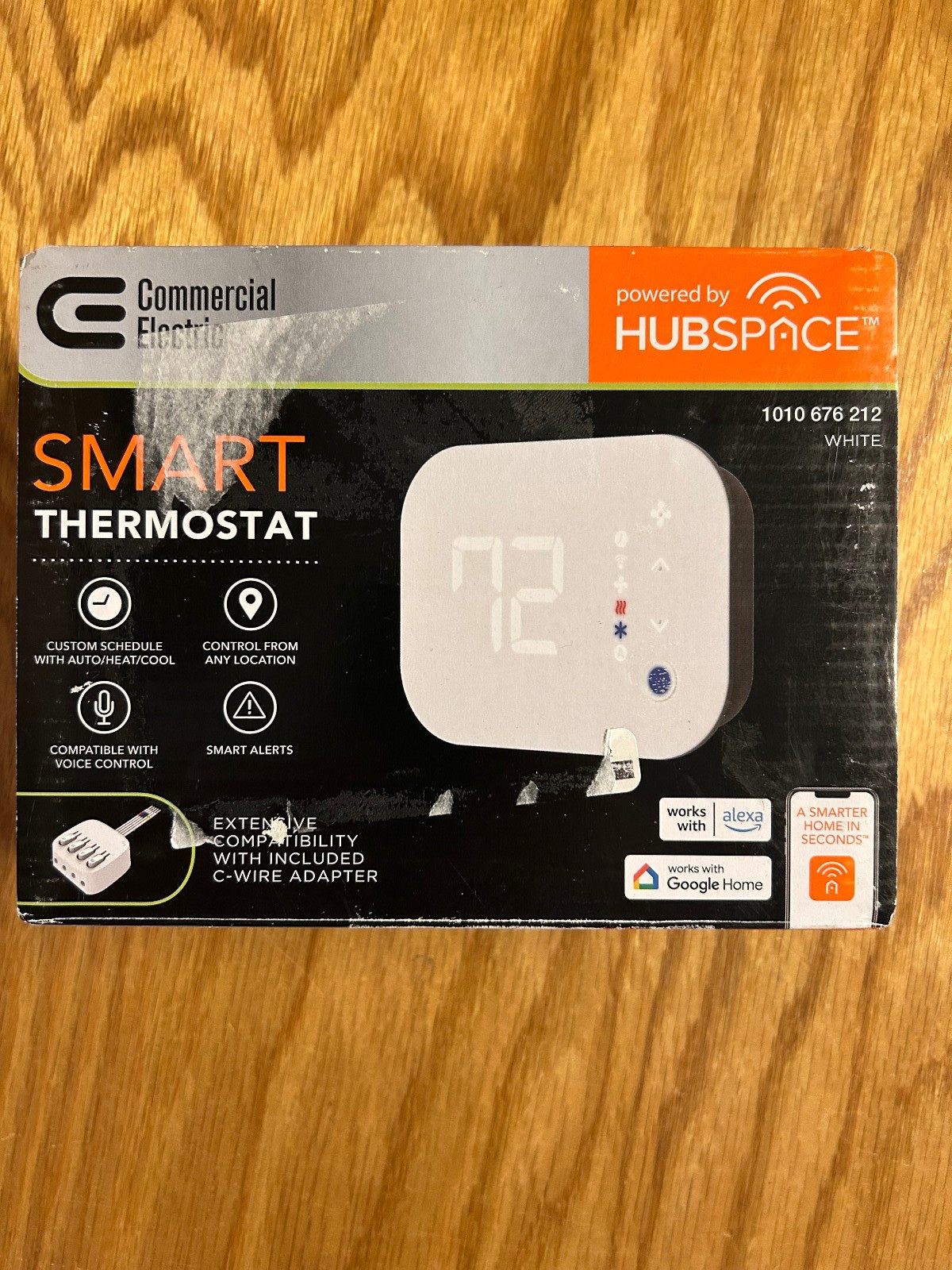
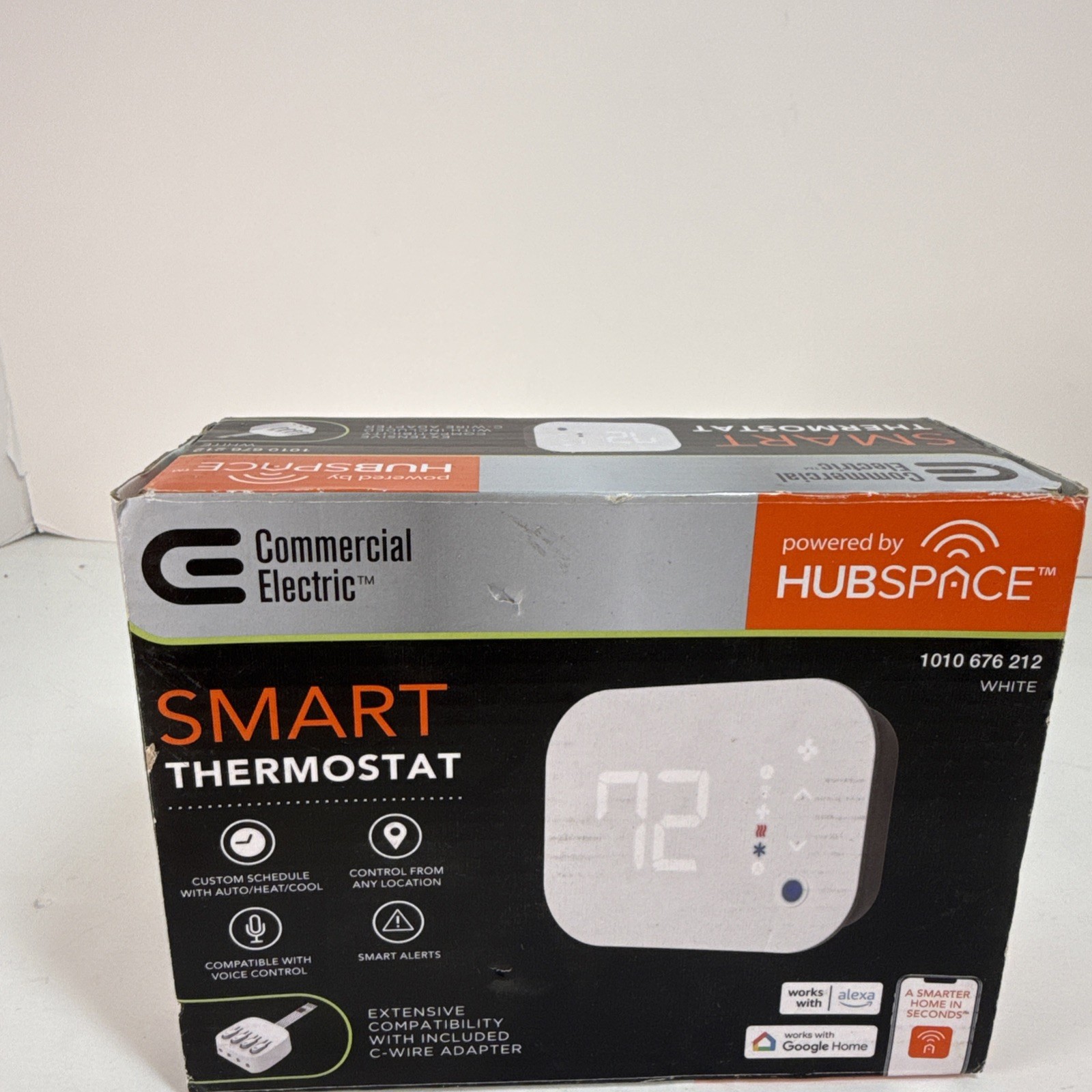
Hubspace, as seen with products like the CE Smart Programmable Thermostat Wi-Fi/Bluetooth Enabled Powered by Hubspace and another similar CE Smart Programmable Thermostat, represents a growing trend of brand-specific or retail-backed platforms. These platforms often provide a streamlined path to market for products sold through specific channels, benefiting from integrated app control and established user bases. For a startup, aligning with such a platform can simplify distribution and user adoption, though it might come with specific integration requirements or limitations.
Open-Source Alternatives
For startups prioritizing customization, privacy, or cost control, open-source platforms offer compelling advantages.
-
Home Assistant
Home Assistant is a powerful, open-source home automation platform that puts local control and privacy first. It supports an extensive range of devices and services, allowing for highly customized smart home experiences. While it requires more technical expertise to set up and maintain, it offers unparalleled flexibility and avoids vendor lock-in. For startups aiming to build highly specialized or privacy-focused solutions, Home Assistant can be a solid foundation, as highlighted in the Best Privacy-Focused Home Assistant 2026: Expert Guide.
-
OpenHAB
Similar to Home Assistant, OpenHAB is another mature open-source platform known for its flexibility and broad device compatibility. It provides a robust framework for integrating various smart home technologies and building custom automation rules. Open-source solutions often foster strong developer communities, which can be a valuable resource for startups.
Building Your Smart Home Ecosystem: Integration and Interoperability
A smart home isn't smart if its devices can't talk to each other. For a startup, ensuring seamless integration and interoperability is paramount.
The Importance of Open Standards (e.g., Matter, Thread)
The advent of open standards like Matter and Thread is a game-changer for the smart home industry. Matter, backed by major industry players, aims to create a unified, interoperable standard that allows devices from different brands to communicate effortlessly. Thread provides a self-healing mesh network for low-power devices. Startups should prioritize platforms and devices that support these standards to future-proof their offerings and ensure broad compatibility.
API-First Approach for Startups
Adopting an API-first development strategy means designing your product and platform with the intention of exposing well-documented APIs from the outset. This enables easy integration with other services, third-party applications, and future platforms. It's a foundational practice for building a truly connected and extensible smart home ecosystem. For a deeper look into how various systems integrate, consider the insights from Operating Systems Smart Home Integration: A 2026 Deep Dive.
Smart Home IoT Platform Selector & Estimator
Prioritize what matters most for your startup to find the best-fit IoT platform and estimate potential savings.
1. Set Your Startup's Priorities (1-10, 10 = Highest Importance)
2. Platform Comparison & Best Fit
Weighted Scores (Higher is Better)
Recommended Platform:
3. Estimate Your Potential Savings
See how a well-chosen platform can impact your development costs.
Estimated Months Saved: 0
Estimated Cost Savings: $0
Real-World Applications and Startup Success Stories
The smart home market is diverse, and successful startups often find niches or innovate on existing solutions.
Smart Thermostats and Energy Management
Energy efficiency remains a major driver for smart home adoption. Startups focusing on intelligent climate control, like those leveraging platforms such as Hubspace for their smart thermostats, tap into a significant market need. The CE Smart Programmable Thermostat, for example, allows users to create custom schedules and manage home climate from anywhere, directly addressing energy-conscious environments. Similarly, another CE Smart Programmable Thermostat highlights temperature sensor technology and Google Home/Assistant compatibility, showcasing the importance of platform integration for user experience.
Advanced Monitoring and Analytics
Beyond basic automation, smart home platforms enable sophisticated monitoring and predictive analytics. While focused on smart grids, the principles of real-time feeder monitoring and auditing systems, which integrate architectures, technologies, and analytics, demonstrate the potential for IoT platforms to provide granular visibility and reduce losses in complex systems (doi:10.48175/ijarsct-29476). Smart home startups can apply similar approaches to monitor home health, predict maintenance needs, or even offer proactive security alerts based on behavioral patterns.
Overcoming Challenges and Future Trends for Smart Home IoT Startups
The smart home arena, while promising, also presents challenges and evolving trends that startups must be prepared for.
Data Management and Storage
The sheer volume of data generated by smart homes requires robust and cost-effective data management solutions. Startups need strategies for data storage, backup, and retrieval, ensuring both availability and security. This often involves leveraging cloud storage solutions tailored for IoT workloads.
Edge Computing and Low Latency
For applications requiring immediate response times, such as security systems or real-time automation, processing data at the edge—closer to the devices—is essential. Edge computing reduces latency and reliance on constant cloud connectivity. Platforms that offer strong edge capabilities will become increasingly important for delivering responsive smart home experiences.
AI and Machine Learning at the Core
Artificial intelligence and machine learning are no longer add-ons but core components of intelligent smart home systems. Startups should integrate AI for personalization, predictive maintenance, anomaly detection, and natural language processing for voice control. This is where the platform's native AI services become a significant advantage.
The Role of AI Agents in Automation
Looking forward, AI agents are poised to take smart home automation to the next level. These intelligent entities can learn user preferences, anticipate needs, and manage device interactions autonomously. For startups, understanding and implementing frameworks for AI agent web automation, potentially leveraging tools discussed in Browser Harness GitHub: AI Agent Web Automation 2026, could open new avenues for innovation and truly proactive smart home services.
Non-Terrestrial Networks and Connected Vehicles
While seemingly distant, the evolution of communication technologies like non-terrestrial networks (NTN) and their role in connected automated vehicles (doi:10.1109/jsac.2024.3460063) hints at future possibilities for smart homes. Imagine seamless integration of home systems with vehicles or extended smart home networks reaching remote properties via satellite. Startups that monitor these broader technological shifts may gain a competitive edge in future smart living solutions.
Integration Requests and Community Feedback
The smart home ecosystem thrives on connectivity. Startups should actively engage with user communities and pay attention to common integration requests. This feedback loop is a goldmine for identifying unmet needs, improving interoperability, and guiding product development towards features that users truly desire. Openness to community input can build loyalty and foster a vibrant ecosystem around a startup's offerings.
"The future of smart homes isn't just about connecting devices; it's about connecting experiences. A startup's choice of IoT platform must reflect this, offering not just technical capabilities but also the flexibility to innovate and respond to evolving consumer demands for seamless, intelligent living."
Making the Right Choice: A Comparative Analysis
To aid in decision-making, here's a comparative overview of some leading IoT platforms for smart home startups as of April 2026:
| Platform | Key Strength for Startups | Primary Use Case | Cost Model | Scalability |
|---|---|---|---|---|
| AWS IoT | Extensive feature set, global reach, deep AI/ML integration | Complex, data-intensive smart home solutions | Pay-as-you-go | Very High |
| Google Cloud IoT | Strong analytics, AI capabilities, open standards focus | AI-driven, highly intelligent smart home applications | Pay-as-you-go | Very High |
| Azure IoT | Enterprise-grade security, hybrid cloud options, robust SDKs | Secure, integrated solutions, enterprise partnerships | Pay-as-you-go | Very High |
| Tuya Smart | Rapid product development, extensive device ecosystem | Hardware-focused smart device manufacturers | Tiered/Subscription | High |
| Home Assistant | Ultimate customization, local control, privacy-first | Niche, privacy-focused, highly customizable solutions | Free (open-source) | Medium (self-managed) |
Conclusion
Choosing the best IoT platform for a smart home startup in 2026 is a multifaceted decision that requires careful consideration of technical capabilities, business goals, and future market trends. Whether opting for the comprehensive power of cloud giants like AWS, Google, or Azure, the rapid development capabilities of specialized platforms like Tuya or Hubspace, or the flexibility of open-source solutions such as Home Assistant, the right choice will empower your startup to innovate, scale, and deliver compelling smart home experiences. By prioritizing scalability, security, interoperability, and robust developer support, startups can build a resilient foundation for long-term success in this dynamic industry.
