
 SaaS Metrics

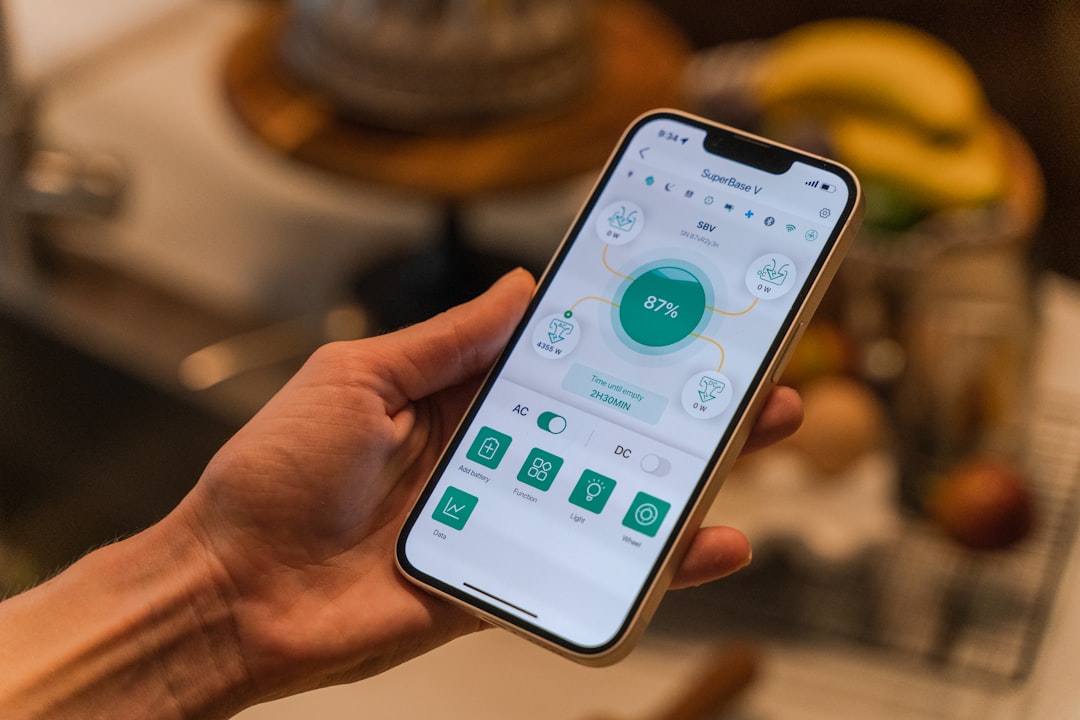
Best Smart Home App Ecosystem Integration in 2026
The quest for a truly connected home experience often begins and ends with seamless integration. In April 2026, the market for smart home technology is more sophisticated and interconnected than ever. Consumers are no longer satisfied with isolated devices; they demand a cohesive environment where every smart gadget communicates effortlessly. This article provides an expert analysis of the best smart home app ecosystem integration available, helping you make informed decisions about your connected living space.
Choosing the right smart home app ecosystem integration is not just about picking a voice assistant; it is about selecting a foundational platform that dictates compatibility, ease of use, security, and future expandability. A well-integrated ecosystem means your lights, thermostats, security cameras, and entertainment systems work together harmoniously, often controlled from a single, intuitive app or through voice commands. For those seeking a deeper understanding of the underlying infrastructure, our comprehensive resource on the best smart home hub ecosystem guide offers additional insights into the hardware that powers these integrations.
Understanding Smart Home App Ecosystems
A smart home app ecosystem is essentially a framework of hardware, software, and communication protocols that allows various smart devices to interact. At its core, it comprises a central control point (often a hub or a smart speaker with a built-in hub), a mobile application for management, and a set of compatible devices. The goal is to provide a unified experience, eliminating the need for multiple apps to control different devices.
The market is primarily dominated by a few major players: Apple Home (HomeKit), Google Home, and Amazon Alexa. Each offers a unique approach to integration, device compatibility, and user experience. Beyond these giants, platforms like Samsung SmartThings and niche solutions also offer compelling features for specific user needs. As of April 2026, the adoption of new interoperability standards like Matter continues to reshape the landscape, promising a future where device integration is less about brand loyalty and more about universal compatibility.
The Pillars of Integration: Protocols and Standards
Effective smart home app ecosystem integration relies heavily on underlying communication protocols. Understanding these helps in appreciating why certain devices work well together while others struggle:
- Wi-Fi: Ubiquitous and high bandwidth, ideal for devices requiring internet access or streaming, like cameras and smart TVs. Can consume more power and sometimes overcrowd networks.
- Bluetooth: Excellent for short-range, low-power connections, often used for initial device setup or direct control of nearby accessories.
- Zigbee & Z-Wave: Mesh networking protocols designed specifically for smart home devices, offering low power consumption, high reliability, and a broad range. Require a dedicated hub.
- Thread: An IP-based mesh networking protocol, often seen as a successor or complement to Zigbee. It is a foundational technology for Matter, offering robust, low-power, and scalable connectivity.
- Matter: The game changer. Launched in late 2022, Matter is an open-source, royalty-free connectivity standard that aims to unify smart home devices across different ecosystems. Supported by Apple, Google, Amazon, Samsung, and hundreds of other companies, Matter allows devices to work with multiple platforms simultaneously, significantly simplifying the best smart home app ecosystem integration process.
Leading Smart Home App Ecosystems for Integration in 2026
Let's examine the major players and their current standing in terms of app experience and integration capabilities.
Apple Home (HomeKit)
Apple's HomeKit framework, managed through the Home app, is renowned for its strong emphasis on privacy, security, and a streamlined user experience. As of April 2026, Apple continues to expand its ecosystem, with significant advancements in third-party integrations, including features like Home Key in smart locks, as noted in recent market narratives. This expansion solidifies Apple's influence in modern health tech, further connecting devices like the Apple Watch to the broader smart home context.
Strengths:
- Privacy & Security: HomeKit devices communicate locally when possible, and data is end-to-end encrypted. Apple's strict certification process ensures a high standard of security.
- User Experience: The Home app is clean, intuitive, and deeply integrated into iOS, iPadOS, and macOS. Siri provides seamless voice control.
- Automation & Scenes: Powerful automation capabilities allow users to create complex routines based on time, location, sensor triggers, or device status.
- Matter Support: Apple was an early and strong proponent of Matter, ensuring that HomeKit is well-positioned to integrate with a wider array of devices moving forward.
Considerations:
- Device Compatibility: Historically, HomeKit had a narrower range of compatible devices due to its strict certification. Matter is helping to alleviate this, but some legacy devices may still not be supported.
- Hardware Lock-in: Best experience is naturally with Apple devices (iPhone, iPad, Apple Watch, HomePod).
Google Home
Google Home, powered by the Google Assistant, offers a robust and widely compatible ecosystem. Its strength lies in its AI capabilities, extensive device support, and seamless integration with Google's vast suite of services. In 2026, Google Home continues to be a strong contender for the best smart home app ecosystem integration.
Strengths:
- Device Compatibility: Google Home supports an enormous number of smart devices from various manufacturers, often more than HomeKit.
- AI & Assistant: Google Assistant is arguably the most capable voice assistant, excelling at natural language processing and complex queries. It integrates with calendars, search, and other Google services.
- Automation & Routines: Powerful routines allow for custom actions and triggers, including "Good Morning" or "Good Night" sequences.
- Nest Integration: Deep integration with Google Nest devices (thermostats, cameras, doorbells) provides a cohesive experience for those committed to the Nest family.
- Matter Support: Google is a key player in Matter development, ensuring its ecosystem remains at the forefront of interoperability.
Considerations:
- Privacy Concerns: As a data-driven company, some users may have concerns about Google's data collection practices, though Google offers privacy controls.
- App Simplicity: While functional, the Google Home app can sometimes feel less polished or intuitive compared to Apple's Home app, particularly for complex device management.
Amazon Alexa (Alexa App)
Amazon Alexa remains the most popular voice assistant, largely due to its wide adoption through Echo devices and its extensive "Skills" library. The Alexa app serves as the central control panel for this expansive ecosystem, offering broad device compatibility and a user-friendly interface for managing routines and devices. For those prioritizing voice control and a vast selection of compatible products, Alexa provides excellent smart home app ecosystem integration.
Strengths:
- Device Compatibility: Alexa boasts the largest number of compatible devices and services, thanks to its open platform for developers.
- Voice Control: Alexa's voice commands are highly responsive and support a wide range of actions through its "Skills."
- Affordability: Echo devices are often more affordable than competitors, making entry into the smart home accessible.
- Routines: Alexa's routines are powerful, allowing for complex sequences of actions triggered by voice, time, sensors, or device state.
- Matter Support: Amazon is a strong supporter of Matter, ensuring that Alexa will continue to integrate with new devices easily.
Considerations:
- Privacy: Similar to Google, Amazon's data collection policies are a point of concern for some users.
- Interface Clutter: The Alexa app, while functional, can sometimes feel a bit cluttered due to the sheer volume of features and options available.
Samsung SmartThings
Samsung SmartThings offers a highly versatile and robust smart home platform, especially appealing to users already invested in Samsung's ecosystem of appliances and mobile devices. Its strength lies in its powerful hub, broad protocol support (including Zigbee and Z-Wave), and flexible automation capabilities.
Strengths:
- Extensive Protocol Support: SmartThings hubs often support Zigbee, Z-Wave, Wi-Fi, and Bluetooth, allowing for integration with a wider variety of devices directly.
- Advanced Automation: Its "Scenes" and "Automations" are highly customizable, allowing for complex conditional logic.
- Samsung Integration: Seamless control of Samsung smart appliances (refrigerators, washing machines, TVs) and mobile devices.
- Matter Support: Samsung is a significant contributor to Matter, ensuring its continued relevance.
Considerations:
- Learning Curve: The SmartThings app can be more complex for beginners due to its advanced features.
- Reliance on Hub: While beneficial for local control, the need for a dedicated hub adds an initial cost and setup step.
The Role of Apps in Smart Home Integration
The mobile application is the primary interface for managing and interacting with your smart home ecosystem. A truly integrated experience hinges on the app's design, responsiveness, and feature set. The best smart home app ecosystem integration provides a centralized control panel that simplifies complex tasks.
Consider the AT&T Smart Home Manager app, for instance. It exemplifies how a well-designed app can simplify management. According to its description, it guides users through self-setup and provides all the tools needed to manage a network in one intuitive, user-friendly interface. Features like easily viewing and updating Wi-Fi credentials, seeing connected devices, personalizing device names, and setting downtime schedules for family screen time are highly practical. One user review praises it as 'Amazingly Useful,' stating it's 'Truly, the best App for any WiFi Connection out there.' This highlights the impact of a well-executed app on user satisfaction and overall system utility. Such apps are not just about controlling devices; they are about managing the entire digital infrastructure of the home.
Key app features that contribute to superior integration:
- Intuitive Interface: Easy to navigate, clear device status, quick access to common controls.
- Automation Creation: Simple, guided processes for setting up routines and scenes.
- Device Management: Easy pairing, renaming, grouping, and troubleshooting.
- Remote Access: Secure control of your home from anywhere.
- Notifications: Timely alerts for important events (e.g., motion detected, door unlocked).
- Energy Monitoring: Insights into power consumption for smart devices.
“The modernization of power distribution networks into intelligent Smart Grids necessitates a paradigm shift from periodic, manual inspections to continuous, real-time feeder monitoring and auditing. Traditional systems, reliant on legacy SCADA and manual meter reading, are plagued by high Aggregate Technical and Commercial (AT&C) losses, prolonged outage durations, and a lack of granular visibility into feeder health.” – A Comprehensive Review of Real-Time Feeder Monitoring and Auditing Systems
While this quote primarily addresses smart grids, it underscores a fundamental principle relevant to smart homes: the shift from fragmented, manual control to integrated, real-time monitoring and automation. The same drive for efficiency, reduced losses, and granular visibility applies to our homes, demanding seamless app ecosystem integration for optimal performance and user experience.
Personalized Smart Home Ecosystem Recommender (2026)
Adjust the sliders and select your preferences to find the smart home app ecosystem that best fits your needs. Our expert system will analyze your choices and recommend the ideal platform for seamless integration.
Your Smart Home Priorities (1=Low, 5=High)
Ecosystem Performance & Recommendation
Choosing the Best Smart Home App Ecosystem Integration for You
Selecting the ideal ecosystem depends on your existing technology, privacy preferences, budget, and desired level of control. Here are factors to consider:
1. Existing Devices and Operating Systems
If you're an iPhone user, Apple HomeKit offers the most native and secure experience. Android users might find Google Home or Amazon Alexa more aligned with their existing devices. Consider what smart speakers, phones, or tablets you already own, as these often serve as the central control points.
2. Preferred Voice Assistant
Do you prefer Siri, Google Assistant, or Alexa? Each has its strengths. Try them out if you can. Your comfort with a particular voice assistant will heavily influence your daily interaction with your smart home.
3. Device Compatibility
While Matter is improving this, not all devices support all ecosystems. Make a list of the smart devices you plan to purchase or already own and check their compatibility. Some platforms, like SmartThings, offer broader native protocol support for legacy devices.
4. Security and Privacy
Apple HomeKit generally leads in privacy due to its local processing and strong encryption. Google and Amazon offer robust security but collect more data for their AI services. Review the privacy policies of each ecosystem provider carefully.
5. Automation and Customization Needs
Do you want simple "turn off lights at 10 PM" automations, or complex conditional routines involving multiple sensors and devices? SmartThings and Google Home often provide more granular control for advanced users, while Apple Home offers a balance of power and simplicity.
6. Budget
The cost of entry varies. Amazon Echo devices are generally the most affordable, while HomePods and Google Nest Hubs are often mid-range to premium. Consider the long-term cost of compatible devices, not just the hub.
To help you compare, here's a table summarizing the key aspects of the leading smart home app ecosystems:
| Feature/Ecosystem | Apple Home (HomeKit) | Google Home | Amazon Alexa | Samsung SmartThings |
|---|---|---|---|---|
| Primary Control App | Home App | Google Home App | Alexa App | SmartThings App |
| Voice Assistant | Siri | Google Assistant | Alexa | Bixby (and others via integration) |
| Key Strengths | Privacy, Security, UX, Native iOS | AI, Broad Compatibility, Nest Integration | Vast Device Support, Affordability, Skills | Protocol Support (Zigbee/Z-Wave), Advanced Automation |
| Matter Support (as of 2026) | Strong | Strong | Strong | Strong |
| Learning Curve | Low | Medium | Low to Medium | Medium to High |
| Privacy Focus | High | Medium | Medium | Medium |
The Future of Smart Home App Ecosystem Integration
As of April 2026, the smart home industry is experiencing rapid evolution, driven by advancements in AI, machine learning, and crucially, universal standards like Matter and Thread. The push for the best smart home app ecosystem integration is no longer just about convenience; it's about creating truly intelligent, responsive homes that anticipate needs.
The ongoing development of Matter, for instance, promises to simplify the integration process significantly. Manufacturers are increasingly prioritizing Matter compliance, meaning that in the coming years, the choice of ecosystem will become less about which devices are compatible and more about which app interface and voice assistant you prefer. This shift will empower consumers with greater flexibility and reduce the frustration of incompatible devices. Learn more about how these technologies are shaping the market in our Best Smart Home Systems Compatibility 2026: An Expert Guide.
Further developments will likely include more sophisticated AI driven automations. Imagine a home that learns your routines not just from explicit commands, but from your daily habits, adjusting lighting, temperature, and even entertainment proactively. Personalized experiences, adaptive security, and predictive maintenance will become standard features, moving beyond simple device control to genuine home intelligence.
User experience will also remain a key differentiator. While Matter handles the backend, the front-end app experience is where ecosystems will compete. Apps will need to be even more intuitive, offering personalized dashboards and simplified controls for complex systems. For insights into how usability is being prioritized, consider reviewing our Best Smart Home Systems Usability 2026: Expert Analysis.
The demand for better integration is consistently voiced by users and developers alike. Github insights often show ongoing '[INTEGRATION REQUEST]' issues, highlighting the continuous need for platforms to broaden their compatibility and streamline connections. This feedback loop drives innovation, pushing companies to develop more robust and user-friendly integration options.
Beyond the Big Three: Niche Integrations and Custom Solutions
While Apple, Google, and Amazon dominate, other platforms and approaches offer unique integration possibilities:
Home Assistant
For the technically inclined, Home Assistant is an open-source home automation platform that offers unparalleled customization and local control. It can integrate almost any smart device, regardless of brand or protocol, often without cloud reliance. While it has a steeper learning curve, its flexibility makes it a powerful choice for those who want complete control over their smart home app ecosystem integration.
IFTTT (If This Then That)
IFTTT acts as a bridge between various apps and devices that might not natively communicate. It allows users to create simple applets (rules) that link services, such as "If my smart lock is unlocked, then turn on the living room lights." While Matter aims to reduce the need for such third-party services for core device control, IFTTT remains useful for connecting disparate online services or creating unique, cross-platform automations.
Commercial and Enterprise Integrations
The principles of smart home integration extend to larger scales, like smart buildings and smart cities. Businesses also leverage robust integration platforms for efficiency and growth. Platforms designed to drive product adoption and user retention, like those discussed in a Userpilot Review 2026: Driving SaaS Product Growth & ROI, demonstrate how seamless integration is a core component of digital product success, mirroring the user needs in the smart home sector.
Conclusion
As of April 2026, the market for smart home app ecosystem integration is vibrant and constantly evolving. Apple Home, Google Home, and Amazon Alexa continue to lead, each offering distinct advantages in terms of user experience, device compatibility, and underlying philosophy. Samsung SmartThings provides a robust alternative with strong protocol support and advanced automation capabilities. The advent of Matter is a transformative force, promising a future of unprecedented interoperability that will simplify device selection and setup across all major platforms.
The best smart home app ecosystem integration is ultimately the one that aligns most closely with your personal needs, existing technology, and comfort level with different interfaces and voice assistants. By carefully considering the factors discussed in this guide, you can build a connected home that is not only smart but truly integrated, intuitive, and secure for years to come. The goal remains to create a living space where technology fades into the background, working seamlessly to enhance comfort, convenience, and peace of mind.
