
 SaaS Metrics

Best Smart Home Integration System: 2026 Expert Analysis
The vision of an interconnected home, where devices communicate effortlessly and respond intuitively to your needs, has become a tangible reality. As of April 24, 2026, the market for smart home technology is more sophisticated and integrated than ever before. For anyone looking to centralize their smart devices and create a truly intelligent living space, finding the best smart home integration system is not just about convenience; it is about efficiency, security, and a future-ready home. This comprehensive guide will dissect the leading platforms, protocols, and considerations to help you make an informed decision in 2026.
Integrating smart home devices means moving beyond isolated gadgets to a cohesive ecosystem. It transforms a collection of smart lights, thermostats, and security cameras into a symphony of automated actions. Our previous analysis, which explored various best smart home hubs and ecosystems for 2026, laid foundational groundwork. Now, we delve deeper into the systems that truly bind these elements, focusing on their capabilities, limitations, and overall value proposition for the discerning homeowner.
Understanding the Core of Smart Home Integration Systems
At its heart, a smart home integration system acts as the central nervous system for your connected devices. It is not merely a collection of apps or voice assistants; it is the underlying framework that allows disparate devices, often from different manufacturers, to communicate, share data, and execute commands in harmony. In 2026, this integration is more advanced, largely thanks to evolving standards and increasingly powerful hardware.
What Defines an Integration System?
An integration system typically comprises several key components:
- Hubs or Controllers: These are physical or virtual devices that serve as the central communication point for your smart devices. They translate different communication protocols into a common language that the integration system can understand.
- Software Platforms: This is the operating system of your smart home, often accessible via a mobile app, web interface, or voice assistant. It allows you to configure devices, create automations, and monitor your home's status.
- Communication Protocols: These are the languages devices use to talk to each other. Key protocols in 2026 include Wi-Fi, Bluetooth, Zigbee, Z-Wave, Thread, and, most notably, Matter. Matter is a unified standard designed to simplify compatibility, promising a new era of seamless integration.
The Role of AI and Machine Learning in 2026
Artificial intelligence (AI) and machine learning (ML) are no longer futuristic concepts in smart homes; they are integral to advanced integration systems as of 2026. AI powers predictive automations, learning your habits to proactively adjust lighting, climate, and security. For example, your system might learn that you prefer cooler temperatures for sleeping and automatically adjust your thermostat before bedtime, even if you forget to set a schedule. ML algorithms enhance security by differentiating between pets and intruders, or by identifying unusual patterns in energy consumption, leading to smarter energy management. This intelligent layer significantly elevates the user experience, moving from reactive control to proactive home management.
Top Contenders for the Best Smart Home Integration System in 2026
The market is dominated by several powerful ecosystems, each with its strengths and weaknesses. Choosing the best smart home integration system requires understanding what each platform offers in terms of device support, automation capabilities, and user experience.
Apple Home (HomeKit)
Apple Home, powered by HomeKit, continues to be a strong contender, especially for users deeply embedded in the Apple ecosystem. Its focus on privacy and security remains a significant draw. As of 2026, HomeKit has fully embraced the Matter standard, expanding its device compatibility beyond traditionally certified HomeKit devices. This means a wider array of smart devices can now be controlled via the Home app, Siri, and Apple devices like the HomePod mini or Apple TV.
- Strengths: Unparalleled privacy and security, intuitive user interface for Apple users, robust local processing for many automations, seamless Siri integration, and strong Matter support.
- Limitations: Can still feel somewhat restrictive compared to more open platforms, and the initial setup for non-Matter devices can sometimes be less straightforward than competitors.
Google Home (Nest Ecosystem)
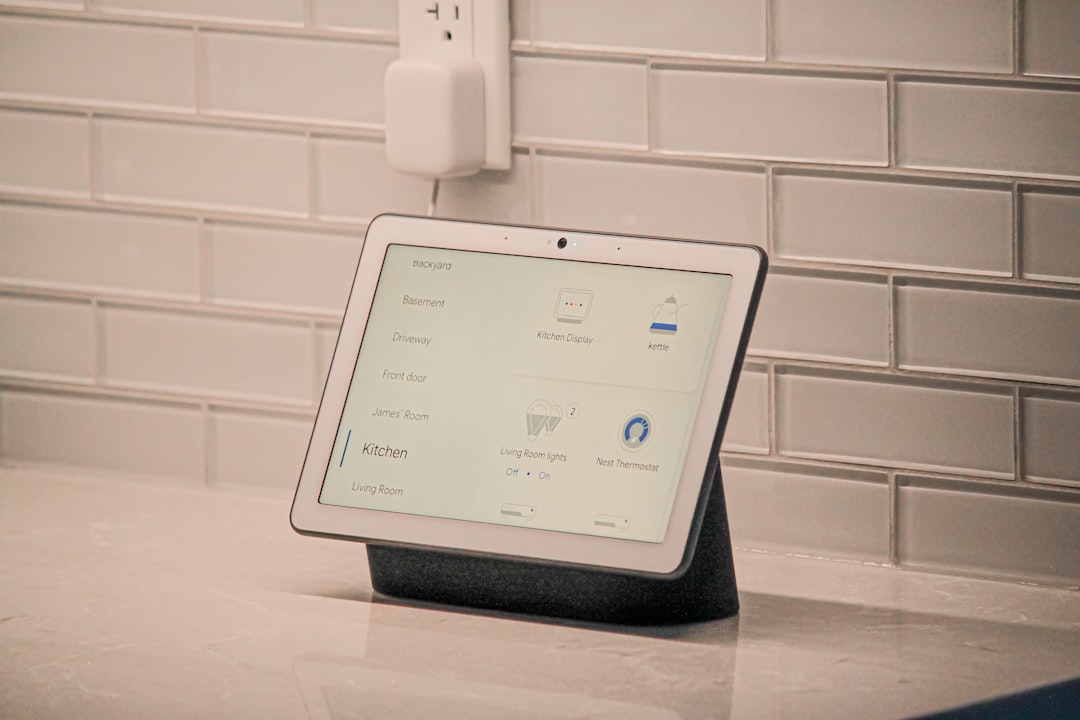
Google Home, integrating deeply with the Nest ecosystem, offers a broad and versatile smart home experience. Google Assistant is a powerful voice control agent, capable of complex queries and multi-step routines. The platform's affordability and wide range of compatible devices make it accessible to many. In 2026, Google Home's role as a Matter controller is robust, allowing seamless integration of Matter-enabled devices alongside existing Nest products.
- Strengths: Extensive device compatibility, powerful Google Assistant with advanced AI capabilities, strong support for voice commands and routines, often more budget-friendly entry points, and excellent Matter integration.
- Limitations: Historical concerns regarding data privacy, and the user interface can sometimes feel fragmented across different Google apps and services.
Amazon Alexa (Echo Ecosystem)
Amazon Alexa remains a dominant force, particularly known for its vast device compatibility and the ubiquity of Alexa voice control. The Echo ecosystem, with its array of smart speakers and displays, serves as an excellent hub for many smart homes. Alexa's routines are powerful for simple automations, and its constant evolution brings new features regularly. Like its rivals, Amazon has fully integrated Matter support, further solidifying its position as a universal controller.
- Strengths: Enormous selection of compatible devices, highly responsive Alexa voice control, powerful and customizable routines, affordable entry-level devices, and comprehensive Matter support.
- Limitations: Similar to Google, privacy concerns are sometimes raised due to extensive data collection, and the sheer volume of features can sometimes lead to a cluttered experience.
Samsung SmartThings
Samsung SmartThings stands out for its robust device compatibility, supporting a wide array of Zigbee, Z-Wave, and Wi-Fi devices directly through its hubs. It offers a more open platform feel, allowing for sophisticated automations and custom integrations. SmartThings is particularly appealing to users who want granular control and the ability to connect devices from numerous brands without being locked into a single ecosystem's hardware.
- Strengths: Excellent multi-protocol support (Zigbee, Z-Wave, Wi-Fi, Matter), powerful automation engine for complex scenarios, strong community support, and a comprehensive app.
- Limitations: Can present a steeper learning curve for beginners, and the app experience, while powerful, has sometimes been criticized for inconsistency.
Hubitat Elevation
For those prioritizing local processing and advanced control, Hubitat Elevation continues to be a top choice in 2026. Unlike cloud-dependent systems, Hubitat performs automations locally on the hub, meaning your smart home continues to function even if your internet connection goes down. This focus on local control also enhances privacy and speed. It supports Zigbee and Z-Wave devices natively and offers extensive customization options.
- Strengths: Superior privacy and security through local processing, incredibly fast automation execution, extensive support for Zigbee and Z-Wave, and a strong community of power users.
- Limitations: The user interface is less polished than mainstream options, and it requires a greater degree of technical comfort to set up and manage effectively.
Home Assistant
Home Assistant is the ultimate platform for the do-it-yourself smart home enthusiast. It is an open-source home automation platform that offers unparalleled customization, vast device integration possibilities, and a strong emphasis on local control and privacy. While it requires technical expertise to set up and maintain, its flexibility is unmatched, allowing users to integrate virtually any smart device or service.
- Strengths: Infinite customization options, supports almost every smart home protocol and device, 100% local control for maximum privacy and reliability, and a passionate, active community.
- Limitations: Requires significant technical knowledge and time investment for setup and ongoing management, not a plug-and-play solution for most users.
Key Factors in Choosing the Best Smart Home Integration System
Selecting the ideal integration system involves weighing several critical factors. Your personal needs, technical comfort, and existing devices will heavily influence which system is the right fit.
Compatibility and Ecosystem Versatility
The ability of a system to communicate with your existing and future smart devices is paramount. In 2026, the arrival and widespread adoption of the Matter standard has significantly simplified this aspect. Matter-enabled devices can theoretically work across any Matter-compatible platform, reducing vendor lock-in. When considering your options, always evaluate the system's support for protocols like Zigbee, Z-Wave, Wi-Fi, Thread, and especially Matter. For a detailed comparison of how different systems stack up, explore our analysis on Best Smart Home System Compatibility Comparison 2026.
User Experience and Usability
A powerful integration system is only as good as its usability. An intuitive app, responsive voice control, and straightforward automation setup are essential for a pleasant smart home experience. Consider how easily you can add new devices, create routines, and troubleshoot issues. Some systems, like Apple Home, are renowned for their simplicity, while others, like Home Assistant, offer immense power at the cost of a steeper learning curve. For insights into systems that prioritize ease of use, refer to our article on the Best Smart Home Systems with Good Usability 2026.
A prime example of excellent usability in a related domain is the AT&T Smart Home Manager app. Users frequently praise its straightforward design, with reviews calling it "Amazingly Useful" and "The best WiFi there is HANDS DOWN." Others simply state, "Amazing." This app, designed to guide users through self-setup and network management, demonstrates how an intuitive, user-friendly interface can significantly enhance the smart home experience. It allows you to easily view, update, and share your Wi-Fi name and password, see connected devices, personalize device names, and even set downtime schedules for family screen time. Such features streamline network management, which is a foundational aspect of any integrated smart home. You can find more details about the app here.
Security and Privacy
As more devices connect to your home network, the importance of security and privacy grows. Evaluate how each system handles your data: Is it processed locally, in the cloud, or a hybrid? Does the platform offer strong encryption? Can you control data sharing? Systems that prioritize local processing, like Hubitat and Home Assistant, offer a higher degree of privacy, as your data remains within your home network. Cloud-based systems, while convenient, involve trusting a third-party provider with your information.
Automation and Customization Capabilities
The true power of a smart home lies in its ability to automate tasks. Look for systems that offer robust automation engines, allowing you to create complex routines based on triggers (e.g., time of day, motion detection, geofencing) and conditions (e.g., if temperature is above X, if nobody is home). Some systems offer simple, wizard-based routine creation, while others provide scripting capabilities for highly customized scenarios. Consider whether you need basic "if this, then that" functionality or more intricate, multi-step sequences.
Scalability and Future-Proofing
Your smart home will likely grow over time. Choose a system that can easily accommodate new devices and evolving technologies. The Matter standard is a significant step towards future-proofing, as it ensures broader compatibility. Consider how well the system integrates with emerging technologies like advanced AI assistants, new sensor types, and energy management solutions. Planning for future growth ensures your initial investment remains relevant. For a forward-looking perspective, consider our analysis of Best Smart Home Systems 2027: Top Compatibility & Ecosystems.
Cost and Installation
Smart home systems vary widely in cost, from budget-friendly voice assistants to high-end, professionally installed solutions. Consider the initial investment for hubs, starter kits, and essential devices, as well as any potential ongoing subscription fees for advanced features or cloud storage. Installation can range from simple DIY setup to complex wiring and configuration requiring professional assistance. Factor in both monetary cost and the time and effort you are willing to invest.
Personalized Smart Home System Matchmaker 2026
Adjust your priorities to find the best smart home integration system tailored to your needs.
Your Top Smart Home System Recommendation:
Overall System Scores:
Detailed System Comparison:
| System | Overall Score | Compatibility | User Experience | Privacy/Security | Automation | Scalability | Cost | Tech Comfort |
|---|
Comparative Analysis: Choosing Your Ideal Smart Home Integration System
To summarize the strengths of the leading platforms, here is a comparative overview:
| Integration System | Primary Strengths | Key Protocols Supported | User Experience | Privacy & Control |
|---|---|---|---|---|
| Apple Home (HomeKit) | Privacy, security, ease of use for Apple users, Siri | Matter, Thread, Wi-Fi, Bluetooth | Excellent (intuitive for Apple users) | High (local processing, strong privacy features) |
| Google Home (Nest) | Broad compatibility, powerful AI, Google Assistant | Matter, Thread, Wi-Fi, Bluetooth | Good (user-friendly, but can be fragmented) | Medium (cloud-dependent, data collection) |
| Amazon Alexa (Echo) | Vast device support, Alexa voice control, routines | Matter, Thread, Wi-Fi, Bluetooth, Zigbee | Good (easy voice control, extensive features) | Medium (cloud-dependent, data collection) |
| Samsung SmartThings | Multi-protocol support, robust automation, openness | Matter, Zigbee, Z-Wave, Wi-Fi, Bluetooth | Good (powerful, but can be complex) | Medium (hybrid local/cloud processing) |
| Hubitat Elevation | Local processing, advanced automation, privacy | Zigbee, Z-Wave, Wi-Fi (via integrations) | Moderate (steeper learning curve) | High (primarily local processing) |
| Home Assistant | Ultimate customization, open source, local control | Extensive (virtually all protocols via add-ons) | Challenging (requires technical expertise) | Very High (100% local, user-controlled) |
"The ideal smart home integration system in 2026 is not a one-size-fits-all solution; it's a personalized choice that balances ease of use with the depth of control and privacy you demand. Think of it as building your home's digital brain – the right fit ensures seamless operation and peace of mind for years to come."
The Future of Smart Home Integration: Beyond 2026
Looking beyond 2026, the trajectory of smart home integration points towards even greater intelligence and autonomy. Ambient computing, where technology fades into the background, anticipating needs without explicit commands, is becoming a more prevalent theme. Imagine a home that adjusts lighting, temperature, and even music based on your mood, activity, and presence, all learned through subtle sensor data and AI analysis.
Further advancements in AI will lead to more sophisticated predictive intelligence. Systems will not just react to triggers but will anticipate your needs based on long-term patterns, external data (like weather forecasts or traffic), and even biometric inputs from wearables. The Matter standard will continue to mature, fostering an even more truly interoperable device ecosystem, pushing innovation further as developers focus less on compatibility hurdles and more on unique features and services. Energy management will evolve, with smart homes actively participating in grid optimization, dynamically adjusting consumption to save money and support sustainability.
Security will also see significant advancements, with AI-powered anomaly detection becoming more refined, distinguishing between routine occurrences and genuine threats with greater accuracy. The emphasis on local processing and edge computing will likely grow, driven by both privacy concerns and the need for faster, more reliable performance. The smart home of tomorrow will not just be connected; it will be an active, learning, and truly intelligent assistant in daily life.
Conclusion
Choosing the best smart home integration system in 2026 is a decision that shapes your daily living experience. Whether you prioritize simplicity and privacy with Apple Home, broad compatibility and AI prowess with Google Home or Amazon Alexa, the deep customization of SmartThings, or the local control and advanced features of Hubitat Elevation or Home Assistant, a robust solution exists for every homeowner. The key is to assess your current devices, anticipated future needs, technical comfort, and privacy requirements.
The landscape of smart home integration is dynamic, with Matter simplifying compatibility and AI enhancing intelligence. By carefully considering the factors discussed—compatibility, user experience, security, automation, scalability, and cost—you can select a system that not only meets your present demands but also gracefully evolves with your home into the future. A well-integrated smart home is more than just a collection of gadgets; it is a personalized, efficient, and secure environment that truly enhances modern living.
