SaaS Metrics
Amazon Smart Home Ecosystem Evaluation: 2026 Analysis
The smart home arena continues its rapid evolution, and as of April 2026, Amazon remains a dominant force. For many consumers and product analysts, a thorough Amazon smart home ecosystem evaluation is essential to understand its strengths, weaknesses, and future trajectory. Amazon's approach, largely centered around its voice AI, Alexa, and the ubiquitous Echo line of devices, has shaped how millions interact with their homes. This analysis will dissect the current state of Amazon's smart home offerings, examining everything from device integration and user experience to security protocols and future prospects. If you're considering investing in or expanding an Amazon-powered smart home, understanding the intricate details of this ecosystem is more important than ever. For a broader understanding of how Amazon's ecosystem compares to other foundational smart home technologies, you might find our article on The Best Smart Home Hub Ecosystem Guide: Expert Breakdown particularly useful.
The Core of the Amazon Smart Home Ecosystem: Alexa and Echo
At the heart of Amazon's smart home strategy lies Alexa, its sophisticated voice assistant, and the diverse range of Echo devices. These two elements form the central nervous system of any Amazon-centric smart home, dictating how users interact with their connected devices and services.
Alexa's Evolving Intelligence in 2026
Alexa in 2026 is a far more capable AI than its predecessors. Years of development, coupled with advances in natural language processing and machine learning, have made Alexa more conversational, contextually aware, and proactive. It's not just about turning lights on or off; Alexa can now manage complex routines, infer user intent with greater accuracy, and even initiate actions based on learned patterns or sensor data without explicit commands. For instance, if your smart thermostat detects an unusual temperature spike, Alexa might suggest adjusting the AC, or if a Ring camera detects motion, Alexa could automatically trigger smart lights and send a notification. The integration of generative AI capabilities is also starting to surface, allowing for more nuanced interactions and personalized responses, moving beyond rigid command structures.
Echo Devices: Hubs, Speakers, and Displays
The Echo family is Amazon's hardware backbone, offering various form factors to suit different needs. The traditional Echo speakers remain popular for audio and voice control, while the Echo Show devices, with their touchscreens, provide visual feedback, video calling, and media consumption. In 2026, the capabilities of these devices have expanded significantly:
- Echo Hub: Positioned as a dedicated smart home control panel, the Echo Hub (released in late 2023, now refined) offers a centralized touchscreen interface for managing all connected devices, viewing camera feeds, and running routines. It's Amazon's answer to a wall-mounted control system, providing a visual alternative or supplement to voice commands.
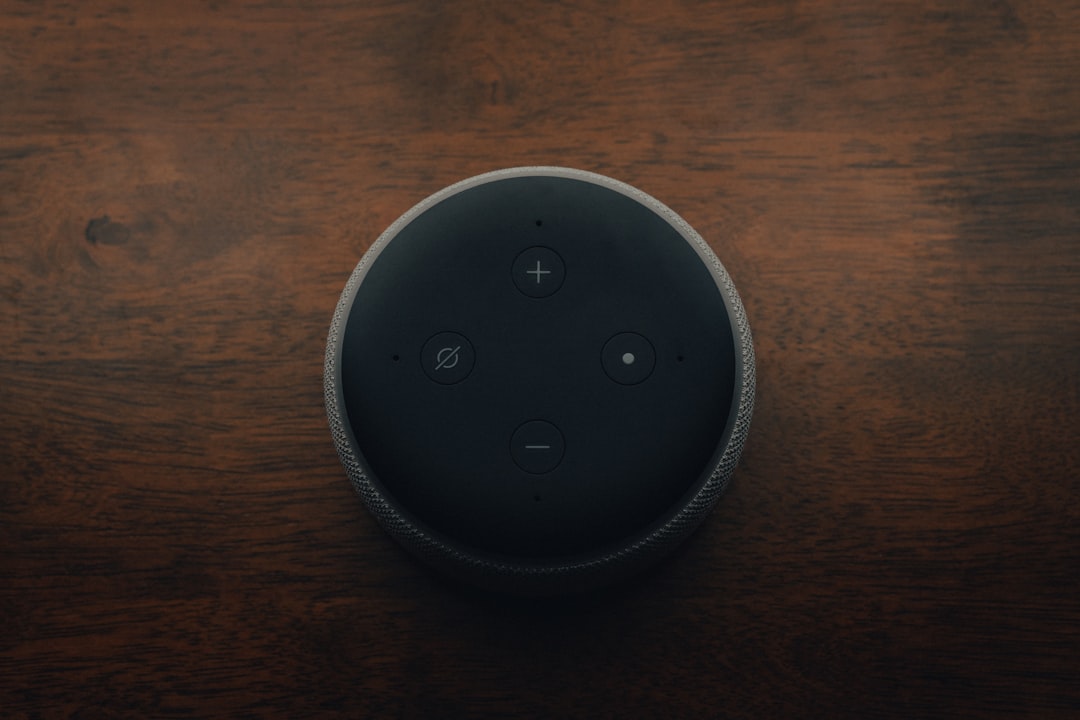
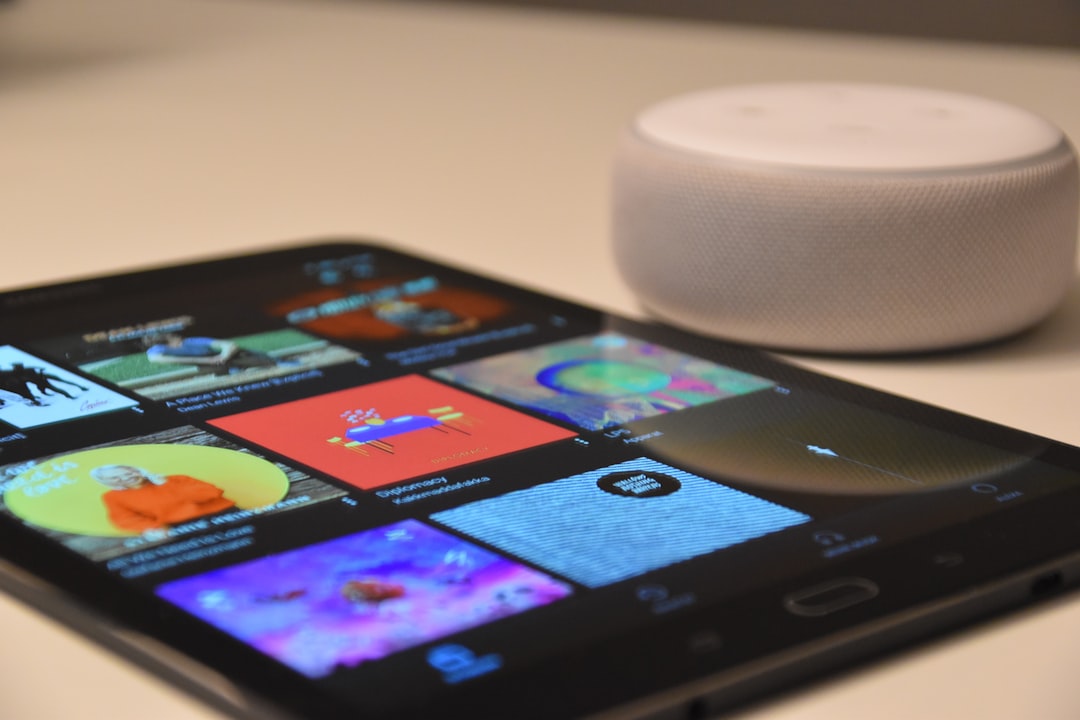
- Echo Dot and Pop: These compact, affordable speakers continue to serve as entry points into the Alexa ecosystem, providing basic voice control and audio playback in every room.
- Echo Show Devices: From the compact Show 5 to the larger Show 15, these devices integrate cameras for video calls, display weather, news, recipes, and provide visual control over smart devices. The Show 15, in particular, acts as a digital family hub, capable of displaying widgets and personalized content for different family members.
- Eero Integration: Many newer Echo devices, especially the Echo Show and larger Echo speakers, now integrate Eero Wi-Fi mesh technology, enhancing network stability and extending coverage, which is vital for a responsive smart home.
Device Compatibility and Integration: A Key to Amazon Smart Home Ecosystem Evaluation
The strength of any smart home ecosystem lies in its ability to seamlessly integrate a wide array of devices. Amazon has aggressively pursued compatibility, making its ecosystem one of the most open and expansive on the market.
Native Amazon Devices: Ring, Eero, Blink, and More
Amazon's acquisition strategy has brought several leading smart home brands under its umbrella, ensuring deep and reliable integration:
- Ring: Video doorbells, security cameras, and home security systems. Ring devices are tightly integrated with Alexa, allowing users to view live feeds on Echo Show devices, receive motion alerts, and arm/disarm systems via voice.
- Blink: Affordable, battery-powered security cameras. Blink offers a simpler, often more budget-friendly alternative to Ring, with similar Alexa integration for viewing feeds and receiving alerts.
- Eero: Mesh Wi-Fi systems. Eero is not just a router; it's a foundational component for a reliable smart home network. Its integration with Echo devices (as mentioned above) and the Alexa app allows for network management and parental controls directly through the ecosystem.
- Amazon Smart Plugs and Light Bulbs: Amazon's own branded smart plugs and bulbs offer simple, cost-effective ways to add basic smart control to traditional devices and lighting.
Third-Party Support and the "Works with Alexa" Program
Beyond its own brands, Amazon boasts an extensive "Works with Alexa" program, supporting thousands of devices from hundreds of manufacturers. This includes popular brands like Philips Hue, Ecobee, Sonos, and more. This broad compatibility means users aren't locked into Amazon's hardware choices but can select devices that best fit their needs while still benefiting from Alexa's control. The onboarding process for many of these devices has also become significantly smoother, often requiring just a few taps in the Alexa app or a simple voice command for discovery.
Matter and Thread: Unifying the Smart Home in 2026
Perhaps the most significant development impacting smart home integration in recent years is the widespread adoption of Matter. As of April 2026, Matter is no longer a nascent standard but a mature protocol, and Amazon has been a key proponent. Most new Echo devices and many third-party smart home gadgets now support Matter, allowing for simpler setup, improved local control, and greater interoperability between different ecosystems. This means a Matter-certified device can theoretically work with Alexa, Google Home, and Apple HomeKit simultaneously, reducing compatibility headaches. Thread, a low-power mesh networking protocol, complements Matter by providing a robust and efficient communication layer for many smart home devices. Amazon's commitment to Matter and Thread significantly strengthens its ecosystem, making it more future-proof and user-friendly. For a deeper understanding of how these protocols are shaping the smart home landscape, exploring Operating Systems Smart Home Integration: A 2026 Deep Dive provides excellent context.
User Experience and Interface
The everyday experience of interacting with a smart home is paramount. Amazon has consistently refined its interfaces to make controlling a connected home intuitive and accessible.
Voice Control: Strengths and Limitations
Alexa's voice control remains a cornerstone. Its strengths include natural language understanding, rapid response times for simple commands, and the convenience of hands-free operation. Users can issue commands from anywhere within earshot of an Echo device, making it ideal for multi-tasking. However, limitations persist. Complex multi-step commands can still be cumbersome, and ambient noise or specific accents can occasionally lead to misinterpretations. Privacy concerns also linger for some users regarding always-on microphones, though Amazon offers various privacy controls, including microphone mute buttons and the ability to review and delete voice recordings.
The Alexa App: Centralized Control and Automation
The Alexa app serves as the central command center for the entire ecosystem. From initial device setup to managing routines, viewing camera feeds, and checking device status, the app provides comprehensive control. In 2026, the app has seen significant UI/UX improvements, making it more intuitive to organize devices by room, create groups, and access advanced settings. The app's dashboard is customizable, allowing users to prioritize the most frequently used devices and information. This centralized approach simplifies management, especially for homes with numerous smart devices.
Routines and Personalization
Alexa Routines are a powerful feature, allowing users to automate sequences of actions based on triggers like time of day, voice commands, sensor input, or the arrival/departure of a person. For example, a "Good Morning" routine could turn on lights, start the coffee maker, and play the news. In 2026, routines have become more sophisticated, incorporating conditional logic and deeper integrations with third-party services. Personalization extends to voice profiles, allowing Alexa to recognize different family members' voices and tailor responses or music choices accordingly. The ability to create custom voice commands and integrate with calendars and shopping lists further enhances the personalized smart home experience.
Security, Privacy, and Data Management
Security and privacy are non-negotiable considerations for any smart home system. Amazon has made significant strides in these areas, though user vigilance remains essential.
Amazon's Stance on Data and Privacy
Amazon collects data to improve Alexa's performance and personalize user experiences. This includes voice recordings, device usage data, and information from connected services. Users can manage their privacy settings through the Alexa app, including reviewing and deleting voice recordings, opting out of using voice recordings to improve Alexa, and controlling permissions for individual skills. Amazon states that it does not sell personal information to third parties. However, the sheer volume of data collected and the potential for targeted advertising within the Amazon ecosystem remain points of concern for some privacy-conscious individuals.
Security Features of Devices (e.g., Ring, Blink)
Amazon's security brands like Ring and Blink incorporate robust security features. Ring devices, for example, offer two-factor authentication, end-to-end video encryption, and privacy zones within camera feeds. Blink cameras also feature secure data storage and encryption. Regular firmware updates are pushed to devices to patch vulnerabilities and enhance security. The Eero mesh Wi-Fi system, by design, offers advanced network security features like threat detection, ad blocking, and automatic security updates, providing a secure foundation for all connected devices.
User Control Over Data
Amazon has provided users with more granular control over their data, including a dedicated Alexa Privacy Hub in the app. This allows users to easily access, review, and delete their voice history, manage permissions for Alexa skills, and understand how their data is used. Despite these tools, the complexity of managing privacy across a large ecosystem can still be a challenge for the average user, necessitating proactive engagement with settings.
“The evolution of privacy controls within smart home ecosystems, particularly Amazon's, reflects a growing industry acknowledgment of user concerns. While the tools are becoming more robust, true data sovereignty ultimately rests on the user's willingness to engage with and understand these settings.”
Your Smart Home Setup
Your Estimated Annual Value
Estimate the monetary value these smart features bring to you. (Value is applied if relevant devices are selected.)
Optional Subscriptions
Your Smart Home Financials
Performance and Reliability in 2026
A smart home is only as good as its reliability. Amazon's ecosystem generally performs well, but like any complex technology, it's not without its potential points of failure.
Network Stability with Eero
The integration of Eero Wi-Fi mesh systems has significantly bolstered the network stability of Amazon's smart homes. Eero ensures consistent, strong Wi-Fi coverage throughout the house, which is absolutely critical for the smooth operation of numerous connected devices. Its self-healing mesh capabilities mean that if one Eero node goes offline, others can pick up the slack, maintaining connectivity. This robust network foundation minimizes dropped connections and ensures that smart devices remain responsive.
Device Responsiveness and Latency
In 2026, device responsiveness within the Amazon ecosystem is generally excellent. Voice commands are processed quickly, and actions like turning on lights or adjusting thermostats happen with minimal latency, especially for devices connected via Matter/Thread or directly to an Echo device acting as a hub. However, performance can vary based on internet speed, Wi-Fi congestion, and the specific device's processor capabilities. Cloud-dependent actions inherently introduce a slight delay compared to purely local processing.
Long-Term Support and Updates
Amazon generally provides long-term software support and regular updates for its Echo devices and associated services, ensuring new features and security patches are consistently rolled out. This commitment to ongoing maintenance helps keep the ecosystem current and secure. However, the quality of Amazon's broader customer service and backend systems has sometimes drawn criticism. For instance, in other Amazon applications like Amazon Flex, users have reported significant issues. One user recounted in November 2025 how "the app began reporting errors that had not occurred. Overnight my standing dropped from 'fantastic' to 'at risk' and within two weeks I was deactivated by the app. It’s now March and I have not been able to get a human being to review my account." Another user expressed frustration, calling the app "Hot Garbage," stating, "Everyone is using bots. Amazon doesn’t care. Doesn’t try to stop it. Support is an absolute joke." While these specific instances pertain to a different Amazon service, they highlight a potential for users to encounter challenges with Amazon's support infrastructure if complex issues arise within the smart home ecosystem, emphasizing the importance of robust self-help resources and community support.
Cost-Effectiveness and Value Proposition
The financial aspect is a significant factor in any smart home decision. Amazon's ecosystem offers a range of options catering to various budgets.
Entry-Level Accessibility
Amazon excels at providing accessible entry points into the smart home world. Devices like the Echo Dot or Amazon Smart Plugs are relatively inexpensive, allowing users to start building their smart home without a substantial upfront investment. Bundles often provide even greater value, making it easy for newcomers to experiment with basic automation.
Premium Device Offerings
For those seeking more advanced features, Amazon also offers premium devices. The Echo Show 15, Echo Studio (for high-fidelity audio), and advanced Ring security systems represent higher price points but deliver enhanced capabilities and a more integrated experience. The value proposition here lies in the combination of advanced hardware with the extensive Alexa ecosystem.
Subscription Services (e.g., Ring Protect, Alexa Guard Plus)
While many core Alexa features are free, some advanced functionalities and services come with a subscription. Ring Protect plans, for example, are necessary for video recording storage and extended warranty benefits for Ring devices. Alexa Guard Plus offers enhanced security monitoring features, including detecting sounds like glass breaking or smoke alarms. These subscriptions add to the overall cost but provide additional peace of mind and functionality for users who need them. Here's a quick comparison of some common Amazon smart home product categories and their value propositions as of April 2026:
| Product Category | Typical Price Range (USD) | Key Value Proposition |
|---|---|---|
| Echo Dot/Pop Speakers | $30 - $50 | Affordable entry, ubiquitous voice control, basic audio. |
| Echo Show Displays | $70 - $280 | Visual interaction, video calls, media, camera feeds, central control. |
| Ring Video Doorbells | $60 - $250 | Home security, package delivery monitoring, two-way talk. |
| Eero Mesh Wi-Fi Systems | $100 - $600+ | Robust and reliable whole-home Wi-Fi, network security. |
| Smart Plugs/Bulbs (Amazon) | $15 - $30 | Simple automation for traditional devices and lighting. |
Comparing Amazon to Other Ecosystems (Briefly)
While this article focuses on an Amazon smart home ecosystem evaluation, it's helpful to briefly acknowledge its position relative to competitors.
Google Home/Assistant
Google's ecosystem, centered around Google Assistant and Nest devices, offers a strong alternative. Google's AI is arguably better at contextual understanding and search queries, leveraging its vast knowledge graph. Their hardware, particularly the Nest Hubs, also provides excellent visual interfaces. The choice often comes down to personal preference for the voice assistant and integration with other services (e.g., Gmail, Google Calendar for Google users vs. Amazon shopping, Kindle for Amazon users).
Apple HomeKit
Apple's HomeKit, while having a smaller device footprint, is highly praised for its strong emphasis on privacy and local processing. Its integration with the Apple ecosystem (iPhone, iPad, Apple Watch) is seamless, and its Home app offers a clean, intuitive interface. However, HomeKit devices can sometimes be more expensive, and the range of compatible devices is not as extensive as Amazon's or Google's, though Matter is helping to bridge this gap.
Open-Source and DIY Solutions
For advanced users, open-source platforms like Home Assistant offer unparalleled customization and local control, allowing for integration of virtually any smart device. These solutions require more technical expertise but provide maximum flexibility and privacy. This contrasts with the more walled-garden approach of commercial ecosystems, though Matter is blurring these lines. To learn more about platforms that empower new smart home ventures, consider our Best IoT Platform Smart Home Startup: 2026 Expert Guide.
Future Trends and Amazon's Roadmap
The smart home is a constantly evolving space, and Amazon is poised to continue innovating.
AI and Proactive Automation
The trend towards more proactive and predictive AI is undeniable. Future Alexa iterations will likely move beyond reactive commands to anticipate user needs, learning routines and preferences to automate actions before being asked. This could involve more sophisticated ambient computing, where the environment adapts seamlessly to the inhabitants without explicit interaction. The integration of advanced AI agents, similar to those discussed in Browser Harness GitHub: AI Agent Web Automation 2026, could eventually extend to smart home management, allowing for more intelligent and autonomous system optimization.
Further Matter Integration
The full potential of Matter is still being realized. Amazon will undoubtedly continue to deepen its Matter support, not just for new devices but also for retrofitting older, compatible devices where possible. This will further simplify device setup and improve cross-platform compatibility, making Amazon's ecosystem even more attractive as a central hub.
Edge Computing and Local Processing
To enhance speed, reliability, and privacy, there's a growing emphasis on edge computing and local processing. While Amazon's ecosystem still relies heavily on cloud services, more computational tasks are being offloaded to devices themselves. This means faster responses, less reliance on internet connectivity for basic functions, and potentially enhanced privacy as more data processing happens on-device rather than in the cloud. This shift will be significant for critical applications like security and health monitoring.
Conclusion
As of April 2026, the Amazon smart home ecosystem evaluation reveals a mature, expansive, and highly capable platform. Its strengths lie in the pervasive reach of Alexa, the diverse range of Echo hardware, extensive third-party compatibility, and a strong commitment to industry standards like Matter and Thread. Amazon offers an accessible entry point for new smart home users while also providing advanced features and devices for more experienced enthusiasts.
However, potential users should consider Amazon's approach to data privacy and the broader quality of its customer support, as illustrated by experiences in other Amazon services. For those already deeply embedded in Amazon's retail and media ecosystem, or for users prioritizing broad device compatibility and voice-first interaction, Amazon remains a compelling choice. Its ongoing innovation in AI, coupled with its strategic hardware and software development, positions it as a formidable leader in the smart home market for the foreseeable future. The ecosystem is well-equipped to grow with evolving user needs and technological advancements, making it a robust foundation for modern connected living.