SaaS Metrics
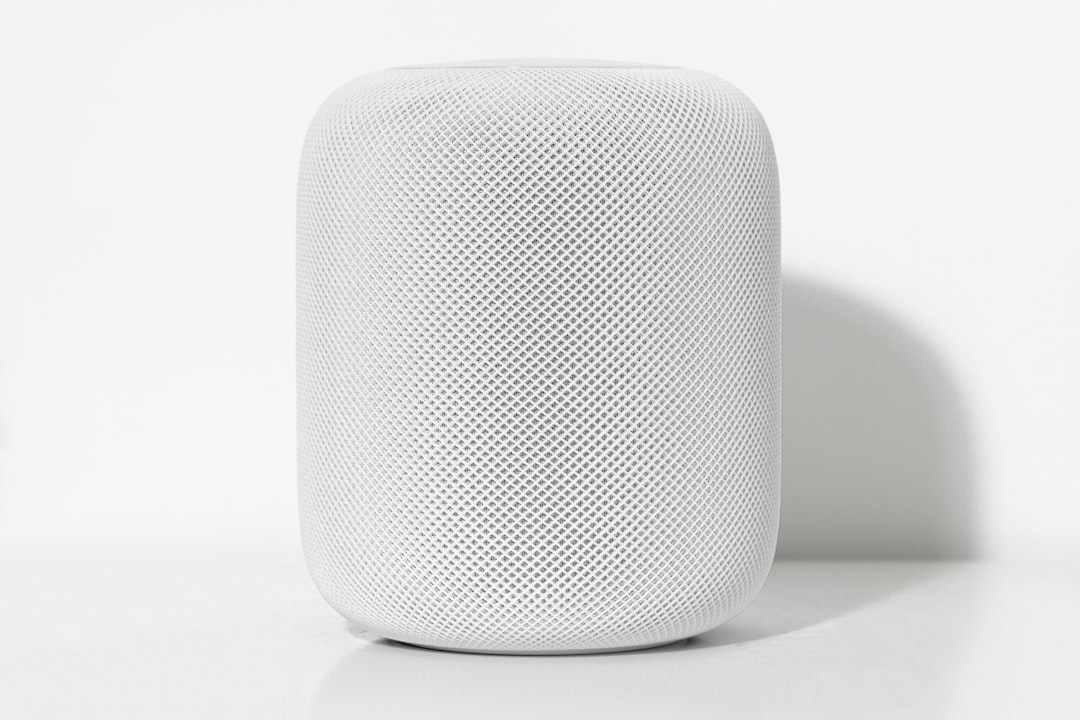
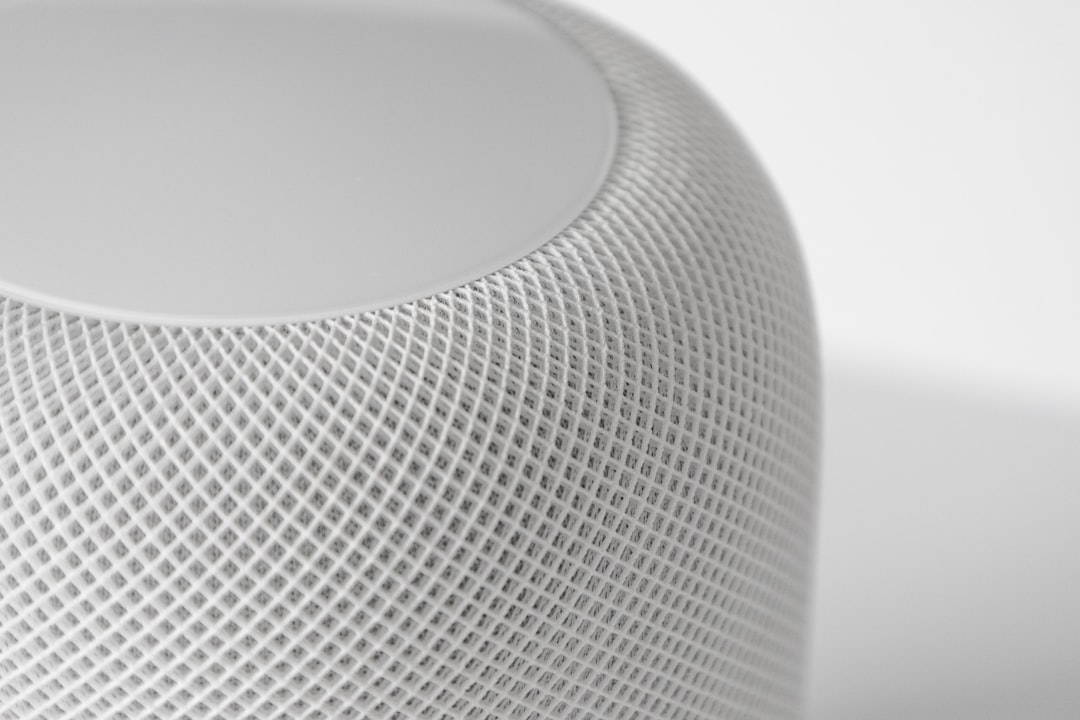
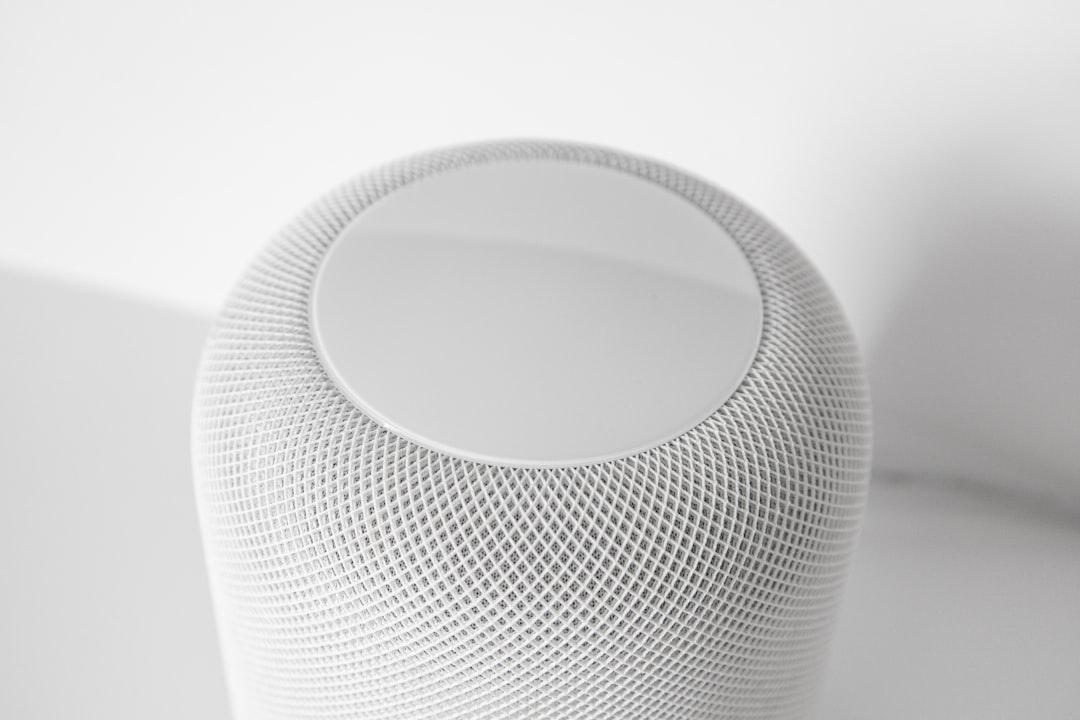
Apple HomePod Ecosystem Integration Evaluation: 2026 Analysis
The smart home arena, as of April 26, 2026, continues its rapid evolution, driven by advancements in artificial intelligence, connectivity standards, and user expectations. At the heart of many connected homes stands a smart speaker, serving as a central command point and entertainment hub. Among these, Apple's HomePod and HomePod mini have carved out a distinct niche, promising a premium audio experience coupled with seamless integration into the Apple ecosystem. This comprehensive Apple HomePod ecosystem integration evaluation delves into how well these devices fulfill that promise in the current technological landscape.
Understanding the HomePod's role requires looking beyond just its sound quality. It functions as a HomeKit hub, a Siri interface, a Thread border router, and a Matter controller, all contributing to its ability to orchestrate a smart home. While its direct competitors often prioritize broad compatibility over tight integration, Apple has historically taken a different approach, focusing on a curated experience within its walled garden. However, with the advent of new standards like Matter, the boundaries of this garden are beginning to shift, creating both opportunities and challenges for the HomePod's integration capabilities. For a broader perspective on how the HomePod stacks up against other central command points, it’s worth reviewing the best smart home hub ecosystem guide, which offers an expert breakdown of the various options available today.
This analysis will examine the HomePod's integration across several key dimensions: its foundation in HomeKit and Siri, its embrace of Matter, its synergy with Apple services, and its real-world performance with third-party devices. We will also consider user experience, privacy implications, and the competitive landscape, ultimately providing a clear picture of the HomePod's strengths and weaknesses as a smart home centerpiece in 2026.
The Foundation: HomeKit and Siri in the Apple HomePod Ecosystem Integration Evaluation
At its core, the HomePod's smart home functionality is built upon Apple's HomeKit framework. HomeKit is not just a protocol; it's an entire architecture designed to ensure secure, private, and intuitive control of smart home accessories. The HomePod acts as a HomeKit hub, meaning it can remotely control HomeKit accessories, automate tasks, and grant shared access to other users, even when you're away from home. This foundational role is critical for any serious Apple smart home user.
HomeKit's Role in Device Management
HomeKit certification has long been Apple's stamp of approval for smart home devices, guaranteeing compatibility and a certain level of security. Devices bearing the "Works with Apple HomeKit" badge are designed to integrate seamlessly with the Home app on iOS, iPadOS, and macOS. The HomePod, by serving as a hub, ensures these devices remain connected and responsive. For instance, a HomeKit-compatible smart lock or light bulb can be controlled via Siri on the HomePod, or through automated scenes that trigger based on time, location, or other sensor inputs.
Siri's Intelligence and Accessibility
Siri is the primary interface for interacting with the HomePod and, by extension, your HomeKit devices. Apple has continually refined Siri's on-device processing capabilities, enhancing its speed and privacy. As of April 2026, Siri on HomePod offers robust voice control for music playback, setting timers, checking weather, sending messages, and controlling connected smart home devices. Commands like "Hey Siri, turn off the living room lights" or "Hey Siri, set the thermostat to 72 degrees" are executed quickly and reliably, provided the devices are HomeKit or Matter compatible.
The integration of Siri with personal requests further extends the HomePod's utility. With personal requests enabled, Siri can access your calendar, reminders, messages, and calls directly from the HomePod, distinguishing between different family members' voices. This level of personalization is a significant advantage for multi-user households, making the HomePod a truly personal assistant for everyone in the home. However, it also highlights the tight coupling with the Apple ecosystem, as these features rely on individual Apple IDs.
Matter: The Integration Game Changer for HomePod
The introduction of Matter has been the most significant development in smart home interoperability in recent years, and the HomePod's role as a Matter controller is a game changer for its ecosystem integration. Matter, an open-source connectivity standard backed by major industry players, aims to simplify smart home setup and improve device compatibility across different platforms. As of April 2026, Matter has gained considerable traction, with a growing number of devices and platforms supporting it.
HomePod as a Matter Controller and Thread Border Router
Both the HomePod and HomePod mini function as Matter controllers, allowing them to connect and manage Matter-certified devices regardless of their original ecosystem. This means a Matter-enabled smart plug, for example, can be added to the Apple Home app and controlled via Siri on the HomePod, even if it was originally designed for Amazon Alexa or Google Home. This significantly broadens the range of devices that can be seamlessly integrated into an Apple-centric smart home without relying solely on HomeKit certification.
Furthermore, HomePod devices also act as Thread border routers. Thread is a low-power, self-healing mesh networking protocol specifically designed for smart home devices, offering improved reliability and responsiveness compared to Wi-Fi for certain accessories. By extending the Thread network, HomePod enhances the performance of Thread-enabled devices, such as smart lights and sensors, making the smart home more robust and efficient. This dual role as a Matter controller and Thread border router positions the HomePod as a powerful central hub for the evolving smart home landscape.
Impact on Third-Party Devices and Compatibility
Matter's adoption directly addresses one of Apple's historical limitations: the relatively smaller pool of directly compatible accessories compared to more open ecosystems. While HomeKit certification remains a premium standard, Matter opens the door to a much wider array of devices. This is particularly beneficial for consumers who want to mix and match brands without worrying about compatibility headaches. The promise is that a Matter-certified device will work with HomeKit, Alexa, Google Home, and other Matter-enabled platforms simultaneously.
However, the transition to full Matter ubiquity is ongoing. While many new devices launched in 2025 and early 2026 are Matter-certified, older devices often require firmware updates, and some may never gain Matter support. The user experience with Matter is generally positive, but occasional hiccups in initial pairing or device responsiveness can still occur as the standard matures. Despite these minor growing pains, Matter's trajectory suggests it will fundamentally reshape the smart home, making the HomePod an increasingly versatile hub.
HomePod's Integration with Apple Services
Beyond smart home control, the HomePod's integration with Apple's suite of services is a primary selling point for users deeply embedded in the ecosystem. This synergy is where the HomePod truly shines, offering a cohesive and convenient experience across entertainment, communication, and personal productivity.
Music and Audio Entertainment
Unsurprisingly, music playback is a core strength of the HomePod. It offers deep integration with Apple Music, allowing users to access their entire library, curated playlists, and radio stations with simple voice commands. The acoustic design of both the HomePod and HomePod mini ensures excellent sound quality, with computational audio adapting to the room's acoustics. While Apple Music is the native experience, support for other popular streaming services like Spotify, Pandora, and Deezer is available, often through AirPlay 2 or direct integration where allowed. This flexibility ensures that most users can enjoy their preferred audio content.
Communication Features
The HomePod excels as a communication device within the home. The Intercom feature allows family members to send quick voice messages between HomePods, iPhones, iPads, Apple Watches, and even AirPods, creating an instant communication network throughout the house. This is particularly useful for calling everyone to dinner or checking in on kids in another room. Additionally, the HomePod supports FaceTime Audio calls, allowing users to make and receive calls directly through the speaker, leveraging its high-quality microphones and speakers.
Productivity and Personal Assistance
Siri on HomePod also integrates with Apple's productivity apps. Users can set reminders, add events to their calendars, and create notes, all hands-free. These tasks are synced across all Apple devices associated with the user's Apple ID, ensuring continuity. While not a full-fledged productivity workstation, the HomePod serves as a convenient access point for common organizational tasks, further cementing its role as a personal assistant within the home.
Third-Party Device Compatibility and Challenges
While Matter has opened new avenues, the experience with third-party devices outside of direct HomeKit or Matter certification can still be a mixed bag. This is an area where a comprehensive Apple HomePod ecosystem integration evaluation must acknowledge limitations, especially when compared to the broader compatibility offered by competitors like Amazon and Google.
HomeKit and Matter Certified Devices: The Gold Standard
For devices that are either HomeKit certified or Matter certified, integration with the HomePod is generally robust. Setup is straightforward through the Home app, and control via Siri or automations is reliable. This includes smart lights, thermostats, door locks, cameras, and various sensors. These devices benefit from Apple's stringent security and privacy standards, offering users peace of mind.
Integration Gaps and User Feedback
However, challenges arise when attempting to integrate devices or services that do not adhere to HomeKit or Matter. A common point of frustration for users is the lack of direct API integration for certain third-party apps and health devices. For instance, according to recent Apple App Store reviews, some users report issues with apps like Strava, noting a "Waste of Money Lack of API Integration" and an inability to properly record data or integrate step data from Apple Health. This indicates that while Apple Health itself is a strong platform, its interoperability with specific fitness apps can be limited, impacting the overall user experience.
Similarly, health monitoring devices, even those with their own apps, can face integration hurdles. Reviews for the Hume Health band and body pod, for example, highlight both positive experiences with the devices themselves ("A+ experience") but also point out "glitches in recording data in workouts and sleep." These issues, while sometimes attributed to "operator error" as noted in one review, underscore the complexity of ensuring seamless data flow between specialized health gadgets and the broader Apple ecosystem. The underlying issue often stems from a lack of open, standardized APIs that allow for robust, bidirectional data exchange.
The evolving smart home requires more than just connectivity; it demands intelligent, seamless data exchange. When core health data struggles to integrate across popular apps and devices, it highlights a persistent challenge for even the most polished ecosystems to truly deliver a unified user experience.
These integration requests are not isolated incidents; platforms like GitHub frequently show general `[INTEGRATION REQUEST]` issues, indicating a widespread desire for greater interoperability across various product categories. While Apple prioritizes security and privacy, which can sometimes lead to tighter control over APIs, the market demands increasing openness, especially as consumers invest in a diverse array of smart devices.
Beyond the Smart Home: Health and Wellness Integration
While the HomePod itself doesn't directly collect health data, its potential for integration with Apple Health through other devices is significant. Ideally, a fully integrated ecosystem would allow Siri on HomePod to provide insights from Apple Health data, such as reading out daily activity summaries or sleep scores collected by an Apple Watch or other compatible wearables. As of April 2026, this level of proactive, voice-driven health insight from the HomePod is still somewhat nascent, primarily functioning as a conduit for requests rather than an active interpreter of complex health metrics.
The challenges with Hume Health band and pod data recording, as noted in user reviews, illustrate the gap. Even when devices aim to feed data into Apple Health, glitches can undermine the value. This highlights an area where Apple could further refine its ecosystem to ensure that data from third-party health devices is consistently and reliably integrated, making the HomePod a more central component of a holistic wellness strategy. Businesses looking to understand how such ecosystem improvements can drive growth might find insights in the concept of Intangible Reinvestment Velocity: Definition, Formula, Impact, as Apple's continuous investment in its software and services ecosystem directly contributes to its long-term value and user loyalty.
Smart Home Ecosystem Evaluator: 2026-2027 Outlook
Prioritize what matters most to you in a smart home hub to see how Apple HomePod, Amazon Echo, and Google Nest compare.
Your Smart Home Priorities (1 = Low, 10 = High)
Overall Integration Scores (Weighted)
Adjust your priorities to see a recommendation.
Detailed Performance Breakdown (Score out of 10)
| Aspect | HomePod | Amazon Echo | Google Nest |
|---|
Comparison with Competitors: Amazon and Google
To fully appreciate the HomePod's integration story, it's essential to compare it with its primary competitors: the Amazon Echo and Google Nest ecosystems. Each platform has its strengths and weaknesses, shaping different user experiences as of April 26, 2026.
Amazon Echo Ecosystem (Alexa)
Amazon's Echo devices, powered by Alexa, boast the broadest third-party device compatibility. Alexa supports tens of thousands of smart home devices, often through direct skill integration, without requiring a universal standard like HomeKit or Matter for basic functionality. This open approach means users have a vast selection of products. However, this breadth can sometimes come at the cost of consistency; the user experience and reliability can vary significantly between different brands and their Alexa skills. Privacy concerns are also a more frequent discussion point for the Alexa ecosystem compared to Apple's more stringent approach. For a detailed look at a competitor, consider reading the Amazon Smart Home Ecosystem Evaluation: 2026 Analysis.
Google Nest Ecosystem (Google Assistant)
Google Nest devices, leveraging Google Assistant, offer a strong blend of smart home control and powerful AI capabilities. Google Assistant is known for its conversational intelligence and ability to handle complex queries. Like Alexa, Google Home supports a wide range of devices, with a growing emphasis on Matter compatibility. Google's strength lies in its deep integration with its own services, such as Calendar, Maps, and Search, making it a powerful productivity tool. The Nest ecosystem also offers a robust array of smart displays and cameras, providing visual feedback and security features that complement its voice control.
Feature Comparison Table: HomePod vs. Competitors (2026)
Here's a snapshot comparing key integration aspects of the HomePod with its main rivals:
| Feature/Aspect | Apple HomePod (HomeKit/Matter) | Amazon Echo (Alexa) | Google Nest (Google Assistant) |
|---|---|---|---|
| Primary Smart Home Standard | HomeKit, Matter | Alexa Skills, Matter | Google Home, Matter |
| Third-Party Device Breadth | Growing (via Matter), HomeKit certified | Extensive (via Skills), Matter certified | Extensive (via Google Home), Matter certified |
| Voice Assistant Intelligence | Siri (on-device processing, privacy focused) | Alexa (broad capabilities, vast skills library) | Google Assistant (conversational, deep search integration) |
| Ecosystem Integration | Deep with Apple services (Music, Health, Messages) | Broad with Amazon services (Shopping, Music, Prime Video) | Deep with Google services (Search, Maps, Calendar, YouTube) |
| Privacy Focus | High (on-device processing, data encryption) | Moderate (user controls, data collection for improvement) | Moderate (user controls, data collection for improvement) |
| Thread Border Router | Yes | Yes (select models) | Yes (select models) |
User Experience and Privacy
Apple has always prioritized user experience and privacy, and the HomePod is a clear reflection of this philosophy. As of April 2026, these aspects remain significant differentiators for the HomePod within the smart home market.
Ease of Setup and Use
One of the HomePod's strongest points is its effortless setup. Simply plugging it in and holding an iPhone nearby initiates a streamlined pairing process that typically takes minutes. Adding HomeKit or Matter devices through the Home app is similarly intuitive, often involving scanning a QR code. This simplicity reduces friction for new users and ensures a consistent experience. The Home app itself provides a clean, well-organized interface for managing devices, creating scenes, and setting up automations.
Apple's Privacy-First Approach
Privacy is a cornerstone of Apple's product strategy, and the HomePod is no exception. Siri requests are processed on-device when possible, and when cloud processing is required, they are anonymized and not linked to the user's Apple ID. Audio recordings are not stored by default, and Apple employs strong encryption for HomeKit communications. This commitment to user privacy stands in contrast to some competitors who rely more heavily on cloud processing and data collection for service improvement. For users who prioritize data security and confidentiality in their smart home, the HomePod offers a compelling proposition.
Personalization and Multi-User Support
The HomePod's ability to recognize different voices and tailor responses through Personal Requests enhances its utility in a multi-user environment. This personalization extends to music preferences, calendar access, and message handling, making it a truly shared but individually responsive device. While not without its occasional quirks, the system generally performs well in distinguishing between household members, offering a more personalized smart home experience.
Future Outlook and Recommendations
Looking ahead from April 26, 2026, the trajectory for the Apple HomePod ecosystem integration is one of continued evolution, particularly driven by the maturation of Matter and Apple's ongoing commitment to its services. While the HomePod has made significant strides, there are still areas ripe for further development.
Continued Matter Adoption and Refinement
The widespread adoption of Matter is arguably the most important factor for the HomePod's future integration story. As more manufacturers release Matter-certified devices and existing products receive firmware updates, the HomePod's compatibility will only expand. We can expect setup and reliability for Matter devices to become even more seamless as the standard and its implementations mature. Apple will likely continue to play a significant role in the development and promotion of Matter, ensuring its own ecosystem benefits fully from this open standard.
Potential for Deeper Health Integration
The current disconnect between the HomePod and a truly proactive health and wellness hub is an area of opportunity. While Apple Health is robust, bridging the gap to allow Siri on HomePod to offer more contextual, voice-based insights from aggregated health data (e.g., from an Apple Watch, Hume Health band, or other compatible devices) could greatly enhance its value. Imagine a HomePod summarizing your sleep quality or suggesting activity goals based on your historical data, all through natural voice interaction. Addressing the "glitches in recording data" for third-party health devices would be a crucial step in this direction.
Openness of APIs and Developer Support
The ongoing debate around the openness of Apple's APIs will continue to shape the HomePod's integration capabilities. While Apple's tighter control ensures security and a consistent user experience, it can limit innovative third-party integrations, as seen with some app developers like Strava seeking deeper data access. A strategic balance, perhaps through more granular and secure API access for vetted developers, could further enrich the HomePod ecosystem without compromising Apple's core values. This could lead to a broader range of unique applications and services that leverage the HomePod's capabilities in novel ways. For smart home startups looking to build innovative solutions, understanding the current and future landscape of IoT platforms and their API accessibility is paramount. An expert guide like Best IoT Platform Smart Home Startup: 2026 Expert Guide can offer valuable insights into navigating these complex decisions.
Enhanced Intercom and Communication Features
While Intercom is a useful feature, further enhancements could include integration with video calls (e.g., FaceTime on an Apple TV connected to a HomePod for audio), or more sophisticated multi-room audio experiences beyond basic stereo pairing. The HomePod could evolve into an even more central communication hub, leveraging its superior audio hardware.
Conclusion
As of April 26, 2026, the Apple HomePod ecosystem integration evaluation reveals a powerful and increasingly versatile smart home hub, particularly for users deeply invested in the Apple ecosystem. Its foundation in HomeKit, combined with Siri's intelligence and Apple's unwavering focus on privacy, provides a secure and intuitive smart home experience. The HomePod's embrace of Matter as a controller and its role as a Thread border router are pivotal, significantly broadening its compatibility with third-party devices and future-proofing its position in the evolving smart home landscape.
However, areas for improvement persist. The integration experience with certain third-party apps and health devices can still be fragmented, reflecting a need for more open and robust API access. While Apple's curated approach ensures quality, a more flexible framework could unlock greater innovation and address specific user demands for broader data interoperability, as evidenced by user feedback regarding health app glitches and general integration requests. Despite these challenges, the HomePod offers a premium audio experience and a highly cohesive smart home control center for those who prioritize security, privacy, and seamless integration within the Apple universe. Its continued evolution with Matter promises an even more connected and intelligent home experience in the years to come.