
 SaaS Metrics
Best Smart Home Systems 2026: Top Integration Analysis
As of April 2026, the smart home landscape continues its rapid evolution, moving beyond mere connectivity to sophisticated, interconnected ecosystems. The pursuit of the best smart home systems 2026 top integration is no longer about simply adding smart devices to your residence; it is about creating a harmonious, intuitive environment where every component works together seamlessly. This year, the emphasis is firmly on interoperability, advanced automation, and user-centric control that simplifies daily life rather than complicates it. We are seeing major strides in how different brands and technologies communicate, largely driven by open standards and increasing consumer demand for truly unified smart living.
The vision for 2026 is a home where devices anticipate needs, conserve energy intelligently, and provide robust security without constant manual input. From managing climate to enhancing entertainment, the power of a well-integrated smart home system lies in its ability to operate as a single, cohesive unit. This article provides an in-depth analysis of the leading smart home systems, their integration capabilities, and the emerging technologies setting the pace for the coming years.
The Imperative of Integration: Why It Defines Smart Home Excellence in 2026
Integration is the bedrock of any truly intelligent home. Without it, smart devices function as isolated gadgets, offering limited utility. In 2026, the definition of "smart" has expanded to encompass not just individual device intelligence but also their collective synergy. The ability for a smart thermostat to communicate with window sensors, or for a security camera to trigger smart lighting, transforms a collection of products into a responsive, adaptive system. This level of coordination is what elevates a good smart home setup to an excellent one.
A primary driver for this enhanced integration is the maturation of universal communication standards, most notably Matter. While earlier years saw a fragmented market with proprietary protocols, Matter has emerged as a significant unifying force. Its ongoing development, including updates like the Matter 1.5.1 update, continues to refine device compatibility and expand supported categories, such as high-quality camera streaming. This ensures that devices from different manufacturers can "speak" the same language, simplifying setup and expanding automation possibilities. For a deeper dive into the foundational elements, you might also refer to our previous comprehensive analysis on best smart home hubs and ecosystems of 2026.
Beyond Matter, other protocols like Thread and Wi-Fi 7 are playing pivotal roles. Thread offers a low-power, self-healing mesh network that enhances responsiveness and reliability for smaller devices, while Wi-Fi 7 promises unprecedented speeds and lower latency, critical for bandwidth-intensive applications like 8K video streaming and future augmented reality (AR) experiences. The synergy between these technologies creates a robust backbone for the intricate web of smart home devices.
Leading Smart Home Ecosystems and Their Integration Prowess
In 2026, several major ecosystems continue to vie for market dominance, each offering distinct advantages in terms of integration, device compatibility, and user experience. Understanding their strengths is key to choosing the best smart home systems 2026 top integration for your needs.
Apple Home (HomeKit)
Apple Home, powered by HomeKit, maintains its reputation for robust security, stringent privacy standards, and seamless integration within the Apple ecosystem. For users heavily invested in Apple devices—iPhones, iPads, Apple Watches, and Apple TVs—HomeKit offers an exceptionally fluid experience. Its integration with Siri allows for intuitive voice control, and the Home app provides a unified interface for all compatible devices. Apple’s strong emphasis on local control, where automations run on a HomePod or Apple TV rather than relying solely on cloud services, enhances reliability and responsiveness.
HomeKit's adoption of Matter and Thread has significantly broadened its device compatibility, moving beyond its traditionally more curated selection. This means users can now integrate a wider array of third-party devices while still benefiting from Apple’s security and privacy framework. The ease of setup, often involving a simple QR code scan, remains a hallmark of the HomeKit experience.
Google Home
Google Home continues to be a powerhouse, leveraging the omnipresent Google Assistant and an expansive network of compatible devices. Its strength lies in its ability to connect a vast range of products from hundreds of manufacturers, offering unparalleled flexibility. The Google Home app acts as a central control point, allowing users to manage devices, create routines, and view activity across their entire smart home.
Google's AI capabilities, honed through years of search and assistant development, contribute to more intelligent automations and personalized experiences. Integration with Google services like Calendar and Maps also allows for contextual automations, such as adjusting climate based on commute times. The platform's embrace of Matter further solidifies its position as a highly interoperable ecosystem. For a detailed breakdown of how various devices and platforms interact, consult our Ultimate Guide to Best Smart Home Systems 2026 Compatibility.
Amazon Alexa
Amazon Alexa remains a dominant force, particularly known for its extensive device compatibility, user-friendly voice control, and a rich ecosystem of skills. With millions of Alexa-enabled devices in homes worldwide, it offers a familiar and accessible entry point into smart home technology. Alexa's routines provide powerful automation capabilities, allowing users to string together multiple actions with a single command or schedule.
The platform's integration with Matter is expanding its reach even further, ensuring that new Matter-certified devices can be easily added and controlled. Amazon's commitment to continuous innovation, including advancements in voice recognition and contextual understanding, keeps Alexa at the forefront of smart home interaction. Its broad appeal and affordability of entry-level devices make it a popular choice for many.
Samsung SmartThings
Samsung SmartThings stands out for its robust hub-centric approach and extensive device compatibility, particularly with Samsung's own vast range of appliances and electronics. SmartThings acts as a central nervous system for the home, supporting a multitude of communication protocols including Zigbee, Z-Wave, Wi-Fi, and now Matter. This multi-protocol support makes it exceptionally versatile for integrating a diverse array of devices, old and new.
The platform offers sophisticated automation capabilities, allowing users to create complex scenarios based on sensors, schedules, and device states. Its open API has also fostered a strong developer community, leading to custom integrations and advanced functionalities. SmartThings is an excellent choice for users who prioritize broad compatibility and advanced customization options.
Hubspace Ecosystem
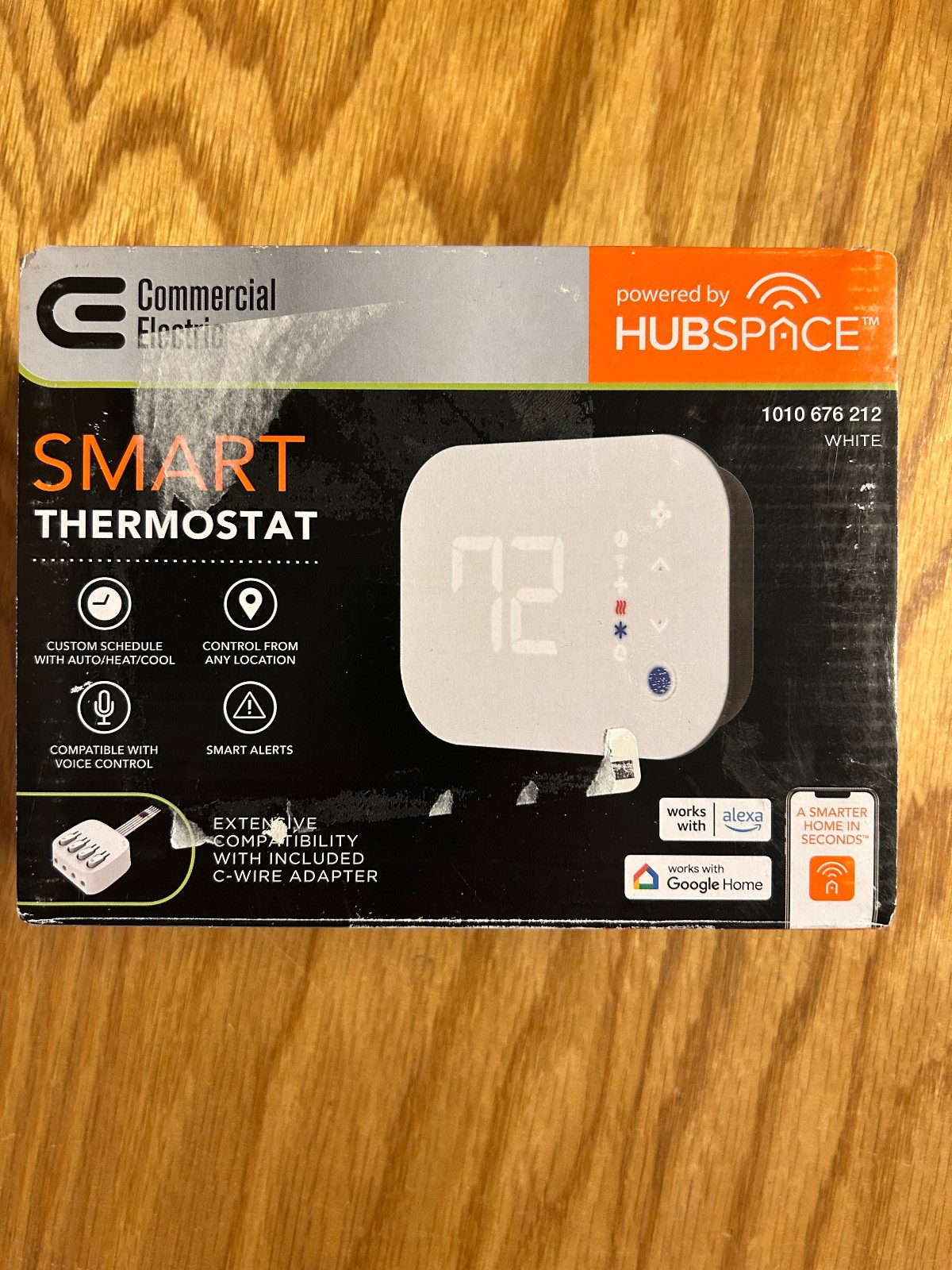
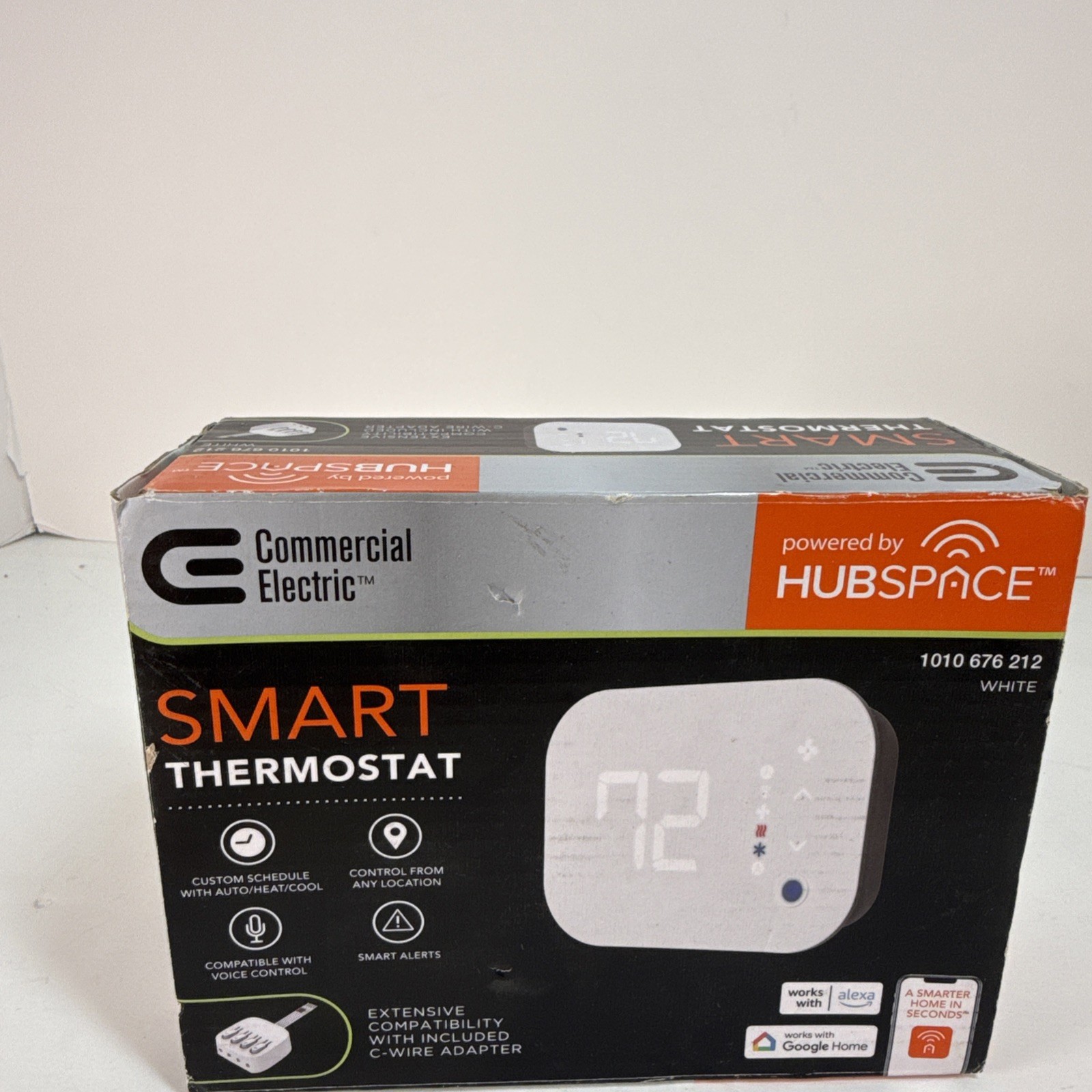
While not a full-fledged ecosystem in the same vein as the others, Hubspace, powered by platforms like Google Home/Assistant, has carved out a niche for specific device categories, particularly in smart lighting and climate control. It exemplifies how specialized platforms can offer seamless integration within larger ecosystems. Products like the Commercial Electric Smart Thermostat powered by Hubspace highlight its focus on user-friendly installation and efficient climate management. These devices often feature Wi-Fi and Bluetooth connectivity, allowing for straightforward integration into existing smart home setups via their respective apps and then linking to Google Home for broader control. This cutting-edge device, also by Commercial Electric, further illustrates how platform-specific devices are evolving to meet user demands for scheduling and energy efficiency, offering programmable settings and temperature sensor technology.
Key Components Driving the Best Smart Home Systems 2026 Top Integration
The effectiveness of a smart home system is often defined by the intelligence and interoperability of its individual components. In 2026, several device categories are particularly important for achieving top-tier integration.
Smart Hubs and Controllers
The smart hub remains the brain of many integrated systems, acting as a central translator for various device protocols. While some ecosystems, like Google Home and Amazon Alexa, can function largely without a dedicated physical hub (relying on smart speakers or displays), a robust hub often provides more reliable local control and supports a wider range of legacy devices. Dedicated hubs from SmartThings, Homey, or Home Assistant continue to offer advanced automation capabilities and greater privacy by reducing reliance on cloud services. The evolution of these hubs includes more powerful processors, enhanced local AI capabilities, and native support for Matter and Thread.
Smart Thermostats
Climate control is a cornerstone of smart home efficiency and comfort. Modern smart thermostats, such as the CE Smart Programmable Thermostat Wi-Fi/Bluetooth Enabled Powered by Hubspace, offer more than just remote temperature adjustment. They integrate with occupancy sensors, weather forecasts, and even utility company demand response programs to optimize energy use. The ability to create custom schedules and presets, manage climate remotely, and integrate seamlessly with voice assistants makes these devices essential. The Commercial Electric Smart Thermostat, for instance, offers features like temperature sensor technology and compatibility with Google Home/Assistant, making it a versatile and efficient addition to any smart home setup. These devices represent a significant step towards energy-conscious environments.
Smart Lighting
Beyond simple on/off control, smart lighting in 2026 offers dynamic personalization and integration with security and ambiance settings. Systems like Philips Hue, Nanoleaf, and Govee integrate with motion sensors, smart doorbells, and even entertainment systems to create immersive experiences. Color-changing capabilities, tunable white light, and adaptive lighting that mimics natural daylight cycles contribute to improved well-being. Matter compatibility is making it easier than ever to mix and match lighting brands within a single ecosystem.
Security and Cameras
Integrated security systems provide peace of mind through interconnected cameras, door locks, and alarm systems. High-quality camera streaming, a feature enhanced by the Matter 1.5.1 update, offers clearer monitoring and better event detection. Advanced features like AI-powered facial recognition, package detection, and two-way audio are becoming standard. Integration ensures that when a security event occurs, the system can automatically lock doors, turn on lights, and notify authorities or homeowners. For instance, a smart door lock can be set to disarm the alarm and adjust the thermostat when you unlock it, creating a seamless "welcome home" routine.
Energy Management and the Smart Grid
As smart homes become more sophisticated, their role in broader energy management grows. Systems that can monitor and optimize energy consumption at a granular level are becoming increasingly valuable. This aligns with the ongoing modernization of power distribution networks into intelligent Smart Grids. A comprehensive review of real-time feeder monitoring and auditing systems highlights the necessity of shifting from manual inspections to continuous monitoring for the Smart Grid, a principle that mirrors the evolution of smart home energy management. Just as the Smart Grid aims to reduce Aggregate Technical and Commercial (AT&C) losses and improve visibility into feeder health, smart homes strive to optimize individual consumption, respond to peak demand, and potentially even integrate with home battery storage or solar panels. Our Best Smart Home System Compatibility 2026: Expert Guide offers further insights into navigating these choices.
Emerging Technologies Shaping Smart Home Integration
The pace of innovation in smart home technology shows no signs of slowing. Several emerging trends and technologies are poised to further refine and enhance integration capabilities in 2026 and beyond.
Matter and Thread: The Future of Interoperability
The continued evolution of Matter and Thread is undoubtedly the most significant trend. Matter's focus on local control and device-to-device communication, rather than solely cloud-dependent operations, means faster response times and improved reliability, even if your internet connection is down. Thread's mesh networking capability creates a resilient and self-healing network for low-power devices, extending the range and stability of the smart home. The combination of these two standards creates a powerful foundation for truly seamless integration across diverse product categories and manufacturers. Updates like Matter 1.5.1 are crucial for adding support for more device types and refining existing functionalities, ensuring the standard evolves with user needs.
Artificial Intelligence and Machine Learning
AI and machine learning are moving beyond simple voice commands to truly predictive and adaptive automation. Smart homes in 2026 are increasingly capable of learning user habits, anticipating needs, and making autonomous decisions. This could mean adjusting lighting and temperature based on historical data and real-time occupancy, or even proactively alerting homeowners to potential issues before they become problems. For instance, an AI-powered system might detect unusual energy consumption patterns and suggest maintenance for an appliance, or learn your morning routine to gradually brighten lights and warm your coffee maker.
The true power of AI in smart homes lies not in performing tasks on command, but in understanding context and acting autonomously to enhance comfort, security, and efficiency without explicit instruction. This shift from reactive to proactive intelligence marks a significant leap in smart home integration.
Advanced Wireless Protocols: Wi-Fi 7
Wi-Fi 7 (802.11be), also known as Extremely High Throughput (EHT), is set to redefine wireless connectivity within the home. With theoretical speeds significantly higher than Wi-Fi 6E and lower latency, it will be essential for handling the increasing number of connected devices, high-bandwidth applications like 8K video streaming, and the growing demand for real-time data processing. For smart homes, this means even more reliable connections for security cameras, smart displays, and future applications like AR gaming glasses, which demand high-quality immersive experiences, as noted in recent reports. The robustness of Wi-Fi 7 will underpin the performance of complex integrated systems, ensuring all components communicate without bottlenecks.
Edge Computing and Local Control
The demand for faster response times, enhanced privacy, and reduced reliance on internet connectivity is driving a shift towards edge computing, where more processing happens locally on devices or hubs. This trend is complemented by the growing interest in deploying smart home solutions in flexible environments, as evidenced by community discussions around the "Chances of getting this in Docker" for various smart home components. This flexibility allows for greater customization, local data processing, and potentially more robust security architectures, especially for advanced users or specific integration requests. It also speaks to the ongoing need for platforms that cater to diverse deployment needs, from simple plug-and-play to more complex, self-hosted solutions.
Smart Home Ecosystem Selector & Integration Impact
Customize your priorities to find the best smart home ecosystem for your needs and see the impact of emerging technologies like Matter and AI.
1. Select Ecosystems to Compare
2. Prioritize Your Needs (1 = Low, 10 = High)
3. Assess Emerging Tech Impact (0% = Low, 100% = High)
Your Personalized Integration Analysis
Summary & Recommendations
Select at least one ecosystem and adjust your priorities to see a personalized analysis.
Building Your Integrated Smart Home: A Strategic Approach
Achieving top integration in your smart home requires a strategic approach. It is not just about buying the latest gadgets, but about selecting components that work together harmoniously and fulfill your specific needs. To understand the broader context of these advancements, consider exploring Top Rated Connected Home Ecosystems 2026: An Expert Analysis, which details the interplay of Matter, Thread, AI, and other key features.
Planning and Compatibility Checks
Before making any purchases, identify your core needs and desired automations. Consider which ecosystem best suits your existing devices and preferences. Always check for Matter certification or explicit compatibility with your chosen hub or ecosystem. Many manufacturers now clearly label their products with "Works with Apple Home," "Works with Google Home," or "Works with Alexa." This proactive research will prevent compatibility headaches down the line.
Starting Small and Scaling Up
It is often wise to start with a foundational set of devices—perhaps a smart hub, a few smart lights, and a thermostat—and gradually expand your system. This allows you to learn the intricacies of your chosen ecosystem and refine your automations before committing to a larger investment. A modular approach ensures that each new device adds value and integrates smoothly.
Prioritizing Security and Privacy
With more devices connected, security and privacy become paramount. Choose reputable brands known for their commitment to data protection. Utilize strong, unique passwords, enable two-factor authentication, and regularly update device firmware. Understand what data your smart devices collect and how it is used. Opting for systems with local processing capabilities can further enhance privacy.
Addressing Integration Requests and Customization
The smart home community is constantly pushing for new functionalities and integrations. Forums and developer communities often highlight common "INTEGRATION REQUEST" issues or desired features. For advanced users, open-source platforms like Home Assistant offer unparalleled customization, allowing for highly specific automations and integrations that might not be available in commercial ecosystems. This level of flexibility ensures that even unique needs can be met, often through community-driven solutions.
Comparative Analysis of Smart Home Ecosystems (2026)
To help visualize the distinct advantages of the leading smart home systems in 2026, here is a comparative overview focusing on key integration aspects:
| Feature/Ecosystem | Apple Home (HomeKit) | Google Home | Amazon Alexa | Samsung SmartThings |
|---|---|---|---|---|
| Core Integration Standard | HomeKit, Matter, Thread | Matter, Wi-Fi, Google Assistant | Matter, Wi-Fi, Zigbee, Alexa Skills | Matter, Zigbee, Z-Wave, Wi-Fi |
| Voice Assistant | Siri | Google Assistant | Alexa | Bixby (limited), Google/Alexa via integration |
| Privacy & Security Focus | High (local processing, strong encryption) | Good (data collection for AI, user controls) | Good (extensive ecosystem, user controls) | Good (hub-centric, strong customization) |
| Device Compatibility Range | Expanding (Matter certified, curated) | Very Broad (hundreds of brands) | Extremely Broad (millions of devices) | Very Broad (multi-protocol hub) |
| Automation Complexity | Moderate-High (Home app, Shortcuts) | High (Routines, contextual AI) | High (Routines, extensive skills) | Very High (custom automations, rules engine) |
Future Outlook: Beyond 2026 for Smart Home Integration
Looking beyond April 2026, the trajectory for smart home integration points towards even greater autonomy, predictive intelligence, and seamless interaction with the wider world. We can anticipate:
- Enhanced Semantic Understanding: Voice assistants will become even more adept at understanding natural language and complex contextual commands, moving closer to true conversational AI.
- Proactive Health and Wellness: Integration with wearables and health monitoring devices will allow smart homes to proactively adjust environments for optimal sleep, stress reduction, and elder care.
- Sustainable Living: Deeper integration with utility grids, dynamic energy pricing, and renewable energy sources will enable homes to become active participants in sustainable energy ecosystems, optimizing consumption and even selling excess power back to the grid.
- Augmented Reality Interfaces: While AR gaming glasses are evolving with specific feature demands for immersive experiences, the underlying AR technology could also transform how we interact with our smart homes. Imagine visually overlaying controls, device status, or even energy consumption data directly onto your physical environment.
- Open-Source Dominance: The demand for customization and privacy may further propel open-source smart home platforms, making sophisticated integration more accessible to a wider audience of technically inclined users.
Conclusion
The quest for the best smart home systems 2026 top integration is a journey towards a more intelligent, efficient, and comfortable living environment. This year, the industry has solidified its commitment to interoperability through standards like Matter, enabling unprecedented levels of device communication. Leading ecosystems from Apple, Google, Amazon, and Samsung, alongside specialized platforms like Hubspace, offer diverse pathways to integrated living, each with unique strengths in privacy, device compatibility, and automation capabilities.
From smart thermostats that intelligently manage energy to security cameras providing high-quality, integrated monitoring, the components of a smart home are working together more cohesively than ever before. Emerging technologies such as AI, Wi-Fi 7, and edge computing are poised to further refine these systems, making them more predictive, responsive, and secure. As smart homes continue to evolve, the focus will remain on creating truly unified experiences that simplify and enrich our daily lives, transforming houses into truly intelligent homes.
