
 SaaS Metrics
Top Rated Connected Home Ecosystems 2026: An Expert Analysis
The connected home has evolved beyond simple convenience. As of April 2026, it represents a sophisticated network of devices working in concert to enhance daily life, improve security, and even contribute to energy efficiency. Choosing among the best smart home hubs and ecosystems in 2026 can be a complex decision, given the rapid advancements in technology and the increasing number of options available. This comprehensive guide will explore the top rated connected home ecosystems 2026, providing an in-depth analysis to help you make an informed choice that aligns with your lifestyle and priorities.
No longer are we talking about isolated smart light bulbs or a single voice assistant. Today's connected homes are intelligent environments, capable of anticipating needs, reacting to changes, and learning from user behavior. The shift towards interoperability standards like Matter, coupled with significant strides in artificial intelligence and robust security protocols, defines the current smart home landscape. For consumers and businesses alike, understanding these ecosystems is essential to building a truly integrated and efficient smart space.
Understanding Connected Home Ecosystems in 2026
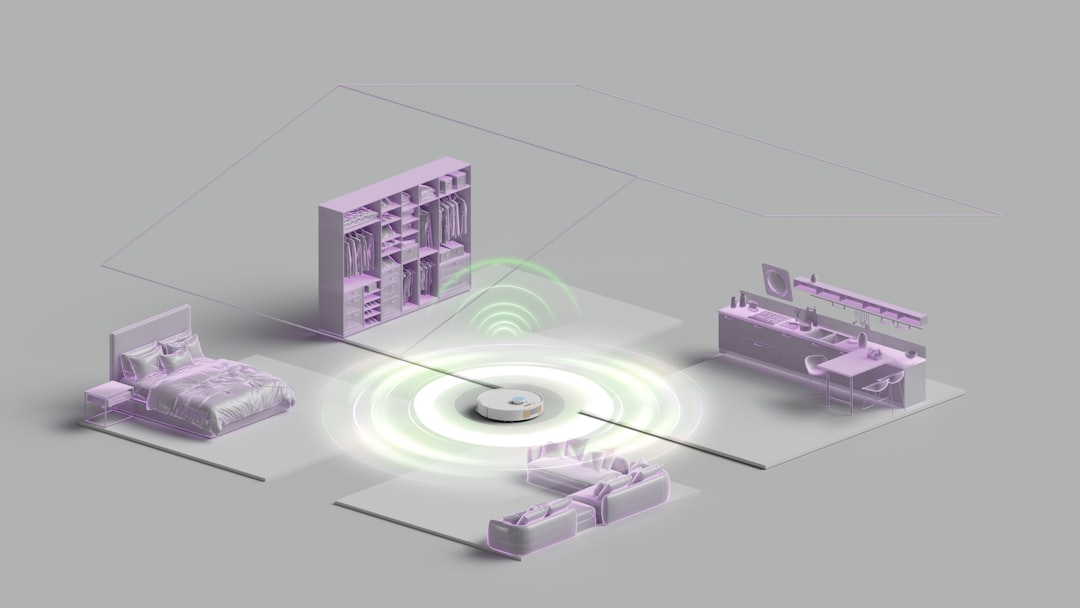
A connected home ecosystem is more than just a collection of smart devices; it is a unified system where various components communicate and cooperate seamlessly through a central hub or platform. Think of it as the operating system for your home, managing everything from lighting and climate control to security and entertainment. In 2026, these ecosystems are characterized by their ability to integrate diverse devices from multiple manufacturers, offer sophisticated automation routines, and provide intuitive control interfaces.
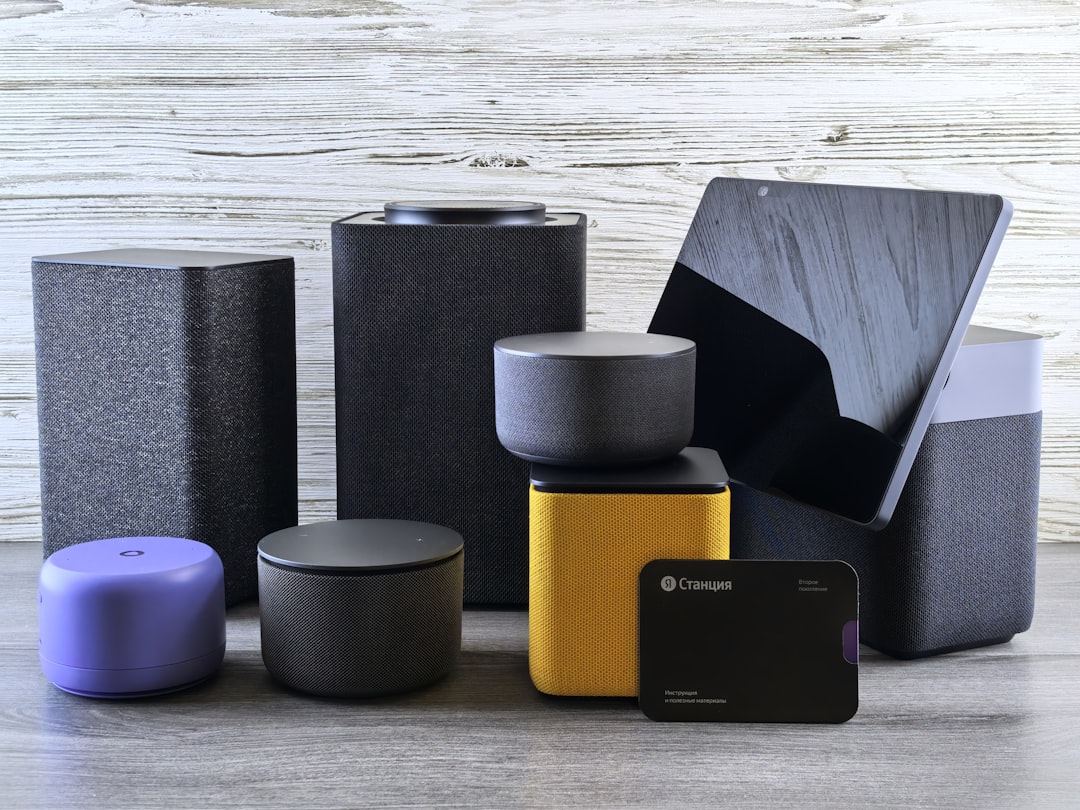
The core components typically include a central controller (often a smart speaker, display, or dedicated hub), a network of smart devices (lights, thermostats, locks, cameras, appliances), and the underlying communication protocols (Wi-Fi, Bluetooth, Zigbee, Z-Wave, Thread, and increasingly, Matter). The software platform, usually accessible via a smartphone app, ties everything together, allowing for configuration, monitoring, and control. The intelligence embedded within these ecosystems, often powered by cloud-based AI, enables them to learn patterns, respond to voice commands, and execute complex automations based on triggers like time of day, presence detection, or environmental conditions. This integration is what transforms a house with smart gadgets into a truly connected home.
Key Factors for Evaluating Top Rated Connected Home Ecosystems 2026
When assessing the leading connected home ecosystems, several critical factors come into play. These aspects determine not only the immediate functionality but also the long-term viability and satisfaction you will derive from your smart home investment. Our analysis focuses on what truly matters to users in 2026.
Interoperability and Standards: Matter, Thread, and Wi-Fi 7
Interoperability has long been the Achilles' heel of the smart home market. However, 2026 marks a significant turning point with the widespread adoption of the Matter standard. Matter, backed by major industry players, aims to create a unified language for smart devices, allowing them to communicate across different brands and ecosystems without compatibility headaches. This dramatically simplifies device selection and setup. Alongside Matter, Thread continues to gain traction as a low-power, self-healing mesh networking protocol that enhances device responsiveness and reliability, especially for battery-powered devices.
Furthermore, the emergence of Wi-Fi 7 (802.11be) is reshaping network capabilities within the smart home. Offering significantly higher speeds, lower latency, and increased capacity, Wi-Fi 7 provides a robust backbone for data-intensive smart home applications like 4K video streaming from security cameras or real-time sensor data aggregation. A strong ecosystem in 2026 will embrace these standards, offering seamless integration and future-proofing your setup. For a deeper understanding of how these protocols affect your choices, refer to our Ultimate Guide to Best Smart Home Systems 2026 Compatibility.
Artificial Intelligence and Automation
The intelligence layer is what truly differentiates a smart home from an automated one. In 2026, top rated connected home ecosystems leverage advanced AI to provide predictive capabilities, personalize experiences, and enable sophisticated contextual awareness. This means your home can learn your routines, adjust lighting based on natural light levels and your schedule, or pre-heat your oven when you're on your way home. AI-driven automation moves beyond simple if-then statements to more proactive and adaptive behaviors, making your home truly responsive to your needs without constant manual input.
Security and Privacy
As more devices connect to your home network, security and privacy become paramount concerns. A top rated ecosystem in 2026 offers robust encryption, secure authentication methods, and transparent data handling policies. The industry is moving towards more resilient security architectures, including principles like Zero Trust. For instance, the concept of Zero Trust Lateral Security for Kubernetes Workloads, as highlighted by VMware vDefend in March 2026, illustrates the industry's focus on securing individual components within a network, rather than relying solely on perimeter defenses. While this example pertains to cloud-native environments, its underlying principles of verifying every access request are increasingly influencing smart home security design. Leading ecosystems provide granular control over data sharing, local processing options, and regular security updates to protect against evolving threats.
Scalability and Future-Proofing
Your smart home needs to grow with you. A superior ecosystem allows for easy expansion, accommodating new devices and technologies as they emerge. This includes support for new communication protocols, seamless integration of future device generations, and a commitment to ongoing software updates. An ecosystem that is future-proof offers peace of mind, ensuring your initial investment remains relevant and functional for years to come.
User Experience and Ease of Use
Even the most advanced technology is useless if it is difficult to use. A top rated connected home ecosystem prioritizes an intuitive user experience, from straightforward device setup to daily control. This includes well-designed mobile applications, reliable voice assistant integration, and logical automation interfaces. The goal is to make managing your home effortless and enjoyable, not a chore.
Device Breadth and Quality
The variety and quality of compatible devices are significant indicators of an ecosystem's strength. While some ecosystems rely heavily on first-party hardware, others excel through extensive third-party support. A robust ecosystem offers a wide array of devices—from basic sensors and switches to complex appliances and entertainment systems—ensuring you can build the smart home that perfectly suits your requirements without being limited by choice.
Sustainability and Energy Efficiency
With increasing global awareness of environmental impact, sustainability features are becoming a differentiator for connected home ecosystems. In 2026, smart homes are not just about convenience but also about responsible energy consumption. Ecosystems that offer detailed energy monitoring, intelligent scheduling for appliances, and integration with smart grid technologies can significantly reduce your carbon footprint. For example, advances in real-time feeder monitoring and auditing systems for Smart Grids, as reviewed in a 2024 paper, emphasize the importance of granular visibility into energy consumption for efficiency. Furthermore, considering the broader context of anthropogenic carbon dioxide emissions, as discussed in the Global Carbon Budget 2024, smart home technologies play a role in optimizing energy use at the consumer level.
Deep Dive into the Top Rated Connected Home Ecosystems 2026
Based on the factors above, here are the leading connected home ecosystems that stand out in 2026:
1. Apple Home (HomeKit)
Apple Home, powered by HomeKit, continues to be a strong contender, particularly for users deeply embedded in the Apple ecosystem. Its strengths lie in its unwavering commitment to privacy and security, with end-to-end encryption and local processing for many commands. Integration with other Apple devices like iPhones, iPads, Apple Watches, and Apple TVs is seamless, offering a unified control experience. Siri's capabilities for voice control are continually improving, and the Home app provides a clean, intuitive interface for managing devices and automations. With robust Matter and Thread support, Apple Home is expanding its device compatibility beyond its historically more limited selection.
“Apple's focus on user privacy and a tightly integrated experience continues to resonate with consumers, making HomeKit a premium choice for those who prioritize security and a streamlined user interface within their existing Apple device framework.”
While still sometimes perceived as having a higher barrier to entry due to its association with Apple hardware, its enhanced interoperability in 2026 makes it more accessible than ever. Automations are powerful and reliable, allowing for complex scenarios that react precisely to your home's conditions.
2. Google Home (Nest)
Google Home, encompassing Nest devices and the Google Assistant, stands out for its powerful AI capabilities and extensive device compatibility. The Google Assistant remains one of the most intelligent voice assistants, capable of understanding complex commands and providing contextual responses. Google's strength in search and AI translates into a smart home that can anticipate needs and offer personalized routines. Many Nest devices, such as thermostats and doorbells, are leaders in their categories, offering advanced features like facial recognition and intelligent energy management. As a major proponent of Matter, Google Home hubs act as excellent Matter controllers, broadening device support significantly.
The ecosystem benefits from a wide range of third-party integrations, making it easy to find compatible devices. While privacy concerns have been raised in the past, Google has made strides in offering more transparent data controls and local processing options. The Google Home app has seen consistent improvements, offering a more unified and user-friendly experience across its diverse product range.
3. Amazon Alexa (Echo)
Amazon's Alexa ecosystem, centered around Echo devices, boasts an unparalleled breadth of device selection and a vast library of "Skills" that extend its functionality. Alexa is often the most accessible entry point into smart home technology due to the competitive pricing of Echo devices and its ubiquity. Its voice control is highly refined, offering a natural and responsive interaction with your smart home. Amazon has also been a key player in the adoption of Matter and Thread, with many Echo devices serving as Thread border routers and Matter controllers, further enhancing its compatibility.
For users prioritizing sheer choice and a strong voice assistant, Alexa remains a dominant force. While the sheer volume of options can sometimes feel overwhelming, and the focus traditionally leaned more towards individual device control than deep ecosystem integration, Amazon is continually refining the Smart Home section of the Alexa app to create more cohesive experiences. Privacy features have also been a focus, with options for deleting voice recordings and controlling data usage.
4. Samsung SmartThings
Samsung SmartThings offers one of the most versatile and open connected home ecosystems. Its strength lies in its broad protocol support, including Zigbee, Z-Wave, and now Matter, making it compatible with a massive array of devices from various manufacturers. The SmartThings Hub acts as a central brain, allowing for complex automations and robust local processing, which improves reliability and speed. For users who want to mix and match devices from different brands and have a high degree of control, SmartThings is an excellent choice.
While the interface can sometimes feel more technical than Apple or Google's offerings, its flexibility is a significant advantage for power users and those with diverse smart home components. Samsung's integration with its own appliances, TVs, and mobile devices adds further value, creating a cohesive experience for users already invested in the Samsung brand. The developer community around SmartThings is also active, providing custom device handlers and automations.
5. Home Assistant (Open-Source)
For the technically inclined and privacy-conscious, Home Assistant represents the ultimate in customization and control. As an open-source platform, it supports virtually every smart home device and protocol imaginable, from common Wi-Fi devices to niche Z-Wave and Zigbee sensors, and now fully embraces Matter. Users host Home Assistant on their own hardware (e.g., a Raspberry Pi or a dedicated server), ensuring complete data privacy as everything runs locally.
The learning curve is steeper than commercial ecosystems, requiring some technical expertise for setup and configuration. However, the reward is unparalleled flexibility, powerful automation capabilities, and a vibrant community that constantly develops new integrations and features. For those who want to build a truly personalized smart home without vendor lock-in and with maximum privacy, Home Assistant is a top contender in 2026.
Other Emerging or Niche Ecosystems
Beyond these major players, several niche and emerging ecosystems cater to specific needs. Hubitat, for example, is highly regarded for its robust local processing and focus on privacy, similar to Home Assistant but with a slightly more user-friendly interface. Aqara, known for its affordable yet reliable Zigbee devices, is also expanding its ecosystem with Matter compatibility, offering a compelling option for budget-conscious users prioritizing sensors and security. These smaller players often excel in specific areas, providing valuable alternatives depending on individual priorities.
Smart Home Ecosystem Prioritizer 2026
Adjust your priorities (0-10) to discover which connected home ecosystem best aligns with your needs and preferences.
Your Priorities (Weight: 0-10)
Ecosystem Performance by Your Priorities
Top Recommendations
Detailed Ecosystem Comparison (Raw Scores 1-5)
| Ecosystem | Interop. | AI & Auto. | Security & Privacy | Scalability | Ease of Use | Device Breadth | Sustainability |
|---|
Comparison of Top Rated Connected Home Ecosystems 2026
Here's a quick overview of how the top ecosystems compare:
| Ecosystem | Core Strengths | Key Protocols | AI Integration | Security Focus |
|---|---|---|---|---|
| Apple Home | Privacy, seamless Apple integration, robust automations | Matter, Thread, Wi-Fi | Siri, HomeKit Scenes | High (local processing, encryption) |
| Google Home | Powerful AI (Assistant), vast device compatibility, Nest devices | Matter, Thread, Wi-Fi | Google Assistant, predictive routines | Medium-High (improving data controls) |
| Amazon Alexa | Extensive device selection, strong voice control, competitive pricing | Matter, Thread, Wi-Fi, Zigbee | Alexa Voice AI, Skills | Medium-High (user-controlled privacy settings) |
| Samsung SmartThings | Broad protocol support (Zigbee, Z-Wave, Matter), flexibility, developer-friendly | Matter, Thread, Wi-Fi, Zigbee, Z-Wave | Bixby, custom automations | Medium (hub-based local processing) |
| Home Assistant | Ultimate customization, maximum privacy, open-source, broad support | Matter, Thread, Wi-Fi, Zigbee, Z-Wave (virtually all) | Advanced custom automations, scripts | Very High (local control, no cloud dependency) |
Choosing Your Ideal Connected Home Ecosystem in 2026
Selecting the right smart home ecosystem is a personal decision influenced by several factors:
- Your Existing Devices: If you're already heavily invested in Apple, Google, or Samsung devices, starting with their respective ecosystems often makes the most sense.
- Priorities: Do you value privacy and security above all else? Then Apple Home or Home Assistant might be your best bet. Is maximum device compatibility and voice control your main concern? Amazon Alexa or Google Home could be more suitable.
- Budget: Entry costs vary. Amazon Echo devices often provide a low-cost entry point, while Apple Home might require a higher initial investment in compatible hardware.
- Technical Comfort Level: If you're a beginner, Google Home or Amazon Alexa offer easier setup. If you enjoy tinkering and have technical skills, Home Assistant provides unmatched control.
- Future Expansion: Consider how easily the ecosystem allows you to add new devices and integrate future technologies. The widespread adoption of Matter means that most leading ecosystems will offer good future compatibility, but some, like SmartThings, have a longer history of broad protocol support. For more details on ensuring compatibility, consult our Best Smart Home System Compatibility 2026: Expert Guide.
The Future of Connected Home Ecosystems Beyond 2026
The evolution of connected home ecosystems shows no signs of slowing down. Beyond 2026, we can anticipate even deeper integration of AI, leading to hyper-personalized and truly proactive home environments. Edge computing will become more prevalent, allowing more processing to occur locally on devices, reducing latency and enhancing privacy. Security postures will continue to strengthen, potentially incorporating advanced biometric authentication and self-healing network capabilities.
Furthermore, external technologies will increasingly influence smart home capabilities. Research into areas like Non-Terrestrial Network-Assisted Connected Automated Vehicles, as explored in a 2024 IEEE paper, suggests a future where high-speed, pervasive connectivity could extend to every corner of our lives, potentially enabling smart homes to interact more seamlessly with smart cities and autonomous transportation. Similarly, studies on adaptive energy-efficient and secure clustering-based routing architectures for underwater wireless sensor networks in marine environmental and ecosystem monitoring, while a niche application, highlight the broader scientific push for efficient and secure sensor networks, principles that will undoubtedly trickle down into consumer smart home tech.
The focus will also shift towards more holistic wellness integration, with smart homes monitoring air quality, sleep patterns, and even mental well-being to create truly supportive living spaces. This includes advanced health monitoring devices and proactive environmental adjustments. To explore how these cutting-edge technologies and integration options will shape your smart home, read our Best Smart Home Systems with Integration Options 2026.
Conclusion
As of April 2026, the market for connected home ecosystems is vibrant and mature, offering a wealth of choices for every type of user. The widespread adoption of Matter, combined with advancements in AI, security, and sustainability, has made smart homes more intelligent, interoperable, and valuable than ever before. Whether you prioritize privacy, extensive device compatibility, powerful automation, or sheer ease of use, there is a top rated connected home ecosystem designed to meet your needs. By carefully considering the factors discussed in this guide, you can confidently build a smart home that not only enhances your daily life today but is also prepared for the innovations of tomorrow.
