
 SaaS Metrics

Best Smart Home Systems Integration: 2026 Expert Guide
The vision of a truly interconnected home, where devices communicate effortlessly and automate daily routines, has been a long-standing promise of smart home technology. As of April 2026, realizing this vision hinges almost entirely on robust smart home systems integration. It is no longer enough for individual devices to be 'smart'; their ability to work together, respond to collective commands, and learn from user behavior defines the true value of a modern intelligent dwelling. This comprehensive guide explores the complexities and solutions surrounding the Best Smart Home Systems 2026: Top Integration Analysis, offering insights for both new adopters and seasoned enthusiasts looking to optimize their connected environments.
For many years, the smart home market was a fragmented landscape of proprietary ecosystems, each with its own set of compatible devices and control apps. This led to user frustration, limited choices, and often, redundant hardware. Thankfully, 2026 marks a significant turning point, largely due to the maturation of universal standards like Matter, alongside advancements in AI and more sophisticated hub technologies. The focus has shifted from mere connectivity to genuine interoperability, promising a more cohesive and user-friendly experience. Understanding these foundational changes is key to selecting the Best Smart Home Systems 2026: Expert Comparison & Analysis.
The Evolution of Smart Home Systems Integration
Early smart homes were often a collection of disparate gadgets controlled by multiple apps. A user might have one app for their smart lights, another for their thermostat, and a third for their security cameras. This siloed approach was far from 'smart' and created significant barriers to entry and adoption. The demand for seamless interaction between diverse devices has been consistently high, as evidenced by ongoing discussions and requests within developer communities, such as the persistent integration requests seen across platforms like GitHub.
The journey towards better integration began with centralized hubs from companies like Samsung SmartThings and Hubitat, which acted as translators between different communication protocols (Zigbee, Z-Wave, Wi-Fi). Voice assistants from Amazon Alexa and Google Assistant then added a layer of natural language control, allowing users to command devices verbally, even if the underlying integration was still handled by a hub. However, these solutions often relied on cloud-to-cloud connections, introducing potential latency and privacy concerns.
In 2026, the game changer is undoubtedly Matter, a unified, open-source connectivity standard championed by the Connectivity Standards Alliance (CSA). Matter 1.5.1, the latest iteration, significantly expands device categories and refines its multi-admin capabilities, allowing devices to simultaneously connect to multiple ecosystems (e.g., Apple Home, Google Home, Amazon Alexa, SmartThings). This means a single smart bulb, for instance, can be controlled by Siri, Google Assistant, and Alexa without needing separate versions or complex workarounds. This standard, built on existing IP protocols like Wi-Fi and Thread, aims to simplify setup, improve reliability, and enhance security, making the promise of truly universal smart home systems integration a reality.
Key Protocols and Their Roles in 2026
- Matter (via Wi-Fi and Thread): The dominant force for future-proof integration. Its foundation on Internet Protocol (IP) allows devices to communicate locally, reducing reliance on the cloud and improving responsiveness. Thread, a mesh networking protocol, provides a robust, low-power, and self-healing network for Matter devices, extending range and reliability.
- Zigbee and Z-Wave: These established mesh networking protocols continue to be relevant, particularly for smaller, battery-powered sensors and accessories. Many existing hubs still support these, and some Matter controllers can bridge these older protocols into the Matter ecosystem.
- Wi-Fi: Essential for high-bandwidth devices like cameras and smart speakers, and now a core transport layer for Matter.
- Bluetooth: Primarily used for initial device setup (Bluetooth Low Energy) and direct device-to-phone communication, though less common for primary smart home control in larger systems.
Leading Smart Home Ecosystems and Their Integration Capabilities
Choosing the best smart home systems integration often comes down to selecting an ecosystem that aligns with your existing devices, personal preferences, and desired level of control. Here's a look at the major players in 2026:
Apple Home (HomeKit)
Apple Home, powered by HomeKit, offers a tightly integrated and privacy-focused experience, especially for users within the Apple ecosystem. With Matter support, Apple Home has significantly broadened its device compatibility beyond traditional HomeKit-certified accessories. An Apple HomePod, HomePod mini, or Apple TV acts as a home hub, enabling remote access and automation. The Home app provides a clean, intuitive interface for managing devices, creating scenes, and setting up automations.
The strength of Apple Home lies in its commitment to user privacy and a seamless user experience, which is increasingly important as our homes become more connected. The integration of Matter has amplified its appeal, allowing for a wider array of devices to participate in Apple's secure environment.
While historically seen as a walled garden, Apple's embrace of Matter means that devices from various manufacturers can now be easily added and controlled. This makes Apple Home a strong contender for those prioritizing security, ease of use, and a cohesive experience across their Apple devices. For a deeper dive into the overall landscape, you might find our analysis on best smart home hubs and ecosystems of 2026 particularly insightful.
Google Home
Google Home continues to be a powerhouse for smart home systems integration, particularly for Android users and those invested in Google's services. With Google Nest devices acting as hubs, and comprehensive Matter support, Google Home offers extensive device compatibility and powerful voice control via Google Assistant. The Google Home app has evolved into a central dashboard for managing devices, routines, and media across your home.
Google's strength lies in its AI capabilities, allowing for more intelligent routines and proactive assistance. For example, the system can learn your daily patterns and suggest automations. Its integration with a vast array of third-party services and devices, combined with Matter, makes it an incredibly versatile platform. Users can easily manage their network and devices, similar to how the AT&T Smart Home Manager app guides users through setup and provides tools to manage their network in one intuitive, user-friendly interface, allowing them to view, update, and share Wi-Fi details, personalize device names, and set downtime schedules.
Amazon Alexa (Echo Ecosystem)
Amazon Alexa remains the most popular voice assistant, and its ecosystem offers broad device compatibility and a user-friendly interface. Echo devices, especially those with built-in Zigbee or Thread radios, serve as hubs for integrating various smart home products. Alexa's strength is its extensive skills library, which allows for integration with thousands of devices and services.
With Matter integration, Alexa devices can now directly control a wider range of accessories with simplified setup. Amazon's focus on affordability and accessibility means its ecosystem is often a good starting point for new smart home users. The ability to create complex routines and integrate with other Amazon services (like shopping and entertainment) adds significant value for many households. The ease of setting up and managing your Wi-Fi and connected devices, much like what the Smart Home Manager app provides, is a key selling point for a robust smart home experience, with users often praising its utility, such as one reviewer stating, "Truly, the best App for any WiFi Connection out there." (Source).
Samsung SmartThings
SmartThings has long been a leader in comprehensive smart home systems integration, known for its extensive device compatibility across Zigbee, Z-Wave, Wi-Fi, and now Matter. SmartThings hubs (or compatible Samsung devices like TVs and refrigerators) act as central controllers, allowing for complex automations and local processing. Its open platform approach means it supports a vast array of third-party devices, often without needing cloud connections for core functions.
The SmartThings app provides powerful customization options, allowing advanced users to create intricate routines and connect devices from almost any brand. Its flexibility and robust local control capabilities make it a favorite among power users and those seeking maximum interoperability beyond just the major voice assistants.
Home Assistant
For the technically inclined, Home Assistant offers unparalleled control and customization. This open-source platform can run on a variety of hardware (like a Raspberry Pi) and integrates with virtually every smart home device and service imaginable, including Zigbee, Z-Wave, Matter, and countless proprietary APIs. While it has a steeper learning curve, its local-first approach prioritizes privacy and responsiveness.
Home Assistant allows users to build highly personalized dashboards, create sophisticated automations with granular control, and maintain ownership over their data. It's the ultimate choice for those who want to fine-tune every aspect of their smart home systems integration and are comfortable with a more hands-on approach.
Hubspace (and Retailer Ecosystems)
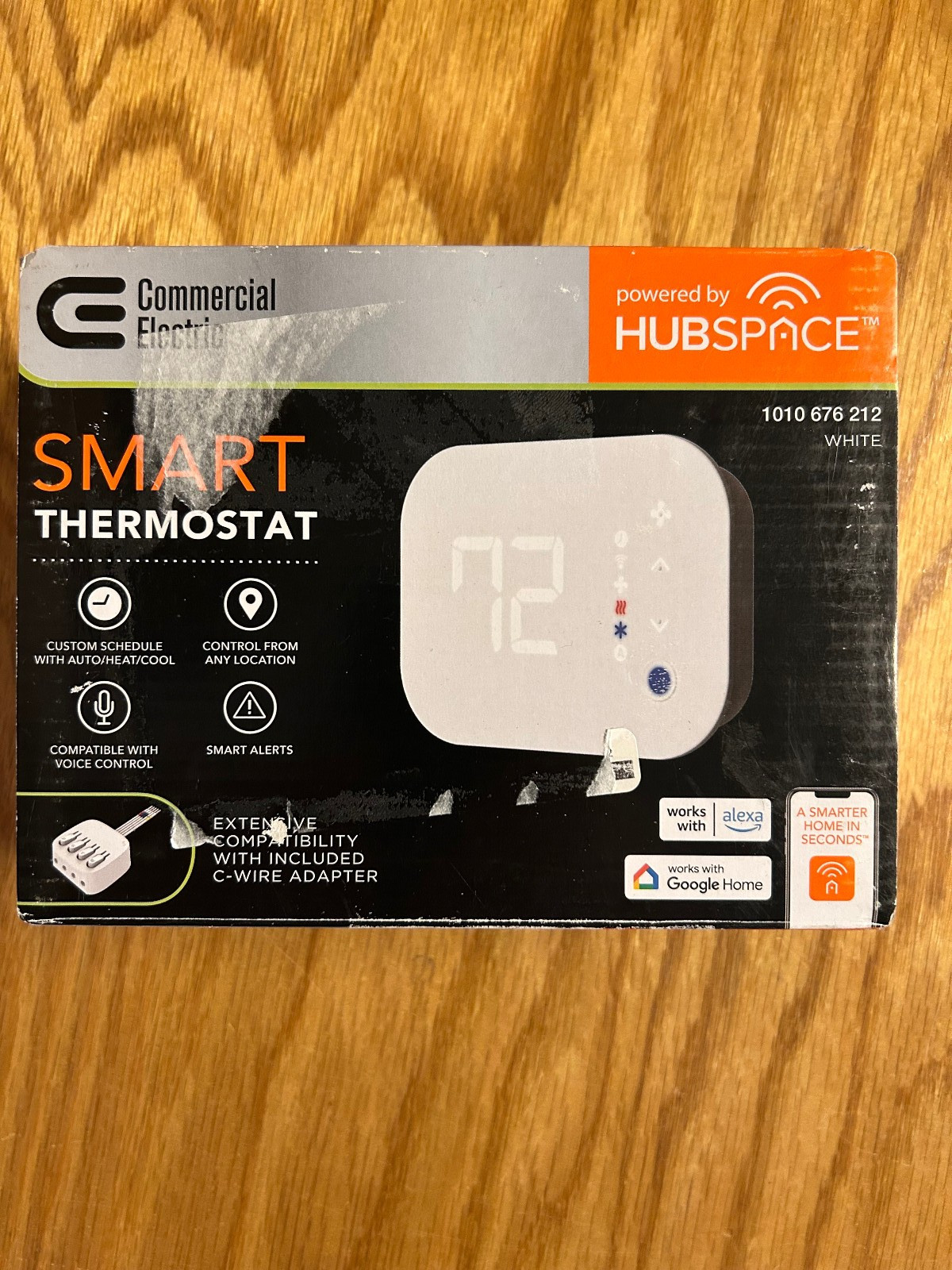
Emerging in 2026 are more retailer-backed ecosystems like Hubspace, which powers devices sold by companies such as Commercial Electric. These systems offer simpler, often more affordable entry points into smart home integration. For example, the CE Smart Programmable Thermostat Wi-Fi/Bluetooth Enabled Powered by Hubspace highlights how these platforms prioritize ease of installation (typically 30 minutes or less) and app-based control for specific product categories like climate management. While these might not offer the breadth of integration found in larger ecosystems, they provide a streamlined experience for their supported devices and often feature Matter compatibility, allowing them to integrate with broader systems.
Factors Defining the Best Smart Home Systems Integration in 2026
When evaluating which smart home system offers the best integration, several critical factors come into play:
1. Device Compatibility and Matter Adoption
The breadth of devices that can seamlessly connect and communicate is paramount. In 2026, this largely translates to how well a system embraces Matter. A system with strong Matter support will inherently integrate with a wider range of lighting, sensors, thermostats, and other accessories from different manufacturers. Look for ecosystems that have Matter controllers (hubs) and a growing list of Matter-certified devices.
2. Ease of Setup and Management
A truly integrated system should be simple to set up, even for tech novices. This includes intuitive app interfaces, clear pairing processes, and straightforward automation creation. Apps like the Smart Home Manager are praised for their user-friendly design, with one review stating, "The best WiFi there is HANDS DOWN so much better than spectrum. Ive literally had no problems at all" (Source). The ability to manage Wi-Fi, connected devices, and schedules from a single application significantly enhances the user experience.
For a detailed perspective on user experience, explore our guide to the Best Smart Home Systems Top Usability 2026.
3. Automation and Routine Capabilities
The essence of smart home systems integration is automation. The best systems allow for complex, conditional routines based on time, sensor input (motion, temperature, door open/close), presence detection, and even external data (weather, calendar events). Look for systems that support both simple "if this, then that" logic and more advanced scripting or block-based programming for intricate scenarios.
4. Security and Privacy
As more aspects of our lives become connected, the security of our smart home data is non-negotiable. Strong encryption, local processing options (reducing reliance on cloud servers), and clear privacy policies are essential. Matter's local control capabilities and end-to-end encryption offer a significant step forward in this regard. Users should investigate how their chosen ecosystem handles data, especially for sensitive devices like cameras and door locks.
5. Reliability and Responsiveness
An integrated smart home should be reliable and respond quickly to commands and triggers. This depends on stable network protocols (Thread and Wi-Fi for Matter are excellent), robust hub hardware, and optimized software. Latency, or the delay between a command and a device's action, is a common frustration that the best integrated systems minimize.
6. Voice Control Integration
Voice assistants remain a primary interface for many smart home users. Seamless integration with Amazon Alexa, Google Assistant, and Apple Siri, allowing consistent control across devices regardless of manufacturer, is a hallmark of a well-integrated system.
Smart Home Ecosystem Evaluator: 2026 Integration Guide
Prioritize key factors like security, compatibility, and AI to find the best smart home system for your needs. Estimate your potential savings and ROI.
1. Choose Your Primary Ecosystem
2. Adjust Your Priorities (0-100%)
3. Estimate Your Financials
Your Personalized Integration Score: -- / 100
Estimated Annual Savings: $0
Estimated First-Year ROI: 0%
Ecosystem Performance vs. Your Priorities (Weighted)
Comparative Analysis of Top Smart Home Systems Integration Platforms (2026)
Here's a table comparing the leading platforms based on their integration strengths as of April 2026:
| Platform | Primary Integration Strength | Matter Support | Key Protocols (Native) | Ideal User |
|---|---|---|---|---|
| Apple Home | Seamless Apple ecosystem integration, privacy | Excellent (Controller) | Wi-Fi, Thread, Bluetooth | Apple users prioritizing privacy & simplicity |
| Google Home | Broad device compatibility, AI-driven routines | Excellent (Controller) | Wi-Fi, Thread, Bluetooth | Android users, Google Assistant fans, automation enthusiasts |
| Amazon Alexa | Extensive skills, voice control, affordability | Good (Controller) | Wi-Fi, Zigbee, Thread, Bluetooth | New users, budget-conscious, voice-first interaction |
| Samsung SmartThings | Wide protocol support, advanced customization | Excellent (Controller) | Wi-Fi, Zigbee, Z-Wave, Thread, Bluetooth | Power users, diverse device owners, local control preference |
| Home Assistant | Ultimate customization, local control, open source | Excellent (Controller) | Wi-Fi, Zigbee, Z-Wave, Thread, Bluetooth (via add-ons) | Tech-savvy users, privacy advocates, DIY enthusiasts |
Future Trends in Smart Home Systems Integration
The landscape of smart home systems integration is dynamic, with several emerging trends shaping its future in 2026 and beyond:
Artificial Intelligence and Predictive Automation
Beyond simple "if this, then that" rules, AI is enabling smart homes to become truly intelligent. Predictive automation, where the system anticipates your needs based on learned patterns, external data (like weather forecasts or traffic), and even biometric inputs, is becoming more sophisticated. Imagine your home adjusting the thermostat before you arrive, or dimming the lights as it senses you're winding down for the evening, all without explicit commands. This requires deep integration not just between devices, but also with cloud-based AI services and personal data streams.
Enhanced Edge Computing
To improve responsiveness and privacy, more processing is moving from the cloud to the "edge" – meaning on the devices themselves or on local hubs. This reduces latency and keeps sensitive data within the home network. Matter's local-first approach is a prime example of this trend, but we're seeing more advanced AI processing happening directly on smart cameras or voice assistants, performing tasks like facial recognition or anomaly detection without sending every data packet to the cloud.
Energy Management and Sustainability
Smart home systems integration is increasingly focused on energy efficiency. Advanced thermostats like the Commercial Electric Smart Thermostat powered by Hubspace offer custom schedules and presets to manage home climate, home or away, promoting an energy-conscious environment. Beyond individual device control, integrated systems are now monitoring whole-home energy consumption, optimizing appliance usage based on electricity prices, solar generation, and grid demand. This mirrors the broader industry shift towards intelligent energy management seen in the modernization of power distribution networks into Smart Grids, which necessitates a paradigm shift from periodic, manual inspections to continuous, real-time feeder monitoring and auditing, as detailed in "A Comprehensive Review of Real-Time Feeder Monitoring and Auditing Systems." This level of integration is essential for both cost savings and environmental impact.
Health and Wellness Integration
The smart home is extending its reach into personal health and wellness. Integrated systems can monitor air quality, track sleep patterns via smart beds, remind you to take medication, or even detect falls. This requires seamless integration with wearable devices, health apps, and specialized sensors, transforming the home into a proactive health assistant.
Enhanced Security and Access Control
Beyond basic door locks and cameras, smart home systems integration is creating sophisticated, multi-layered security solutions. This includes biometric access (fingerprint, facial recognition), geofencing for automated arming/disarming, and integration with professional monitoring services. The ability for cameras, motion sensors, and smart locks to communicate and react in concert provides a much higher level of protection.
Building Your Integrated Smart Home: Practical Advice for 2026
For anyone looking to embrace the best smart home systems integration in 2026, consider these practical steps:
1. Start with a Strong Foundation
Choose an ecosystem (Apple Home, Google Home, Amazon Alexa, SmartThings, or Home Assistant) that you anticipate will meet your long-term needs and aligns with your existing tech. This decision will influence device compatibility and overall user experience. Ensure your chosen hub or controller supports Matter, as this is the most future-proof path.
2. Prioritize Matter-Certified Devices
Whenever possible, opt for devices that are Matter-certified. This guarantees the broadest compatibility and easiest integration with your chosen ecosystem, reducing the headaches of proprietary lock-ins. Look for the Matter logo on packaging.
3. Consider Network Infrastructure
A robust Wi-Fi network is the backbone of any integrated smart home. Ensure you have good Wi-Fi coverage throughout your home. For Matter over Thread devices, a Thread border router (often built into newer smart speakers like Apple HomePod mini or Google Nest Hub) is essential for connectivity.
4. Plan Your Automations
Think about the routines you want to automate. Simple ones first: "turn off lights when I leave," "adjust thermostat at bedtime." As you get comfortable, you can build more complex, conditional automations. The power of integration truly shines when devices work together without direct intervention.
5. Balance DIY with Professional Installation
While many smart home devices are designed for self-installation, some systems, especially those involving complex wiring or whole-home audio/video, might benefit from professional setup. Know your comfort level and don't hesitate to seek expert help for specialized components.
6. Focus on Security and Updates
Regularly update your smart home devices and hub software to ensure you have the latest security patches and features. Use strong, unique passwords for all accounts. Be mindful of privacy settings and control what data your devices collect and share.
Conclusion
The quest for the best smart home systems integration has seen remarkable progress by April 2026. With Matter acting as a unifying force, and ecosystems like Apple Home, Google Home, Amazon Alexa, Samsung SmartThings, and Home Assistant refining their capabilities, the promise of a truly intelligent and interconnected home is closer than ever. The ability for devices to seamlessly communicate, automate routines, and adapt to our lifestyles is no longer a futuristic concept but a tangible reality, offering unparalleled convenience, security, and energy efficiency.
By carefully considering compatibility, ease of use, security, and the long-term vision of an ecosystem, consumers can build a smart home that truly enhances their lives, moving beyond a collection of gadgets to a cohesive, intelligent living space. The future of smart home integration is bright, promising even greater personalization and autonomy as AI and advanced protocols continue to evolve.
