SaaS Metrics
Best Smart Home Systems 2026: Expert Comparison & Analysis
The landscape of home automation continues its rapid evolution, and as of April 2026, choosing the best smart home systems 2026 requires a deeper understanding than ever before. Gone are the days when a smart home meant just a few connected light bulbs or a voice assistant. Today, we are witnessing a powerful convergence of advanced interoperability standards, sophisticated artificial intelligence, and a heightened focus on user experience and data privacy. For consumers and businesses alike, the decision hinges on seamless integration, robust security, and the ability to adapt to future innovations.
This year, the smart home market is defined by several key trends, primarily driven by the maturation of open standards like Matter, the increasing intelligence of AI agents, and a growing demand for reliable, user-friendly interfaces. Whether you are building a smart home from scratch or looking to upgrade an existing setup, understanding these shifts is essential. Our comprehensive analysis will guide you through the leading platforms, emerging technologies, and critical considerations to ensure your smart home investment delivers true value and convenience.
For a foundational understanding of the core components that drive these systems, you might find our expert comparison of the best smart home hubs and ecosystems particularly useful. It provides insights into the central nervous system of any connected home.
The Evolving Landscape of Best Smart Home Systems in 2026
Smart home technology in 2026 is no longer a niche luxury but a mainstream expectation, with systems designed to integrate into every facet of daily life. The industry has made significant strides in addressing fragmentation and enhancing intelligence, making homes more intuitive and responsive.
Matter 1.5.1: The Interoperability Game Changer
One of the most significant developments shaping the best smart home systems 2026 is the widespread adoption and continuous refinement of Matter. This open-source connectivity standard, championed by the Connectivity Standards Alliance (CSA), aims to allow smart home devices from different manufacturers to communicate seamlessly. As of April 2026, Matter 1.5.1 is enhancing high-quality camera streaming within smart home ecosystems, improving interoperability across a broader range of device categories. This update is a game changer, allowing users to mix and match devices from various brands with confidence, eliminating the frustrating compatibility issues that plagued earlier smart home setups. This standardization means that a smart lock from one company can work effortlessly with a lighting system from another, all controlled through a single app or voice assistant.
The promise of Matter is a truly unified smart home experience, reducing complexity for consumers and fostering innovation among manufacturers. It lowers the barrier to entry for new users and provides greater flexibility for those looking to expand their existing systems. This push for universal compatibility is a strong indicator of market maturity, moving towards a user-centric model where technology adapts to the user, rather than the other way around.
AI and Machine Learning: Smarter Homes, Personalized Experiences
Artificial intelligence and machine learning are no longer just buzzwords; they are actively transforming how smart home systems operate. In 2026, AI agents are becoming more sophisticated, moving beyond simple command execution to predictive automation and personalized experiences. These systems learn user habits, anticipate needs, and make proactive adjustments to optimize comfort, security, and energy efficiency.
A prime example of this evolution is Hisense’s AI Agent Suite, which aims to bring connection and emotional value to smart home appliances. As highlighted by Gizmodo, Hisense emphasizes that "Your smart devices should add convenience and connection, not take it away." This sentiment perfectly captures the shift towards AI that understands context, anticipates desires, and simplifies daily routines, rather than adding layers of digital management. Imagine a home that adjusts lighting based on your mood, pre-cools rooms before you arrive, or even suggests recipes based on your dietary preferences and available ingredients. This level of intelligent automation is becoming a standard feature in leading smart home systems.
Security, Privacy, and Local Control: Non-Negotiables
With increasing connectivity comes an amplified focus on security and privacy. In 2026, consumers are more aware than ever of the data their smart devices collect and how it is used. The best smart home systems prioritize robust encryption, secure authentication, and clear privacy policies. Many systems are also moving towards greater local processing, meaning more data is handled on the device itself rather than being sent to the cloud. This approach enhances privacy and often improves responsiveness, as commands do not need to travel over the internet.
The ability to control data access and privacy settings is a critical differentiator. Users want transparency regarding what information is collected, how it is stored, and who has access to it. Systems that offer strong parental controls, guest access management, and transparent data practices are gaining significant favor. The shift towards local processing also provides resilience, allowing core smart home functions to continue even if internet connectivity is temporarily lost.
Energy Management and Sustainability: A Growing Priority
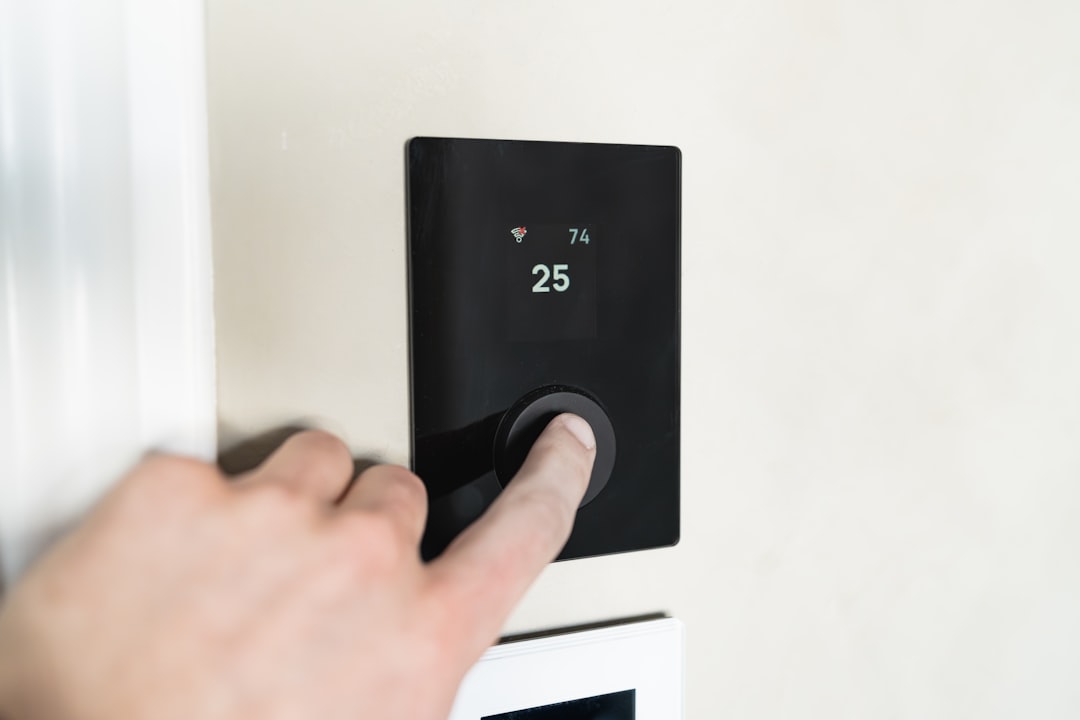
Beyond convenience, smart home systems are playing an increasingly important role in energy conservation and environmental sustainability. Smart thermostats, intelligent lighting systems, and connected appliances are designed to optimize energy consumption, reducing utility bills and carbon footprints. Features like occupancy sensors, geofencing, and automated scheduling ensure that energy is only used when and where it is needed.
In 2026, many smart home platforms offer detailed energy monitoring and reporting, allowing users to track their consumption and identify areas for improvement. Integration with renewable energy sources, such as solar panels and smart grids, is also becoming more common, positioning smart homes as key components of a broader sustainable living strategy. This focus on efficiency not only benefits the planet but also offers tangible cost savings for homeowners.
Top Contenders: Evaluating the Best Smart Home Systems for 2026
Selecting the ideal smart home system involves weighing various factors, including ecosystem breadth, ease of use, security, and the level of integration with other devices. Here, we examine the leading platforms vying for the title of best smart home systems 2026.
Apple Home (HomeKit): Simplicity and Security
Apple Home, built on the HomeKit framework, continues to appeal to users deeply embedded in the Apple ecosystem. Its core strengths lie in robust security features, strong privacy protections, and an incredibly intuitive user experience. Apple's stringent certification process ensures that HomeKit-compatible devices meet high standards for security and reliability. Integration with Siri allows for natural voice control, and the Home app provides a clean, unified interface for managing all connected devices.
With Matter 1.5.1, Apple Home is becoming an even more powerful hub, extending its compatibility beyond traditional HomeKit devices. This means users can enjoy Apple's signature ease of use and privacy features while integrating a wider array of Matter-certified products. For those who prioritize a seamless, secure, and private smart home experience, especially within an iPhone, iPad, or Mac environment, Apple Home remains a top choice.
Google Home: AI-Powered Convenience and Broad Integration
Google Home, powered by Google Assistant, offers unparalleled AI capabilities and deep integration with Google's vast ecosystem of services. Its strengths include highly intelligent voice control, personalized routines, and proactive suggestions based on your calendar, location, and search history. Google's platform supports a massive range of devices from various manufacturers, making it a flexible choice for many users.
The integration of Matter further solidifies Google Home's position as a versatile hub, allowing it to connect with an even broader spectrum of smart devices. Google's focus on ambient computing means that your smart home should anticipate your needs without explicit commands, creating a truly intelligent living space. For users seeking a smart home that learns and adapts, with powerful voice control and extensive device support, Google Home presents a compelling option.
Amazon Alexa: The Ubiquitous Voice Assistant Ecosystem
Amazon Alexa continues to dominate the voice assistant market, offering an extensive range of compatible devices and a rich ecosystem of skills. Its ubiquity makes it an accessible entry point for many smart home enthusiasts. Alexa's strengths lie in its vast device compatibility, versatile routines, and the ability to integrate with numerous third-party services, from music streaming to delivery services.
Like its competitors, Amazon has embraced Matter, expanding Alexa's ability to control and manage an even wider array of smart home products. The platform is continuously evolving with new features, including advanced privacy controls and localized processing for certain commands. For those who prioritize a wide selection of devices, a familiar voice assistant, and a highly customizable experience, Amazon Alexa remains a formidable contender.
Samsung SmartThings: Flexibility for the Tech-Savvy
Samsung SmartThings stands out for its robust flexibility and support for multiple wireless protocols, including Zigbee, Z-Wave, and now Matter. This makes it an excellent choice for users who want to integrate a diverse collection of devices, even legacy ones, into a single platform. SmartThings offers a powerful automation engine, allowing users to create complex routines and scenes that tie together various devices and sensors.
The platform's strength lies in its ability to act as a universal hub, bringing disparate smart devices under one roof. While it might have a slightly steeper learning curve for beginners compared to more simplified ecosystems, its power and customization options are highly valued by advanced users and those with extensive smart home setups. Samsung's commitment to interoperability, especially with Matter, ensures SmartThings remains a future-proof choice for building a truly interconnected home.
Independent Hubs and Open Platforms: For Advanced Users
Beyond the major tech giants, independent hubs like Hubitat Elevation and Homey continue to cater to advanced users seeking maximum local control, privacy, and customization. These platforms typically support a wide range of protocols and offer extensive scripting capabilities, allowing for highly personalized automation scenarios.
Hubitat, for instance, emphasizes local processing, ensuring that automations run quickly and reliably even without an internet connection. Homey offers a visually intuitive flow creator and supports a vast array of devices through its app store. These systems require a bit more technical expertise but reward users with unparalleled control over their smart home data and functionality. For those interested in a deeper dive into integration capabilities, explore our best smart home systems of 2026 with our expert analysis on top integration.
Integrated Security Systems: Focused Protection
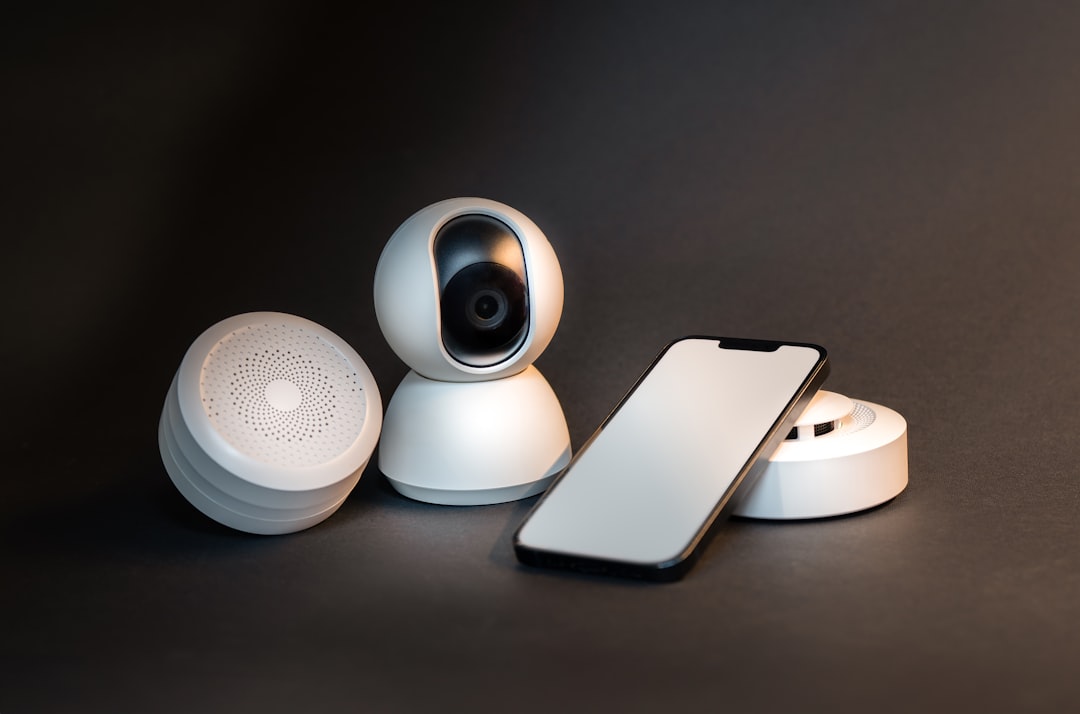
For many, the entry point into smart home technology is security. Systems from brands like Ring, Arlo, and SimpliSafe offer comprehensive security solutions that often include cameras, doorbells, sensors, and professional monitoring services. While primarily focused on security, these systems increasingly integrate with broader smart home ecosystems, allowing users to control lights, locks, and thermostats from within their security app.
These specialized systems provide peace of mind and are often designed for easy self-installation. Their strength lies in their singular focus on protection, offering features like advanced motion detection, facial recognition, and rapid response capabilities. As smart homes become more central to daily life, the integration of robust security features is a non-negotiable aspect of any top-tier system.
Comparison of Top Smart Home Ecosystems (2026)
To help you compare the leading options, here is a breakdown of their key features and differentiators as of April 2026:
| Ecosystem | Key Strengths | Interoperability & Matter 1.5.1 | AI Focus | Privacy & Security |
|---|---|---|---|---|
| Apple Home (HomeKit) | Intuitive UX, strong privacy, robust security | Excellent, full Matter 1.5.1 support | Siri integration, limited proactive AI | Industry-leading encryption, local processing emphasis |
| Google Home | Advanced AI, vast device compatibility, voice control | Strong, full Matter 1.5.1 support | Proactive suggestions, contextual awareness | Good, customizable settings, cloud-reliant for some features |
| Amazon Alexa | Ubiquitous, extensive skills, broad device support | Strong, full Matter 1.5.1 support | Routines, personalization, growing intelligence | Good, user-configurable privacy controls |
| Samsung SmartThings | Multi-protocol support (Zigbee, Z-Wave, Matter), powerful automation | Excellent, universal hub capabilities | Bixby integration, advanced routines | Good, local control for many automations |
| Hubitat Elevation | Local processing, advanced customization, community support | Good, Matter via bridge, Zigbee, Z-Wave | Rule engine for complex automation | Excellent, strong local privacy focus |
Smart Home System Selector for 2026
Prioritize what matters most to you and discover the best smart home system fit.
Your Priorities:
Best Fit Scores:
Detailed Comparison:
| System | Description | Interoperability & Matter | AI & Automation | Privacy & Security | Ease of Use | Cost & Scalability | Calculated Fit Score |
|---|
Key Considerations for Choosing the Best Smart Home System in 2026
Choosing the right smart home system is a significant decision that impacts daily life. Beyond the core features, several practical considerations should guide your choice.
Ecosystem Compatibility and Future-Proofing
The first step is to assess your existing devices and preferred brands. Are you an Apple user, an Android enthusiast, or do you prefer a more open-source approach? While Matter 1.5.1 significantly improves interoperability, some ecosystems still offer tighter integration and more seamless experiences with their native devices. Consider how easily new devices can be added and how well the system is likely to support future technologies. A system that actively embraces open standards like Matter and Thread is generally more future-proof.
The ability to expand your smart home without encountering compatibility roadblocks is crucial. Look for systems that have a broad partner network and a clear roadmap for supporting new device categories and communication protocols. This ensures your initial investment will continue to serve you well as your smart home evolves.
User Experience and App Reliability
A smart home should simplify, not complicate. The user experience, primarily through the companion app, is paramount. An intuitive interface, easy setup process, and reliable performance are key indicators of a well-designed system. Consider the feedback from real users. For instance, while some users praise the AT&T Smart Home Manager app as "Amazingly Useful" and give it "1000/10" for its WiFi management capabilities, others report significant frustrations. One user noted, "Works good for 24hrs then I have to restart Gateway and erase and redownload App," describing it as "Very FRUSTRATING!!!! Fix this please." These experiences underscore the importance of consistent performance and robust software development.
The AT&T Smart Home Manager app, as detailed on its App Store page, offers tools to view, update, and share Wi-Fi details, personalize device names, and set downtime schedules. This blend of network management and device control is typical of modern smart home apps, highlighting the critical role software plays in daily operation. However, user reviews like the ones mentioned serve as a powerful reminder that even the best features are undermined by instability, emphasizing that reliability is as important as functionality.
The best smart home systems provide all the tools you need to manage your network in one intuitive, user-friendly interface. This includes features like easily viewing, updating, and sharing your Wi-Fi name and password, seeing what devices are connected, personalizing each device name, and setting downtime schedules to manage family screen time. Consistent uptime and quick response times from the app are essential for a truly convenient smart home.
Scalability and Cost
Smart home systems range widely in price, from budget-friendly starter kits to premium whole-home solutions. Consider your current needs and your long-term vision. Can the system easily expand as you add more devices or automate more areas of your home? Some systems require a central hub, while others are hub-less, relying on mesh networks or direct Wi-Fi connections.
Factor in not only the initial hardware cost but also potential subscription fees for advanced features, cloud storage, or professional monitoring. A modular system that allows you to start small and expand gradually can be a cost-effective approach. For a deeper look into user-friendliness, you can Discover the best smart home systems for top usability in 2026.
Data Management and Privacy Policies
Understand how each system handles your personal data. Read privacy policies carefully and look for transparency regarding data collection, storage, and sharing practices. Prioritize systems that offer strong encryption, local processing options, and clear controls over your information. The ability to opt out of data collection or delete your data is an important privacy feature.
Installation and Ongoing Support
While many smart home devices are designed for DIY installation, some more complex systems might benefit from professional setup. Consider the ease of installation and the availability of customer support. Does the manufacturer offer clear guides, responsive technical assistance, and a strong community forum? Reliable support can make a significant difference in your long-term satisfaction with a smart home system.
The Future of Smart Home Systems Beyond 2026
Looking beyond 2026, the smart home market is poised for even more transformative changes. We can expect deeper integration of artificial intelligence, moving towards truly ambient computing where homes anticipate needs almost entirely. Predictive maintenance for appliances, hyper-personalized environments that adapt to individual occupants' biometrics and preferences, and even more seamless integration with smart city infrastructure are on the horizon.
The convergence of smart home technology with other emerging areas, such as augmented reality (AR), also holds fascinating potential. While AR gaming glasses are evolving with specific feature demands to deliver high-quality immersive experiences, their underlying technologies for spatial awareness and contextual understanding could eventually overlap with smart home systems. Imagine a future where your AR glasses overlay information about your smart home devices, allowing you to interact with them through gestures or gaze, or where your home automatically adjusts its environment to complement your immersive AR experience. This hints at a future where the digital and physical realms merge even more closely, making our living spaces truly intelligent and responsive to our every interaction.
Furthermore, the focus on sustainability will intensify, with smart homes playing a central role in managing microgrids, optimizing renewable energy consumption, and even facilitating demand response programs with utility providers. The evolution of Matter and other open standards will ensure that this interconnected future is accessible and manageable for everyone. For a broader view of interconnected living, explore the top rated connected home ecosystems of 2026.
Conclusion
As of April 2026, the journey to finding the best smart home systems is more exciting and complex than ever. The industry has matured significantly, offering robust interoperability through Matter 1.5.1, intelligent automation powered by advanced AI, and a renewed commitment to security and user privacy. Whether you prioritize a streamlined ecosystem like Apple Home, the AI prowess of Google Home, the vast device compatibility of Amazon Alexa, or the deep customization of Samsung SmartThings and independent hubs, there is a solution tailored to your needs.
The key to a successful smart home lies in careful planning, considering not just today's features but tomorrow's potential. By evaluating systems based on their interoperability, intelligence, security, user experience, and scalability, you can build a connected home that truly enhances your life, offering convenience, comfort, and peace of mind for years to come.