SaaS Metrics
Best Smart Home Systems with Integration Options 2026
As of April 2026, the smart home landscape continues its rapid evolution, moving beyond isolated gadgets to truly interconnected living spaces. Homeowners and tech enthusiasts alike are no longer satisfied with devices that simply respond to commands; they demand seamless interoperability, intelligent automation, and robust integration capabilities. Understanding which platforms and devices offer the best smart home systems with integration options in 2026 is key to building a future-proof, efficient, and truly smart residence. This article provides an expert analysis, guiding you through the complexities of modern smart home ecosystems.
The promise of a truly integrated smart home, where every device communicates harmoniously, is closer than ever. For those seeking a deeper understanding of the foundational components, our existing expert comparison on best smart home hubs and ecosystems in 2026 offers valuable context. Our focus here, however, is on the crucial aspect of integration itself: how well devices from different manufacturers work together, the standards that enable this, and the intelligence that ties it all into a cohesive experience.
Key Factors for Best Smart Home Systems with Integration Options 2026
Selecting the ideal smart home system involves more than just picking popular brands. Integration, especially in 2026, is a multi-faceted concept encompassing various technologies and user experiences. Here are the primary factors to consider when evaluating the best smart home systems with integration options.
The Matter Standard: A Game-Changer for Interoperability
Matter, the open-source connectivity standard backed by major industry players, has matured significantly by April 2026. Its impact on smart home integration cannot be overstated. Matter aims to simplify the smart home experience by allowing devices from different manufacturers to work together seamlessly, eliminating the need for multiple apps and hubs. With Matter 1.5.1 now a stable release, we're seeing enhanced capabilities, particularly around high-quality camera streaming within smart home ecosystems, as noted in recent industry narratives. This update directly improves interoperability for critical security and monitoring devices, which is a major win for users.
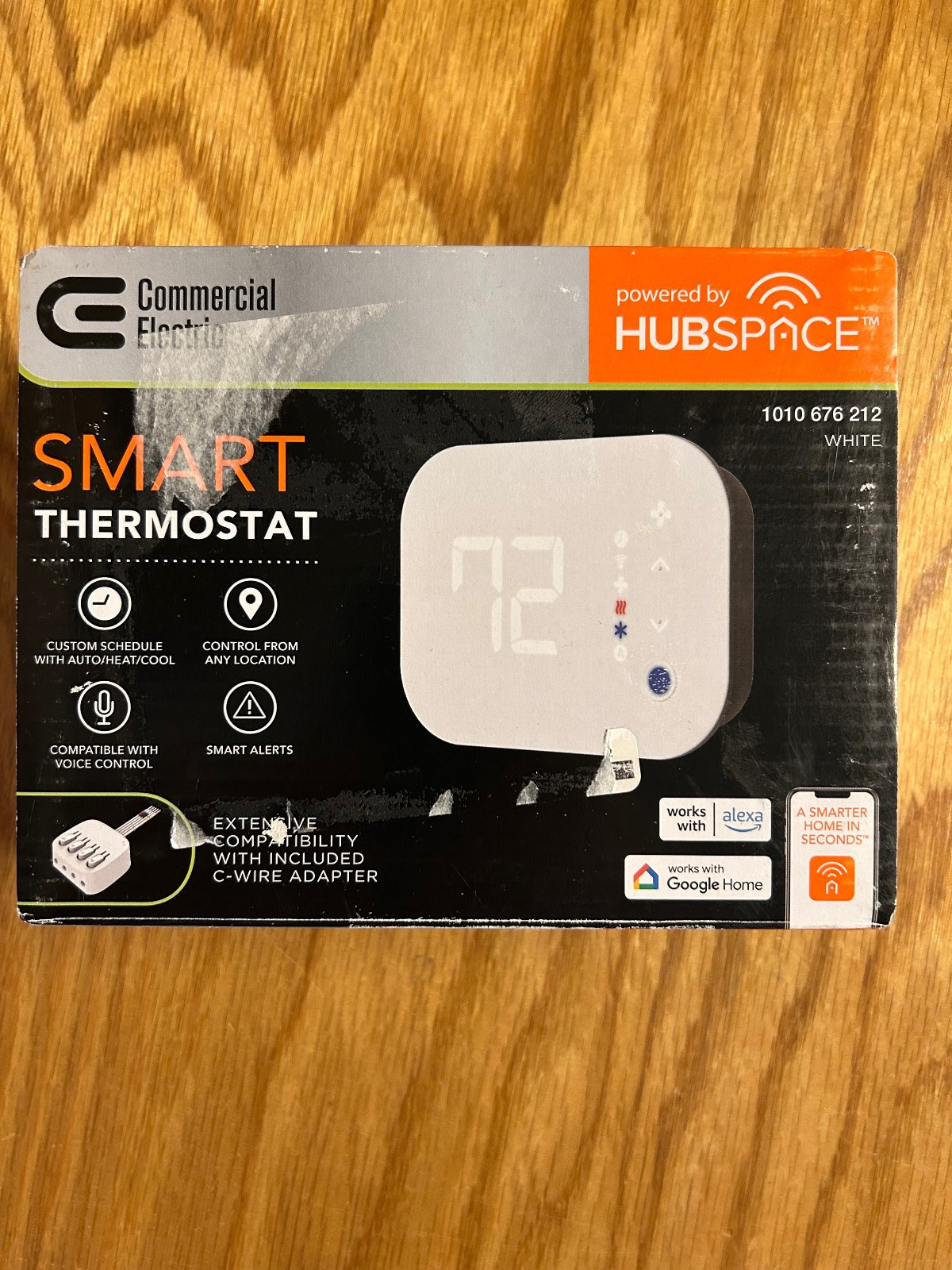
The adoption of Matter means that a smart thermostat, like the Commercial Electric Smart Thermostat powered by Hubspace, can seamlessly integrate into a broader Matter-enabled ecosystem, regardless of whether your primary controller is Apple Home, Google Home, or Amazon Alexa. This particular thermostat, available on eBay, highlights how individual devices are leveraging these standards for easier setup and management.
AI and Machine Learning: The Brains Behind the Home
Artificial intelligence and machine learning are no longer theoretical concepts in smart homes; they are the engines driving sophisticated integration. In 2026, AI algorithms analyze user behavior, optimize energy consumption, and anticipate needs, making the smart home truly intelligent rather than merely automated. This advanced AI allows for proactive adjustments to lighting, climate, and security based on learned patterns and external factors like weather or traffic.
Hisense’s AI Agent Suite, for instance, exemplifies this shift, aiming to bring connection and emotional value to smart home appliances. As reported by Gizmodo, such AI agents move beyond simple task execution to offer a more personalized and intuitive home experience, making devices feel less like tools and more like helpful companions. This level of intelligence is crucial for truly integrated systems that adapt to you.
Security and Privacy: Non-Negotiables
With increased connectivity comes increased responsibility for data security and user privacy. The best smart home systems in 2026 prioritize robust encryption, secure authentication, and transparent data handling policies. Users are more aware than ever about who has access to their home data, from camera feeds to energy consumption patterns. Systems that offer local processing options, strong end-to-end encryption, and clear privacy controls gain a significant advantage in user trust and adoption.
Ecosystem Depth and Breadth
An ecosystem's depth refers to the range of devices a platform natively supports, while breadth refers to its compatibility with third-party products, especially via standards like Matter. A truly integrated system offers both. It provides a core set of reliable, first-party devices (e.g., smart displays, cameras, thermostats) while also allowing for extensive expansion with accessories from other brands. The more expansive and compatible the ecosystem, the greater the flexibility for homeowners to customize their smart home without encountering compatibility frustrations. To explore this further, you can discover the best smart home app ecosystem integration in 2026, which delves into platform specifics.
Ease of Installation and Use
Even the most powerful integration is worthless if the system is difficult to set up or manage. User experience remains a paramount concern. In 2026, systems offering intuitive mobile apps, streamlined pairing processes, and clear automation builders are preferred. Voice control, though mature, continues to evolve with more nuanced command recognition and contextual understanding. For a detailed look at how different systems measure up in this area, discover the best smart home systems 2026 usability: expert analysis.
Top Smart Home Systems with Integration Options 2026: An Expert Comparison
Based on the factors above, here's an analysis of the leading smart home systems offering the best integration options as of April 2026.
Apple Home: The Walled Garden's Open Door
Apple Home, powered by the Home app and HomePods/Apple TVs acting as hubs, has long been praised for its privacy-first approach and seamless integration within the Apple ecosystem. In 2026, its embrace of Matter has significantly opened its doors to a wider array of third-party devices. This means users can now enjoy Apple's robust automation and privacy features with a much broader selection of accessories. While still favoring a curated experience, Apple Home's Matter support makes it a strong contender for those who value tight integration with their iOS devices and a secure environment.
Integration Strengths: Excellent privacy, strong local control, Matter support expanding device compatibility, seamless integration with other Apple devices (e.g., Apple Watch, iPhone, iPad). Thread network capabilities enhance responsiveness. Automation is intuitive and powerful.
Google Home/Nest: AI at the Core
Google Home, centered around Nest Hubs and Google Assistant, continues to lead with its advanced AI and machine learning capabilities. Its deep integration with Google services (Calendar, Maps, Search) provides unparalleled contextual awareness for home automation. Google's commitment to Matter and Thread ensures a wide range of device compatibility, making it easy to integrate new smart gadgets into existing setups. The platform excels at voice control and personalized routines, truly making the home feel intelligent.
Integration Strengths: Superior AI and voice control, extensive third-party device support via Matter and its own ecosystem, strong integration with Google services, robust automation routines. Nest devices (thermostats, cameras, doorbells) offer tight native integration.
Amazon Alexa: The Ubiquitous Assistant
Amazon Alexa, with its vast ecosystem of Echo devices, remains one of the most popular smart home platforms. Its strength lies in its sheer breadth of supported devices and services. Alexa's Routine builder is powerful, allowing for complex multi-device automations. With increasing Matter support in its Echo devices, Alexa continues to solidify its position as a highly compatible and user-friendly central hub. The platform's focus on voice shopping and entertainment adds another layer of utility for many users.
Integration Strengths: Widest range of supported devices, highly mature voice assistant, powerful routine creation, broad Matter adoption, extensive third-party skills. Ideal for users prioritizing device choice and voice control.
Samsung SmartThings: The Versatile Hub
Samsung SmartThings stands out for its flexibility and protocol agnostic approach. The SmartThings Hub supports Zigbee, Z-Wave, and Matter, making it one of the most versatile options for integrating a diverse array of devices, including legacy smart home tech. Its robust automation engine allows for highly customized scenarios, and its integration with Samsung appliances offers a cohesive experience for users with Samsung products. SmartThings also offers a strong developer community, often leading to innovative custom integrations.
Integration Strengths: Multi-protocol support (Matter, Zigbee, Z-Wave), strong automation capabilities, wide device compatibility, good for DIY enthusiasts, integrates well with Samsung devices. Offers both local and cloud processing.
Home Assistant: The DIY Integrator's Dream
For those who desire ultimate control and customization, Home Assistant remains the undisputed champion. This open-source platform, often running on a Raspberry Pi or in a Docker container (a common integration request on GitHub and a frequent topic of discussion regarding Docker compatibility), offers unparalleled integration capabilities. It supports virtually every smart home protocol and device imaginable, allowing users to consolidate control over disparate systems. While it has a steeper learning curve, the rewards are immense: complete local control, advanced automation, and a vibrant community that constantly develops new integrations.
Integration Strengths: Unmatched device compatibility, full local control, powerful automation engine, open-source flexibility, extensive community support. Best for advanced users and those prioritizing privacy and customization.
Here is a comparison of these leading smart home systems:
| Smart Home System | Key Integration Strengths | Primary Protocols & Standards |
|---|---|---|
| Apple Home | Strong privacy, Matter, Thread, native Apple ecosystem integration | Matter, Thread, Wi-Fi, Bluetooth |
| Google Home/Nest | Advanced AI, Matter, Thread, extensive third-party support, Google services | Matter, Thread, Wi-Fi, Bluetooth |
| Amazon Alexa | Broadest device compatibility, Matter, powerful voice control, routines | Matter, Wi-Fi, Bluetooth, Zigbee (via Echo Hubs) |
| Samsung SmartThings | Multi-protocol support (Matter, Zigbee, Z-Wave), flexible automation | Matter, Zigbee, Z-Wave, Wi-Fi, Bluetooth |
| Home Assistant | Ultimate customization, local control, supports nearly all protocols | Matter, Thread, Zigbee, Z-Wave, Wi-Fi, Bluetooth (and more) |
Your Smart Home Priorities
System & Investment
Analysis & Recommendations
Deep Dive into Integration Technologies and Future Trends
The foundation of integration lies in the underlying technologies and emerging trends that continue to shape the smart home experience in 2026. Understanding these aspects helps in making informed decisions about long-term smart home investments.
Thread and Zigbee: The Wireless Backbone
While Wi-Fi and Bluetooth are common, mesh networking protocols like Thread and Zigbee are crucial for robust smart home integration. Thread, especially, is gaining traction due to its low power consumption, self-healing mesh capabilities, and IP-based addressing, making it a perfect partner for Matter. Many new Matter-certified devices now support Thread, ensuring reliable communication even in large homes.
Zigbee, a long-standing mesh protocol, continues to be relevant, particularly for lighting and sensors, often supported by hubs like Amazon Echo (select models) and Samsung SmartThings. The co-existence and increasing interoperability between these protocols, often bridged by central hubs, are vital for seamless device communication.
Cloud-to-Cloud Integrations and APIs
Beyond local protocols, cloud-to-cloud integrations via Application Programming Interfaces (APIs) enable devices and services to communicate over the internet. This is how your smart home system might interact with a weather service, a delivery tracking app, or even your car. While local control is preferred for speed and privacy, robust cloud integrations expand the functionality of your smart home significantly, allowing for complex automations that react to external data sources.
The Role of AI Agents in Smart Home Management
As mentioned earlier, AI agents are evolving to offer more than just basic automation. In 2026, these agents are becoming more proactive and personalized. They learn your habits, preferences, and even your mood to adjust the home environment dynamically. Hisense’s AI Agent Suite, for example, is designed to enhance the emotional value and connection users have with their smart appliances. This moves smart homes from simply convenient to genuinely assistive, anticipating needs and offering solutions before you even ask.
“Your smart devices should add convenience and connection, not take it away.” - Gizmodo on Hisense’s AI Agent Suite, highlighting the shift towards more intuitive and emotionally intelligent smart home experiences.
Real-Time Monitoring and Auditing for Enhanced Efficiency
The principles of real-time monitoring, often seen in industrial applications like smart grids, are increasingly finding their way into advanced smart homes. The modernization of power distribution networks into intelligent Smart Grids necessitates a paradigm shift from periodic, manual inspections to continuous, real-time feeder monitoring and auditing. This concept is adaptable to home energy management. Smart home systems with integration options in 2026 are incorporating granular energy monitoring, allowing homeowners to track consumption by appliance, identify inefficiencies, and optimize energy usage. This level of insight helps reduce utility bills and promotes sustainability. Research into real-time feeder monitoring and auditing systems, such as the comprehensive review published in IJARSCT, underscores the importance of such systems for managing complex networks and applies directly to optimizing home energy consumption. More details can be found at https://doi.org/10.48175/ijarsct-29476.
Advancements in Camera Streaming and Immersive Experiences
High-quality camera streaming is a cornerstone of modern smart home security. With Matter 1.5.1, the standard now offers improved support for high-definition video feeds, enhancing both security monitoring and communication within the home. Beyond security, the integration of smart homes with emerging technologies like AR gaming glasses suggests a future where our homes become interactive, immersive environments. Imagine adjusting lighting or temperature with a glance through your AR glasses, or interacting with virtual elements overlaid onto your physical space. These advancements point towards a more interactive and visually rich smart home experience.
Building Your Integrated Smart Home: Practical Advice
Embarking on the journey of building an integrated smart home can seem overwhelming, but with a strategic approach, it becomes a rewarding experience. Here's some practical advice for anyone looking to implement the best smart home systems with integration options in 2026.
Assessing Your Needs and Budget
Before purchasing any devices, clearly define what you want your smart home to achieve. Are you focused on security, energy savings, convenience, or entertainment? Prioritize these needs. A smart thermostat like the CE Smart Programmable Thermostat, which is Wi-Fi/Bluetooth enabled and powered by Hubspace, is an excellent entry point for energy management, offering customizable schedules and remote control for around $30.00 USD, as seen on eBay. Consider your budget for both initial purchases and potential future expansions. Sometimes, starting with a single strong ecosystem and expanding within it is more cost-effective than trying to force incompatible devices together.
Phased Implementation and Scalability
You don't need to automate your entire home overnight. Start with a core area, like lighting or climate control, and gradually expand. This phased approach allows you to learn how different devices interact and discover what truly benefits your lifestyle. Ensure that the system you choose is scalable, meaning it can grow with your needs and accommodate new devices as they become available. Platforms that support Matter offer excellent scalability, as they are designed for future compatibility.
An important aspect of scalability is also considering the underlying infrastructure. While Wi-Fi is common, having a robust mesh network of Thread or Zigbee devices can significantly improve responsiveness and reliability as your smart home expands. This is particularly relevant for those looking to discover the best smart home systems with strong integration features in 2026, as robust networking is a foundational element.
Troubleshooting and Support
Even with the most integrated systems, issues can arise. Choose platforms that offer good customer support, clear documentation, and active user communities. For DIY solutions like Home Assistant, the community forums and GitHub repositories (where integration requests are often collected) are invaluable resources for troubleshooting and discovering new functionalities. Knowing you have resources to fall back on can save significant frustration in the long run.
Conclusion
The quest for the best smart home systems with integration options in 2026 leads us to a landscape defined by open standards, advanced AI, and a strong emphasis on user experience and privacy. Matter has emerged as the unifying force, simplifying cross-platform compatibility and allowing homeowners unprecedented freedom in device selection. Whether you opt for the privacy and elegance of Apple Home, the AI-driven intelligence of Google Home, the vast ecosystem of Amazon Alexa, the versatility of Samsung SmartThings, or the ultimate control of Home Assistant, the key is to prioritize a system that offers robust, reliable integration.
By carefully considering factors like Matter adoption, AI capabilities, security, ecosystem depth, and ease of use, you can build a smart home that is not just a collection of gadgets, but a truly cohesive, intelligent, and responsive living environment tailored to your specific needs. The future of smart living is here, and it's more connected than ever before.